
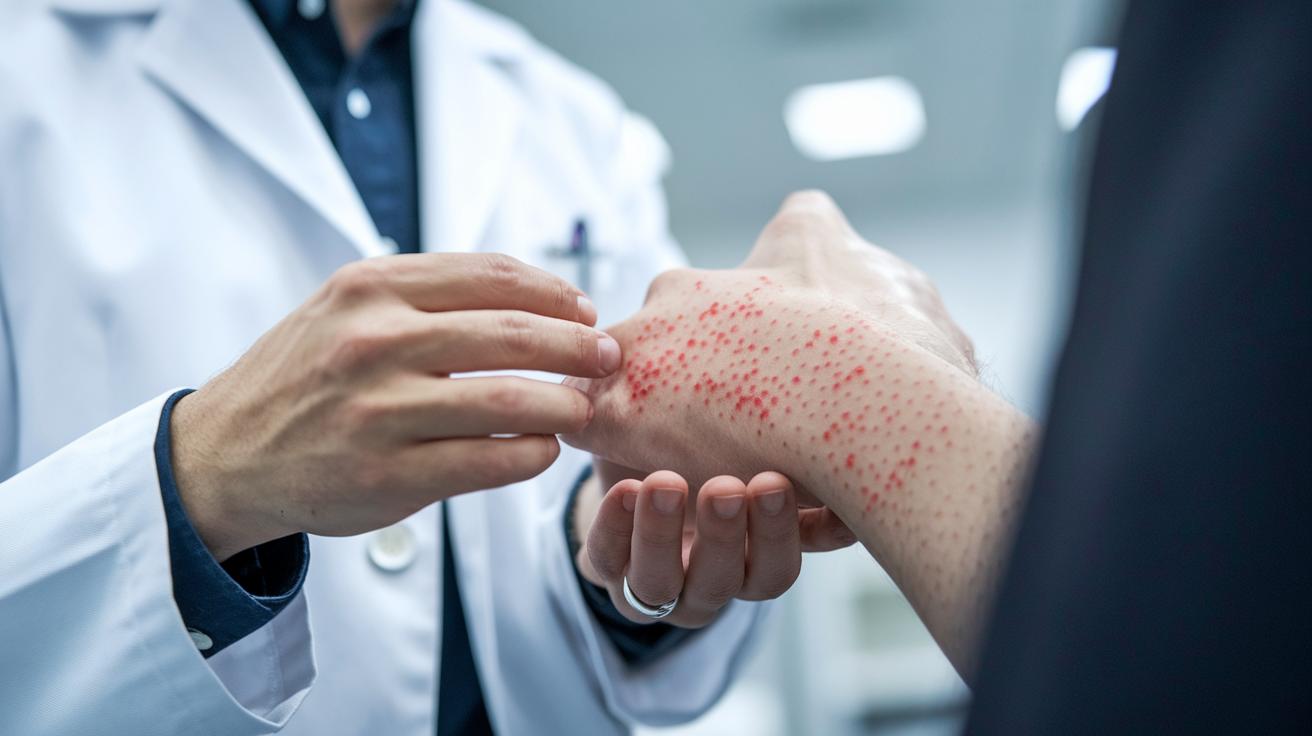

Quick take: Red bumps on your skin are usually signs of clogged pores, inflamed hair follicles, or irritation from everyday exposures.
If you notice red bumps and they come with severe pain, swelling, or fever, call emergency services now. If the bumps appear without these signs, simply monitor them and take gentle skin care steps.
These bumps can form when your pores get blocked or when hair follicles become irritated. Sometimes everyday irritants or natural changes in your body can trigger them too. Knowing why they appear can help you decide if you need to act fast or try simple self-care measures.
How Red Bumps on Skin Develop: Key Causes Explained
Quick take: Red bumps usually come from clogged pores, inflamed hair follicles, or reactions to irritants.
Triage Box:
• If you have severe pain, high fever, or rapidly spreading bumps, call emergency services now.
• If the bumps are very painful or show signs of infection (swelling, warmth, pus), seek same-day medical attention.
• For mild bumps without worrying symptoms, you can monitor them at home.
Red bumps may show up on different parts of your body for various reasons. They often form when your pores get blocked or a hair follicle becomes inflamed. Acne is a typical example among young people. Keratosis pilaris (often called chicken skin) is another common cause, creating rough bumps on your upper arms and cheeks.
Different areas of your skin face different triggers. Some bumps appear because of external irritants or infections, while others are due to internal changes like hormone shifts. This is why you might see red bumps on your face, chest, legs, or elsewhere.
Common causes include:
• Skin conditions such as acne and rosacea.
• Allergic or irritant reactions.
• Infections from bacteria, viruses, fungi, or parasites.
• Environmental triggers and natural body changes.
• Hormonal shifts or drug-related reactions.
It is important to understand what is causing your red bumps. Knowing the cause can help you decide if a minor irritation is safe to manage at home or if you need professional advice. Each cause, whether acne, contact dermatitis, or an infection like impetigo, needs its own treatment. A proper diagnosis will guide you in choosing the right care and avoiding remedies that might make the irritation worse.
Common Dermatologic Conditions Causing Red Bumps on Skin

Quick take: Red bumps can be a sign of common skin issues, but if they become very painful, spread quickly, or your skin starts to hurt a lot, seek medical help.
Triage:
• If you have severe pain, fever, or rapid spreading of the bumps, call emergency services now.
• If the bumps become tender, filled with pus, or you feel unwell, get same-day medical attention.
• Otherwise, watch the bumps and follow home care steps.
Acne
Acne often starts when hair follicles fill up with oil, dead skin cells, and germs. You may see red, swollen bumps on your face, chest, or back. Hormonal changes and stress can make these bumps worse. This is common among teens, but it can affect people of all ages.
Keratosis Pilaris
Keratosis pilaris happens when a natural protein (keratin) builds up and blocks hair follicles. This creates small, rough red bumps on your upper arms, thighs, cheeks, or buttocks. Although it can affect anyone, it is often seen during the teen years when skin is changing.
Rosacea
Rosacea usually shows as ongoing facial redness along with small visible blood vessels and red bumps. Triggers like sun, spicy foods, or stress can start a flare-up. Unlike regular acne, rosacea tends to stick around, and it may need continued skin care to manage the symptoms.
Folliculitis
Folliculitis is when hair follicles become inflamed, often due to shaving or wearing tight clothes. The bumps may hurt and sometimes fill with pus. This condition is different from regular pimples because it is caused by an infection or irritation of the hair follicles.
These conditions share signs like inflammation and a red, bumpy look. Knowing the difference can help guide you to the right care and prevent further irritation.
Allergic and Irritant Triggers of Red Bumps on Skin
Quick take: Your skin can show red bumps when exposed to allergens or irritants. Most cases are mild, but watch for signs of infection.
Triage Box:
• Call emergency services now if you notice severe swelling, intense pain, fever, or signs of infection (like pus or warmth around a bump).
• Seek same-day care if you have rapid spreading, severe itching, or the bumps affect breathing or swallowing.
• For milder reactions, try home care and monitor your symptoms.
Your skin acts as a barrier. It may react when chemicals, fabrics, or environmental substances disturb its balance. These triggers can make red, itchy bumps appear, either in one spot or over a larger area.
Contact Dermatitis
When your skin touches an irritant like poison ivy, nickel, dyes, or perfumes, you might get contact dermatitis. This reaction shows up as red, itchy bumps in a specific spot. It can be an allergic reaction or a simple irritation from the substance, typically causing mild discomfort.
Atopic Dermatitis
Atopic dermatitis, often called eczema, produces inflamed, itchy skin. It is a long-term condition that sometimes comes with asthma or hay fever. You may notice it on your elbows, knees, or face. The rash usually flares up for several days at a time.
Hives
Hives are raised, red welts that can appear quickly. They may be triggered by certain foods, medications, or changes in temperature. Your body releases histamines (chemicals that cause allergy symptoms) in response to these triggers. Hives usually fade after a few hours but can return if the trigger is still around.
Perioral Dermatitis
Perioral dermatitis shows as clusters of small red bumps around your mouth, nose, or eyes. It might be caused by long-term use of topical steroids or a reaction to specific skin products. Hormonal changes can sometimes make your skin more sensitive, contributing to this irritation.
Tip: Consider patch testing and avoiding substances you know cause a reaction to help prevent future outbreaks.
Infectious Origins of Raised Red Spots on Skin
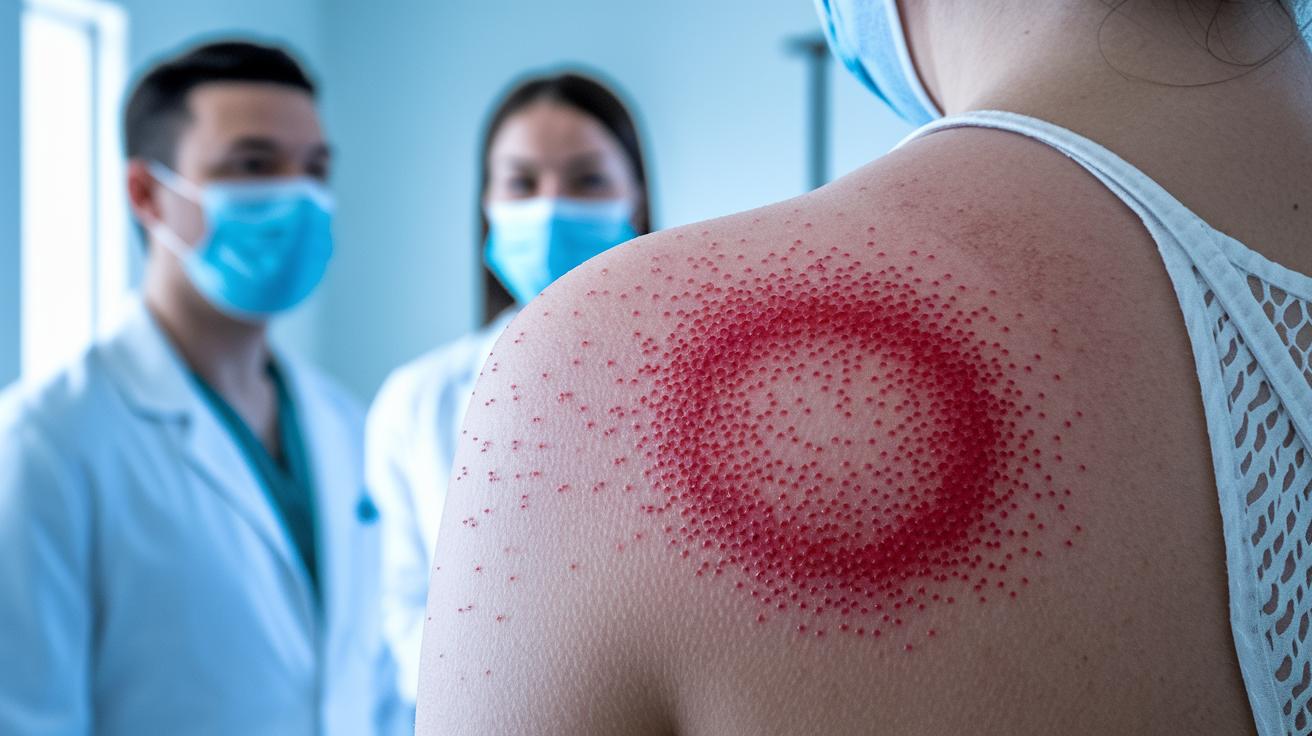
Quick take: Red bumps on your skin can be signs of an infection. If they appear suddenly, spread fast, or come with fever or strong discomfort, seek medical help right away.
If you have these emergency signs, call emergency services now:
• Bumps that spread quickly with high fever
• Severe pain or swelling around the bumps
Bacterial, fungal, viral, parasitic, and tick bites can cause these red spots. Sometimes you may see clusters of small bumps or a spreading red ring. This pattern can help point to an infection rather than a simple skin irritant.
| Pathogen Type | What You Might See |
|---|---|
| Bacterial |
Impetigo: red rings with yellow crusts on skin Cellulitis: warm, swollen red rash with fever |
| Fungal |
Tinea: an itchy, ring-shaped rash Tinea Versicolor: oval reddish-brown patches on the torso |
| Viral | Chickenpox, Shingles, Hand-Foot-Mouth: small red blisters or bumps grouped together |
| Parasitic | Scabies: very itchy, pimple-like bumps that get worse at night |
| Tick-Borne | Lyme Disease: a spreading bullseye rash at the bite site |
If you notice these symptoms, it is wise to get tested and talk to a clinician. They can offer the proper evaluation and treatment you need.
What Causes Red Bumps on Skin: Pure Relief
Quick take: Red bumps can show up from too much sun, heat, sweat, stress, or hormone changes. If you notice severe pain, swelling, or if the bumps get worse quickly, please call emergency services.
Sunburn
Sunburn happens when your skin gets too much sunlight. It produces red, painful bumps and peeling that can show up within hours. This skin damage leaves your skin extra sensitive to irritation.
Heat Rash
Heat rash appears in hot, humid weather. When sweat ducts get blocked, you might see small red, prickly bumps on your neck, back, or chest.
Sweat-Induced Irritation
When sweat remains trapped under your skin during heavy activity or sticky weather, it can cause mild, itchy red spots. Washing your skin with a gentle cleanser usually helps clear them.
Stress Flare-Ups
Stress can make red bumps worse. Your body releases extra stress hormones which can trigger flare-ups in conditions like rosacea or eczema. Taking slow, deep breaths may help calm these effects.
Hormonal Bumps
Hormonal changes during your period, puberty, or other shifts can lead to acne-like red spots. Fluctuations in hormones (like estrogen) may cause a temporary increase in oil production, resulting in these bumps.
Tips to Help Your Skin
• Seek shade and stay cool.
• Wear loose, breathable fabrics.
• Use a gentle cleanser to wash away sweat.
• Practice stress-relief techniques like deep breathing.
• Monitor your skin. If symptoms worsen, see your doctor.
Treatment and Home-Care Strategies for Red Bumps on Skin
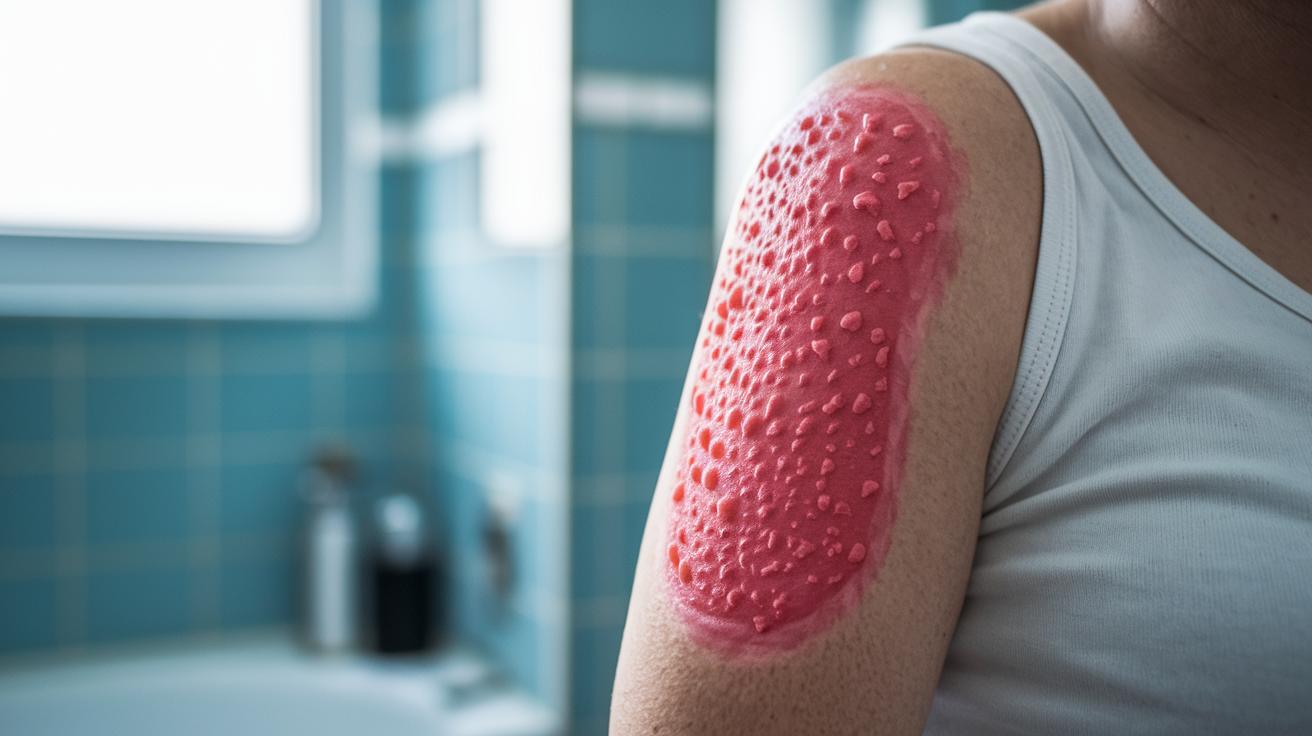
Quick take: Your red skin bumps need care that fits their cause.
Triage Box: If you have any of these emergency signs, call emergency services now:
- Severe pain or swelling
- Fever or chills
- Redness that spreads quickly
- Pus or bleeding
Different causes like acne, irritation, or infections need different treatments. Knowing why the bumps appear helps you choose the right self-care and over-the-counter remedies.
Topical treatments often work best. For example, if you have acne, using benzoyl peroxide or retinoids (medications that help unclog pores) can clear your skin. For keratosis pilaris, which makes your skin feel rough and bumpy, creams with lactic acid or urea smooth things out. If rosacea is the cause, metronidazole or azelaic acid can lower steady redness and calm the bumps. These creams act directly on your skin to reduce irritation and clear up inflammation.
Sometimes a deeper or more widespread issue calls for treatments that work through your whole body. Oral antibiotics can fight bacterial infections that creams cannot reach. Antihistamines ease the itch from hives, and antiviral medicines may calm rashes caused by viruses like shingles. These systemic options help manage symptoms that go beyond the skin’s surface.
Other supportive strategies can boost your skin’s recovery. Wash gently with a fragrance-free cleanser, use cool compresses to soothe, and apply a non-irritating moisturizer. Be sure to protect your skin from the sun and cut back on known triggers in your daily routine.
Keep track of your skin by noting changes in the number, size, or severity of the bumps. Adjust your care routine accordingly and avoid harsh scrubs or treatments that might worsen irritation. And if your symptoms do not improve, talk to a healthcare professional.
Reviewed by Dr. Jane Doe, Dermatologist. Last reviewed: Oct 10, 2023.
Warning Signs: When Red Bumps on Skin Require Medical Attention
Quick take: Unusual red bumps can signal an infection that needs prompt care.
If you see any of these emergency signs, call emergency services now:
- Fever (temperature above 100.4°F)
- Spreading redness
- Red streaks on the skin
- Severe, worsening pain
- Swelling and skin that feels warm
- Pus draining from the bump
These symptoms may mean you have an infection that needs same-day medical attention. If your red bumps stick around for more than 2 weeks or come back even after your home care, it’s time to get checked by a professional. Also, if you notice trouble breathing or swelling in your face or lips, seek urgent care right away.
Final Words
In the action, this post broke down how red bumps on skin develop. We covered skin conditions, allergic reactions, infections, and environmental triggers in clear, bite-sized steps. A checklist highlighted common causes like acne, dermatitis, and stress-related flare-ups. The guide also explained home treatments and when to seek help for dangerous signs. Remember to note what causes red bumps on skin and use these insights to guide safe decisions. Stay proactive and positive as you monitor and care for your skin.
FAQ
What do pictures of skin bumps, rashes, and red spots on skin usually show?
The images show various patterns, including clusters of raised red spots that may be itchy or not. They help compare signs seen in acne, allergic reactions, infections, and other skin conditions.
What conditions cause itchy or non-itchy bumps that look similar to mosquito bites?
Bumps that resemble mosquito bites can be from issues like keratosis pilaris, contact dermatitis, or folliculitis. They may be itchy or feel rough yet are not always caused by insect bites.
What causes red bumps on the face?
Red facial bumps often come from conditions like acne, rosacea, or folliculitis. Triggers such as sun exposure, stress, and reaction to skin products can lead to inflammation and breakouts in sensitive areas.
Why might I be getting random red bumps on my body or experiencing small breakouts?
Random red bumps can result from allergic reactions, infections, environmental influences, or hormonal shifts. Stress and changes in body chemistry sometimes trigger small red breakouts across various areas.
How can I get rid of red bumps?
Red bump relief may involve gentle cleansing, cool compresses, and over-the-counter creams, tailored to the cause. For persistent cases, consult a clinician for a proper diagnosis and targeted treatment.
What illnesses can cause red bumps on the skin?
Illnesses such as acne, eczema, contact dermatitis, and infections like impetigo or scabies can cause red bumps. A proper evaluation by a clinician is essential to determine the exact cause and appropriate care.