
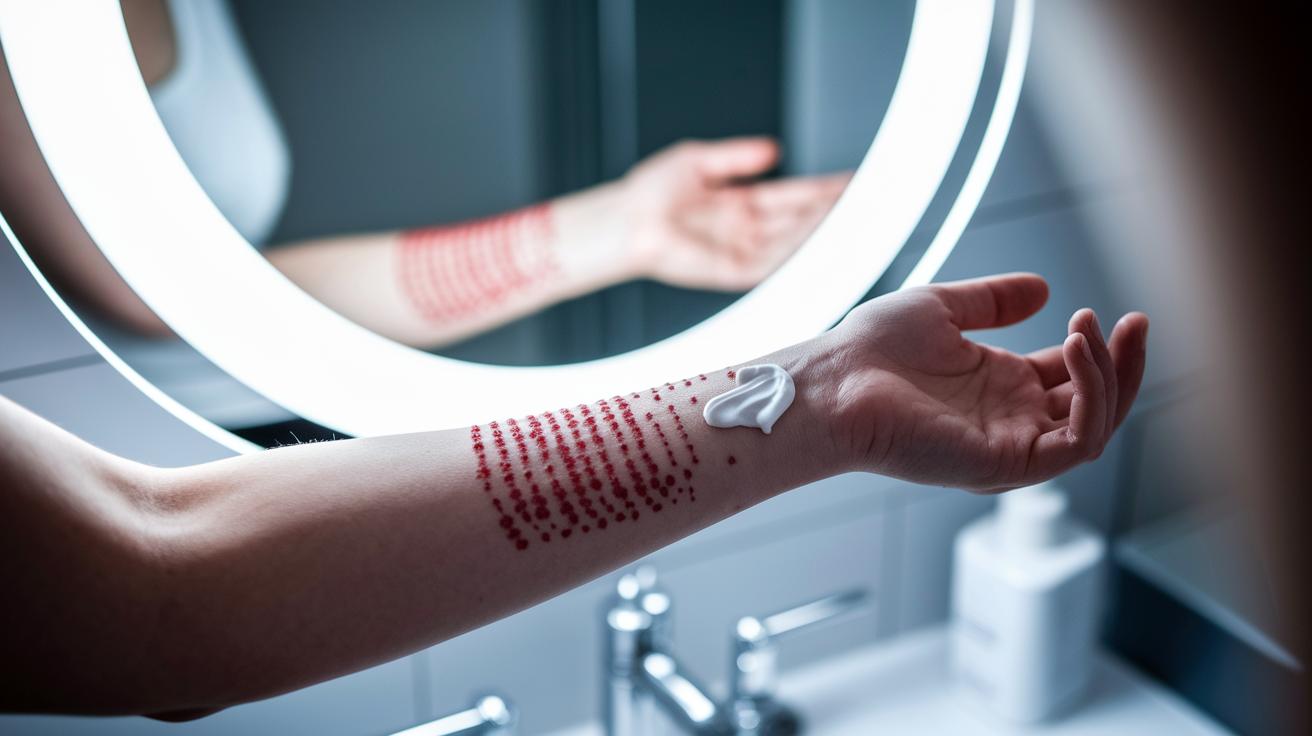

Quick take: Red, itchy bumps on your arms are often from bug bites or a mild reaction, but seek help if you notice severe symptoms.
If you have any of these signs, call emergency services now:
• Trouble breathing
• Swelling of your face or throat
• Intense pain or the rash spreads quickly
Sometimes your skin may react to insect bites or a new lotion, creating red, itchy bumps. It can be scary to see your arms change so suddenly. In most cases, these bumps are a simple reaction, but they can also signal a skin problem that needs proper care.
This guide offers step-by-step tips to ease the irritation. Follow the advice to soothe your skin and learn what these bumps might mean for your health. Keep an eye on your symptoms, and if they get worse, contact your doctor for further guidance.
Understanding Red Itchy Bumps on Arms: Causes, Symptoms, and What to Expect
Quick take: These red, itchy bumps on your arms can be a sign of several issues, from simple bites to skin conditions that need care.
If you have any of these emergency signs, call emergency services now:
• Trouble breathing
• Swelling of your face or throat
• Bumps that spread quickly and cover large areas
If you notice these symptoms worsening or not getting better in a few days, contact your doctor right away. Otherwise, keep the area clean and try to avoid scratching.
These bumps might start suddenly after being outdoors or develop slowly over time. You might notice small red marks that look like mosquito bites or clusters of itchy red spots on your arms. They can be a minor irritation or a clue that something more persistent is happening.
Here are some common reasons you might see these bumps:
• Insect bites from mosquitoes or fleas
• Allergic reactions, such as hives (rapid, itchy welts)
• Eczema or contact dermatitis triggered by irritants
• Folliculitis (infection or blockage in hair follicles)
• Psoriasis, which may cause red bumps with scales
• Keratosis pilaris (KP), creating rough bumps like goosebumps
This list helps you understand why these itchy bumps appear. In the sections below, you will learn more about each possible cause and find simple checklists for self-care. Tracking your symptoms and knowing when to seek help ensures you take the right steps to care for your skin and stay safe.
Insect Bites and Allergic Reactions Causing Red Itchy Bumps on Arms
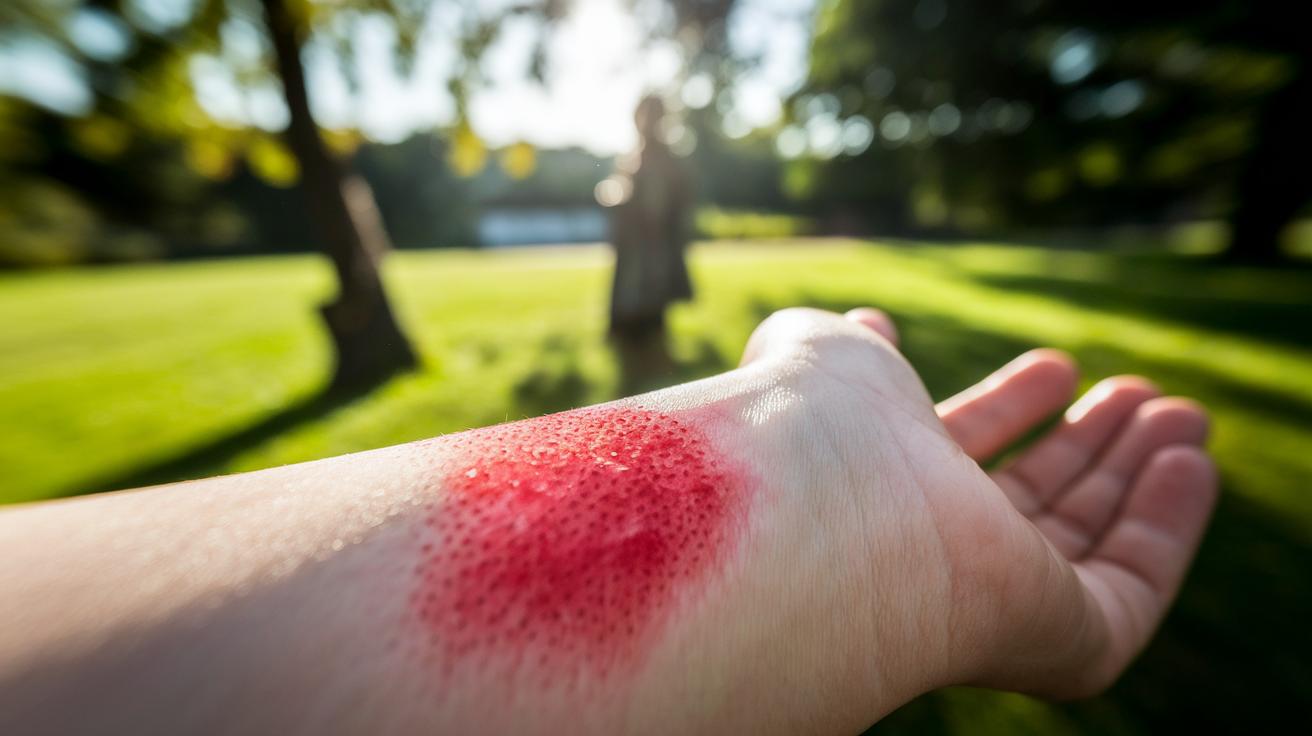
Quick take: Red, itchy bumps on your arms may come from insect bites or an allergic reaction. Check for any severe symptoms, and seek help if needed.
Triage:
If you have any of these emergency signs, call emergency services now:
- Trouble breathing
- Swelling in your face or mouth
- Severe pain
Bumps like these can appear fast after you’ve been outdoors or tried a new product. They might come from an insect bite or from touching something you’re allergic to, like certain plants or chemicals.
Insect Bites:
- Mosquito bites: a small, itchy bump with a tiny puncture mark.
- Flea bites: small dots that often appear in groups near your ankles or wrists.
- Spider bites: a larger bump that can sometimes hurt.
Allergic Reactions (Contact Dermatitis):
- Touching plants like poison ivy or poison oak.
- Jewelry or clothing parts that contain nickel.
- Using soaps or detergents with strong fragrances.
- Sensitivities to ingredients in sunscreen.
Here’s what you can do at home:
- Remove any possible irritant by rinsing the area with cool water.
- Pat the skin dry gently.
- Apply a cool compress (a clean, cool, damp cloth) for a few minutes to ease the itch and burning.
These steps can help lessen discomfort until the bumps go away or you get guidance from a healthcare provider.
Common Skin Disorders Behind Red Itchy Bumps on Arms
Quick take: Red, itchy bumps on your arms can come from several common skin conditions. They usually aren’t emergencies, but if you see signs of infection or rapid spreading, act now.
Triage:
If you have any of these emergency signs, call emergency services immediately:
- Bumps that spread quickly
- Intense pain, swelling, or warmth around the area
- Pus or fever accompanying the bumps
Otherwise, keep your skin clean, moisturized, and avoid known triggers.
Keratosis Pilaris
This condition forms small, rough bumps when extra skin protein (keratin) blocks hair follicles. They are mainly a cosmetic problem and may improve with regular moisturizing and gentle exfoliation.
Eczema
Also known as atopic dermatitis, eczema causes red, itchy patches that can develop into bumps. It often starts after you come into contact with an allergen or irritant. Using a moisturizer and avoiding triggers can help manage flare-ups.
Folliculitis
Folliculitis occurs when hair follicles become inflamed or infected, leading to red bumps that might even have pus. Shaving, tight clothes, or bacteria can trigger it. Good hygiene can ease the condition, but if bumps persist, consult your doctor.
Psoriasis
Psoriasis shows up as red bumps with a silvery scale and may cause discomfort or itchiness. It is often linked to genetic factors or triggers like cold weather. Topical treatments and keeping your skin moisturized can help control the symptoms.
Scabies
Scabies is caused by tiny mites that burrow under your skin, creating clusters of red, itchy bumps, especially noticeable at night. This condition requires a prescription treatment, so speak with your healthcare provider as soon as possible.
Diagnosing Red Itchy Bumps on Arms: At-Home Checks and Red Flags
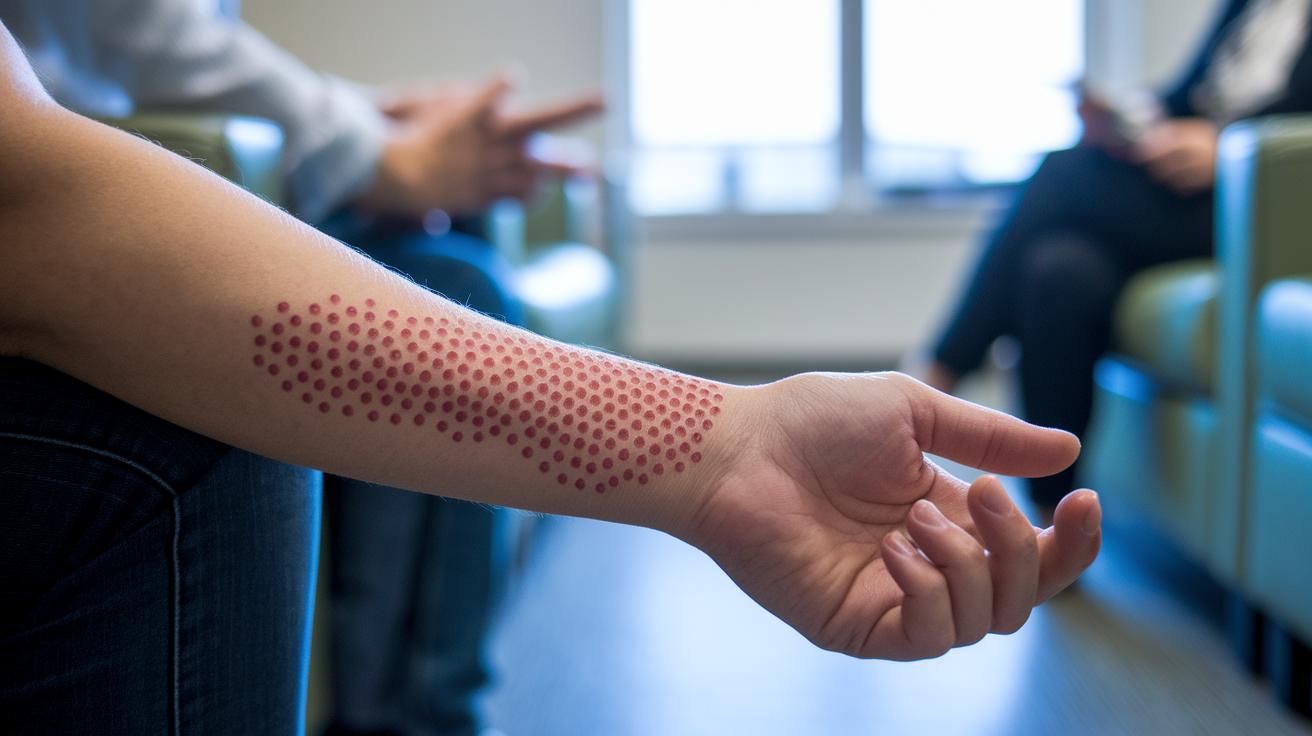
Quick Take: Watch your arms for red, itchy bumps and act if they show warning signs.
Start by noticing when the bumps first appear and if they spread. See if they pop up suddenly after contact with something like an insect bite or if they form slowly over time. Check if you have been exposed to any new materials or environments. Also, note if the bumps hurt, are warm, come with a fever, or have swelling.
Write down where the bumps are and how they look. For instance, do you see bright red, small raised spots (red papules) or swollen, inflamed nodules with a red tint? This record can help you and your provider decide if the bumps are a mild reaction or if you need a professional check.
| Red Flag | Possible Concern | Recommended Action |
|---|---|---|
| Spreading rash | Infection or severe allergy | Seek medical care |
| Pus or discharge | Folliculitis (hair follicle infection) or abscess | Consult provider |
| High fever | Systemic infection | Urgent evaluation |
| Lasting more than 2 weeks | Chronic skin condition | Dermatology referral |
| Severe pain or swelling | Risk of cellulitis (skin infection) | Get immediate care |
If your bumps match any of these red flags, write down the details and contact a healthcare provider as soon as you can. If the red spots persist for more than 2 weeks without any sign of improvement, it is important to get a professional exam. Your provider might want to do simple tests like scraping a bit of the skin or using a patch test to check for allergies.
Effective Treatment for Red Itchy Bumps on Arms: Home Remedies and OTC Options
Quick take: You can often ease red, itchy bumps on your arms with simple home methods or OTC treatments.
Triage Box:
• If you have severe pain, fever, or signs of skin infection (increasing redness, pus, or swelling), call emergency services now.
• If the bumps spread quickly or cause major discomfort, seek same-day care.
• For mild cases, try these at-home steps and monitor your skin.
Common causes include conditions like keratosis pilaris (a bumpy skin condition) or reactions such as hives. Here’s what to do:
Home Remedies for Arm Skin Bumps:
• Gently exfoliate using a product with lactic or glycolic acid to help remove dead skin.
• Use a daily moisturizer with urea or ceramide to soften rough patches.
• Dab aloe vera gel on affected spots for its cooling, soothing effect.
• Enjoy an oatmeal bath to calm irritation and reduce inflammation.
• Lightly apply diluted tea tree oil on small spots to naturally fight inflammation.
OTC Treatments for Itchy Bumps:
• Apply hydrocortisone cream to calm itchiness and lower redness.
• Use calamine lotion to ease any burning sensation.
• Take an oral antihistamine for allergic reactions and to control the itch.
• Try colloidal oatmeal creams that soothe discomfort and smooth the skin.
• Use barrier-repair lotions to lock in moisture and protect your skin.
Tips for Using These Treatments:
• Start with one treatment and give it a few days to work before adding another.
• Alternate between natural home remedies and OTC options to keep your skin calm.
• Stop any treatment if you notice increased irritation and check with your healthcare provider.
Remember, your comfort and safety come first. Monitor your skin, and if conditions worsen, contact a clinician for guidance.
Preventing Recurring Red Itchy Bumps on Arms: Lifestyle and Skin Care Tips
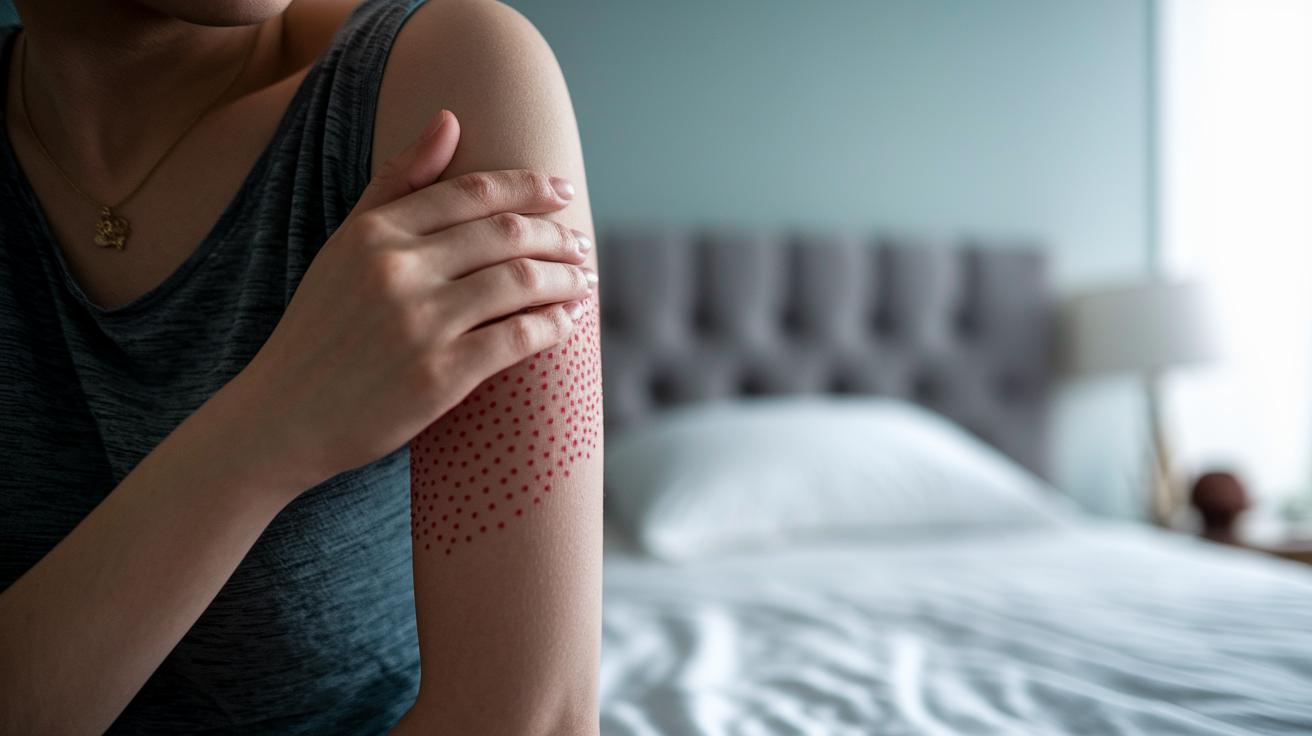
Quick take: Simple changes in your daily routine can ease your skin and lower the risk of red, itchy bumps.
If you notice any signs like severe pain, blisters, or the bumps spreading, call emergency services now. If your skin feels very irritated or shows signs of infection (red streaks, pus, swelling), seek same-day medical help. Otherwise, try these home care tips and watch your symptoms.
Red, itchy bumps on your arms can be more than just annoying. They may be a sign that your skin needs extra care. Small adjustments in your habits and skin care can reduce irritation, lower friction, and boost overall skin health.
• Wear loose, breathable clothes. This helps reduce friction and prevents sweat from building up.
• Use broad-spectrum sunscreen every day to protect against sun-related sensitivities and rashes.
• Drink plenty of water and include foods high in vitamins A, C, and E. These vitamins help your skin repair itself.
• Practice quick relaxation exercises to lower stress, which can trigger flare-ups.
• Choose fragrance-free cleansers and moisturizers to keep your skin calm and free from harsh chemicals.
These easy lifestyle changes and gentle skin care tips can help soothe your arms and keep red, itchy bumps from coming back.
Final Words
In the action of navigating your red itchy bumps on arms, you now have clear guidance on causes, from insect bites to skin conditions, and a range of practical home care steps. You've seen how to check red flags and apply effective remedies.
Stay calm and follow the actionable tips provided. Monitor your symptoms closely, and consult a clinician if they worsen. Your commitment to self-care sets you up for better health and quicker relief.
FAQ
What is keratosis pilaris and what do its bumps look like?
The keratosis pilaris condition causes small, rough bumps on the arms that look like goosebumps. This happens when keratin builds up and blocks hair follicles.
How is keratosis pilaris treated?
The keratosis pilaris treatment includes gentle exfoliation and using moisturizers with urea or ceramides to smooth the skin and reduce bump appearance.
What causes keratosis pilaris in toddlers?
In toddlers, keratosis pilaris is caused by a buildup of keratin that blocks hair follicles. It is common and generally does not require aggressive treatment.
Is keratosis pilaris a sexually transmitted disease?
Keratosis pilaris is not a sexually transmitted disease. It is a hereditary skin condition that results in rough, bumpy skin.
What might pimple-like bumps on my arms indicate?
Pimple-like bumps on the arms may hint at folliculitis or blocked pores, which can occur from irritation, shaving, or allergens. They often improve with proper hygiene and care.
What do small itchy bumps on arms that come and go indicate?
Small, intermittent itchy bumps could be triggered by insect bites, mild allergies, or changing skin conditions such as eczema. Monitoring triggers can help manage them.
How can I treat itchy bumps on my arms?
To treat itchy bumps, use cool compresses, over-the-counter hydrocortisone creams, and antihistamines if allergies are suspected. Gentle cleansers and moisturizers can also help reduce irritation.
What might cause large, itchy bumps on my arms?
Large, itchy bumps may signal a stronger allergic response, a cluster of insect bites, or even a skin infection. It is best to seek professional advice if they worsen or persist.
Why am I getting red, itchy bumps on my arms?
Red, itchy bumps on your arms can result from insect bites, allergic reactions, or skin conditions like eczema or keratosis pilaris. Identifying and avoiding triggers can ease the symptoms.
Why am I suddenly having itchy bumps?
Suddenly developing itchy bumps can be due to exposure to new allergens, insect bites, or irritants. Keep track of any changes, and consult a provider if the condition worsens.