


Quick take: A ready tsunami kit is your lifeline during an emergency.
• If a tsunami warning sounds, call emergency services immediately.
• If you’re near the coast, evacuate to higher ground.
• Grab your kit with water, food, first aid, and essential items.
Living by the coast means you face extra risks. A tsunami can hit unexpectedly, so having an emergency kit is key. This kit should include water, nonperishable food, first aid supplies, and other vital items that may be needed quickly.
By keeping these supplies together in one easy-to-reach spot, you set up a lifeline that can keep you and your family safe when every second counts. Preparing now can bring peace of mind and help you act fast when it really matters.
Tsunami Emergency Kit: Stay Ready, Live Secure
Quick take: A well-packed tsunami kit can help keep your family safe if trouble strikes.
For everyone living by the coast, it’s smart to build a kit with enough supplies for 3 to 7 days. You need water (1 gallon per person per day) and food that won’t spoil quickly, think canned goods, energy bars, or meals you can eat without extra prep.
Keep a small first aid kit ready with bandages, antiseptic wipes, pain relievers, and any medicine you take regularly. Print out family contact lists and local maps that show meeting points and safe shelter spots.
Protect your key documents, too. Place copies of insurance papers, birth certificates, passports, and your medication list in a waterproof pouch. Pack a cell phone, its charger, and a battery-powered or hand-crank radio so you can stay informed when the power goes out.
Also add hygiene items like soap, a toothbrush, toothpaste, hand wipes, and sanitizer so you can stay clean. It helps to keep a flashlight with extra batteries, a whistle, and a multi-tool for unexpected problems. Lastly, have a small amount of cash in bills and coins for quick purchases.
Store your kit in an easy-to-reach, raised spot and make sure it’s part of your family’s emergency plan. A neat and organized kit can ease stress when seconds count.
Below is a quick checklist of core supplies:
- Water (3-7 days, 1 gallon per person per day)
- Non-perishable food (canned items, energy bars, ready-to-eat meals)
- Basic first aid kit (bandages, antiseptic wipes, pain relievers, prescriptions)
- Printed family contact list and local area maps
- Important documents in a waterproof pouch (insurance, birth certificates, passports, medication lists)
- Cell phone and charger
- Battery-powered or hand-crank radio with extra batteries
- Hygiene items (soap, toothbrush, toothpaste, hand wipes, sanitizer)
- Flashlight with extra batteries
- Whistle and multi-tool
- Cash (small bills and coins)
Water and Food Essentials in Your Tsunami Emergency Kit
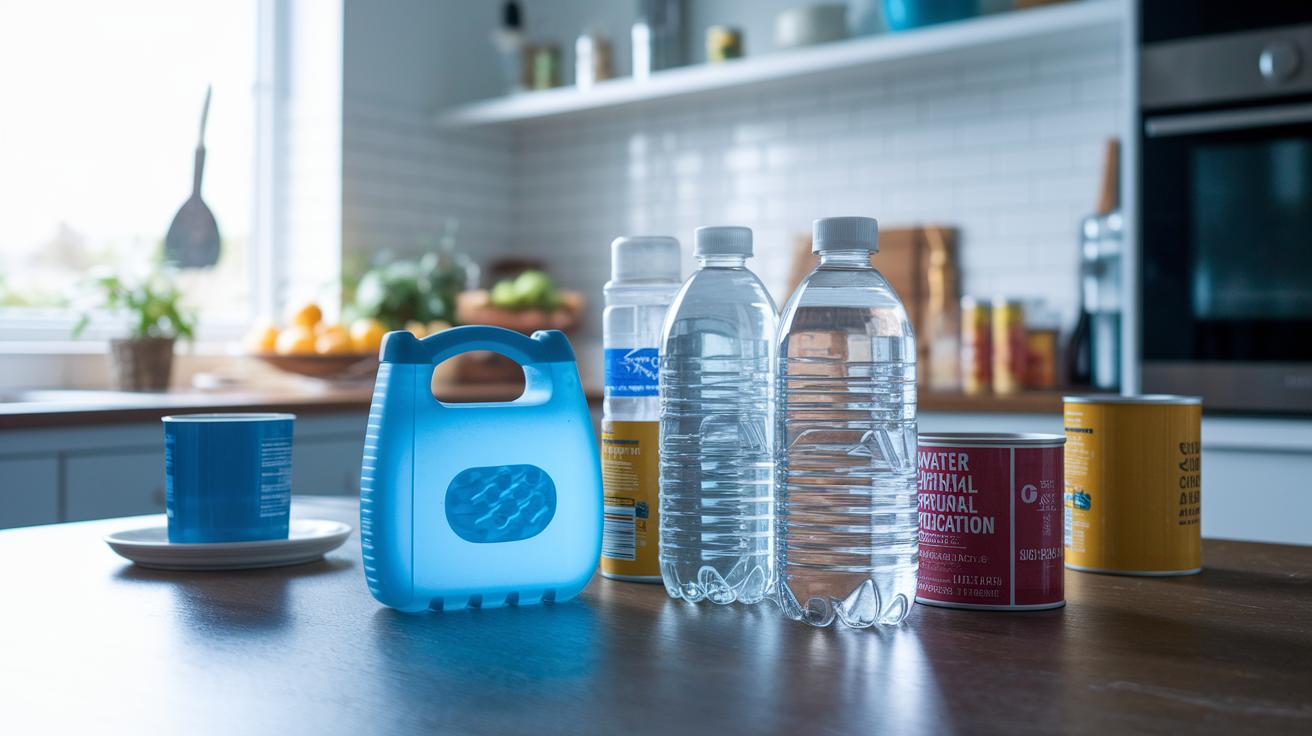
Keep at least a 3-day supply of drinking water on hand. This means storing 1 gallon per person per day and including water purification tablets to treat local water if needed. Make sure to rotate your bottled water every 6 months so it remains fresh.
Fill your emergency kit with ready-to-eat, high-calorie foods. Options like energy bars, canned beans, tuna packets, and freeze-dried meals are great since they need little or no prep. Check expiration dates every 3 months and replace items ahead of time to keep your supplies safe.
A clear plan for water and food boosts your family's confidence during a crisis. Regular checks and timely rotation help ensure that your kit is ready when you need it most.
| Food Type | Shelf Life |
|---|---|
| Canned vegetables | 2–5 years |
| Energy bars | 1 year |
| Freeze-dried meals | 5–10 years |
| Water purification | 3–5 years |
Medical and Communication Gear for Tsunami Emergency Kit
Quick take: A complete kit helps you treat injuries fast and stay connected during a tsunami.
Triage Box:
• If anyone has severe pain, heavy bleeding, or trouble breathing, call emergency services now.
• For urgent help, use your communication devices to alert rescuers.
• Otherwise, follow your kit instructions and monitor everyone’s condition.
Prepare a medical kit that gives your family the care needed when a tsunami strikes. Pack a full first aid kit with clean gauze, adhesive tape, antiseptic (germ-killing liquid), and pain relievers to ease discomfort. Include allergy pills and any prescription medicines in their original bottles so you have the treatments you rely on. Also add blister pads to cushion areas that might rub and an emergency dental kit for sudden mouth injuries when immediate care isn’t available.
Keep your communication gear ready to keep you informed. Use a NOAA-certified weather radio that works on batteries or has a hand-crank to get clear alerts. Add a waterproof VHF handheld radio as a backup when regular networks fail. Always keep a fully charged cell phone with a solar or car charger handy. A signal mirror can help attract rescuers, while a whistle gives you a simple way to call for help.
Remember to check your batteries often. Store extra AA and AAA batteries and test your devices regularly to be sure they work when you need them most. This mix of medical supplies and communication tools lets you treat injuries and grab vital updates quickly, keeping your family safe when every second counts.
Packaging and Storage Solutions for a Tsunami Emergency Kit
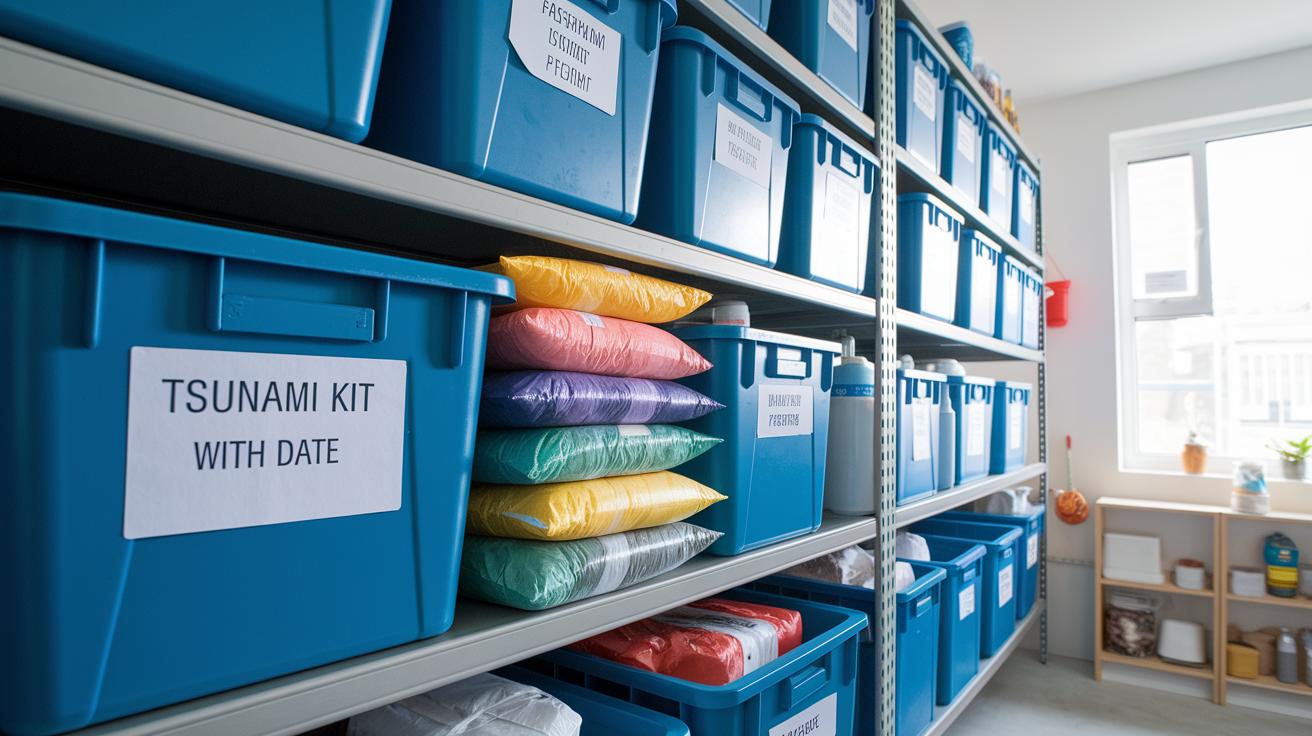
Quick take: Protect your supplies by packing them smartly and storing them in safe, easy-to-reach spots.
When a tsunami hits, you need your emergency supplies dry and ready. Use tough, waterproof plastic bins or marine-grade dry bags to block water. Keep important papers, clothes, and documents in vacuum-seal pouches. Write "Tsunami Kit" and the date on each container so you know when to update it.
Put your kits in spots that are safe and within reach, like an upper floor or a high-ground location. It’s wise to have three kits: one at home, one in your car, and one at work. Stackable bins and color-coded labels help everyone find what they need fast in an emergency.
Here’s a quick checklist:
| Step | Action |
|---|---|
| 1 | Use waterproof cases for all items |
| 2 | Label each kit with “Tsunami Kit” and the assembly date |
| 3 | Store kits in safe, easy-to-find spots |
Smart packaging and clear storage choices help keep your supplies safe from water damage so you are ready when every second counts.
Updating and Inspecting Your Tsunami Emergency Kit
Do a quick check of your tsunami kit every three months to keep it ready when you need it. Reviewing your supplies often helps you avoid surprises during an emergency.
Keep your kit ready all year. Every few months, look at the expiry dates on your food, water, and medications. Replace these items at least 6 weeks before they expire. This way, you ensure everything works when it counts.
Test your flashlights, radios, and chargers to make sure they work well. Change the batteries every year so you don’t get caught off guard in an emergency.
It’s also a good idea to update your family contact cards, meeting spots, and shelter addresses. Keeping this information current can help everyone know exactly what to do when a tsunami warning comes.
Practice a tsunami drill with all members of your household every 6 months. Run through the evacuation routes and make sure each person understands their role. This practice helps you all be calm and ready if an emergency happens.
Finally, check your storage containers. Look for any cracks or leaks that might let in water. Fix or replace any damaged containers right away to protect your supplies.
| Action | Details |
|---|---|
| Check Expiry Dates | Inspect food, water, and medications and replace them 6 weeks before they expire. |
| Test Equipment | Test flashlights, radios, and chargers; change batteries annually. |
| Update Contacts | Review family contact cards, meeting spots, and shelter addresses for accuracy. |
| Tsunami Drill | Practice a drill with all household members every 6 months. |
| Inspect Containers | Check for cracks or leaks and fix or replace damaged containers immediately. |
Expert Advice on Building a Tsunami Emergency Kit

Local emergency managers advise you to prepare a kit that meets your home’s unique needs. Begin by listing any special items you may require.
Tailor for Special Needs
• Think about everyone at home.
• For babies, pack infant formula and extra bottles.
• For pets, include enough food and water.
• If someone uses a mobility aid, add spare batteries or parts.
• Keep extra eyeglasses and prescription copies.
A kit like this has helped neighbors stay safe during power outages.
Follow Local Plans
• Check your town’s evacuation routes and meeting spots.
• Sign up for local alert systems for real-time updates during a tsunami warning.
• Work with your neighbors to share resources and ideas.
Add Quality Gear
• Choose waterproof headlamps and portable crisis communication devices.
• Consider solar battery chargers and durable multi-tools built for saltwater.
This quality gear boosts your readiness and may make all the difference when seconds count.
Where to Find and Purchase a Ready-Made Tsunami Emergency Kit
If you need a tsunami kit quickly, start by checking trusted sources. Look for kits from well-known organizations like the American Red Cross, which offers an Emergency Preparedness Kit made for coastal areas. You can also visit outdoor stores such as REI or Bass Pro Shops for survival packs built to handle tough conditions. Online marketplaces like Amazon and specialized safety shops are good options too, especially when you can read customer reviews.
Before you buy, make sure to check these key details:
- Verify that the kit has all the essential supplies.
- Confirm the waterproof rating to keep items safe in heavy rains.
- Ensure the pack is light enough for a fast evacuation.
- Check the shelf life of food and water to keep them fresh.
- Compare the price to your budget.
After you choose a kit, compare its contents to your personal checklist. If you notice any missing items, add them as needed. Here are three ready-made kits you might consider:
| Kit Model | Price | Contents | Pros | Cons |
|---|---|---|---|---|
| Coastal Saver Model | $120 | Water, non-perishable food, first aid, waterproof case | Well-balanced supplies, compact design | Fewer emergency tools |
| Shoreline Ready Kit | $150 | Extra emergency tools, communication devices, robust gear | More complete set; compact and portable | Higher price |
| SeaGuard Basic Kit | $100 | Essential supplies only | Affordable, lightweight | May need extra items |
Final Words
In the action, we broke down what goes into a solid kit to keep you safe when danger strikes. We examined water and food storage, essential medical supplies, and smart ways to store and update your gear. Every section gave you clear steps to gather supplies and maintain a reliable set of tools. Keep checking your items and updating your plan with each seasonal review.
A thoughtful tsunami emergency kit can make all the difference when it matters most.
FAQ
What are 10 essential items in an emergency kit?
The emergency kit should include water (3-day supply at 1 gallon per person per day), non-perishable food, a first aid kit, crucial documents, communication devices, a flashlight with extra batteries, hygiene supplies, a multi-tool, cash, and a whistle.
What should be in a tsunami emergency kit?
The tsunami emergency kit should comprise water, non-perishable food, first aid supplies, a family contact list, waterproof copies of important documents, reliable communication devices, hygiene items, emergency tools, cash, and a sturdy container.
What are 5 steps you should take if a tsunami is coming?
The response steps should include evacuating to higher ground, following local emergency alerts, securing family and pets, grabbing your tsunami kit, and avoiding low-lying coastal areas.
What supplies do you need to survive a tsunami?
You need to survive a tsunami by stockpiling a minimum 3-day water supply, food, a comprehensive first aid kit, essential medications, communication gear, important documents, hygiene products, and other emergency tools.
What should I stockpile for 72 hours during an emergency?
The 72-hour stockpile should include water (1 gallon per person per day), food, necessary medications, first aid supplies, personal hygiene products, battery-powered communication devices, and essential documents kept in waterproof storage.
Are free government survival kits available?
The availability of free government survival kits can vary by location and program, so check with your local emergency management office or community center to see if any free resources are being offered.
What defines an earthquake emergency kit?
An earthquake emergency kit is defined by having water, non-perishable food, a basic first aid kit, dust masks, sturdy gloves, essential medications, flashlights with extra batteries, a whistle, and important documents stored in a waterproof pouch.