
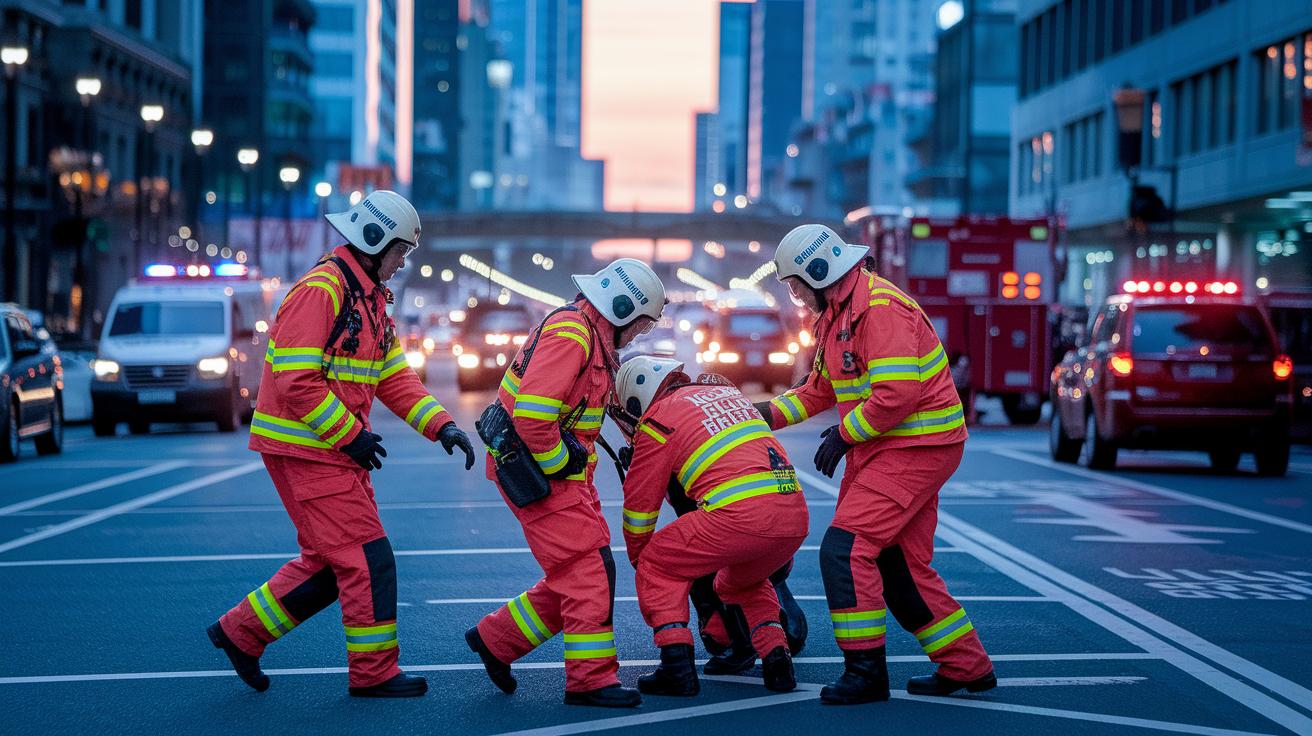

Quick take: A clear emergency plan can save lives.
If you see any signs of confusion or delay, act now with a ready plan:
• Red flags: Unclear roles, slow decisions, wasted time.
• Urgent: In a crisis, call emergency services and follow your practiced plan.
• Basic: Review your plan and update roles regularly.
A strong emergency plan is a lifesaver. In a crisis, you need clear steps and teamwork to keep everyone safe. A good plan tells you who does what, speeds up decisions, and cuts down wasted time. This article shows how planning carefully, using real-time alerts, and working together cut out chaos. When every second counts, a ready strategy makes all the difference in protecting lives and keeping order.
Emergency management and response: Swift Safety Action
Quick take: In an emergency, a clear plan and strong teamwork can save lives.
Triage Box:
• Call emergency services now if you face a total breakdown in leadership, fast communication stops, or vital supplies are unavailable.
• Seek urgent review if your emergency plan shows gaps or delayed resource delivery.
• Check your preparedness steps regularly and ensure every team member knows their role.
When a crisis strikes, having a solid plan is key. Your plan should include checking for risks, mapping out who does what, and getting the right supplies ready. Risk assessments help you spot dangers early. Preparedness plans set clear roles so that everyone acts fast. A clear chain of command makes sure each person knows their job. Quick, simple communication spreads important updates. Pre-positioned supplies and trained teams let you act swiftly. Finally, recovery plans help you rebuild and return to normal after the crisis.
All these parts work together as one team. Your risk checks show you where to use your supplies best, while your planning relies on these checks to set clear steps. A trained team leads the incident command and makes sure everyone is on the same page. Open and fast communication gives you real-time updates so you can adjust the plan as needed. This helps your system stay ready for both expected events and surprises.
A well-integrated approach brings big benefits. When risk checks, smart planning, and clear leadership work as one, you can deploy resources faster and make decisions quickly. This teamwork cuts down on wasted efforts and speeds up action during emergencies. The system grows stronger from the first alarm all the way through recovery. A unified plan builds trust among responders, community leaders, and the public, because every second truly counts.
Hazard Risk Analysis and All-Hazards Assessment

Quick Take: Experts hunt for dangers and rank them so you know which risks to tackle first.
Hazard risk analysis starts by carefully looking for dangers around you. Experts check for threats from floods, earthquakes, human actions, and machines (technology issues) using easy-to-understand numbers. They also create maps that show areas where buildings or communities might be hit harder.
They run drills using real-life scenarios to see if plans work well. For example, a coastal area might study flood zones to know where to build stronger barriers like levees. These steps help decision makers know which threats need quick attention.
When risks are clear, planners use this information to protect people. They may update building rules, improve early warnings, or move important services to safer areas. Using maps and drills together makes plans stronger. This careful approach helps reduce danger and keeps communities safer.
Developing Emergency Preparedness Strategies and Plans
Quick take: A clear, step-by-step plan can save lives during an emergency.
When you’re planning for an emergency, simple strategies and clear steps matter most. You build a plan that assigns roles, plots safe routes, sets up public alerts, and trains everyone. This plan uses expert advice and trusted tools like the EMPowerment e-Learning Series and a solid document library.
Here’s what you need to do now:
- Identify risks and rank them.
- List and locate your resources.
- Make agreements with nearby groups.
- Map out safe evacuation routes.
- Set up and connect an alert system.
- Schedule regular training sessions.
- Regularly review and improve your plan.
Start by spotting potential risks and marking available resources. Next, tie your safe routes to the alert system so everyone gets word quickly. Clear roles and training ensure every team member knows what to do. Work with neighboring agencies through mutual aid agreements, and refine your plan after drills and any real events.
By following these steps, you create a strong, flexible plan that grows with new challenges and keeps your community safe.
Implementing Incident Command Systems and Crisis Management Techniques
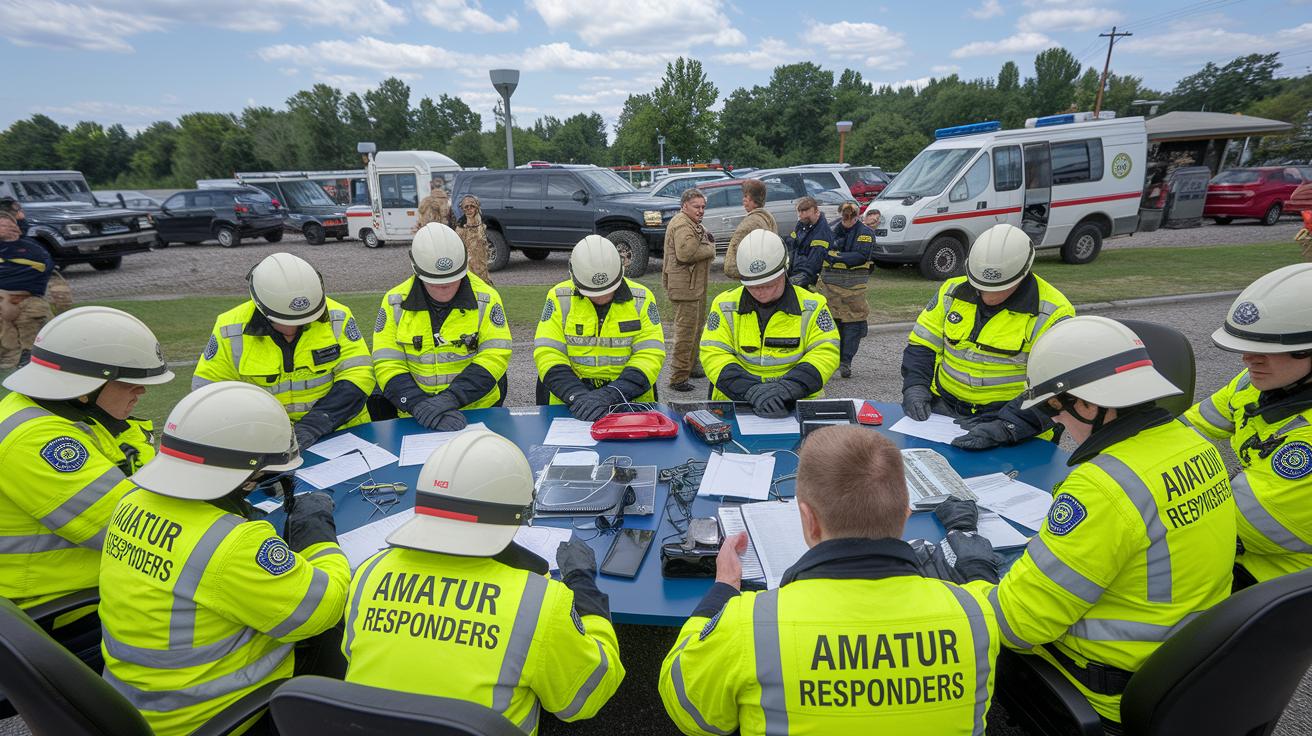
Using an Incident Command System (ICS) gives you a clear and safe way to handle emergencies quickly. Skilled emergency teams follow this standard plan so that everyone understands their role during a crisis.
| ICS Role | Primary Responsibilities |
|---|---|
| Incident Commander | Leads the whole team and directs resources |
| Operations Section Chief | Manages on-scene actions and follows the action plan |
| Planning Section Chief | Keeps track of the situation, resources, and records details |
| Logistics Section Chief | Handles support needs like supplies, facilities, and transport |
| Finance/Administration Chief | Tracks costs, time, and manages buying supplies |
| Public Information Officer | Communicates with the media and public to clear up rumors |
Working under one command helps different agencies work together smoothly. Every team follows clear role definitions and steps, which makes communication easier during a crisis. For example, the Incident Commander runs the overall operations and directs supplies. At the same time, the section chiefs in operations, planning, logistics, and finance take care of their own tasks. This clear guide cuts down on confusion and stops any one leader from being overloaded. Regular drills and training keep everyone sharp, even when things change fast. Local, state, and federal teams join forces under this clear system, share the same plan, and act quickly. This smart setup helps emergency teams make rapid choices and builds trust with the community.
Communication Strategies and Public Safety Protocols in Crisis Response
During a crisis, quick and clear alerts can save lives. You may get warnings by SMS, sirens, or social media. If one system fails, others will carry the message. Many communities set up backup radio networks and loudspeaker systems to spread warnings fast. For instance, a town might use texts and sirens together so everyone knows to seek shelter right away.
Inside the response team, staying connected is just as important. Secure reporting systems help responders share real-time updates while keeping data safe. Encrypted radio networks and mobile messaging apps allow the team to share key details as events unfold. This way, the right people get critical information on time. By linking these systems, emergency managers can work together, adjust plans as the situation changes, and always know what is happening.
Resource Management Protocols and Logistics for Rapid Response
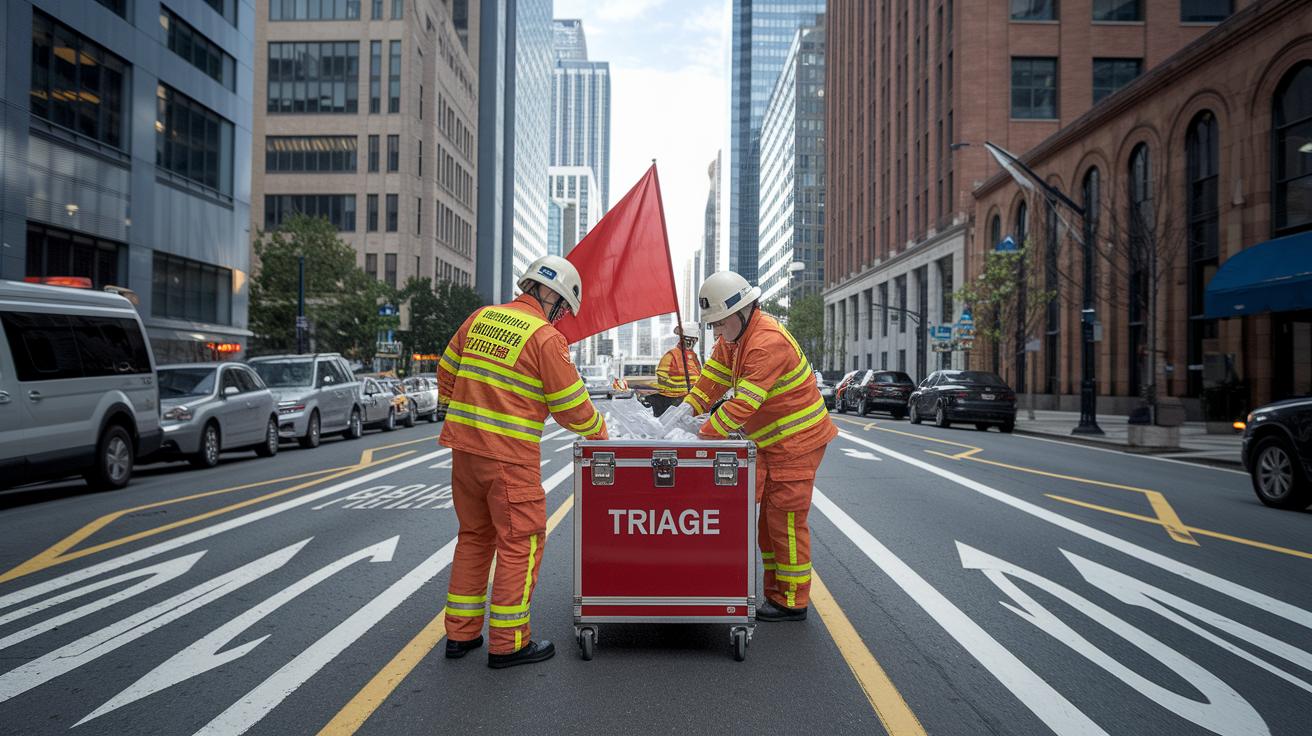
When every second counts, having essential supplies ready is key. Our plan keeps critical gear on hand so you get help fast.
Triage Box:
- Red flag: If supplies are urgently needed, know that our mobile teams can deploy nationwide within the same day.
- Urgent: Make sure to verify that cache locations and transport routes are clear.
- Basic: Stay updated on supply status with our resource tracking system.
We place resources in pre-selected locations to cut down on delays. Mobile response teams are prepped for quick action. Our just-in-time planning means field responses stay efficient during emergencies.
- Cache location mapping
- Transport coordination
- Resource tracking systems
- Mutual aid request processes
- Demobilization procedures
This coordinated approach makes sure you get the help you need rapidly and effectively during a crisis.
Disaster Recovery Operations and Business Continuity Solutions
After a disaster, clear steps can help you stay safe and get back on track quickly. First responders work in clear phases. They check for harm, secure the area, and set up safe, temporary shelters so you have a secure place to stay.
In these early steps, teams mark off safe zones, make sure basic supplies like food and water are available, and work with local helpers to run emergency shelters. Past work shows that focusing on housing right away cuts down on stress and downtime while long-term repairs are planned.
Businesses follow a similar plan to keep essential services running. They list their most important functions and gather key resources. Experts help assess critical systems like power, water, and communications so they can be restored swiftly. By strengthening important structures early, communities and companies can reduce disruptions and bring services back online faster.
Training, Simulation Exercises, and Certification for Emergency Management
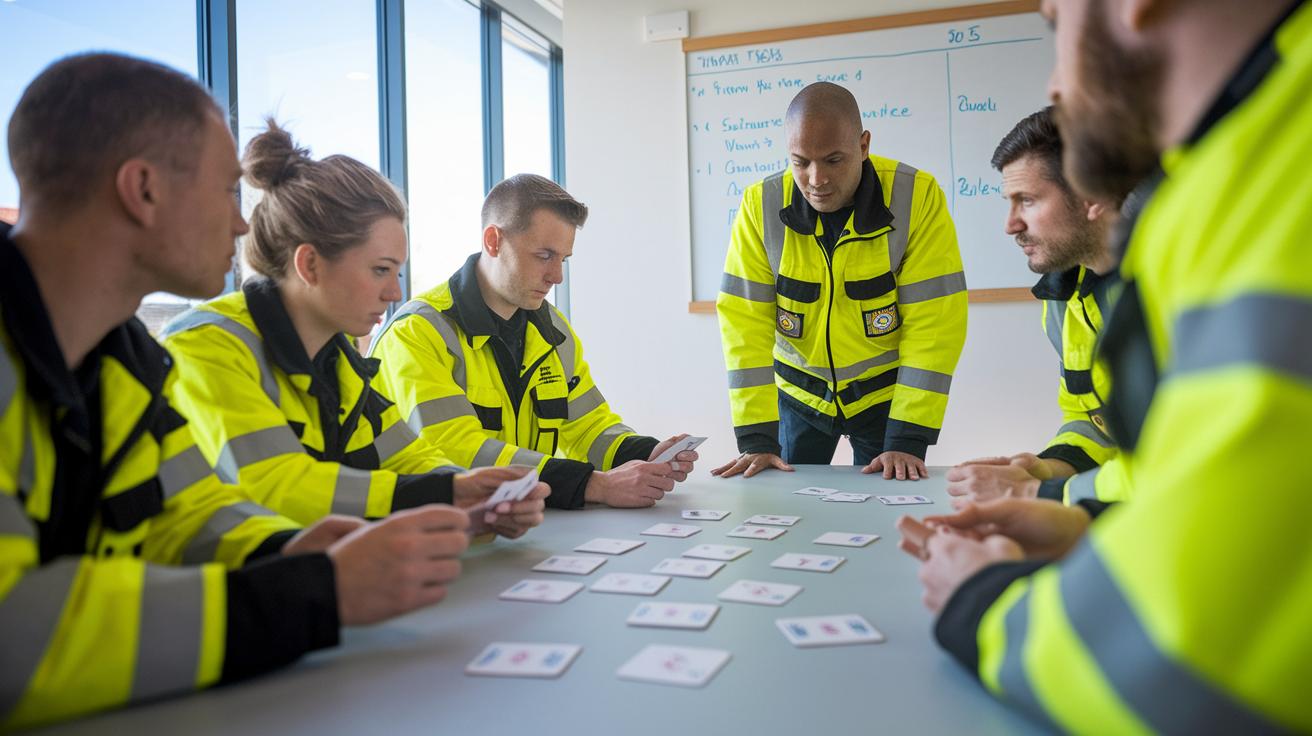
Quick Take: Regular drills and certifications keep your emergency team ready to act safely during a crisis.
If any team members struggle during a drill or you spot weak links in your response chain, act now by scheduling more practice sessions.
Rapid response drills are essential. Tabletop drills let your team discuss possible scenarios without moving around. Functional exercises test specific roles in a controlled, realistic setting. Full-scale simulations create hands-on environments that mimic real crises, so you can practice making tough decisions under pressure. For example, you might simulate a sudden power outage that disrupts communications, giving your team a chance to quickly switch to backup systems.
Certification steps add another key layer of readiness. Incident management training teaches practical skills for every part of a crisis. Certification programs, especially those approved by FEMA, validate your skills and keep you updated with the latest best practices. Events like the Annual Forum in Little Rock, Arkansas (October 19–22, 2026) and the Mid-Year Forum in Washington, DC (March 10–14, 2026) are great places to network, swap ideas, and learn emergency management updates. These opportunities boost your credentials and show that you’re prepared to handle any emergency safely.
Policy Frameworks, Funding Mechanisms, and Multi-Agency Coordination
Federal and state emergency policies lay the groundwork for a quick and organized disaster response. Grants like FEMA funding help you prepare for emergencies, while clear legal rules make resources available when you need them. Many states follow strict guidelines to stay ready. Mutual aid agreements, such as those under the Emergency Management Assistance Compact (EMAC), let states share resources, know-how, and staff during a crisis. These policies create clear financial and operational plans for both daily readiness and rapid action, aligning local, state, and federal efforts to keep you safe.
Many agencies work together as part of emergency management. Local teams join state and federal partners to ensure every group plays its role during an emergency. Interagency councils and mutual aid agreements connect first responders with other governmental groups. Even partnerships with agencies like the U.S. Department of Energy help manage grants and match policies across different levels of government. This teamwork sets up clear paths for communication and joint decision-making. When groups work under shared plans and agreements, they can send help fast and avoid duplicate work. This strong coordination improves readiness, speeds up responses, and helps protect your community in tough times.
Final Words
In the action, we explored how risk assessment, preparedness planning, and incident command work together to form a strong emergency management and response framework. We broke down hazard analysis, resource management, and recovery planning in clear, actionable steps.
You now have a quick guide to emergency protocols, training strategies, and policy coordination. With these insights, staying prepared and safe becomes a more manageable task. Stay positive and proactive in every crisis situation.
FAQ
What does “National emergency management and response emr” refer to?
The term “National emergency management and response emr” refers to a coordinated system that brings together federal, state, local, and private groups using effective communication, technology, and experienced professionals to manage emergencies.
What is emergency preparedness and response?
Emergency preparedness and response means planning and taking action to deal with emergencies. It involves risk assessment, coordinated incident command, resource allocation, and recovery steps to protect lives and property.
What are the job opportunities at National Emergency Management and Response?
Job opportunities include roles in incident command, planning, logistics, operations, and communications where professionals work to coordinate and implement emergency response measures effectively.
What are some emergency response examples?
Emergency response examples include coordinated evacuations during natural disasters, rapid multi-agency actions during floods or fires, and organized recovery efforts after crises to restore community functions.
What are the best emergency management masters programs?
The best emergency management masters programs provide both theoretical learning and practical skills. They prepare graduates for leadership roles in managing emergencies at local, state, and national levels.
What does FEMA Emergency Management Institute provide?
FEMA Emergency Management Institute offers training courses, workshops, and certification programs that help public safety professionals build skills in emergency planning, incident command, and overall crisis management.
What is Emergency Management certification?
Emergency Management certification is a recognized credential that verifies a professional’s expertise in planning, responding to, and recovering from emergencies by meeting specific training and experience standards.
What is FEMA Emergency Management certification?
FEMA Emergency Management certification is a specialized credential awarded by FEMA. It confirms that a professional has completed rigorous training modules and demonstrated practical skills in emergency response and planning.
What is emergency management and response?
Emergency management and response is the coordinated effort among various agencies to prepare for, respond to, and recover from emergencies by assessing risks, organizing incident command systems, and protecting public safety.
What are the four elements of EPP?
The four elements of emergency preparedness and planning (EPP) include threat assessment, comprehensive planning, ongoing training, and simulation exercises—all working together to ensure a swift and effective crisis response.
What are the 5 functions of EOC?
The 5 functions of an Emergency Operations Center (EOC) are command, planning, operations, logistics, and finance/administration, each essential for coordinating and managing emergency response efforts.
What are the 3 C’s of emergency response?
The 3 C’s of emergency response stand for coordination, communication, and control. These principles ensure that all responders work together efficiently to manage and resolve crisis situations.