


Quick take: Chest tightness can mean something more than a pulled muscle or stress, it might be a sign related to your heart, lungs, or digestion.
If you have severe chest pressure, difficulty breathing, or feel faint, call emergency services now.
Sometimes you might feel a deep, heavy pressure just below your collarbone. This isn’t always from a muscle strain or stress. It can also be linked to problems with your heart (the pump that moves blood), your lungs (the organs that help you breathe), or your digestive system (which turns food into energy).
This guide outlines the clear signs to watch for and explains why your symptoms deserve careful attention. Read on to understand when you should act right away and how to stay safe.
Decoding Tightness in Upper Chest: Causes & Urgency
Quick take: Chest tightness can come from muscle strain, anxiety, heart, lung, or digestive issues.
If you have these signs, call emergency services now:
- Pain spreading to your arm or jaw
- Profuse sweating
- Nausea or dizziness
- An irregular heartbeat
If your symptoms get worse or red flags appear, seek urgent care immediately.
Many reasons can cause chest tightness. One common cause is muscle strain from hard work or injury. This can affect the muscles between your ribs or cause costochondritis (inflammation of the cartilage linking the ribs to the breastbone). A rib fracture from trauma may also create a heavy pressure near the collarbone and breast area, and it usually takes 1–2 months to heal.
Anxiety or panic attacks can also make your chest feel tight. When you’re anxious, your body kicks into fight-or-flight mode. Your heart beats faster and your muscles tighten. This reaction can feel similar to the pressure near your heart. While resting, warm compresses, and keeping an eye on your symptoms may help, ongoing discomfort needs a doctor’s review.
Heart problems, such as angina or a heart attack, are serious. These conditions often cause red flag symptoms like pain that spreads, sweating, nausea, and lightheadedness. Other cardiac issues, or lung problems like pneumonia or a pulmonary embolism, can also bring on severe chest pressure.
Digestive problems, including acid reflux (GERD) or a hiatal hernia, might trigger burning sensations and tightness above the breastbone.
What you can do:
- Rest and note when your symptoms happen.
- Use a warm compress to ease muscle pain.
- Track any symptoms that spread or worsen.
- Contact your doctor right away if red flag signs show up.
Keeping a simple diary with the date, time, and details of your symptoms can help your clinician decide the best next steps for you.
Reviewed by: [Clinician's Name], [Specialty] Last Reviewed: [Date]
Musculoskeletal Sources of Tightness in Upper Chest
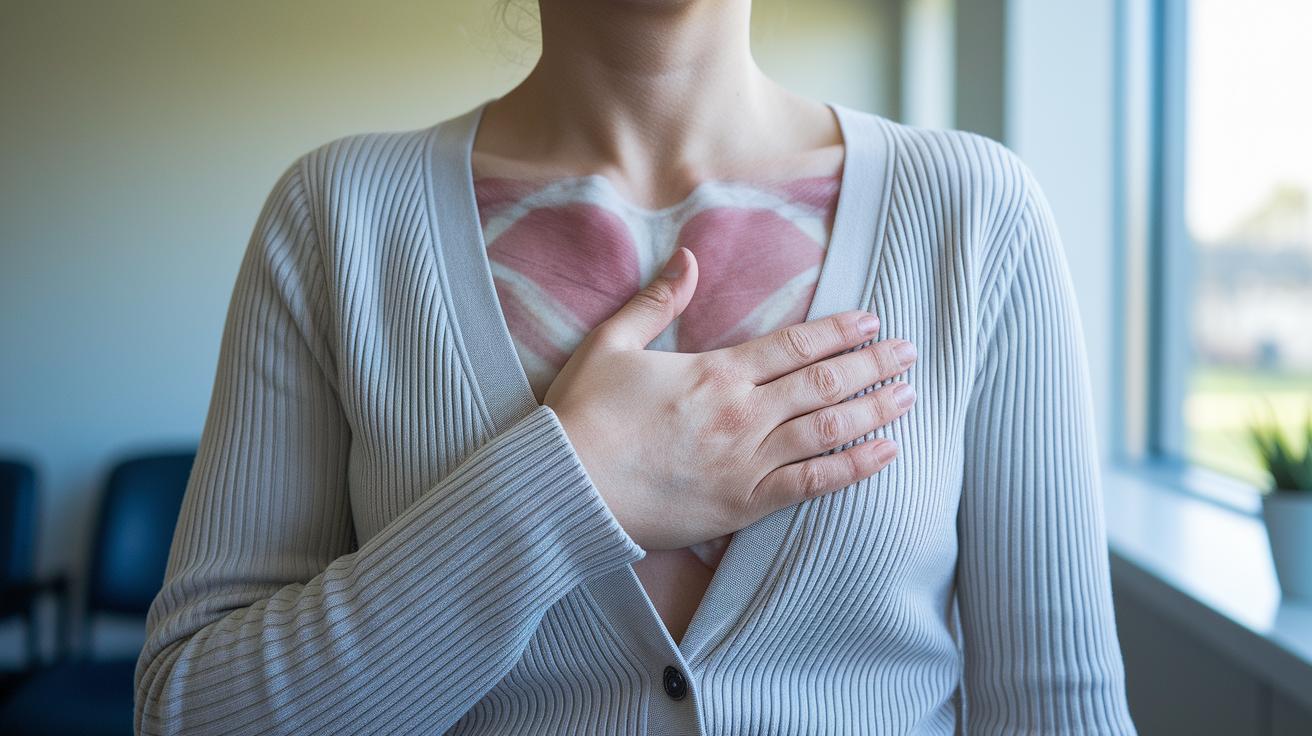
This section explains common muscle and bone issues that can cause tightness in your upper chest. Overuse or injury can strain your muscles (the tissues that help you move), leading to pain. In fact, muscle strains may cause chest pain in 21–49% of cases. You might feel a band of tightness that worsens with deep breaths or movement, much like the sharp pull you feel with a pulled muscle.
Costochondritis happens when the cartilage linking your ribs to your breastbone gets inflamed. This results in a sharp, focused pain that often starts after repeated movements or minor knocks. Similarly, slight rib injuries or too much stretching can inflame the rib area, causing a localized ache that is unlike heart pain.
Rib fractures, which usually occur from a hard hit or fall, bring on a strong, constant pain near the breastbone and need 1–2 months to heal. Poor posture or neck strain also can send pain to the chest area, imitating the pain pattern of intercostal muscle strain.
| Condition | Description |
|---|---|
| Muscle Strain | Overuse or injury leads to tight, pulling pain; affects 21–49% of intercostal muscles |
| Costochondritis | Inflammation of rib cartilage; causes sharp, focused pain after repeated movements or minor injuries |
| Rib Fracture | Severe pain from blunt trauma; usually heals in 1–2 months |
| Neck-Strain | Poor posture or stress in the neck can radiate pain to the chest, resembling muscle strain |
Anxiety’s Role in Upper Chest Constriction
Quick take: Chest tightness from anxiety is usually muscle strain from your body’s fight-or-flight reaction, not heart pain.
If you have any of these emergency signs, call emergency services immediately (911 in the US):
• Severe chest pain that spreads to your arm or jaw.
• Shortness of breath that worsens or does not improve.
• A new, intense pressure in your chest that you haven't experienced before.
When anxiety takes over, your body prepares for fight or flight. This reaction causes your chest and throat muscles to tighten fast. You may notice a racing heart, shallow breathing, sweating, and trembling. This muscle tightening can make your upper chest feel heavy, sometimes leading people to worry it’s heart pain.
More than 40 million Americans deal with anxiety-related chest pressure each year. Unlike true heart pain, anxiety pressure stays in the upper chest and usually does not extend to the arm or jaw. It often comes with a quick heartbeat that slows as your anxiety eases.
If you feel a sudden squeeze in your chest during a stressful moment, know that it is your body's response to stress. Try simple steps like deep breaths and relaxation techniques to help ease the tension. Keep track of your symptoms and share any concerns with your clinician if they persist.
Recognizing Cardiac Conditions in Upper Chest Tightness
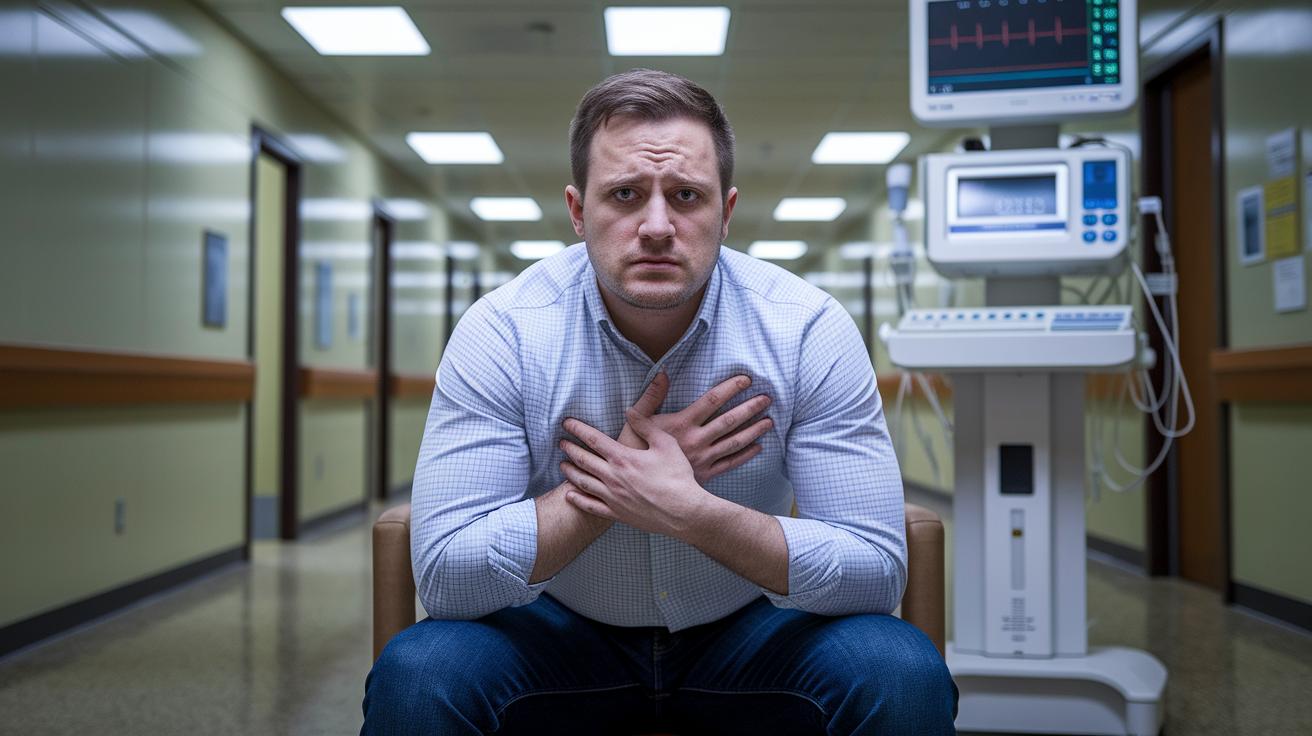
Chest tightness by your heart may be a warning sign. It can come from angina (chest pain when active) or even a heart attack (a sudden blockage that causes strong pressure). Plaque buildup in the arteries can slow your blood flow. Other heart issues, like a thickened heart muscle, inflammation around the heart, or a tear in a coronary artery, can feel similar.
If you have any of these signs, call emergency services right away:
- Pain that spreads to your left arm or jaw
- Sweating more than usual
- Nausea or vomiting along with the tightness
- Dizziness or a fainting spell
- A new, fast, or uneven heartbeat
Noticing these signs can help you get life-saving care quickly.
Digestive and Respiratory Triggers of Upper Chest Tightness
Quick take: Stomach acid and breathing problems can make your upper chest feel tight.
Triage:
Red flags:
- Sudden severe chest pain
- Trouble breathing or shortness of breath
- Sharp pain when you breathe in deeply
If you see these, call emergency services now.
Urgent:
- Increasing pain after eating or using your inhaler
Watch and self-manage:
- Adjust your posture after meals
- Avoid foods that trigger acid reflux
GERD (gastroesophageal reflux disease) happens when stomach acid irritates your food pipe (esophagus), causing a burning, tight feeling in the chest. This can get worse if you have a hiatal hernia (when part of your stomach pushes through the diaphragm, the muscle that separates your chest from your stomach). For example, eating a big meal might make the pain worse unless you sit up straight.
Asthma can also narrow the airways. Inflammation and extra mucus may make your chest feel tight and cause wheezing. Pneumonia, an infection in the lungs, can lead to chest tightness too. It causes swelling or fluid buildup in the lung air sacs, which can hurt when you take a deep breath.
Try these steps to ease your symptoms:
- Sit upright after meals to lessen reflux.
- Avoid heavy or spicy foods that can trigger heartburn.
- Use your inhaler as prescribed when asthma flares up.
- Breathe slowly and deeply to help reduce chest tightness.
These simple changes can help ease your discomfort until you can talk to a healthcare professional.
Diagnostic Approaches for Persistent Upper Chest Tightness

Quick take: Constant pressure in your upper chest may come from muscle issues, heart stress, lung problems, or digestive trouble.
If you have any of these emergency signs, call emergency services now:
- Severe, crushing pain in your chest
- Trouble breathing or shortness of breath
- Fainting or feeling very lightheaded
- A rapid heartbeat (over 100 beats per minute)
Your doctor will start by asking about your history. They want to know when you first felt the pressure, how long it lasts, and what brings it on. This helps decide if the tightness is from a muscle strain, a heart issue, breathing problems, or even something with your digestion.
Next, a physical exam is done. Your doctor might order an electrocardiogram (ECG) to check your heart and blood tests to look for enzymes that signal heart stress. Chest X-rays or CT scans can show lung issues, and if your doctor thinks your esophagus (the tube from your throat to your stomach) might be involved, they may suggest an endoscopy.
It helps a lot to keep a simple diary of your symptoms. Write down the time you feel the pressure, how bad it is, and what you were doing. This record can give your doctor useful clues and guide further tests if needed. Keep your notes on paper or on your phone, and share them at every visit.
Self-Care Techniques for Upper Chest Tightness Relief
Quick Take: Simple steps at home may ease chest tightness while you monitor your symptoms.
Triage:
- Call emergency services now if you have severe chest pain, trouble breathing, or if the pain spreads to your arm or jaw.
- Seek urgent care if the tightness worsens or does not improve within 30 minutes.
- Otherwise, try these home care steps while keeping an eye on your symptoms.
When your upper chest feels tight, you can use a few easy methods to help ease the discomfort until you see a clinician. First, try deep belly breathing (diaphragmatic breathing). Breathe slowly, inhale through your nose and exhale through your mouth, letting your belly rise and fall. This simple exercise can calm your muscles and create a sense of relaxation.
Here are six practical ways to help:
- Breathe slowly using deep belly breaths.
- Do gentle stretches for your chest and shoulders to release tension.
- Massage the muscles between your ribs (intercostal muscles) to loosen tight spots.
- Apply a warm pack to your chest to ease stiffness and relax your muscles.
- Use a cold compress on any swollen or inflamed areas to help reduce swelling.
- Try relaxing methods like guided imagery, yoga, or progressive muscle relaxation to lower stress and muscle tension.
You can repeat these steps throughout the day when you notice tightness. Over-the-counter pain relievers such as NSAIDs (like ibuprofen) may help reduce swelling in mild cases. Gentle exercises like Pilates can also support better breathing and comfort. Keeping a daily diary of your symptoms can give useful details for your clinician if your discomfort continues.
Preventing Recurring Tightness in Upper Chest & When to Seek Help

Quick take: Follow simple daily steps and watch for warning signs.
If you experience chest tightness with exercise, fainting (syncope), or severe nausea, seek help right away.
Here are some easy steps to support your muscle comfort:
- Sit and stand with good posture.
- Practice deep belly breathing (diaphragmatic breathing) in the morning and before bed.
- Drink water regularly to help your muscles work correctly.
- Keep a steady sleep schedule so your body can rest and recover.
- Lower stress with mindfulness or meditation.
- Record your symptoms daily, noting the time, how strong the discomfort is, and what you think triggered it.
- Avoid foods or activities that seem to cause or worsen the tight feeling.
Stay alert and remember: if these warning signs occur, act now and get medical advice immediately.
Final Words
In the action of identifying causes and quick steps, we reviewed how muscle strain, emotional stress, and cardiac issues may cause tightness in upper chest.
You learned to spot red flags, track your symptoms, and use practical self-care tips until professional care is needed.
This guide gives you clear steps to manage discomfort and decide when to seek help.
Stay informed and watchful, knowing that small lifestyle changes and prompt actions can improve your overall ease and well-being.
FAQ
How to relieve chest tightness?
The method to relieve chest tightness involves deep breathing, gentle stretches, warm compresses, and rest. These self-care steps help ease the sensation when it appears without severe accompanying symptoms.
What causes chest pain in a woman?
The explanation for chest pain in a woman includes factors like musculoskeletal strain, anxiety, acid reflux, and in rare instances, heart issues. The location in the middle of the chest often guides the need for further evaluation.
How to relieve chest tightness from anxiety?
The approach to relieving anxiety-related chest tightness includes deep diaphragmatic breathing, gentle relaxation techniques, and managing stress. These steps help calm the body and reduce the muscle tension created by anxiety.
What does tightness in the upper chest mean, especially when it feels heavy or unusual without pain?
The definition of tightness in the upper chest may point to muscle strain, anxiety, digestive reflux, or infrequent cardiac issues. This heavy or odd sensation should be monitored, noting any additional red flags.
When should I worry about chest tightness or pressure at the top of my chest?
The criteria for concern include chest tightness with red flags like pain spreading to the arm, sweating, nausea, or shortness of breath. In these cases, seeking urgent medical attention is necessary.