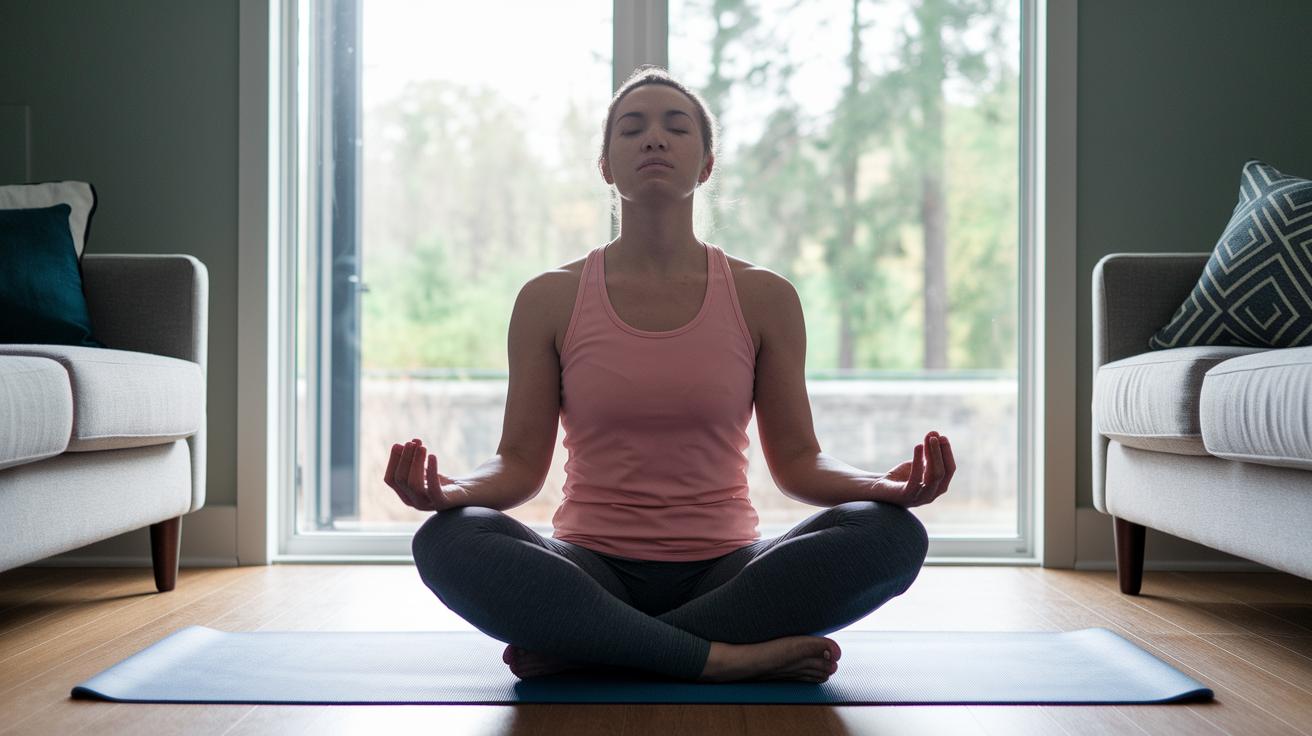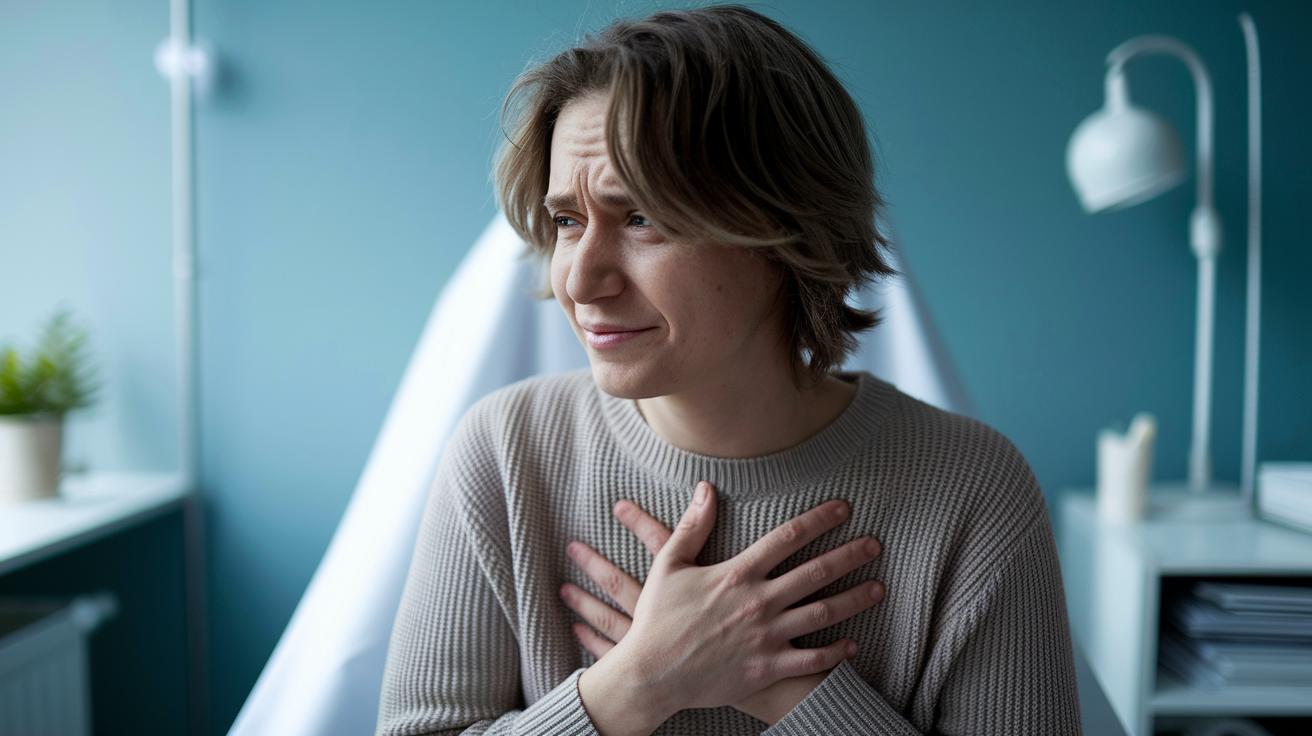
Quick take: Chest pressure may signal stress or a heart or lung issue, so take note of any changes.
Have you felt a constant, heavy pressure in your chest that never goes away? It can feel like a tight band squeezing you, which is both confusing and worrisome. Sometimes, stress or anxiety can cause this feeling. But it might also be a sign of a heart or lung problem.
If you experience severe pain, shortness of breath, or feel faint, call emergency services right away.
This guide breaks down common reasons for chest tightness and gives you clear steps on what to watch for and when to seek help. Knowing why you feel this way can help you feel more in control of your health.
Understanding Constant Chest Tightness: Symptoms, Severity & When to Seek Help
Quick take: Chest tightness can be a sign of a heart, lung, or stress issue. Check for warning signs right away.
If you have any of these emergency signs, call emergency services now:
- Pain spreading to your arm, jaw, or back
- Sudden chest tightness with heavy sweating or dizziness
- Severe chest pressure with shortness of breath
Chest tightness may feel like a heavy weight or a tight band squeezing your chest. This sensation can come and go or stick around for several days. It may be linked to anxiety. When you are stressed, your body goes into fight-or-flight mode (a stress response), which speeds up your heart and tightens your chest muscles.
If you notice the pain lasting more than a few days, seek medical care so that a doctor can rule out any serious issues.
Here is a simple checklist to track your symptoms:
| Date/Time | Duration | Severity | Other Signs |
|---|---|---|---|
| When it started | How long it lasted | Mild, moderate, or severe | Any extra signs like sweating or shortness of breath |
Write down these details before you see a clinician. This helps your healthcare provider understand your situation better. If you are ever in doubt, act now and contact your doctor for advice.
Cardiac Conditions Behind Persistent Chest Heaviness
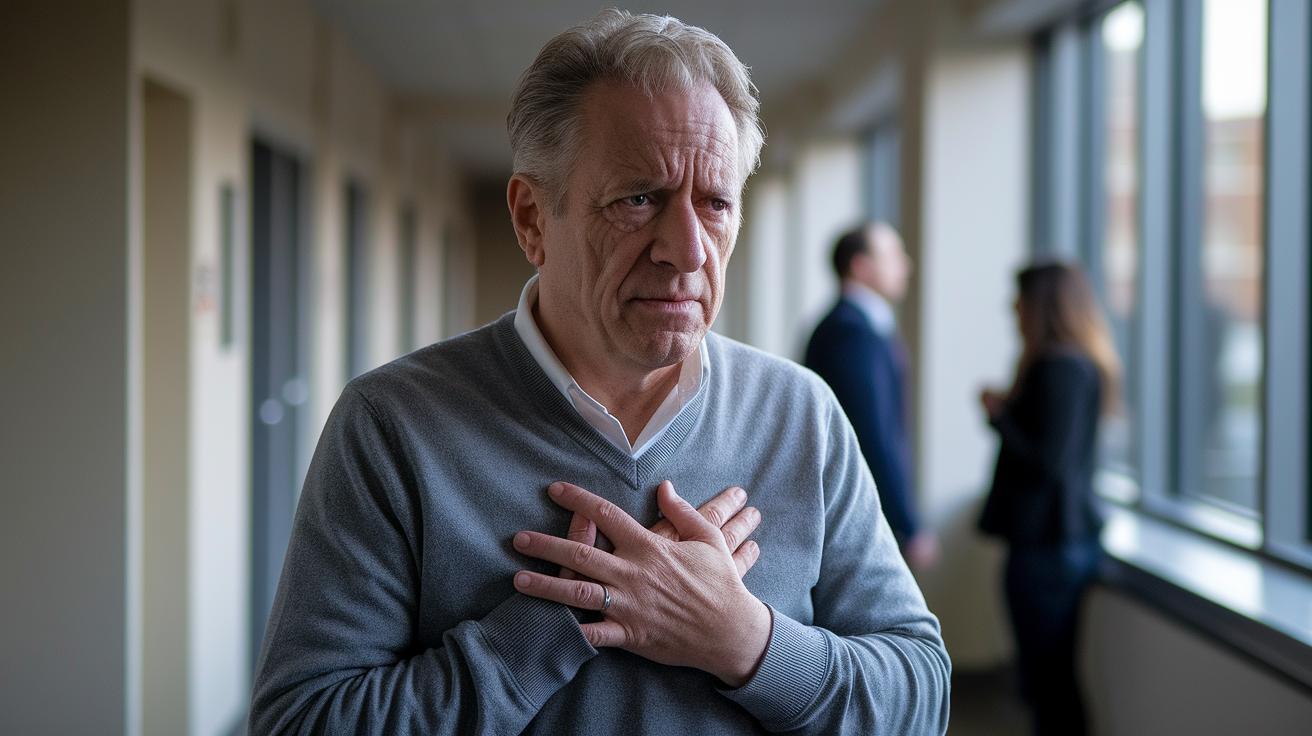
Quick Take: Chest tightness may be angina, but if you have crushing pain or pain that spreads, act fast.
Triage Instructions:
- Call emergency services now if you have crushing chest pain that lasts long or spreads to your arm, jaw, or back.
- Seek immediate help if you experience sweating, nausea, or feel very lightheaded.
- If your chest pressure comes with shortness of breath and does not lessen with rest, get urgent care.
Angina happens when your heart does not get enough blood and oxygen. You might feel a steady pressure or tightness that comes with activity or stress and eases when you rest. It can feel like carrying a heavy weight on your chest during exertion.
A heart attack is more serious. You may feel an overwhelming, crushing pressure that lasts longer and spreads to your arm, jaw, or back. Extra signs like sweating, nausea, or feeling lightheaded mean that you need to call emergency services right away.
Risk factors can increase your chances. High blood pressure, diabetes, smoking, and a family history of heart disease can raise your risk for both angina and a heart attack. Women may feel discomfort differently; sometimes it shows up in the center of the chest, the jaw, or even the back instead of the classic crushing pain.
Watch your chest discomfort closely. If the pain gets worse quickly, does not ease with rest, or comes with signs like shortness of breath, act now and seek urgent medical care.
Respiratory and Gastrointestinal Contributors to Chest Pressure
Quick take: Lung and stomach issues can cause chest pressure, but some symptoms need urgent care.
If you have any of these emergency signs, call emergency services now:
- Sudden, sharp chest pain
- Trouble breathing
Asthma and COPD (a lung condition that makes breathing hard) can tighten your airways. This can make your chest feel heavy and squeezed, especially after exercise or during an asthma flare-up. You might also notice wheezing. In these moments, rest and use your inhaler if you have one.
Acid reflux (heartburn, when stomach acid irritates your esophagus) can also result in chest pressure. You may feel a burning or squeezing sensation after meals, particularly following spicy or fatty foods. This discomfort usually builds slowly and may ease with time or an antacid.
A pulmonary embolism is less common but very serious. If you suddenly feel a sharp pain with trouble breathing, act now and call for help immediately.
Costochondritis, which is inflammation of the rib cartilage, can mimic chest pain. The pain may get worse when you touch or move your chest. It can help to note when the pain occurs and discuss these patterns with your doctor.
Anxiety, Stress and Musculoskeletal Origins of Chest Discomfort

Quick take: Stress and muscle strain can make your chest feel tight, but these signs are usually not from a heart problem.
Triage Box:
- Call emergency services now if you have:
- Chest pain that feels like pressure or radiates to your arm or jaw
- Trouble breathing or severe shortness of breath
- Sudden, intense symptoms with confusion or fainting
- Seek urgent care if:
- The pain worsens quickly or lasts longer than a few minutes
- You have a rapid heartbeat along with sweating and severe discomfort
- Monitor and record if:
- The pain comes and goes
- It feels sharp, heavy, or like muscle soreness when you move or breathe deeply
When anxiety hits hard, your body gets ready for action. Your heartbeat speeds up and your breathing quickens. This natural fight or flight response can make your chest muscles tighten, causing a heavy, constricted feeling. You might notice this during a stressful meeting, and though it can feel alarming, it isn’t a sign of a heart attack.
Panic attacks can make these feelings even stronger. Along with a fast heartbeat, you may sweat and feel a tight band around your chest. These signs can mimic a heart attack, but they are usually due to overwhelming anxiety. If you notice these symptoms together, it’s a sign that anxiety is taking over.
Muscle and bone issues around your chest can also cause pain. For example, costochondritis (inflammation in the cartilage connecting your ribs to your breastbone) can cause a sharp pain that you can feel when you press on your chest or change positions. Similarly, muscle strain from heavy exercise or stress can trigger pain that gets worse with movement or deep breathing.
Here’s a simple checklist to help you track your symptoms:
- Note when the pain starts.
- Record any actions or movements that make the discomfort worse.
- Write down if the pain feels sharp or like muscle soreness rather than pressure.
Try using deep breathing or mindfulness exercises during these episodes. Tracking your symptoms can show that stress or muscle strain is likely the cause. If your chest pain continues for a few days or gets worse, it’s important to follow up with a healthcare provider.
Diagnostic Tests and Evaluation for Chronic Chest Tightness
Your doctor may order several tests to find out why your chest feels tight. They might start with an EKG (electrocardiogram), which checks your heart’s electrical signals for irregular beats or signs that your heart isn’t getting enough oxygen.
Next, a stress test is common. This test shows how your heart works during exercise and can reveal if your chest tightness begins or worsens when you move. A chest X-ray is also used to view your lungs and chest structure to rule out issues like lung congestion.
Other tests include blood work that measures heart markers such as troponin. High troponin levels can signal heart muscle injury. If asthma or COPD (chronic obstructive pulmonary disease) is a concern, pulmonary function tests will check how well your lungs move air. And if you experience heartburn, an endoscopy might be done to look inside your esophagus (the tube between your mouth and stomach) to rule out digestive problems.
| Test | Purpose |
|---|---|
| EKG | Checks heart rhythm and blood flow |
| Stress Test |
Effective Relief Methods and Home Care for Constant Chest Tightness
Quick take: Deep breathing and muscle relaxation may ease chest tightness. Try slow, deep breathing to help your body relax and lessen chest pressure. Breathe in slowly through your nose for 4 seconds, hold your breath for 4 seconds, then exhale gently through your mouth for 4 seconds. This simple exercise may ease tightness. Use muscle relaxation and mindfulness when you feel discomfort. These techniques lower muscle tension that can make the tight feeling worse. Start by focusing on your hands, then gradually move upward and relax each muscle group. Here are some home care tips you can try:
Changing your habits can also help. Sit and stand with good posture to reduce strain on your chest. If your tightness keeps coming back or gets worse, talk with a healthcare provider soon. Final WordsIn the action, we explored how constant chest tightness may signal heart, lung, or anxiety issues. We took a close look at red flags like pain spreading to the arm or jaw and breathing difficulties that need quick care. We also covered useful home remedies and tests that help sharpen the next steps. Keep calm and use these clear steps to track changes. Stay empowered, knowing you have practical tips to guide you toward safer relief and a better day ahead. FAQHow do you relieve chest tightness and chest tightness anxiety?The relief methods for chest tightness and anxiety include deep breathing, muscle relaxation, and mindfulness exercises. Using these techniques may ease pressure and help calm your heart rate while you monitor for any worsening symptoms. What causes chest tightness even when no other symptoms occur and why might my chest feel heavy or tight all the time?Chest tightness with few other signs can stem from anxiety, muscle strain, mild reflux, or subtle heart and lung issues. It’s key to note any new or worsening signs and consult a clinician if needed. What causes chest pain in women, especially pain in the middle of the chest?Chest pain in women can result from heart conditions—like angina—or non-cardiac issues such as acid reflux, anxiety, or musculoskeletal strain. Women sometimes feel heart-related pain differently, including mid-chest or radiating discomfort. When should you be concerned about chest tightness?You should be concerned if the chest tightness is severe, lasts more than a few days, or comes with signs like pain radiating to the arm or jaw, shortness of breath, or sweating. In such cases, seek immediate medical care. How can you tell if chest pain is related to the heart or the lungs?Heart-related pain often feels like pressure that may radiate to the arm or jaw, while lung-related pain usually worsens with deep breaths or coughing. A timely medical evaluation is essential for an accurate diagnosis. Subscribe Today GET EXCLUSIVE FULL ACCESS TO PREMIUM CONTENT SUPPORT NONPROFIT JOURNALISM EXPERT ANALYSIS OF AND EMERGING TRENDS IN CHILD WELFARE AND JUVENILE JUSTICE TOPICAL VIDEO WEBINARS Get unlimited access to our EXCLUSIVE Content and our archive of subscriber stories. Latest article |