


Quick Take: Chest tightness can come from stress, but it can also signal heart or lung issues.
If you notice any of these emergency signs, call emergency services now:
• Severe, crushing chest pain
• Trouble breathing or shortness of breath
• Pain that spreads to your arm, jaw, or back
If you feel very dizzy, faint, or the discomfort rapidly worsens, seek urgent medical care. For milder discomfort, monitor your symptoms closely and note any changes.
Many people feel a tight squeeze in their chest. It might just be stress, but it can sometimes point to something more serious with your heart or lungs. Keeping track of your symptoms can help you decide when it’s time to get help. Your health matters, so be sure to act if you notice red flags.
Overview of Tightness in Middle of Chest
Quick take: Chest tightness can come from different issues. Check for red flags and get help if needed.
If you have any of these emergency signs, call emergency services now:
• Severe pain spreading to the left arm or jaw
• Trouble breathing or sudden shortness of breath
• Nausea with intense sweating
• Feeling faint or dizzy
Common causes include heart, lung, digestive, muscle issues, or anxiety.
Heart problems can make your chest feel tight. A heart attack may cause sudden pressure that spreads to the left arm or jaw and comes with nausea, sweating, and shortness of breath. Other heart issues like angina (chest pain from reduced blood flow) and myocarditis (inflammation of the heart muscle) can do the same.
Lung conditions may also cause a tight chest. Pneumonia and a pulmonary embolism (a blood clot in a lung artery) often come with cough or trouble breathing. High blood pressure in the lung arteries (pulmonary hypertension) works similarly.
Digestive problems, such as GERD, may cause burning heartburn behind the breastbone. Lying down can sometimes make it worse. Esophageal spasms can also create a squeezing feeling.
Muscle or bone injuries might be the reason. Inflammation of the chest wall (costochondritis), a strained muscle from heavy lifting, or a broken rib can lead to pain in a certain spot.
Anxiety and panic attacks can feel much like these other conditions, with sudden chest tightness, a racing heart, and shallow breathing.
By keeping track of your symptoms and knowing when to seek help, you can feel more secure in managing your chest tightness. If your symptoms worsen or you notice any red flags, please act now and get medical help.
Differentiating Cardiac vs Noncardiac Middle Chest Tightness
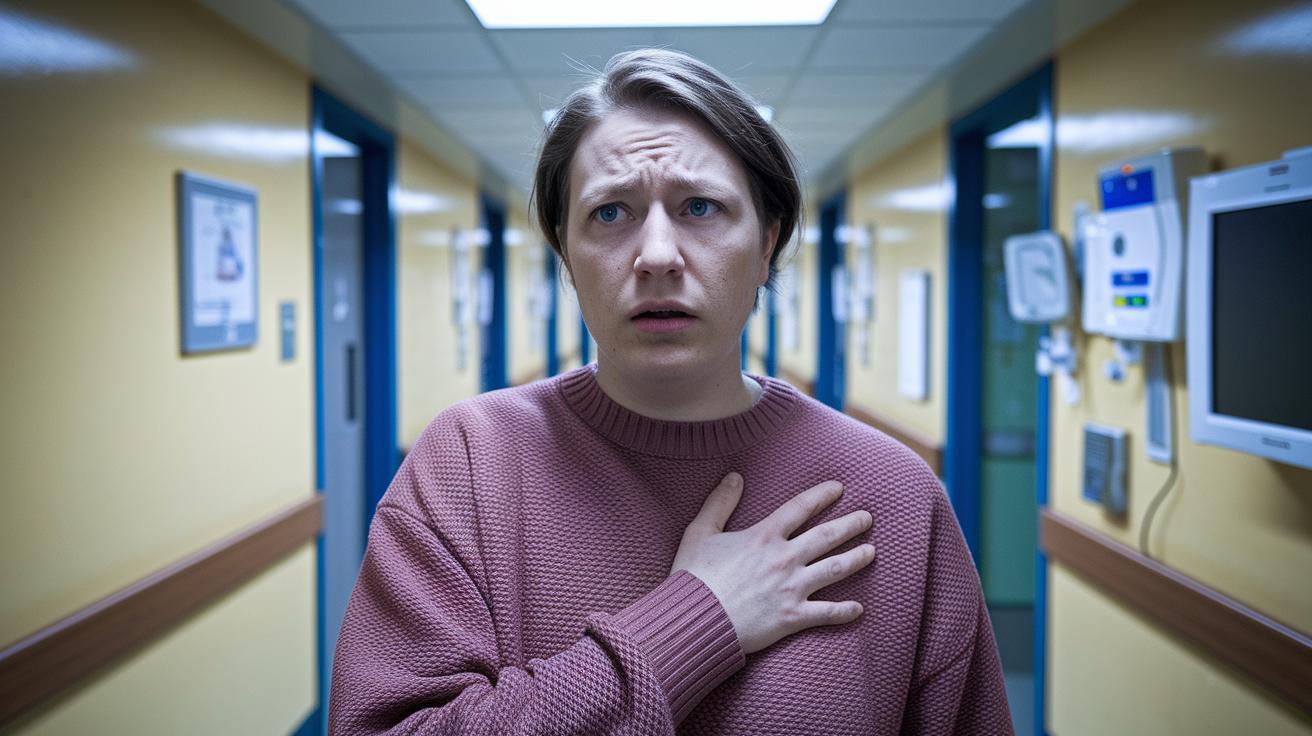
Quick take: Chest tightness can be a heart warning or a sign of something else. Check your symptoms carefully.
If you have any of these emergency signs, call emergency services now:
• Sudden tightness that feels like a sharp, unrelenting pressure.
• Pain that spreads to your left arm or jaw.
• Nausea, sweating, or you feel very short of breath.
• Lightheadedness along with chest pressure.
For less urgent cases, note these patterns:
• If you feel a burning pain after meals, it could be acid reflux.
• If touching your sternum (breastbone) brings on the pain, think of costochondritis (inflammation of the rib cartilage).
• A sharp pain when taking a deep breath might point to pleuritis (inflammation of the lung lining).
| Indicator | Cardiac | Noncardiac |
|---|---|---|
| Onset | Sudden | Slower or triggered by eating/movement |
| Pain Radiation | Spreads to left arm or jaw | Usually stays in one spot and comes back if pressed |
| Other Symptoms | Nausea, sweating, shortness of breath | Burning sensation or pain with a deep breath |
Doctors may run tests like an EKG, troponin blood tests, chest X-ray or CT scan, and an echocardiogram to check if the heart is the cause or if something else is behind your pain.
Common Musculoskeletal and Respiratory Causes of Chest Tightness
Quick take: Your chest tightness might come from muscle, bone, or lung issues. Check your symptoms, and act if they get worse.
If you notice any of these red flags, call emergency services now:
- Severe, sharp pain with trouble breathing.
- Pain that comes with high fever, cough, or dizziness.
- Worsening pain that stops you from moving normally.
Costochondritis is when the cartilage linking your ribs to your breastbone gets swollen and sore. If you press on that spot and feel a burning or sharp pain, it could be costochondritis.
Intercostal muscle strain usually happens after heavy lifting or sudden exercise. This strain causes the muscles between your ribs to spasm, making it painful when you move. The pain can stick around for weeks.
A rib fracture gives you a sharp, focused pain in one spot. Even though it hurts a lot at first, the pain usually starts to get better over 4 to 8 weeks as your rib heals.
Sometimes, your chest tightness might be due to lung problems. Inflammation of the lung lining (pleuritis) or a lung infection (pneumonia) can lead to chest pressure, cough, and fever. Conditions such as asthma and pulmonary hypertension (high blood pressure in the lungs) make your airways narrow, which can cause your chest to feel tight and even make you feel dizzy.
Digestive and Gastrointestinal Triggers of Middle Chest Tightness
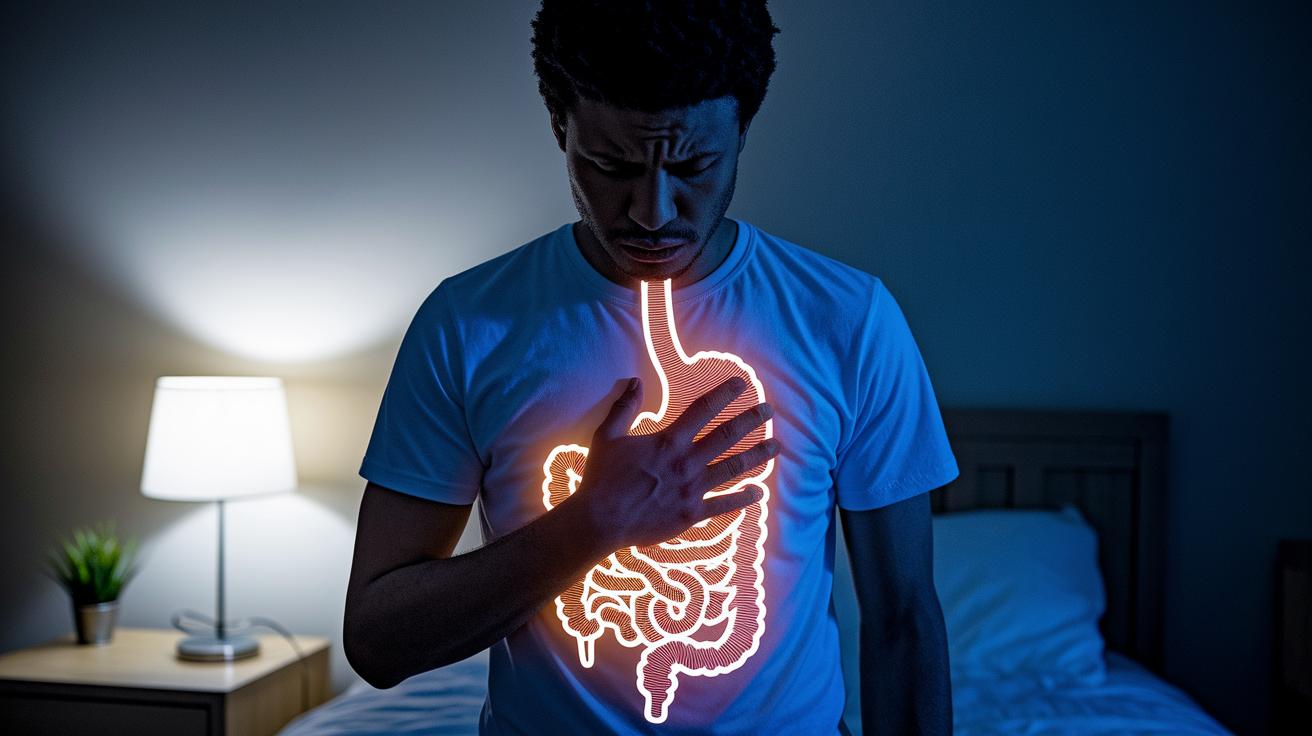
Digestive problems may give you a tight, heavy feeling in the middle of your chest. Heartburn happens when stomach acid moves up into the esophagus (the tube between your mouth and stomach), causing a burning pain behind your breastbone. This burning pain often worsens when you lie down at night, which is a well-known sign of acid reflux.
GERD (gastroesophageal reflux disease) occurs when acid backs up many times, leading to ongoing chest pressure and a sour taste from regurgitated food. Sometimes, a hiatal hernia or sudden esophageal muscle spasms can create chest pain that feels similar to heart-related pain. For example, after eating a heavy or spicy meal, you might feel a tight, squeezing sensation that some describe as “like a vise tightening around my chest.”
To ease these symptoms, you can try over-the-counter antacids, famotidine, or omeprazole. Adjusting your meal schedule, such as avoiding late-night snacks and skipping foods that tend to trigger symptoms, can also help. Track your symptoms by keeping a diary of when they occur and what you eat, then share this information with your doctor for further guidance.
Anxiety and Panic-Related Tightness in Middle of Chest
Quick Take: Anxiety can cause your chest to feel tight, your heartbeat to race, and your breathing to quicken.
Triage Box:
• If you have chest pain that lasts or spreads, call emergency services immediately.
• If you feel severe shortness of breath or your symptoms worsen quickly, seek urgent medical care.
• For mild episodes, try self-care and track your symptoms.
When you suddenly feel your chest tighten, notice a fast heartbeat, or sense shortness of breath, it may be anxiety at work. Panic can lead to a strong, squeezing pressure in your chest that feels very alarming. You may also experience muscle cramps from quick breathing (hyperventilation) and a steady pressure across your chest.
These symptoms might appear during stressful moments or sometimes without a clear reason. Even if the discomfort feels intense, it usually fades quickly and is not a sign of heart or lung problems. Emotional stress can make your chest feel heavy and tight, which can add to your anxiety.
To help ease these feelings, try slow, deep breathing. Breathe in deeply for 4 seconds, hold for 4 seconds, then exhale slowly for 4 seconds. Relaxation methods, like gradually relaxing your muscles or doing gentle stretches, can help. If these episodes happen a lot, consider talking with a professional about strategies or medications to manage your anxiety. It can also be useful to keep track of your symptoms and note what might be triggering them.
Warning Signs and When to Seek Medical Help for Middle Chest Tightness

If you have any of these emergency signs, call emergency services immediately:
- Pain that spreads to your left arm or jaw
- Heavy sweating, nausea, or dizziness
- Severe chest tightness lasting over 5 minutes
- Trouble breathing or fainting
- Sharp, stabbing chest pain with a cough (could signal a lung clot)
If your chest feels tight for a long time, especially if you smoke or have high blood pressure, you need to get it checked quickly. If the discomfort gets worse when you move, or if you have a fast heartbeat, cold sweats, or dizziness, act now.
Keep a simple record of your symptoms. Write down the time, how long it lasted, and exactly what you felt. For example: "At 2:00 PM, I felt a sharp pressure for 7 minutes while walking."
tightness in middle of chest: Your Health Matters
Quick Take: Mild chest tightness may ease with simple home steps, but be alert if symptoms worsen.
If you have any of these emergency signs, call emergency services now:
- Severe chest pain that won’t go away
- Pain that spreads to your arm or jaw
- Shortness of breath or feeling faint
Urgent: If the tightness gets worse or doesn’t improve with home care, seek same-day medical attention.
At home, try deep breathing using your stomach. Breathe in for 4 seconds, hold for 4 seconds, and then slowly breathe out for 4 seconds. This exercise can help relax tense chest muscles and offer fast relief.
A warm compress on your chest may ease pain, especially if it feels like costochondritis (inflammation of the chest wall). Gentle stretching and keeping good posture, standing or sitting with your back straight and shoulders relaxed, can also lower muscle strain.
Eat foods that fight inflammation, like omega-3 rich fish and a splash of turmeric in your meals. Drinking plenty of water is also key. Avoid heavy meals before bed to help prevent acid reflux, and consider using extra pillows to keep your head elevated while you sleep.
For mild, inflammatory pain, over-the-counter ibuprofen might help. Check with your doctor first. It can be useful to keep a simple diary of your symptoms, noting the date, time, how severe the pain feels, and what helps or makes it worse. This record can be very helpful during your next visit with a healthcare provider.
Your health matters, keep track of your symptoms and take action when needed.
Diagnostic Evaluation and Tests for Tightness in Middle of Chest

Doctors use a range of tests to figure out why you feel tightness in the center of your chest. If you have risk factors for heart problems, they often begin with an EKG (a test that checks your heart’s rhythm) and troponin blood tests (which help rule out a heart attack).
If lung issues are a concern, your doctor might order a chest X-ray or CT scan. These tests can detect lung infections, a collapsed lung (pneumothorax), or even broken ribs. When structural heart issues like pericarditis (inflammation around the heart) or hypertrophic cardiomyopathy (a thickened heart muscle) are suspected, an echocardiogram (an ultrasound of the heart) is usually recommended.
When a physical cause is suspected, your doctor may press on your chest (palpation) or check for Tietze’s sign, which can indicate costochondritis (inflammation of the rib cartilage) or muscle strain. They might also perform pulmonary function tests if you experience breathing difficulties, which can help confirm conditions such as asthma or pulmonary hypertension.
Final Words
In the action, this post broke down how chest tightness may stem from heart issues, lung infections, muscle strains, digestive trouble, or anxiety. It outlined key symptoms and critical steps for self-care and evaluation. We shared clear ways to track your symptoms and spot red flags needing prompt care. This guide offers practical insights and simple tips when dealing with tightness in middle of chest. Stay mindful, monitor your signs, and take safe action when needed. Remember, understanding your symptoms is the first step to feeling better.
FAQ
What does chest tightness or pain in a woman indicate?
When a woman experiences chest tightness or pain, it could stem from heart issues, muscle strain, acid reflux (burning behind the breastbone), or anxiety. Watch for worsening symptoms and get evaluated if needed.
What does it mean when there is chest tightness without other symptoms?
When you have chest tightness on its own, it may be related to noncardiac causes such as muscle strain, costochondritis (inflammation of rib cartilage), or acid reflux. Monitor your symptoms and seek advice if they continue.
How can I relieve chest tightness?
To ease chest tightness, use deep diaphragmatic breathing, apply a warm compress, try gentle stretching, and consider over-the-counter anti-inflammatory pain relievers after confirming with your clinician.
When should I worry about a tight chest?
Worry about tight chest symptoms if they are accompanied by pain radiating to your arm or jaw, shortness of breath, sweating, or last more than 5 minutes, and seek emergency care immediately.