
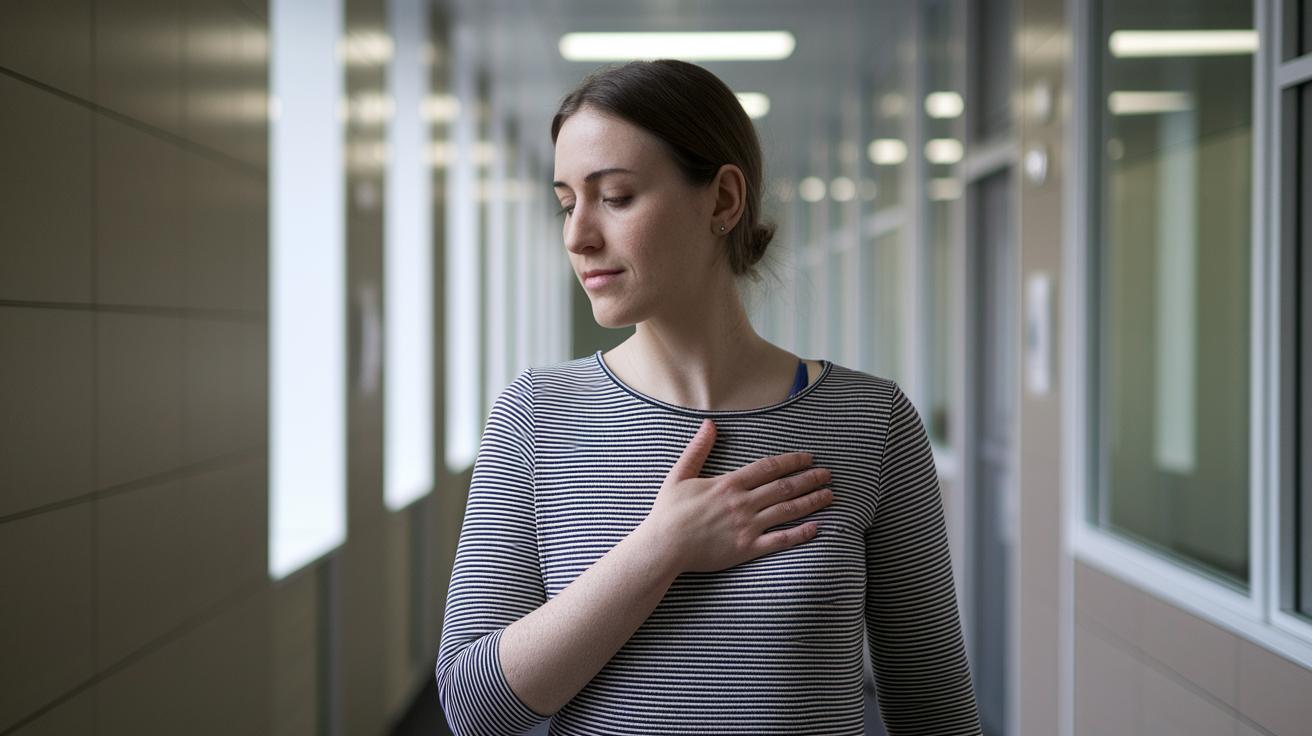

Quick take: A tight chest feeling can signal issues with your heart, lungs, muscles, or anxiety.
If you have any of these emergency signs, call emergency services now:
• Severe chest pain or pressure
• Shortness of breath or trouble breathing
• Fainting or sudden dizziness
A tight band across your chest is often more than just stress. You might feel a pressure that isn’t as sharp as crushing pain, but it still deserves attention. This feeling can come from different sources, like heart, lung, muscle problems, or even anxiety. In this post, we explain what might be happening, outline key symptoms, and tell you when you should act fast. You’ll learn how to spot red flags and take clear steps to protect your health.
Chest Tightness in Women: Understanding Causes, Symptoms, and Urgency
Quick take: Chest tightness in women can signal heart, lung, muscle, or anxiety issues. Act now if you notice any red flags.
If you have any of these emergency signs, call emergency services immediately:
- Shortness of breath
- Pain in the jaw, back, or shoulders
- Unexplained nausea
- Cold sweats
Chest tightness in women often feels like a steady pressure. It is not the crushing pain you might expect. You may feel a tight band across the chest that can spread to the back, neck, jaw, or shoulder blades. This pressure can come from many causes including heart problems, lung issues, muscle strains, or even anxiety.
Heart issues need special care. A heart attack in women might not cause heavy chest pain. Instead, you could feel very tired, break into a cold sweat, or feel sick to your stomach (like indigestion). Even if you are at rest, these symptoms can be a sign of a heart attack. Acting fast is important because delays can hurt your heart more.
Lung problems can also cause chest tightness. If you feel a sharp pain that worsens when you breathe deeply, this could be a sign of a lung issue. Similarly, muscle or bone problems like costochondritis (inflammation of the rib cartilage) can cause pain in a specific area that you can press to feel tender. Sometimes anxiety can make you feel chest pressure too, even if there is no physical cause.
If you experience chest tightness along with any of the red flags, seek medical care right away. It helps to keep a simple log of each episode. Note the start time, how long it lasts, and how strong the pain is. Sharing this information with your doctor can guide them in giving you the right care.
Do not ignore recurring chest tightness. Talk with your doctor about your symptoms, and get tests like an ECG (a test that checks your heart’s electrical activity) or a chest X-ray if needed. Acting early can protect your heart and help you stay healthy.
Chest Tightness in Women: Cardiac vs. Noncardiac Causes
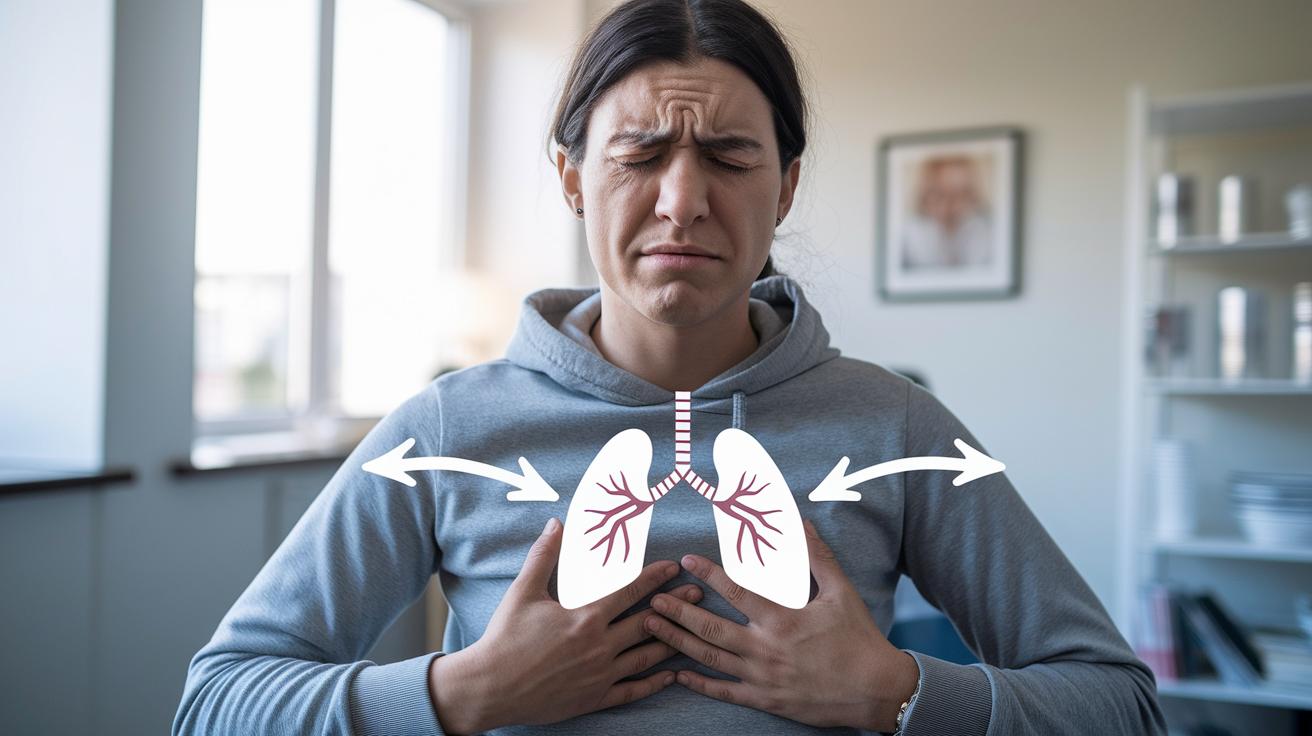
Heart-related chest tightness often feels like a steady pressure. You might notice it begins with physical activity or stress and comes with shortness of breath. The discomfort usually grows stronger when you are active or anxious, which can mean your heart is working harder than usual.
Chest tightness from non-heart sources usually comes from the lungs or muscles. If your lungs are the cause, you may feel a sharp pain that gets worse when you take a deep breath, usually on one side. Muscle or rib pain shows up as a specific spot of tenderness. For example, costochondritis (inflammation of the rib cartilage) causes soreness along the center of your chest and is usually triggered by touch rather than movement.
A simple way to tell these apart is to look at how the pain feels and what starts it:
| Characteristic | Cardiac | Lung-related | Musculoskeletal |
|---|---|---|---|
| Pain Quality | Steady pressure | Sharp pain | Local tenderness |
| Trigger | Activity or stress | Deep breaths | Movement or touch |
| Associated Signs | Shortness of breath | Usually one-sided pain | Pinpoint soreness |
Keep these points in mind:
- Heart pain often shows during exercise or stress.
- Lung pain tends to worsen when you take a deep breath.
- Muscle or rib pain can usually be pressed and felt in one spot.
This clear checklist can help you notice the differences and decide when to seek more help.
Chest Tightness in Women: Cardiac Warning Signs to Know
Women can feel heart pain in ways you might not expect. Instead of the classic crushing chest pain, you might notice a tight feeling in your upper back, jaw, or arms. You could also feel unusually tired, nauseous, break out in cold sweats, or get lightheaded. Even mild pressure (known as angina, which means a gentle squeezing) can be a sign of heart problems.
Research tells us that women are 4% less likely to have an ECG (a test that checks your heart’s electrical rhythm) and 5.5% less likely to be watched in a hospital when needed. These delays can put your heart muscle at risk.
Watch for these signs:
- Pain in your upper back, jaw, or arms
- Unexplained tiredness or dizziness
- Cold sweats or nausea
- Pressure at rest, even if it is light
If you notice any of these symptoms, act now. For example, if you feel a persistent, dull pressure while resting, seek immediate medical care to protect your heart.
Chest Tightness in Women: Noncardiac Causes
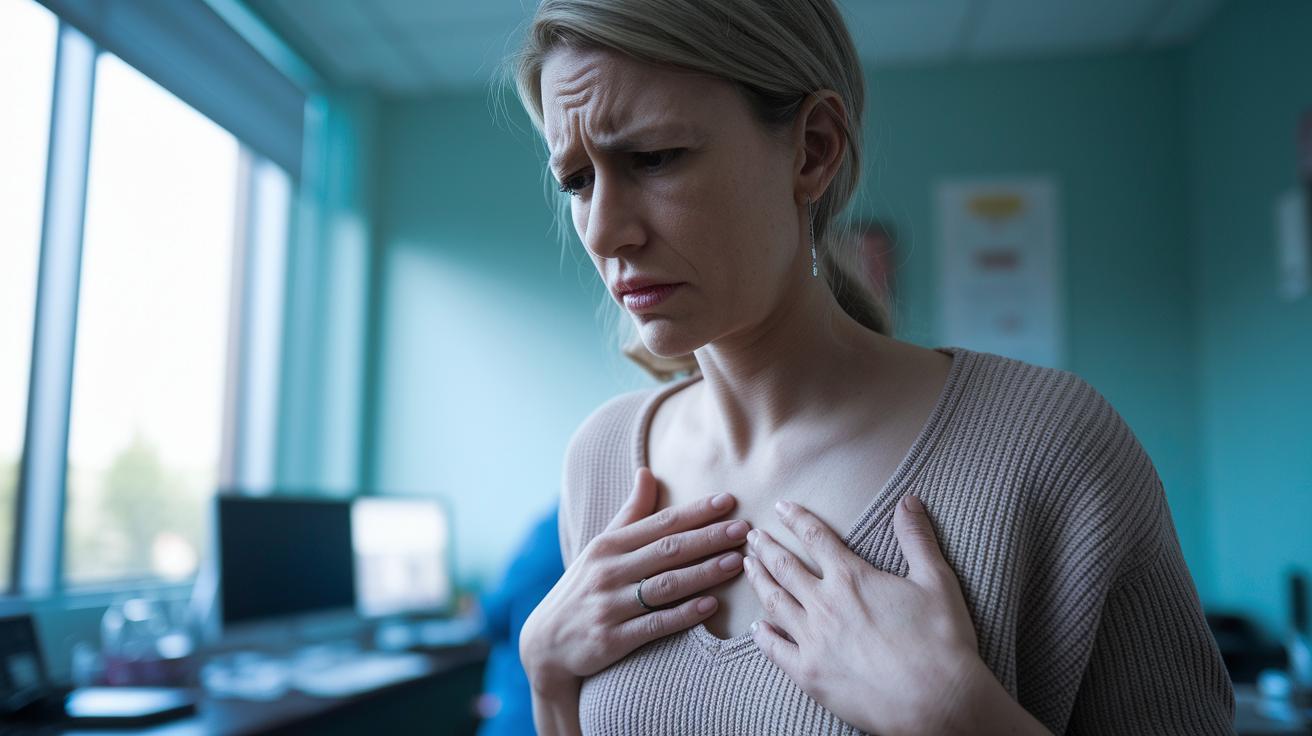
Quick take: Chest tightness in women often comes from the chest wall, not the heart.
If you experience any of these signs, call emergency services right away:
- Severe pain or trouble breathing
- Pain that strikes suddenly during exercise
- Chest pain that gets worse quickly
Many times, chest tightness can be linked to costochondritis or muscle strains. Costochondritis means the rib cartilage is inflamed (swollen and painful). You might press on your chest and feel a sharp, pinpoint ache that is very tender to touch.
Muscle strains from overuse or poor posture cause a deep, aching pain. This pain usually worsens when you move, like bending or lifting, and can be triggered by pressing on the affected spot. This reaction points to a problem with your muscles or ribs rather than your heart.
Your provider may order lab tests to look for signs of inflammation or use an ultrasound to check the cartilage. Remember, pain that comes back when you touch it suggests a musculoskeletal cause, while pain during physical effort might need more heart tests.
Keep a symptom log that notes:
• The kind of pain you feel (sharp, dull, aching)
• How the pain changes with movement or touch
• Any specific triggers you notice
Tracking these details can help your clinician figure out what’s causing your discomfort.
Chest Tightness in Women: Respiratory and Digestive Triggers
Quick take: Chest tightness may come from your stomach or lungs.
Triage Box:
• If you have severe chest pain, trouble breathing, or pain spreading to your arm or jaw, call emergency services now.
• If your pain worsens with deep breaths or becomes very intense, seek same-day medical care.
• If the pain is mild and linked to meals or position, monitor your symptoms and follow up with your healthcare provider.
GERD (gastroesophageal reflux disease, which is stomach acid backing up) and acid reflux can cause a steady burning in your upper chest. This discomfort often happens after you eat or when you lie down. The pain is more like a constant burn than sharp, stabbing pain.
Esophageal spasms cause a sudden, intense squeezing of the chest. This tight band-like feeling can be very strong and is different from the mild burn of acid reflux. It might feel similar to heart pain, so note when it occurs.
On the lung side, issues like pleurisy (inflammation around the lungs), pneumonia, or a pulmonary embolism (a blood clot in the lung) bring sharp pain that worsens when you take a deep breath. The pain is usually on one side and can come on suddenly.
Please note these key details:
| Symptom | Possible Cause |
|---|---|
| Burning after eating or lying down | Acid reflux/GERD |
| Sudden, intense squeezing | Esophageal spasm |
| Sharp pain worsened by deep breaths | Lung issues (pleurisy, pneumonia, pulmonary embolism) |
Jot down when your symptoms start, what makes them worse, and how long they last. This log will help your healthcare provider figure out the cause and decide on the best treatment.
Chest Tightness in Women: When to Seek Medical Help

Quick take: New chest tightness can be serious and needs quick medical attention.
If you have chest tightness along with any of these signs, call 911 immediately:
- Shortness of breath (difficulty breathing)
- Nausea
- Sweating
- Pain in your jaw or back
Even if the chest tightness seems mild or happens again, see your doctor. Research shows that women may have extra signs like unusual tiredness or unexpected anxiety. If you notice these or any new symptoms, contact your clinician right away.
Chest Tightness in Women: Home Care and Prevention Strategies
Quick take: Chest tightness can be a sign of stress or muscle strain. Rest and simple home care steps may help ease your discomfort.
If you have any of these emergency signs, call emergency services now:
- Severe, constant chest pain
- Difficulty breathing or shortness of breath
- Dizziness or fainting
- Pain spreading to your arm or jaw
Rest is important. When you feel chest tightness from muscle strain or stress, lie down and relax. Using a warm pack followed by a cold pack may reduce pain and inflammation. For example, try applying a warm pack on your chest and rib area for 15 minutes. Then, switch to a cold pack for 10 minutes to ease muscle tension.
Gentle stretching can also help. Simple exercises such as shoulder rolls or neck stretches can relieve upper chest strain. One easy exercise is to stand tall, slowly lift your arms overhead while taking deep breaths, and then gently lower them back down.
Over-the-counter pain relievers (NSAIDs, which help reduce inflammation) may also be useful. Always follow the label directions when you take them.
Mind-body techniques are effective too. Deep breathing, yoga, and mindfulness can ease stress and relax your muscles. Try spending 5 minutes each day taking slow, deep breaths to calm your mind.
Diet changes help as well. Eating smaller meals and avoiding foods that trigger acid reflux can lessen GERD-related pressure. Regular aerobic exercise, weight management, and making your workspace more ergonomic can support your chest comfort over time.
Keep a daily diary. Write down exercises, stretching routines, and dietary changes that help you feel better. This can guide you during future medical visits.
Final Words
In the action, this post outlines key causes and symptoms of chest tightness in women. We covered heart-related signs, muscle and joint issues, lung and digestive triggers, and clear steps to take if things worsen. The checklist and home-care tips offer quick guidance when you need to act fast. Monitor symptom details and get prompt help if red flags show up. Stay focused on your well-being and use these steps to keep safe. Managing chest tightness in women starts with prompt evaluation and basic care.
FAQ
What chest pain locations are common in women and what might cause them?
Chest pain in women usually appears in the middle (sternum between the breasts) or on the left side. Middle pain often arises from costochondritis or muscle strain, while left-side pain can indicate heart issues.
When should a woman worry about chest pain?
Worry if your chest pain comes with shortness of breath, nausea, sweating, or pain spreading to your arm, jaw, or back. These symptoms could signal a heart attack, requiring urgent medical attention.
What treatments are available for chest pain in women?
Chest pain treatment depends on its cause. Musculoskeletal pain may improve with rest, heat, cold packs, and OTC pain relievers, while heart-related pain needs diagnostic tests and possible urgent care.
What causes chest pain in women when lying down?
When lying down, chest pain may signal reflux (acid irritating the esophagus) or esophageal spasms. These digestive issues often cause a burning or squeezing sensation, especially after meals.
Why does my chest feel tight as a woman?
Chest tightness in women may come from multiple causes, such as muscle strain, costochondritis, reflux, or even heart-related issues. Each cause has unique signs and treatment needs.
What are three warning signs of a heart attack in females?
Three key warning signs include shortness of breath, pain radiating to the jaw or arm, and unexplained fatigue paired with nausea or cold sweats, which warrant immediate emergency care.
How can I get rid of tightness in my chest?
Easing chest tightness involves using self-care methods like deep breathing, gentle stretching, applying heat or cold packs, and adjusting posture, while following up with a doctor if symptoms persist or worsen.