

Quick Take: A sudden drop in hearing is a red flag that may need urgent care.
If you notice any of these signs, call your doctor immediately:
• Sudden change in hearing
• Muffled sounds or persistent ringing in your ears
• Dizziness or feeling lightheaded
A quick shift in how you hear can be more than a fluke. It might point to issues like an ear infection, blockage, or other problems that need a clinician’s review. I know that dealing with these symptoms can be stressful; tracking when they begin and how severe they feel can really help your care team.
Take action fast to protect your hearing and overall well-being.
sudden hearing loss symptom snapshot: Quick, Clear Signs
Quick take: A sudden, big drop in hearing can mean you need fast care.
Triage Box:
- If you experience severe dizziness or feel very off-balance, call emergency services now.
- If your hearing drops suddenly with a muffled sound or strong ringing, seek urgent medical help.
- If these signs worsen or do not improve within a short time, contact your doctor immediately.
Each year in the US, about 4,000 adults suffer a sudden loss of hearing. This hearing drop is large, a loss of 30 dB or more (a big decrease) across three connected sound ranges. You may only catch whispers of normal speech, and the loss often happens in just one ear.
Common signs to watch for:
- Muffled or blocked sound.
- Ringing, buzzing, or roaring noises (tinnitus).
- Dizziness or a feeling of imbalance.
Some people describe it like this: "It felt like my ear was underwater; all sounds were dampened." If you notice these symptoms, act fast. Early treatment is key to helping restore your hearing and stopping further issues.
Exploring Potential Causes of Sudden Hearing Loss
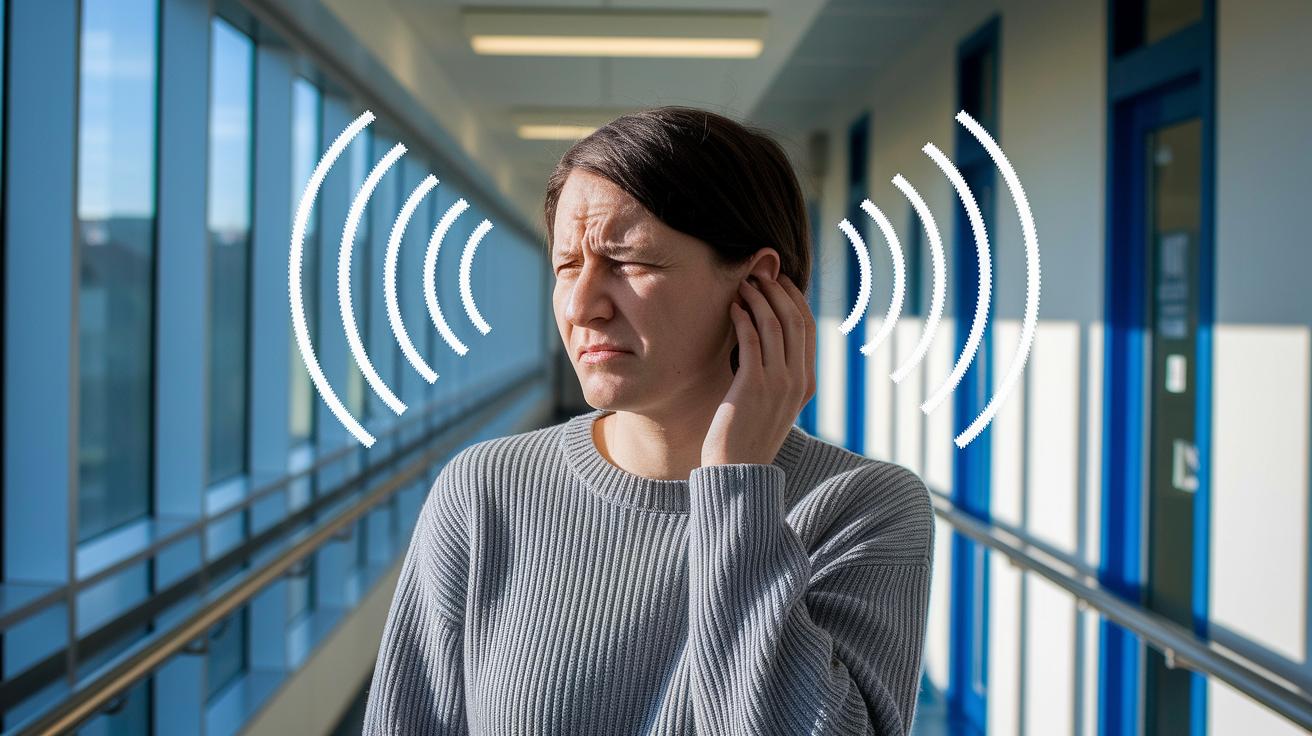
Sudden hearing loss can start when something goes wrong with your inner ear. One common cause is an ear infection. This means that an infection can reduce how much oxygen-rich blood reaches the ear’s sensitive parts. You might notice your ear feels clogged or weak after an infection.
Blood flow problems can also hurt your hearing. When the tiny blood vessels in your ear don’t bring enough oxygen, the cochlear structures (the parts of your ear that help you hear) may be damaged quickly. This can lead to a sharp drop in your ability to hear.
A hard hit to the head or a very loud noise can injure your inner ear as well. Such trauma can damage the tiny hair cells that are crucial for hearing. Some people describe it like this: "One hard knock and everything changed."
Other factors like obesity and viral illnesses may also affect your ears. These conditions can strain your body and disturb the blood flow or cause inflammation (swelling and irritation). In these cases, sudden hearing loss might be a sign that your body is under extra stress.
Urgent Indicators and Red Flags in Sudden Hearing Loss
Quick take: A sudden drop in hearing can be a serious sign. If you notice these signs, seek care right away.
If you have any of these red flags, get help immediately:
- A drop in hearing of 30 dB or more across three sound ranges
- Hearing loss that happens within 72 hours
- Constant ringing, buzzing, or roaring in your ears (tinnitus)
- New feelings of dizziness or trouble keeping your balance
- A sense of fullness or blockage in your ear that won’t clear
- No improvement after 24 hours
These signs might mean an infection, injury, or nerve damage. Acting quickly can help protect your hearing and support recovery.
Diagnostic Steps for Assessing Sudden Hearing Loss
Quick take: Sudden hearing loss can be from a blocked ear or a more serious issue, you need to act fast.
Triage Box:
If you have any of these emergency signs, call emergency services now:
- Sudden hearing loss with constant ringing (tinnitus) and new dizziness
- Loss of balance or a feeling of faintness
Urgent care:
- Seek same-day medical attention if these signs appear
Basic steps:
- Get an ear exam to rule out blockages from wax or fluid
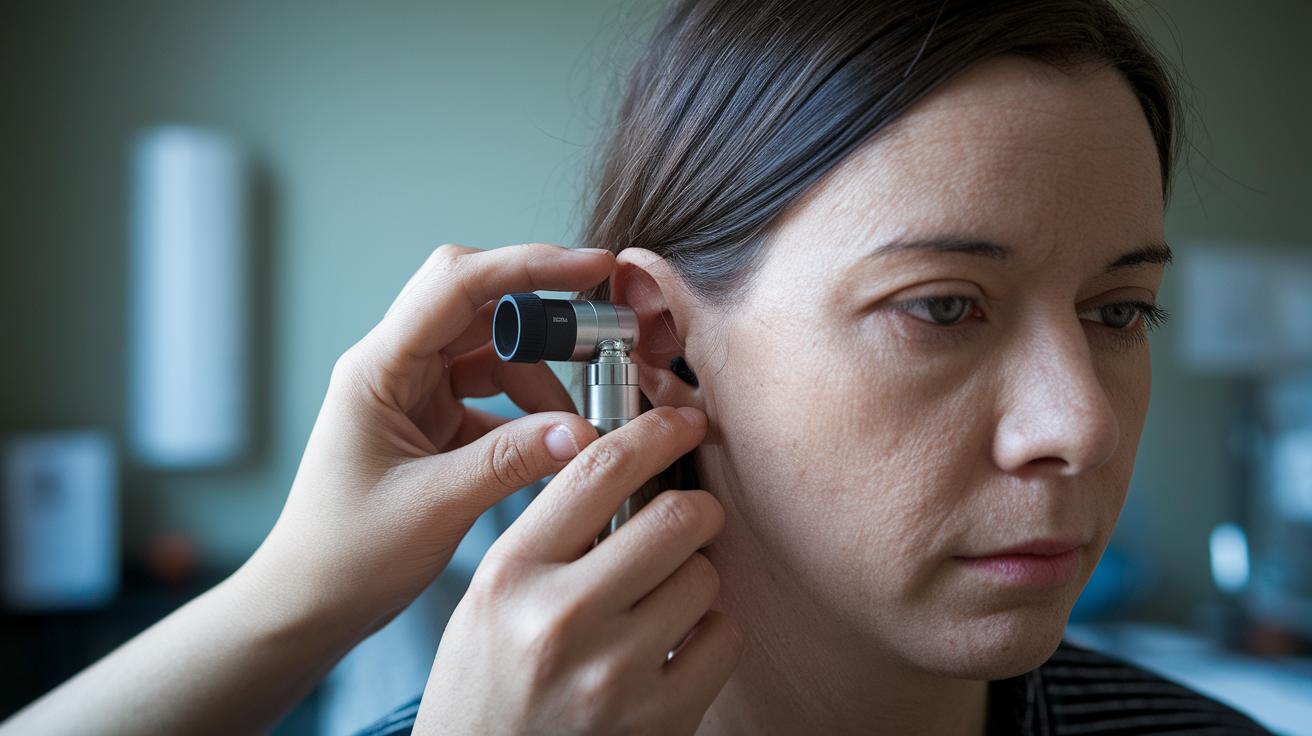
Your first step is a quick ear check. A health professional will look for common blockages that can cause hearing problems before exploring more serious reasons.
Next, you might be sent to a primary care doctor or an emergency room for a closer ear (otologic) evaluation. This becomes especially important if your hearing drops quickly along with ringing or dizziness. The doctor will check for any subtle red flags to make sure nothing is missed.
A key part of this investigation is audiometric testing. In this test, sound levels are measured at various pitches. Hearing loss is usually confirmed when there is a drop of 30 dB (decibels) or more across three connected sound ranges. This test shows how much your hearing has changed and helps guide the next steps in care.
Getting these tests done within 72 hours of your symptoms is crucial. Early detection can improve treatment outcomes and increase the chances of regaining your hearing.
What to do:
- Get a referral for an ear evaluation.
- Have your ear examined to rule out wax or fluid blockages.
- Undergo audiometric testing to confirm the degree of hearing loss.
Immediate Self-Care and First Steps for Sudden Hearing Loss
Quick take: Sudden hearing loss is serious, so take immediate steps to protect your ears.
If you also experience severe pain, intense dizziness, or face drooping, call emergency services now.
When you notice a sudden drop in hearing, act right away:
- Do not put any objects or water in your ear. This can make things worse.
- Steer clear of loud noises to avoid further damage.
Track your symptoms:
- Write down the exact time you first noticed the change.
- Note how your hearing changed, including any shifts in sound or volume.
This record is useful for your doctor.
Next steps:
- Make an appointment with an ear, nose, and throat specialist (ENT) or an audiologist as soon as possible.
- Keep away from noisy places.
- Monitor for extra symptoms like ringing (tinnitus) or feeling dizzy.
- Talk with your doctor about possibly starting corticosteroid treatment within the first 2 weeks, which may help.
These steps help you manage the situation until you see a healthcare professional for a full evaluation.
Outlook, Treatment Options, and Recovery Snapshot for Sudden Hearing Loss

Quick take: Sudden hearing loss is serious, and acting quickly can help save your hearing.
Triage Box:
- Red Flags: If you experience severe ear pain, intense dizziness, or trouble with balance, call emergency services now.
- Urgent: If your hearing loss worsens or you notice other concerning symptoms, seek same-day medical help.
- Self-Care: Follow your doctor’s guidance and closely monitor your symptoms.
A sudden drop in your hearing can feel scary, but fast treatment can offer a good chance at recovery. Your doctor may start by using steroids (medications that reduce swelling and inflammation) soon after symptoms begin. Research shows that nearly 50% of patients recover fully when treatment starts within the first few weeks, so timing really matters.
Sometimes, your doctor might add hyperbaric oxygen therapy (a treatment where you breathe pure oxygen in a special chamber) to improve blood flow in your ear. This extra oxygen can help protect the sensitive parts of your ear from further damage. If your hearing loss stays in one ear, you might also consider hearing aids or CROS/BiCROS systems. These devices boost sound and send it from the affected ear to the one that still works well.
For more severe cases that do not respond to initial treatments, advanced options like BAHA (a bone conduction device) or cochlear implants (devices that directly stimulate the hearing nerve with electrical signals) might be needed. These solutions can help when the natural hearing process in your ear isn’t working properly.
| Treatment | Timing | Typical Outcome |
|---|---|---|
| Corticosteroids (oral/injection) | Within first 2 weeks (up to 3 months) | ~50% full recovery if started promptly |
| Hyperbaric Oxygen Therapy | Alongside steroids | Boosts blood flow and oxygenation |
| Hearing Aids / CROS & BiCROS | If hearing loss remains in one ear | Amplifies sound and routes it to the better ear |
| BAHA / Cochlear Implant | For severe or nonresponsive cases | Uses bone conduction or nerve stimulation |
Timely evaluation and treatment are key to a better recovery outcome.
Final Words
In the action, you’ve reviewed a sudden hearing loss symptom snapshot that covers bedside warning signs to reliable next-step actions. We broke down symptom markers, possible causes, and red flags that signal emergency care. You learned both clinical evaluation steps and clear self-care tips for immediate response. This guide helps you track symptoms and prepare essential details before your clinician visit. Feel empowered to act quickly and safely, and know that prompt care can lead to a better recovery outcome. Stay positive and proactive in managing your health.
FAQ
Sudden hearing loss in one ear no pain
The sudden hearing loss in one ear with no pain means that you experience a rapid drop in hearing without any discomfort, often accompanied by a muffled sound and sometimes ringing.
What is the most common cause of sudden hearing loss?
The most common cause of sudden hearing loss is typically inner ear problems. Viral infections or issues with blood flow to the cochlea frequently lead to this rapid, unexplained loss.
Hearing goes out in one ear for a few seconds
When hearing goes out in one ear for a few seconds, it suggests a brief inner ear disturbance. This transient episode should be noted, and recurring events need professional evaluation.
Sudden hearing loss in one ear that comes back
Experiencing sudden hearing loss in one ear that later returns indicates intermittent inner ear issues. Even if hearing seems to recover, getting evaluated can help rule out underlying conditions.
What is sudden sensorineural hearing loss?
Sudden sensorineural hearing loss describes a rapid loss of at least 30 dB in three connected frequencies, usually affecting one ear in less than 72 hours, often with tinnitus or dizziness.
Sudden hearing loss recovery 3 months
Recovery over 3 months for sudden hearing loss is possible, especially when treatment such as corticosteroids is started promptly. Roughly half of affected adults can experience significant improvement within this period.
What are the symptoms of sudden sensorineural hearing loss?
The symptoms of sudden sensorineural hearing loss include a sudden, noticeable drop in hearing, persistent ringing or buzzing, dizziness, and a sensation of fullness in the ear.
Temporary hearing loss in one ear with ringing
Temporary hearing loss in one ear with ringing indicates a brief disruption in inner ear function. While it may resolve quickly, tracking the event and any related symptoms is important for follow-up.
What is sudden hearing loss a symptom of?
Sudden hearing loss can be a symptom of various issues, such as viral infections, circulatory problems, or inner ear trauma. It signals that there may be an underlying condition needing prompt assessment.
What are the first signs of SSHL?
The first signs of SSHL include a rapid decline in hearing, ringing in the ear, and sometimes dizziness or balance issues. Early detection and treatment are crucial for the best outcomes.
What virus causes sudden hearing loss?
Certain viral infections, including some herpes viruses, have been linked to causing sudden hearing loss by damaging the inner ear’s delicate structures, though multiple factors often play a role.
What are the symptoms of an ear stroke?
The symptoms of an ear stroke include sudden hearing loss, intense dizziness, and balance problems. These warning signs indicate a serious condition that requires emergency medical care.