


Quick Take: Bright lights can cause eye pain and strain, so listen to your eyes if they feel uncomfortable.
If you have any of these signs, seek help right away:
• Severe, sudden pain in your eyes
• Blurry or double vision
• Sensitivity that gets worse over time
Many people feel a sharp, burning pain when exposed to bright sunlight or indoor lamps. This happens when the light is too harsh for your eyes, causing strain that feels almost like a blow. Your eyes might give you clues, such as discomfort or a dull ache, that signal light sensitivity.
This guide explains common reasons behind light sensitivity and offers easy steps to ease your discomfort. Read on for clear insights and practical tips to help you feel better.
Light Sensitivity Symptom Snapshot: Bright Insights
Quick Take: Bright lights hurt your eyes. Severe pain or sudden vision changes need prompt care.
Triage Box:
If you have any of these emergency signs, call emergency services now:
- Intense eye pain with light exposure
- Sudden vision loss or significant blurry vision
- New or worsening light sensitivity causing disorientation
If your symptoms get worse or you’re very uncomfortable, seek same-day medical help. For milder symptoms, monitor them and use simple self-care steps.
Many people notice their eyes feel tired or strained in bright light. It happens when regular light, like sunlight, indoor lamps, or screen glare, triggers discomfort or pain. This reaction is not a disease on its own but can point to another eye or nerve problem.
Common signs include:
- Pain or discomfort when exposed to light
- Eyes feeling too tired or strained, making reading difficult
- Frequent squinting in bright settings
- Eyes watering when light is present
- Dry eyes even indoors
- Seeing bright spots no matter the lighting
Around 25% of people experience light sensitivity. Sometimes, the signs are mild and only show up in very bright settings. However, even small symptoms can impact your daily comfort and activities. Keep track of your symptoms to help decide if you need extra eye care.
Photophobia Analysis: Key Triggers and Causes of Light Sensitivity
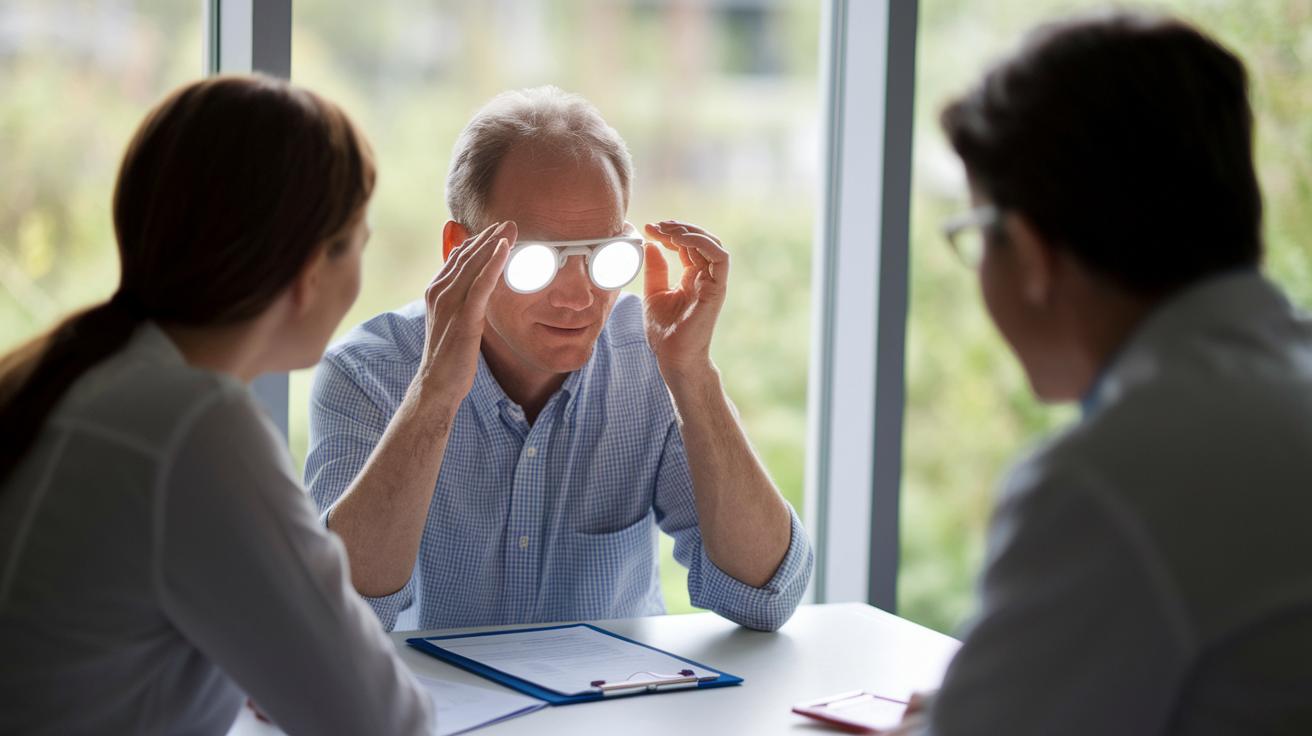
Quick Take: If normal light feels too bright or hurts, nerve signals or eye problems may be the cause.
Triage Box:
• If you have severe pain, sudden vision loss, or intense headache, call emergency services now.
• If your symptoms worsen quickly, seek same-day medical advice.
• If the light sensitivity is mild and steady, monitor your symptoms and follow up with your doctor if they do not improve.
Light sensitivity can start deep in your body’s wiring. Sometimes the nerves, especially the optic nerve, send extra signals to your brain. This can make everyday light feel too harsh. In simple terms, your nerve cells overreact to light, which causes discomfort or pain even in normal settings.
The eyes themselves can also be a major factor. Conditions like glaucoma (high pressure inside the eye), dry-eye syndrome, infections, injuries, or other eye issues can interfere with how your eye adapts to brightness. When your eye doesn’t work as it should, you might squint, feel pain, or notice watery eyes as it struggles to protect itself.
Environmental factors also play a role. Sudden shifts from dark to light or constant exposure to strong sunlight can trigger a sharp increase in sensitivity. Migraine sufferers often find that light makes their symptoms worse. In fact, research shows that more than 39 different medical conditions might lead to light sensitivity, meaning many issues can trigger photophobia.
Visual Discomfort Study: Diagnostic Methods for Photophobia
Your doctor will start by doing a simple eye exam. They check how your pupils react to light by shining a light into your eyes and watching if they get smaller (constrict) or wider (dilate). This pupil response test can show if your eye muscles or nerve paths are reacting too much to light, which might point to a deeper issue.
If the exam shows something unusual, more tests may follow. Your provider might order an MRI scan to look for any inflammation or damage in your brain. They can also use retina imaging and blood tests to check for infections or body-wide problems. These extra steps help find any details that a basic exam might miss.
Finding the real cause is important for proper treatment. Instead of just easing the sensitivity, healthcare providers work to treat the underlying problem, whether it comes from an eye condition, a nerve issue, or another part of your body. Knowing the exact source of photophobia helps guide the right treatment and prevent more problems later.
Acute Glare Reaction Patterns in Light Sensitivity
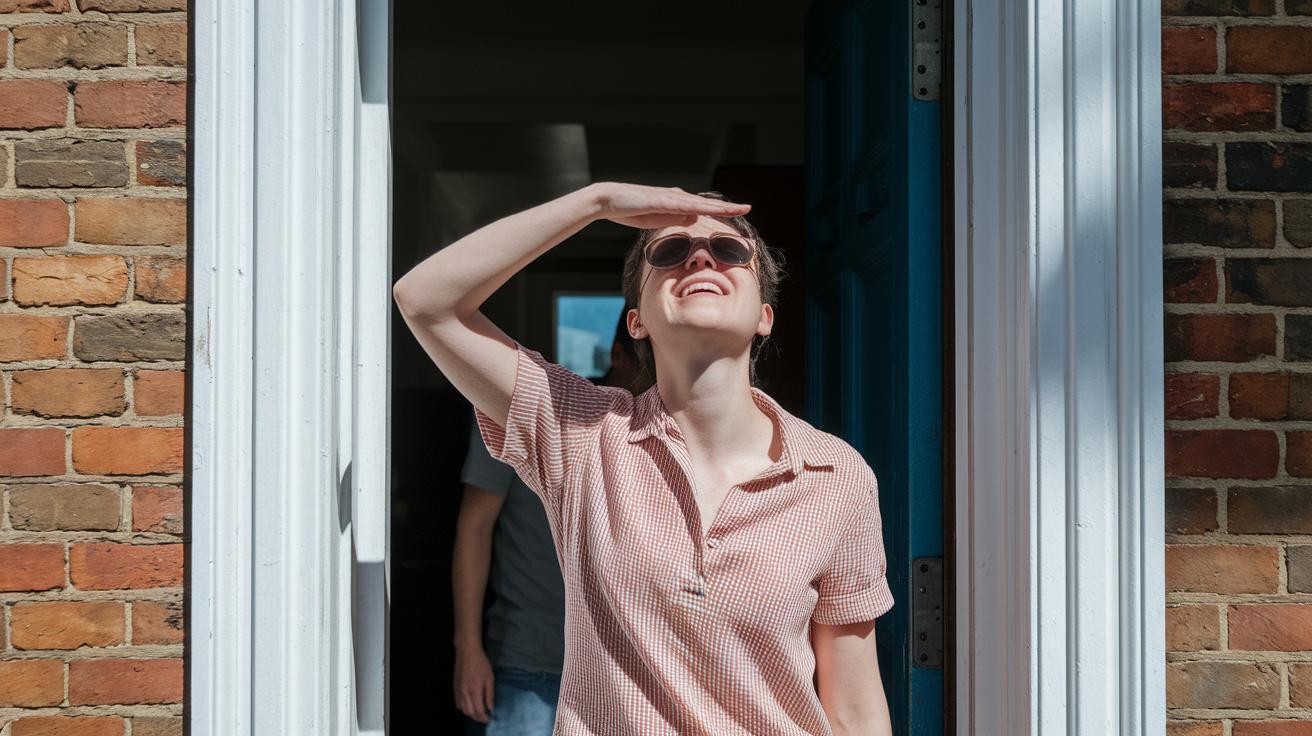
Quick take: Bright light can quickly cause painful eye reactions.
If you experience any of these warning signs, seek medical care immediately:
- Intense headache for over 10 minutes
- Blurred or reduced vision
- Persistent eye pain or stinging
When you suddenly see bright light, your eyes and brain react fast. Your retina (the light sensor at the back of your eye) releases chemicals that trigger pain sensors. This causes discomfort, burning, and more blinking. You might also get a short headache. For instance, stepping from a dim room into sunlight can lead to these effects in just 2–5 seconds.
If you notice a very bad headache, blurry vision, or eye pain that lasts longer than 10 minutes, it means your body is struggling to adjust. Please get checked by a clinician right away.
Management and Adaptation Mechanism Study for Light Sensitivity
Quick take: If bright light gives you discomfort, the right lenses can help you feel better.
If you have severe pain, sudden vision changes, or worsening symptoms, call a healthcare provider immediately.
Review these lens options to ease your light sensitivity:
• Tinted Lenses
- They come in different shades and prices.
- Use a darker tint outdoors and a lighter one indoors.
- Track how your eyes feel to help your doctor adjust your care.
• Polarized Lenses
- They cut down glare from wet surfaces and shiny objects.
- They ease eye strain and boost contrast to help you see details.
- They work best if you spend time near water or in reflective conditions.
• Photochromic Lenses
- Also called transition lenses, they darken with outdoor UV light and clear up indoors.
- They filter blue-violet light to reduce discomfort during long screen time.
Monitor your daily eye comfort. Note when discomfort happens, how long it lasts, and any triggers. Share these notes with your healthcare provider to adjust your lens use for the best results.
Final Words
In the action, this article provided a light sensitivity symptom snapshot that covers key signs, triggers, and testing methods. We outlined common symptoms along with what to do if they worsen, how environmental and medical factors play a role, and ways to manage discomfort at home.
Key takeaways:
• Recognize familiar signals like eye fatigue, excess squinting, and watery eyes.
• Understand triggering factors.
• Follow clear next steps.
• Track symptoms for accurate visits.
Stay informed and take positive steps for your eye care.
FAQ
What is photophobia?
Photophobia means your eyes are extra sensitive to light. This sensitivity can make everyday lights, like sunlight or indoor bulbs, cause discomfort or pain in your eyes.
Why are my eyes or my child’s eyes suddenly sensitive to light and sometimes experience blurred vision?
Sudden light sensitivity and blurred vision suggest a change in how your eyes react to light. Such shifts can occur from eye strain, injury, or an underlying condition that may require evaluation.
What deficiency causes light sensitivity?
Certain nutritional deficiencies, such as low vitamin A levels, can lead to eye issues and increased light sensitivity, as vitamin A plays a role in maintaining healthy vision.
What are the common symptoms of photophobia?
Photophobia symptoms include eye fatigue, excessive squinting, watery or dry eyes, difficulty focusing, and discomfort around bright lights, all of which interfere with daily activities.
What treatment options exist for photophobia?
Photophobia treatment focuses on managing the cause. Options include using tinted or polarized lenses, taking prescribed eye drops, and following your doctor’s recommendations to reduce light exposure.
What medications might cause light sensitivity?
Some medications, like certain antibiotics and anti-inflammatory drugs, can lead to light sensitivity. These side effects may occur because the drugs impact your eyes or nerve responses.
Can light sensitivity indicate underlying illnesses such as MS or autoimmune diseases?
Yes, light sensitivity can be a sign of underlying conditions like multiple sclerosis (MS), autoimmune diseases, or other eye disorders. It is important to consult a healthcare provider for proper diagnosis.