
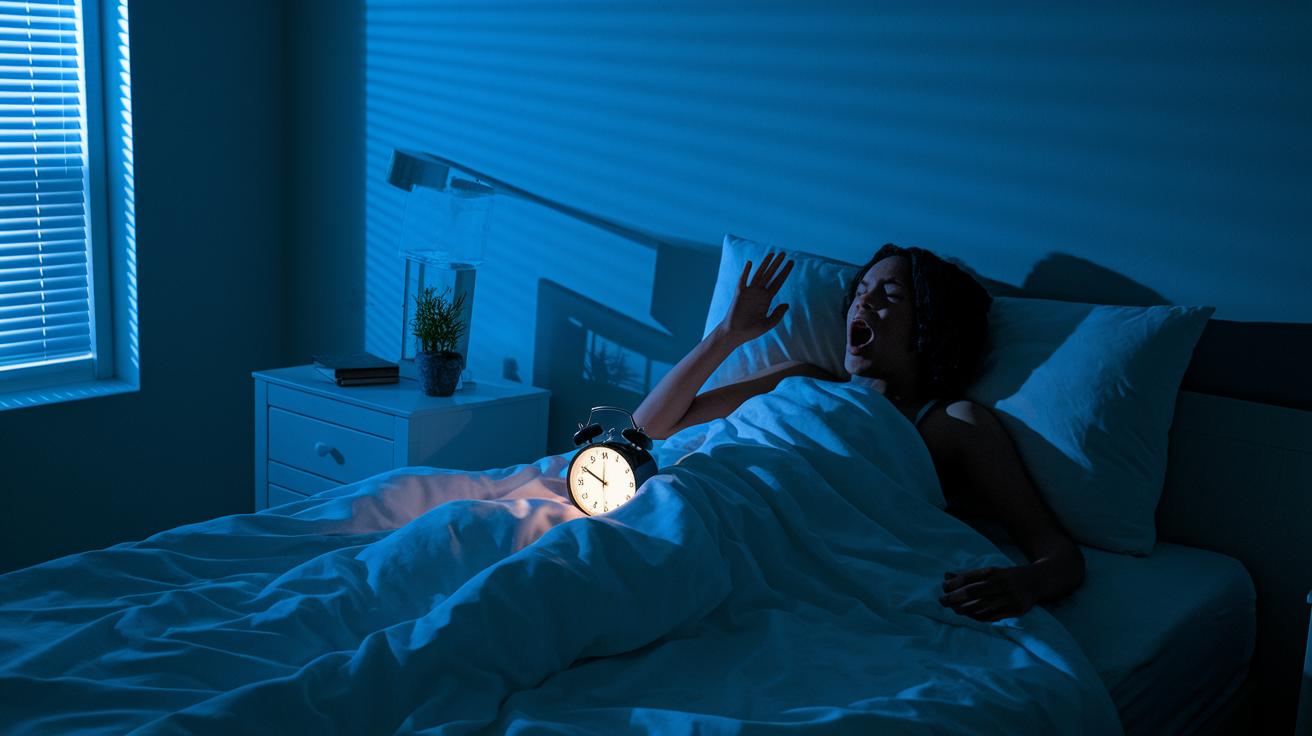

Quick take: If you struggle to sleep well, you might be noticing clear signs that your sleep is off track.
If you have any of these red flags, call your healthcare provider:
• You often have trouble falling asleep.
• You wake up many times during the night.
• You feel very tired during the day.
• Your sleep issues interfere with daily activities.
Restless nights may leave you feeling unsure if your sleep is truly refreshing. In this post, we point out five key signs that your sleep may need a closer look. You might notice that you have a hard time falling asleep, wake up repeatedly, or feel drained when you wake up. Tracking these symptoms with a sleep log or a wearable device can help you see patterns and understand what might be affecting your rest.
We explain each sign in clear, simple terms so you can spot what might be disrupting your sleep. Keep an eye on these signs, and if they continue, consider reaching out to a trusted clinician for further help.
Overview of Key Sleep Disturbance Symptoms
Tracking your sleep patterns helps you spot problems early. You can use a sleep log or a wearable device to note what happens each night. This simple tracking shows you where small changes might help you sleep better and wake up feeling refreshed.
- Trouble falling asleep: You might lie awake for a long time before sleep starts, meaning it takes longer than normal.
- Waking up many times: Frequent night-time awakenings can break up your sleep cycles.
- Broken sleep: Sleeping in many segments instead of one continuous stretch lowers your overall sleep quality.
- Waking too early: Getting up before you have enough sleep cuts your rest short.
- Sleep that is not refreshing: Even after hours in bed, you might not feel rested when you wake.
- Daytime tiredness: Ongoing sleep problems can leave you feeling very tired or having trouble concentrating during the day.
Each of these signs builds a clear picture of sleep issues. They help you see if something is off in your rest. Using a tool like the Sleep Disorders Screener Symptom Checklist-25 can give you important clues about conditions such as REM behavior disorder (RBD), restless leg syndrome (RLS), or sleep apnea. Tracking these details can guide you toward getting the care you need.
Monitoring Fragmentmentation and REM Cycle Disruptions
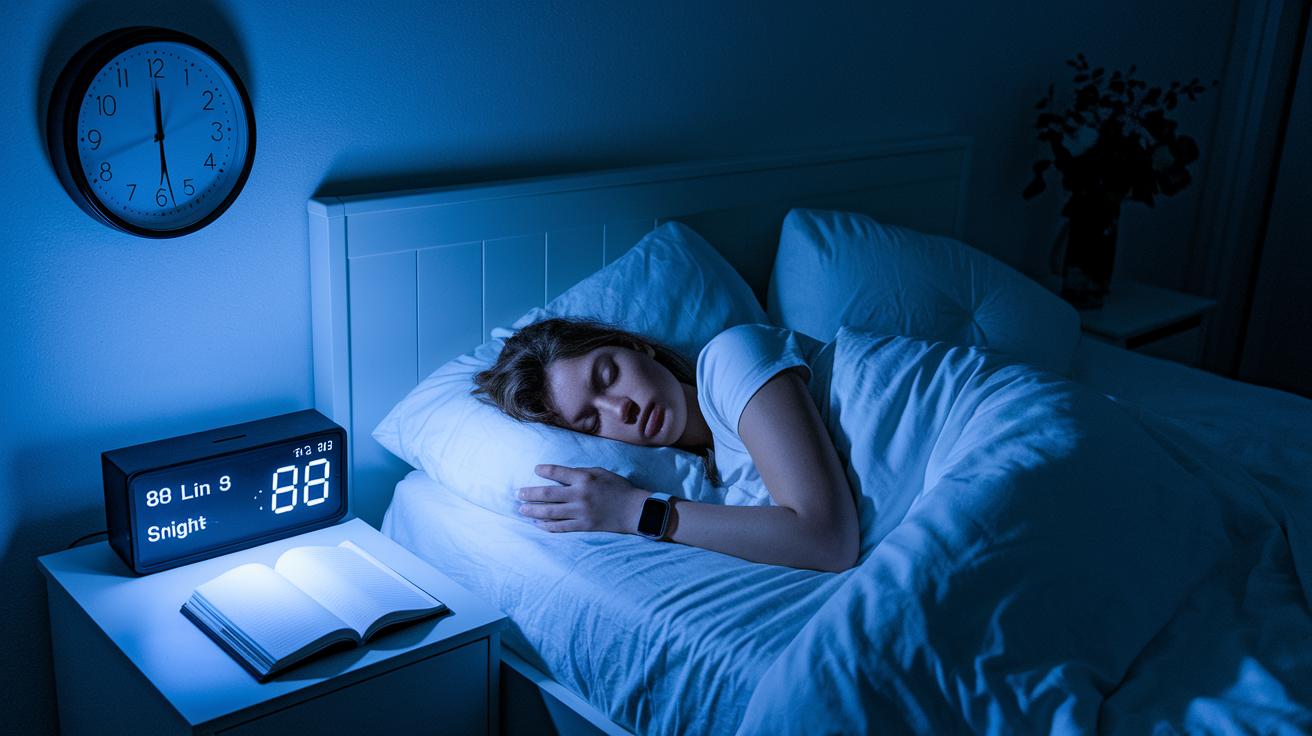
Quick take: Sleep tracking tools show key signs of disrupted sleep and help you know when to talk with a clinician.
If you notice any of the following, reach out to your clinician soon:
• Waking up more than 2 times each night
• REM sleep stopping more than 3 times
• Shifting between sleep stages over 5 times
• Sleeping less than 85% of the time you’re in bed
Sleep diaries, wearable trackers, and actigraphy devices (gadgets that record your sleep patterns) capture important details about your night. They note how often you wake up, how long you spend in each sleep stage, and your overall sleep efficiency (the percent of time asleep while in bed). This data shows you when your sleep may be broken by frequent shifts between NREM (non-rapid eye movement) and REM (rapid eye movement) sleep or when deep sleep is cut short.
| Indicator | Definition | Threshold |
|---|---|---|
| Awakening count | How many times you wake up | >2/night |
| REM disruption | Times when REM sleep stops unexpectedly | >3 interruptions |
| Sleep stage transitions | Shifts between different sleep stages | >5 shifts |
| Sleep efficiency | Percent of time asleep in bed | <85% |
By tracking these numbers, you gain a clearer picture of your sleep quality. This information can guide you and your clinician in finding ways to improve your rest and overall well-being.
Diagnostic Overview: Screening Tools and Procedures
Quick Take: A short questionnaire and simple sleep studies can help you spot sleep issues and decide if you need more tests.
Triage Box:
• Red Flags: If you fall asleep while driving or have severe breathing pauses, call emergency services right away.
• Urgent: If your daytime sleepiness is affecting your safety, see your clinician on the same day.
• Self-Care: Track your sleep and check for patterns like long delays in falling asleep or waking up too often.
The SDSCL-25 is a quick 3–5-minute quiz that helps check for sleep problems. It asks about issues like irregular sleep patterns, trouble falling asleep, and watching your sleep become unsteady. The questions look for signs of delayed sleep, too much daytime sleepiness, and other sleep concerns that might need more care.
When the questionnaire hints at sleep issues, your doctor might recommend further testing. One common test is polysomnography. This overnight study records your brain waves, oxygen levels, heart rate, and breathing while you sleep in a certified center. Another test is actigraphy. You wear a sensor, much like a smartwatch, to track your sleep-wake cycles at home. These tests help catch cycle irregularities and show if your sleep phases are out of balance.
Next Steps:
- Complete the SDSCL-25 screener.
- Use an actigraphy sensor at home to track your sleep.
- Attend an overnight polysomnography at an accredited sleep center.
Common Causes and Contributing Factors in Sleep Disturbances
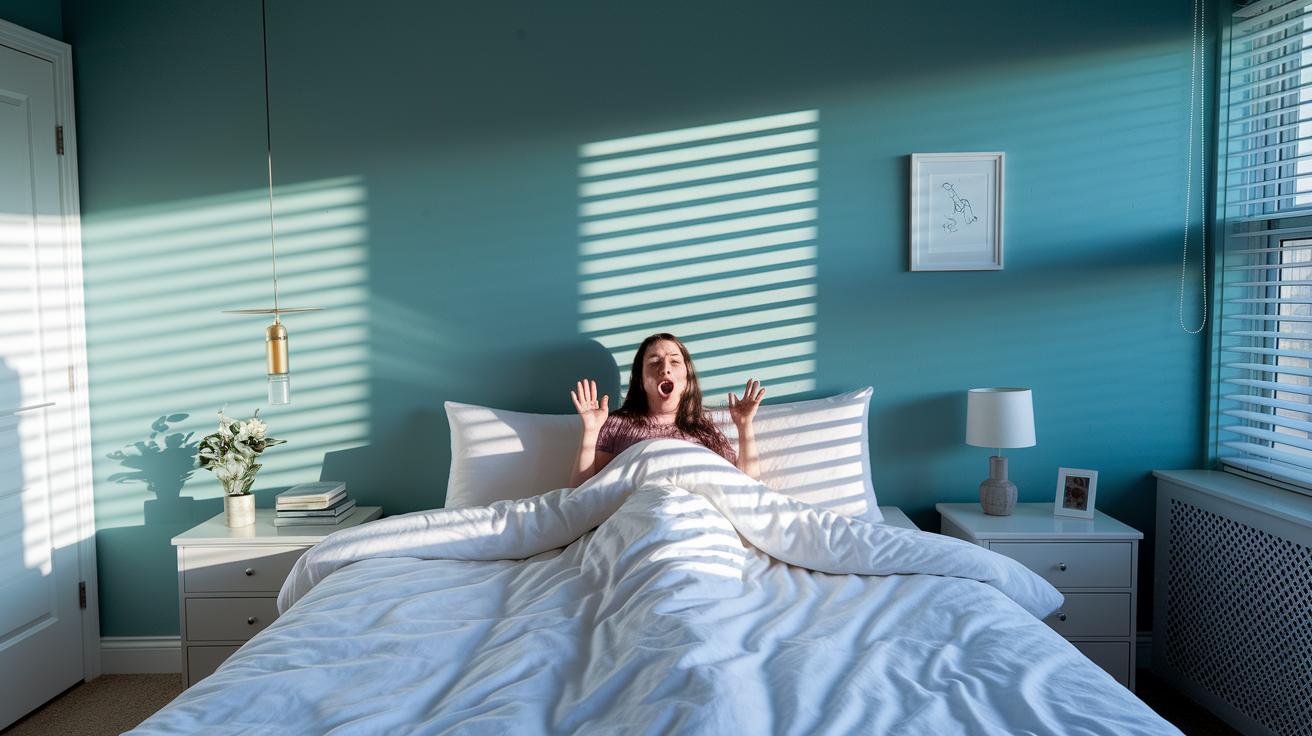
Quick take: Everyday habits and your environment can play a big role in keeping you awake at night.
Triage guidance: If your sleep issues last more than a few weeks or start affecting your daytime activities, talk to your clinician.
Understanding what affects your sleep is a big step toward feeling better. When you spot these habits and factors, you and your doctor can figure out ways to help you rest easier.
- Light issues: Not getting regular daylight or having too much can confuse your body clock.
- Stress: Worry or anxiety can keep your mind active, making it tough to wind down.
- Medical reasons: Conditions like restless leg syndrome (an urge to move your legs) or sleep apnea (pauses in breathing) can seriously interrupt your sleep.
- Stimulants: Drinking caffeine later in the day might stop you from falling asleep on time.
- Alcohol: It might make you feel sleepy at first but can harm the overall quality of your sleep.
- Noise: Background sounds or sudden noises can wake you up during the night.
- Temperature: A room that is too hot or too cold can stop you from getting deep, refreshing sleep.
- Screen time: Using screens right before bed can block the release of melatonin (a hormone that signals sleep).
Tracking these factors can help you see patterns and guide you toward making simple changes for better sleep.
Red Flags and When to Seek Professional Assessment
If your sleep issues last over 3 months or disrupt your everyday life, it's important to see a doctor soon. Even if you already know that severe daytime sleepiness and risky behavior need attention, here are more signs that mean you should get evaluated:
- Sleep issues lasting more than 3 months – If your sleep problems go on for over 3 months, contact your primary doctor.
- Five or more apnea events per hour – If a sleep test shows five or more pauses in breathing per hour, schedule an evaluation.
- Extreme daytime sleepiness – If you feel very sleepy and your routine tasks suffer, get help from a healthcare professional.
- Memory or focus problems – Noticeable changes in memory or concentration mean you should have further testing.
- Pauses in breathing during sleep – If you experience episodes where your breathing stops, seek medical help right away.
Board-certified sleep specialists at accredited centers can run the tests needed to diagnose issues like sleep apnea, REM behavior disorder (acting out dreams), or severe insomnia. They will use targeted tests to confirm the problem and create a clear treatment plan for you.
5 Sleep disturbance symptom snapshot: Radiant Insights
Quick take: Simple, step-by-step changes in your nighttime routine can boost your sleep quality right away.
If you have any of these warning signs, call emergency services now: extreme daytime sleepiness, confusion, or if you feel unsafe while awake. If not, follow these steps and monitor your sleep.
Many sleep troubles start with everyday habits. Adjusting your routine might bring relief tonight.
- Keep a regular sleep schedule. Go to bed and wake up at the same time every day to help reset your body clock.
- Create a cool, dark, and quiet bedroom. A calm room makes it easier to fall into deep sleep.
- Limit screen time before bed. Reducing your use of electronics lowers blue light exposure (light from screens that can delay sleep).
- Try relaxation techniques. Deep breathing or slowly working through your muscles can ease tension and prepare your mind for sleep.
- Keep a sleep log. Record when you go to bed, wake up, and any wakes during the night to track your sleep patterns.
- Aim for 7-9 hours of sleep. This amount helps most adults feel rested and alert the next day.
- Watch your sleep efficiency and how long it takes to nod off. Use a wearable tracker or diary to aim for over 85% efficiency and less than 30 minutes to fall asleep.
Using these tips, you can improve your sleep quickly. Check your sleep log regularly and adjust your habits if needed. Research from Mass General Brigham supports these practical changes.
Final Words
In the action, you’ve seen how sleep disturbances show through key symptoms, data tracking, diagnostic tools, and contributing factors. Each section gave you clear steps to monitor your sleep and evaluate whether professional help is needed. With practical home-care tips and red-flag guidance front and center, you can better manage your sleep patterns. Remember to keep a sleep disturbance symptom snapshot to track important markers and guide future decisions. Small changes can make a big difference in achieving healthier rest.
FAQ
What is a psychological sleep disorders list?
The psychological sleep disorders list includes conditions where mental factors like anxiety or stress play a key role. It covers issues such as stress-related insomnia and other sleep disorders linked to emotional well-being.
What is a sleep disturbance and what are its symptoms?
A sleep disturbance means difficulty falling or staying asleep and not feeling rested. It shows up with frequent awakenings, early rising, unrefreshing sleep, and tiredness during the day.
What are sleeping problems solutions?
Sleeping problems solutions include setting a steady sleep schedule, reducing screen time before bed, and creating a calm, dark environment. These steps can help improve your overall sleep quality.
What causes sleep disturbances?
Sleep disturbances often stem from stress, irregular exposure to light affecting your body clock, medical issues like sleep apnea or restless legs syndrome, and environmental factors such as noise or temperature changes.
Where can I find a sleep disorders PDF?
A sleep disorders PDF is a downloadable resource that details common sleep conditions, treatment options, and diagnostic criteria. Look to trusted health organizations or sleep clinic websites for accurate documents.
What are the most common sleep disorders?
The most common sleep disorders include insomnia, sleep apnea, restless legs syndrome, narcolepsy, and circadian rhythm disruptions. Each affects sleep patterns in different ways, leading to daytime fatigue.
What does sleep disorder medicine involve?
Sleep disorder medicine involves prescribed treatments like sleep aids and sedatives meant to regulate sleep patterns. Use these medications only after a healthcare provider reviews your symptoms and needs.
What are deep sleep disorder symptoms?
Deep sleep disorder symptoms include challenges in reaching or maintaining deep sleep. This results in frequent awakenings, fragmented sleep, and ongoing daytime tiredness despite spending enough time in bed.
What does the VA consider a sleep disturbance?
The VA defines a sleep disturbance as any sleep pattern that disrupts normal rest, such as persistent insomnia or frequent awakenings, which negatively impacts daily performance and may be linked to service issues.
What are the five types of sleep disorders?
The five types of sleep disorders usually are insomnia, sleep apnea, restless legs syndrome, narcolepsy, and circadian rhythm sleep disorders. Each type has different symptoms and requires specific treatment strategies.