


Quick take: Headaches often come from everyday stress, but some signs call for urgent action.
If you have any of these emergency signs, call emergency services now:
• Sudden, very severe pain
• Trouble speaking or weakness on one side of your body
• Vision changes or confusion
If your headache comes with nausea, vomiting, a fever, or you notice a change in your normal pattern, seek same-day medical advice.
Common causes include tension headaches (a tight, squeezing pain) and cluster headaches (intense, one-sided pain near your eye). Most headaches are tied to stress and resolve on their own. However, knowing the clues helps you decide if it is time to act or just monitor your symptoms.
What you can do:
- Write down when your headache starts, how long it lasts, and its intensity.
- Note any extra symptoms like dizziness or nausea.
- Look for patterns that match tension headaches or the severe pain of cluster headaches.
- Follow up with your clinician if your symptoms change or worsen.
This quick guide uses clear clues to help you match your pain to possible causes. It’s a simple way to know when to act and when it’s safe to keep watching.
Headache Symptom Snapshot: At-a-Glance Summary
Quick take: Most headaches are common and usually not dangerous. But if you experience sudden, severe pain or new symptoms, act now.
If you have any of these emergency signs, call emergency services immediately:
- A sudden, very strong headache
- Confusion, weakness, or trouble speaking with your headache
- Headache after a head injury
Tension headaches are the most common. They affect about 75% of adults and feel like a tight band around your head. The pain is usually mild to moderate and can last from 30 minutes to several days.
Migraines affect about 12% of people and happen 2 to 3 times more often in women. They cause one-sided, throbbing pain and make you sensitive to light.
Cluster headaches are less common but very intense. They occur about 5 times more in men, especially middle-aged smokers, and bring severe pain.
Keep in mind: Your headache pain comes from parts around the brain, like blood vessels, scalp, sinuses, muscles, and neck joints, because the brain and skull don’t sense pain. This guide helps you match your own symptoms to common headache types and decide what to do next.
Snapshot of Common Headache Types
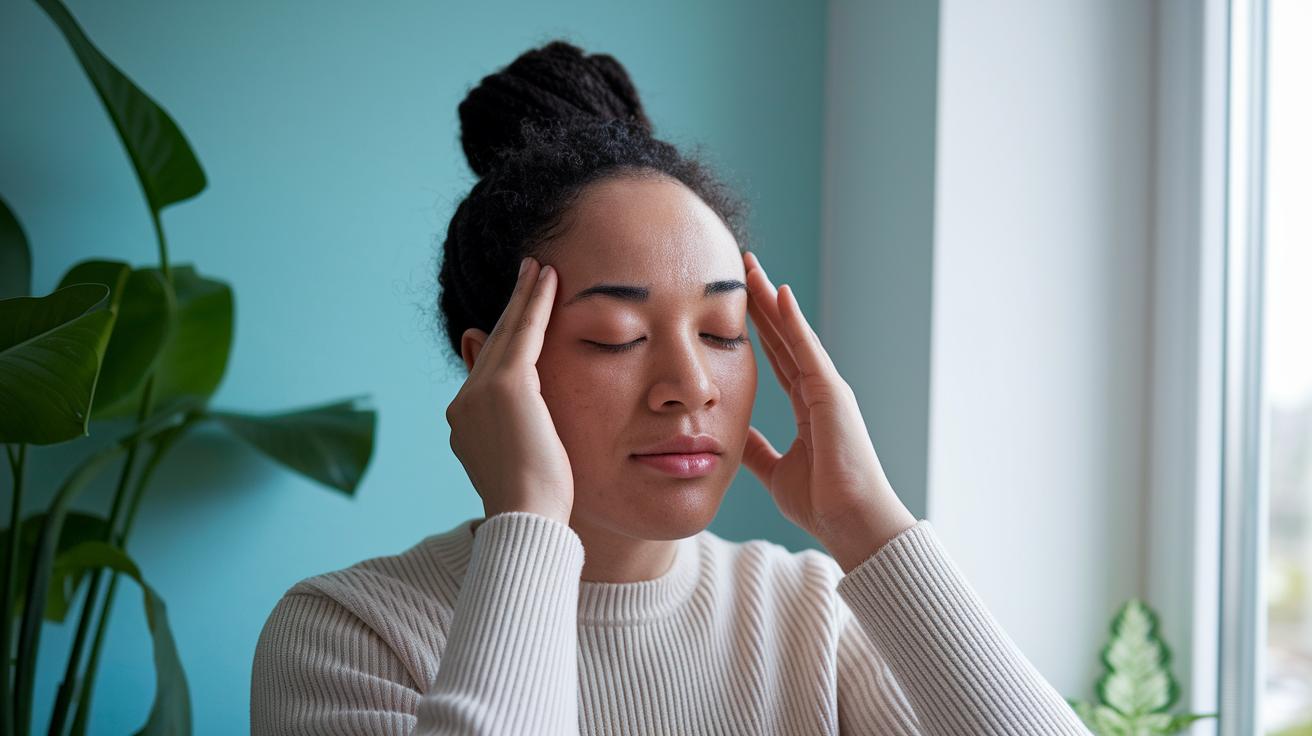
This guide explains 4 common headache types in plain language. Headaches can feel different, from steady pressure to sharp, throbbing pain. Read on to see if your pain fits one of these patterns. If any headache suddenly gets very severe or comes with new symptoms, don’t wait, talk to a clinician.
Tension Headache
Tension headaches feel like a tight band around your head. The pain is usually mild to moderate and lasts anywhere from 30 minutes to a few days. These headaches are very common and are often brought on by everyday stress or tight muscles.
Migraine
Migraines usually hurt on one side of the head with a strong, throbbing pain. You might see flashing lights or have blurry vision (this is called an aura) before the pain starts. Light and sound can also bother you during a migraine. Weather changes, not drinking enough water, or shifts in your hormones can trigger these attacks.
Cluster Headache
Cluster headaches cause very intense pain around one eye or temple. They come in repeated bursts and are paired with signs like tearing of the eye, redness, or a blocked nose. These short, cyclic bouts of pain can be extremely uncomfortable.
Sinus Headache
Sinus headaches bring steady pain in the forehead or cheeks, often with a stuffy nose and a tender face. They tend to happen when allergies or a sinus infection cause swelling in your sinus passages.
| Type | Key Symptoms | Duration |
|---|---|---|
| Tension | Band-like pressure, mild to moderate pain | 30 minutes to few days |
| Migraine | One-sided, throbbing pain, aura (flashing lights or blurry vision), light and sound sensitivity | Hours to days |
| Cluster | Severe pain around one eye or temple, tearing, redness, nasal congestion | Short, cyclical bouts |
| Sinus | Forehead/cheek pressure, nasal congestion, facial tenderness | Steady during infection |
Comparing Headache Symptom Features
Tension headaches cause a steady pressure, much like a tight band wrapped around your head. You only feel a firm ache with no extra signs.
Migraines bring a throbbing pain on one side of the head. You might also see bright flashes or find sounds too loud. Sometimes, a dull head tension comes on just before the migraine starts. This extra cue does not occur with tension headaches.
Where the pain shows up can help you figure out the type. Sinus headaches cause sharp pain around the eyes or forehead. They can also make your face feel sore and your nose feel blocked. When pain shows near the sinuses along with a stuffy nose, it points to sinus swelling instead of a migraine.
When Your Headache Symptom Snapshot Shows Red Flags

Quick take: If your headache shows sudden, severe warning signs, act immediately.
Triage:
If any of these signs appear, call emergency services now:
- A sudden "worst-ever" headache that peaks in seconds.
- A new headache that starts within 7 days after head trauma.
- Headache with double vision, slurred speech, or weakness in your arms or legs.
- Headache that begins after age 50 or one that grows worse over time.
- Daily headaches that do not improve with your usual medication.
- Headache accompanied by fever, a stiff neck, or a rash.
Summary:
Some headaches are more than just pain. They might signal serious problems like a brain bleed, aneurysm, infection, tumor, or a leak of cerebrospinal fluid (the fluid around your brain). For example, a thunderclap headache (one that hits hard within seconds) or a headache following a head injury may need immediate imaging tests such as CT scans or MRIs. Recognizing these symptoms quickly is vital to avoid dangerous delays and to get proper care.
What to do:
- Watch carefully for any of these warning signs.
- If you notice any red flags, call for help immediately.
- Write down the time and details of your symptoms to share with your clinician.
- Follow up with medical care as soon as possible if symptoms continue or worsen.
Taking quick, careful action can help ensure you get the tests and treatment you need.
Tracking Your Headache Symptom Snapshot
Quick take: Record the details of each headache so you can spot trends and share clear information with your doctor.
Start by writing down three simple metrics:
- How often the headache happens.
- How long it lasts (in minutes or hours).
- How bad the pain is, choose from mild, moderate, or severe.
These details help you see patterns and may point to triggers like dehydration, lack of sleep, or stress.
You can use a paper diary, a simple self-report log, or a mobile app with wearable trackers to capture your symptoms. Pick what feels easiest and most reliable for you. By tracking each episode as it happens, you build a clear history for future reference.
Share these records with your clinician. They can use your detailed log to better understand your headaches and adjust treatments if needed.
If your headache suddenly gets very severe or you notice warning signs like vision changes, weakness, or confusion, seek medical help right away.
Home-Care and OTC Relief in Your Headache Symptom Snapshot

Many headaches get better with over-the-counter pain relievers. You can use medications like ibuprofen (a type of NSAID that reduces inflammation) or acetaminophen (helps ease pain) to find quick relief. Use them exactly as directed and keep track of your doses. If you notice more frequent headaches or that they stop working, talk with your clinician.
A cold compress on your forehead or neck can help numb the pain and lower swelling. Try a cool, damp cloth or an ice pack for a few minutes at a time. You can also test heat therapy with a warm towel or heat pack to ease tight muscles and boost blood flow. See which method works best for you, and consider switching between them as needed.
Relaxation techniques like deep breathing, yoga, or biofeedback can also ease headache pain. These practices help lower stress and relax tight muscles, which are common headache triggers. Take a few quiet minutes each day to use these techniques. Over time, making these habits part of your routine can help manage your headaches better.
Preventive Lifestyle Strategies for Your Headache Symptom Snapshot
A regular routine can help lessen headaches. Stick to a steady sleep schedule by going to bed and waking up at the same times each day. Drinking water keeps your blood flowing well, and balanced meals give your brain the fuel it needs. Avoid heavy meals right before bed and choose water, fruits, and vegetables during the day.
Watch how stress might be causing your headaches. Use deep breathing and guided relaxation (calming exercises) when you feel tense. Keep a simple diary of stressful moments and headache times. This can help you spot patterns quickly. Taking short breaks for a bit of meditation or quiet time may really help manage your symptoms.
Look at your caffeine habits and any changes in your body or surroundings. Cutting back on caffeine slowly can ease withdrawal and may reduce headache frequency. Pay attention if bright lights, strong smells, or even changes in your menstrual cycle seem to bring on headaches. Knowing your triggers is a big step toward preventing them.
Review your work setup too. Make sure your chair supports you well and that your monitor is at a good height to reduce neck and shoulder tension. Taking short breaks from screen time every hour can ease muscle stress and help keep headaches in check.
Final Words
In the action, this guide turns your headache symptom snapshot into a clear and concise overview. It explains the differences between primary and secondary headaches, outlines common types like tension and migraine, and lists red flags that require prompt care.
The post also shares practical home-care tips, symptom tracking ideas, and preventive lifestyle changes you can adopt. Stay alert, use the checklist as a quick reference, and take charge of your well-being for healthier, brighter days ahead.
FAQ
What is a post traumatic headache?
A post traumatic headache is pain that starts after a head injury. It may include various symptoms and can persist for days, making it important to monitor changes and seek care if red flags appear.
What is a tension headache?
The tension headache is a band-like pain that feels mild to moderate. It commonly lasts from 30 minutes to several days and is experienced by many adults.
What does headache location mean and what causes it?
The headache’s location can point to different causes. For example, pain in the front may suggest sinus issues, while one-sided pain might indicate a migraine, and neck pain can hint at cervicogenic factors.
What is a spinal headache?
A spinal headache occurs due to a pressure change after procedures like a lumbar puncture. It typically worsens when standing or sitting and improves when you lie down.
What is a cervicogenic headache?
A cervicogenic headache starts in the neck and radiates to the head. It is linked to issues in neck joints or muscles, often causing pain that seems to come from the neck.
What is an ice pick headache?
An ice pick headache is a sudden, sharp pain in the head that feels like a quick stab. These headaches are brief, often lasting only seconds, and can occur in clusters.
When should you worry about a headache?
Worry about a headache when it is the worst-ever, comes on suddenly, or changes in frequency and intensity, especially if it is accompanied by symptoms like double vision, weakness, or slurred speech.
What is a rebound headache?
A rebound headache is pain that develops from overusing pain medications. It leads to frequent or daily headaches despite taking these medications for relief.