
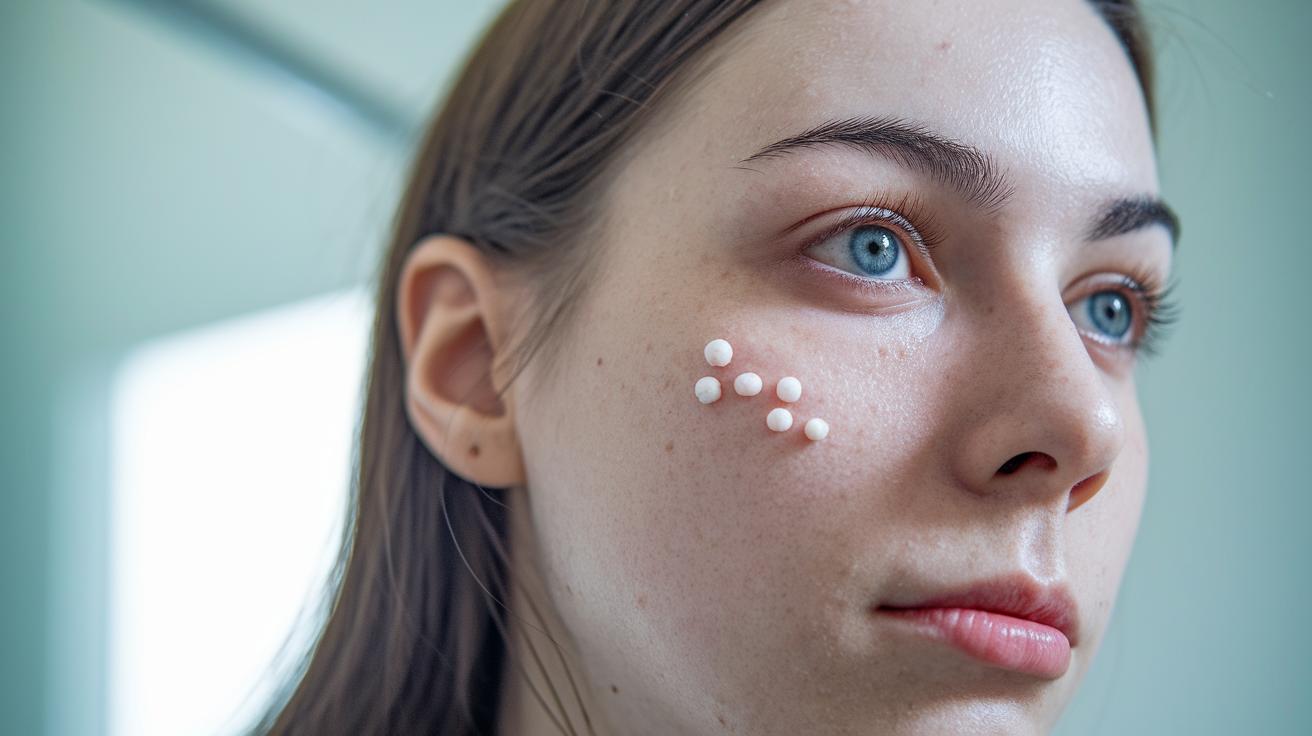

Quick take: Small white bumps on your face are usually harmless, but you should act if you notice pain or changes.
If you have any of these signs, call emergency services now:
• Severe pain or swelling
• Sudden increase in number or size of bumps
• Redness or warmth around the bump
Often these bumps are simply milia (tiny, hard bumps from trapped skin cells) or clogged pores that need extra care. However, sometimes they can hint at a skin condition that warrants a doctor’s look.
Here’s what you can do:
• Wash your face gently twice a day with a mild cleanser.
• Avoid picking or squeezing the bumps.
• Use skin products labeled as non-comedogenic (won’t clog pores).
Track your skin changes by noting:
• The date and time of observation.
• The number and size of the bumps.
• Any discomfort or new symptoms.
• What steps you took and how your skin reacted.
This guide gives you clear, simple steps to care for your skin safely. If the bumps worsen or you notice other worrying signs, seek help from your clinician.
Identifying Small White Bumps on Face: Causes, Conditions, and Key Indicators
Quick Take: Small white bumps are common. But if they itch, hurt, grow fast, bleed, or feel numb, get medical help right away.
Triage Box:
• Call emergency services if you have severe pain, rapid growth, bleeding, or numbness.
• Seek same-day medical care if the bumps change quickly or become very painful.
• Otherwise, use gentle skin care and keep an eye on them.
Common causes include:
Milia: These are tiny white or yellow bumps that form under the skin. They are filled with keratin (a tough protein) and usually appear near the eyes, cheeks, nose, or forehead. They do not have an opening, so they can be hard to remove.
Whiteheads: These bumps come from clogged pores. They are surface-level and fill with oil and dead skin cells. You might gently pop them, but be careful because they can worsen into acne if inflamed.
Other bumps:
• Sebaceous hyperplasia: This happens when the oil glands enlarge, forming small skin-colored or yellow bumps with a little dimple in the center. It is more common in people over 40.
• Seborrheic keratosis: These are waxy, scaly growths that may grow up to 1 inch, and they are typically seen in people over 50.
• Keratosis pilaris: This causes rough, sandpaper-like skin on your cheeks or arms as excess keratin plugs hair follicles.
Watch for red flags. If you notice itching, pain, rapid growth, bleeding, or numbness, these signs call for extra attention. They could point to basal cell carcinoma, a type of skin cancer that needs a biopsy and treatment. Always talk to your doctor if you’re worried about any change in your skin.
Distinguishing Milia from Whiteheads on the Face
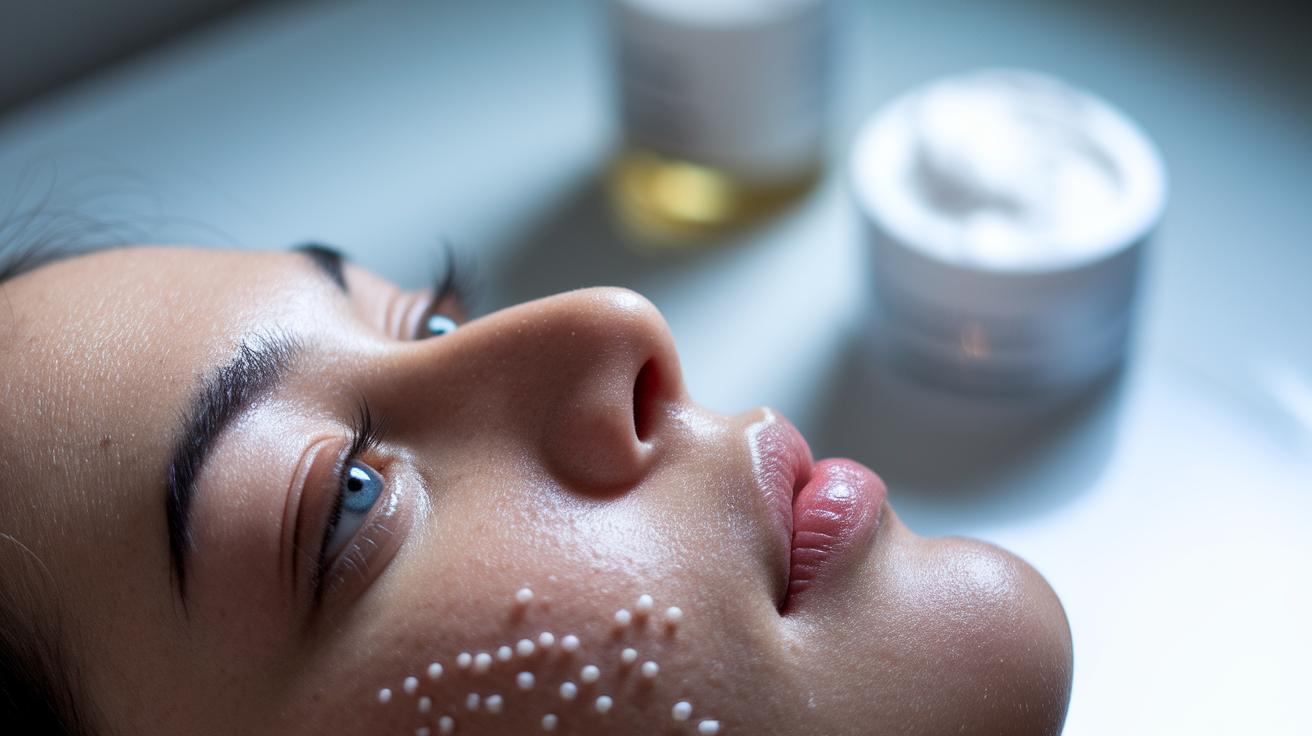
Milia are small bumps filled with a protein called keratin. They form deep under your skin and do not have an opening at the surface. Think of them as a tiny locked box that holds protein. These bumps can appear from using heavy skincare products or makeup too much, from too much sun exposure, or even from past skin injuries like burns or rashes. As you get older, your skin may renew itself more slowly, so milia may stick around and not pop even if you try.
Whiteheads are a type of acne that happens when a pore gets clogged with extra oil and dead skin cells. Because the pore is open, whiteheads are like a drawer that you can often clear up with gentle washing or over-the-counter products.
Other Skin Conditions Behind Small White Facial Bumps
Sebaceous hyperplasia is a harmless condition where your oil glands grow larger than usual. These soft, round bumps often have a small dimple in the middle and appear most often in middle-aged adults.
- They may look like acne or milia (tiny white bumps). Treatment is usually not needed unless you want them removed for cosmetic reasons.
Seborrheic keratosis causes waxy or scaly spots that can be white or have some color. These changes develop slowly as you age and have a rough feel.
- If you notice any rapid change in size or texture, it is important to have a professional evaluate them.
Keratosis pilaris happens when extra keratin (a natural skin protein) plugs up your hair follicles. This results in small, rough bumps that feel a bit like fine sand. They typically appear on the upper arms and cheeks and can be mildly itchy.
- Regular moisturizing and gentle exfoliation can help lessen the rough feeling.
Basal cell carcinoma is a more serious condition that can show up as small white bumps. These lesions may look pearly and can sometimes ulcerate or bleed.
- If you see any bump that changes in size, shape, or color, please consult your dermatologist as soon as possible.
Home Remedies and DIY Care for Tiny White Bumps
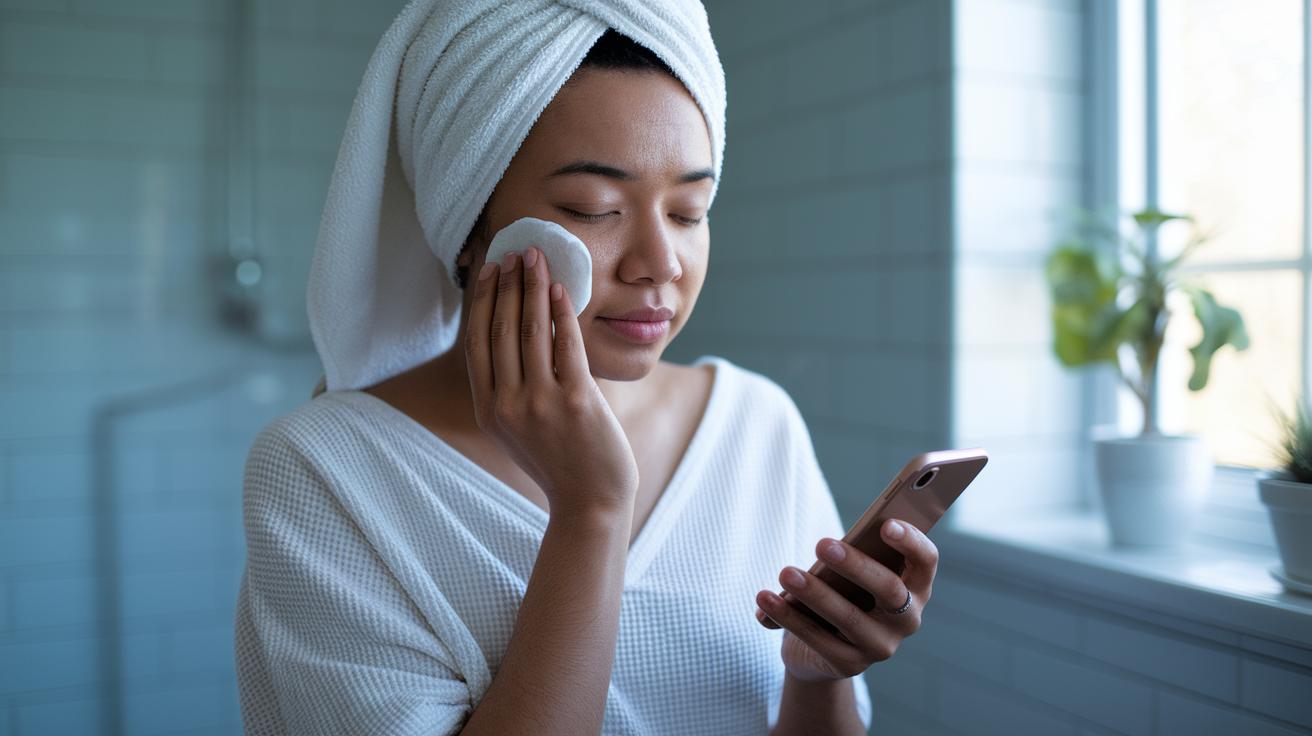
Quick take: Simple home steps can help manage small white bumps if you take care. If you find severe pain, intense redness, or increasing bumps, seek help immediately.
Important: Call emergency services now if you have signs of infection like marked redness, swelling, or heat.
To care for your skin at home, follow these steps:
• Protect: Use sunscreen with SPF 30 or higher every day to shield your skin.
• Cleanse: Wash gently with an oil-free cleanser that does not clog pores.
• Soften: Apply a warm compress for 5 minutes to soften the skin before any removal attempt.
• Exfoliate: Use a mild chemical exfoliant with AHAs (alpha hydroxy acids) or BHAs (beta hydroxy acids) once or twice a week. This boosts skin cell turnover and helps smooth the bumps.
• Soothe: If your skin feels red or irritated, try using diluted tea tree oil or aloe vera gel. Always do a patch test first to avoid unwanted reactions.
• Extract Carefully: If you consider removing a bump yourself, use a sterilized needle that has been cleaned with alcohol. Only do this if you are completely comfortable, because improper extraction can cause scarring.
Daily care checklist:
| Step | Action |
|---|---|
| 1 | Apply SPF 30+ sunscreen daily |
| 2 | Cleanse with a gentle, non-comedogenic cleanser |
| 3 | Remove makeup thoroughly every night |
| 4 | Exfoliate gently once or twice a week |
| 5 | Use a warm compress for 5 minutes |
| 6 | If comfortable, use careful extraction with sterilized tools |
| 7 | Apply soothing treatments like tea tree oil or aloe vera |
Remember, keep your skin care routine gentle. Over-treating or using harsh chemicals can worsen irritation. If your bumps do not improve or if your skin becomes more irritated, it is best to see a clinician for advice.
Professional Treatment Options for Small White Facial Bumps
Small white bumps can be treated safely by a professional who clears the skin’s built-up protein. A board-certified dermatologist may perform milia extraction. They use a clean needle or blade to gently open the cyst and remove the trapped keratin (a skin protein). The procedure is quick, leaves little scarring, and brings fast cosmetic relief.
Chemical peels are another option. A trained professional applies a special acid solution that gently removes the dead outer skin. This process helps lift the keratin plug and reveals fresher skin underneath. It not only reduces the bumps but also smooths overall skin texture when done correctly.
Microdermabrasion is a non-invasive treatment that exfoliates the top layer of your skin. By gently buffing away dead cells, it makes small bumps less noticeable and evens out your skin tone. Often, you will need a few sessions for long-lasting results, but any downtime is minimal.
Laser therapy takes a modern approach by targeting the inner core of the bumps. This treatment uses laser energy to promote collagen remodeling (new skin support) and improve skin texture. It is especially useful for deeper bumps that need a bit more help.
Retinol therapy uses ingredients derived from vitamin A, found in both prescription and over-the-counter products. It increases cell turnover, which helps prevent new bumps from forming. Starting with a low concentration allows your skin to adjust while it gradually improves your complexion.
| Treatment | Description | Pros | Cons |
|---|---|---|---|
| Milia extraction | A board-certified dermatologist uses a sterile needle or blade to remove trapped keratin | Quick treatment, little scarring | Mildly invasive |
| Chemical peel | A tailored acid solution lifts away dead skin and keratin plugs | Improves overall skin texture | Risk of irritation if not performed properly |
| Microdermabrasion | Exfoliation of the top skin layer to smooth surface appearance | Non-invasive, minimal downtime | Requires several sessions for best results |
| Laser therapy | Laser energy targets bump roots and promotes collagen remodeling | Precise treatment and skin texture refinement | May have varied downtime and higher cost |
| Retinol therapy | Use of topical retinoids to boost cell turnover and prevent new bumps | Helps prevent future bumps | Initial irritation possible |
Preventing and Maintaining Clear Skin: Skincare Routine Tips
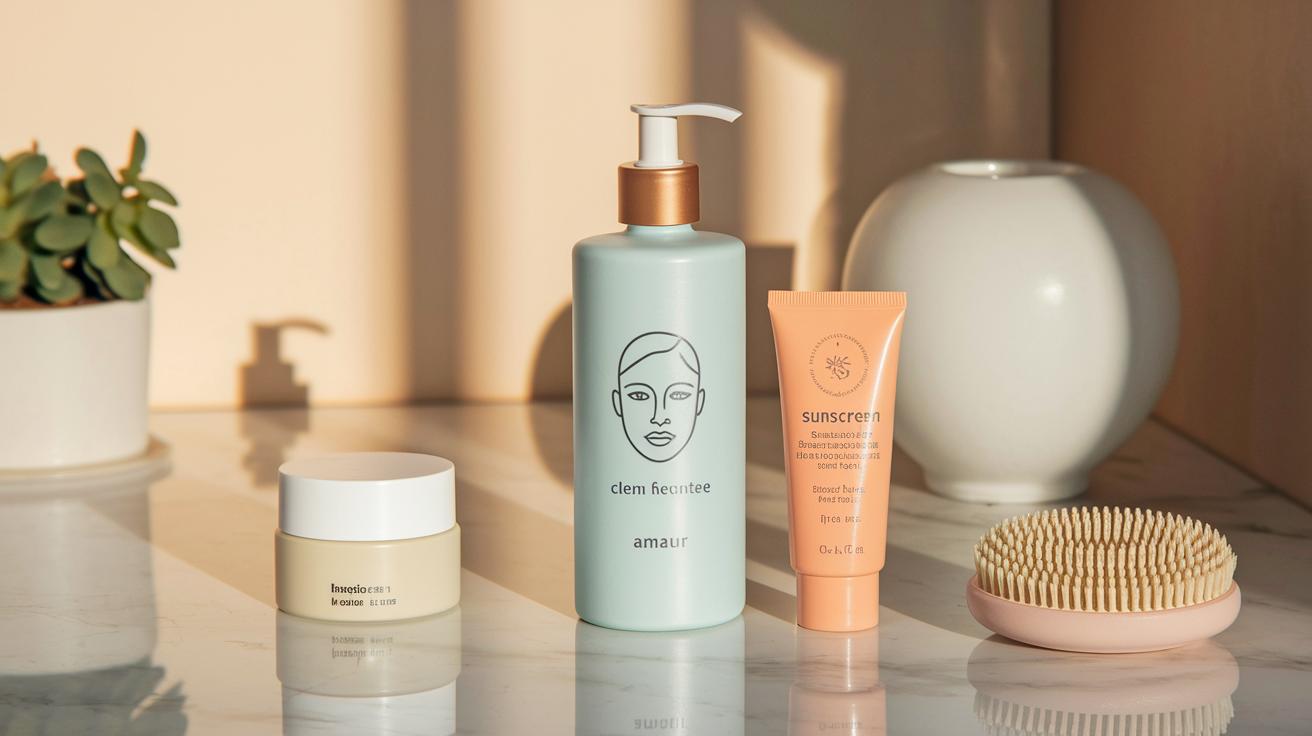
For a clear complexion, stick to a gentle routine: wash your face softly, use a light moisturizer, protect your skin from the sun, and exfoliate carefully. Much of this advice matches the Home Remedies and DIY Care for Tiny White Bumps section, so refer to that guide for the step-by-step details.
When picking skincare products, choose ones that suit your skin. For instance, if your skin is oily, use a light moisturizer that won’t clog your pores. If your skin is dry, go for a cream that hydrates well without causing buildup.
When to Consult a Dermatologist for Small White Bumps on Face
Quick take: If your white bumps stay for over 3 months, grow fast, or hurt, you need to see a skin doctor.
Triage Box – Watch for these warning signs:
- Bleeding or discharge.
- Intense itching or constant pain.
- Bumps that grow quickly.
- Changes in color or shape.
- Numbness or irritation after trying to remove them at home.
If you notice any of these signs, don’t wait. Home removal can sometimes lead to irritation, bruising, or even infection. A dermatologist (skin doctor) can check your skin safely using a close-up exam (dermoscopy) and decide if you need more tests, like a skin biopsy.
Seeing a dermatologist helps sort out different skin conditions. They may suggest a biopsy if a spot looks unusual. Acting early with professional care can keep your skin healthy and help avoid problems later.
Final Words
In the action, you’ve learned about common causes like milia, whiteheads, and other conditions. You explored safe home remedies, professional treatments, and key prevention routines.
This guide explained when a symptom deserves urgent attention and when you can safely monitor your skin. Remember to track your progress and note any key changes. Always keep your care routine simple and practical. Stay proactive and positive as you manage small white bumps on face while safeguarding your skin’s health.
FAQ
What are white bumps on my face that are not milia?
White bumps that are not milia might be whiteheads or clogged pores. They often appear with a central dimple or slight inflammation, and comparing their look with milia can help decide if you need a professional opinion.
How can I get rid of milia on my face?
Milia removal can involve gentle home care like a warm compress and mild exfoliation, but for safe extraction and minimal scarring, it is best to see a dermatologist for proper treatment.
What do small white bump pictures on skin typically show?
Images of small white bumps on skin usually reveal conditions like milia, whiteheads, or keratosis pilaris. Evaluating their size and location can help you decide on appropriate care or if professional advice is needed.
Why won’t some white bumps pop?
White bumps that won’t pop are often milia, which form deep under the skin with no opening. Attempting to pop them can lead to injury and scarring, so professional removal is recommended.
Can I remove milia naturally at home?
Naturally removing milia at home may involve warm compresses and gentle exfoliation, but it is important to avoid squeezing. Improper methods can cause scarring, so consider consulting a professional if in doubt.
What if I experience small white bumps from an allergic reaction?
Small white bumps from an allergic reaction could be your skin’s response to irritation, not milia. Use gentle cleansers and avoid harsh products, and seek medical advice if the reaction worsens or persists.
Can you squeeze milia out safely?
Squeezing milia is not safe because they form deep under your skin. Manipulating them at home can cause scarring or infection, so it’s best to have a dermatologist remove them correctly.
Why am I suddenly getting milia?
A sudden outbreak of milia may result from skin trauma, heavy skincare product use, or sun damage. Reassess your routine and consider professional advice to help manage and prevent further milia formation.