
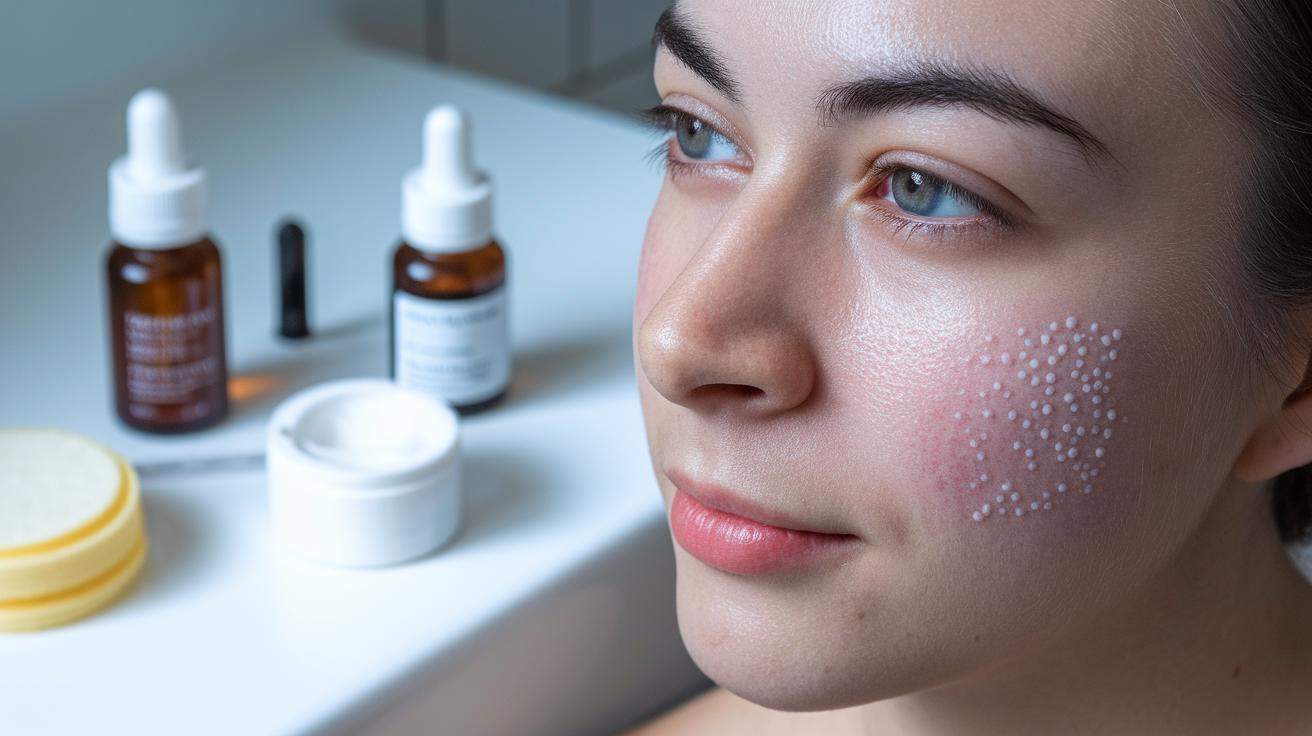

Quick take: Milia are tiny, harmless bumps that can improve with gentle care.
If you notice any pain, swelling, or rapid changes, call your doctor.
Milia are little cysts that form when keratin (a protein in your skin) gets trapped under the skin’s surface. They may seem annoying, but they are not harmful. In this post, we explain why these small, firm bumps appear and share easy tips to help fade them.
Try these simple steps:
• Gently wash your face with a mild cleanser.
• Lightly exfoliate to remove dead skin cells.
• Stick to a caring, routine skin regime.
With these small changes, you can work toward smoother skin and a boost in confidence.
Milia Bumps Explained: Definition, Causes, and Key Characteristics
Quick take: Milia bumps are tiny, harmless cysts that form when dead skin cells trap a natural protein called keratin.
Triage Box:
- Red flags: If the bumps become red, painful, or swollen, call your clinician right away.
- Basic care: Keep the skin clean and avoid picking at the bumps.
- Self-care: Use a gentle cleanser and follow mild exfoliation steps.
Milia bumps are small white or skin-colored cysts that measure less than 3 mm. They commonly appear around the eyes, cheeks, and nose. Anyone can get them. They form when keratin from dead skin cells gets trapped under your skin. This trapped keratin makes a tiny, dome-shaped bump that feels firmer than a usual pimple.
In newborns, milia – sometimes called milk spots – occur in about 50% of babies. This happens because a baby’s skin is still developing and their sweat glands are not fully mature. Most baby milia fade on their own in about 1 month as the skin renews.
For adults, milia can sometimes be linked to using thick creams around the delicate eye area or from not exfoliating gently enough on a regular basis. These practices can allow dead skin cells to build up and form these little bumps.
Milia are different from whiteheads. Whiteheads form when pores get clogged with oil and dead skin cells and have a small opening. Milia do not have an opening and therefore do not respond to acne treatments. Knowing this difference can help you avoid using harsh treatments that might irritate your skin further.
A practical tip: Gently cleanse your face twice daily and use an AHA toner (a mild chemical exfoliant) a few times each week to support skin renewal. And avoid trying to pop these bumps, as it can lead to irritation or infection.
Identifying Milia Bumps: Spotting and Differentiating from Other Facial Papules

Quick take: Milia bumps are tiny, firm, dome-shaped bumps that are harmless.
If a bump is red, inflamed, or has an open pore, it might not be milia. If you notice any of these signs or if the bumps worsen, check in with your doctor.
Milia are small, firm bumps under 3 mm in size and do not have a visible pore. They differ from whiteheads or acne, which often show signs of inflammation or an open pore. In lighter skin, milia are usually white or off-white. In darker skin, you might see a slight blue tint.
Think of it this way: one bump may look smooth and milky, while another might appear red with an open pore. Baby milia, often found on the nose or cheeks, are uniformly milky and lack any inflammation. In contrast, baby acne tends to create red bumps or small pimples that may even have tiny pus spots.
Recognizing these differences can help you decide the best next steps and avoid treatments meant for inflamed skin.
Common Triggers and Risk Factors for Milia Bumps
Quick take: Milia bumps occur when skin cells clump under the surface, usually needing only gentle care.
Triage:
• Red flags: If you see pain, swelling, or unusual redness around the bumps, call your doctor.
• Urgent: If the bumps spread or change quickly, seek same-day care.
• Self-care: For stable, small bumps, use light products and gentle cleansing, and watch them over time.
Milia form when tiny pockets of keratin (a skin protein) get trapped under your skin. In adults, using heavy creams that can block pores, especially near the eyes, often traps dead skin cells. For instance, if you apply a rich cream without gentle cleansing, dead cell buildup can occur.
Infants naturally develop these bumps because their sweat glands are still growing, which makes it harder for their skin to shed dead cells.
To help prevent milia bumps:
• Choose lightweight, non-blocking skincare products.
• Exfoliate gently every day with a cleanser that suits your skin type.
• If your baby’s bumps continue, follow your pediatrician’s advice.
Using milder products and a soothing cleansing routine can keep your skin clear and reduce the chance of milia bumps.
At-Home Milia Bumps Care: Gentle Exfoliation, Retinoids, and DIY Methods
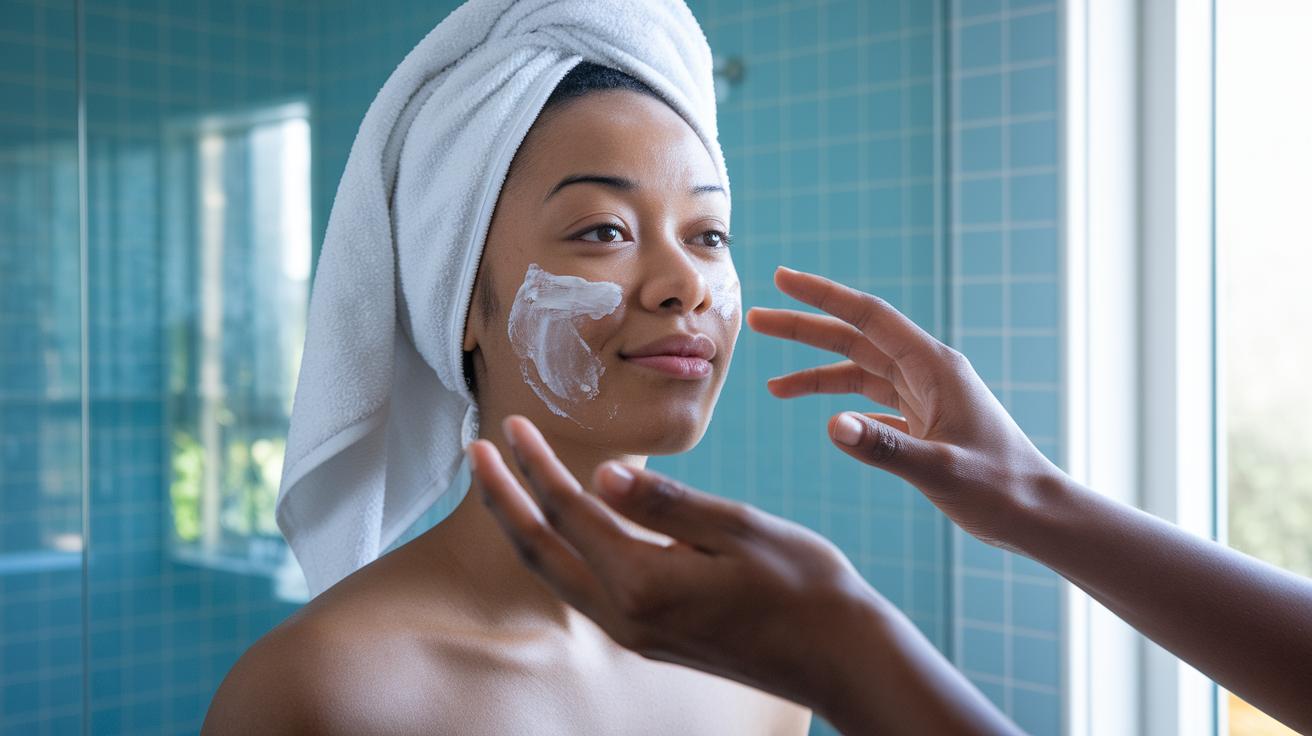
Quick take: You can ease milia bumps with a simple, calm home routine that cleanses, gently exfoliates, and supports skin renewal.
If your skin becomes red, swollen, or starts to hurt, contact your doctor right away.
Clean your skin twice a day with a gentle cleanser. This washes away dirt and extra oil without stripping your skin’s natural moisture.
AHA toners like glycolic acid help remove dead skin cells. Use one 2–3 times a week. Start with a small amount and see how your skin reacts. This mild acid helps reduce the build-up of keratin (a protein that can clog pores).
Every evening, dab a low-strength retinoid on the milia bump areas, keeping it away from your eyes. Retinoids boost skin renewal and help clear bumps. Use just a pea-sized amount on each spot.
Finish your routine with a light, non-comedogenic moisturizer. This keeps your skin hydrated without clogging pores.
• Cleanse twice daily with a gentle cleanser.
• Exfoliate with an AHA toner 2–3 times a week.
• Apply a low-strength retinoid at night, away from the eyes.
• Moisturize lightly after treatment.
Never try to pop or squeeze milia bumps. They don’t have an opening and need to fade on their own.
Professional Treatments for Persistent Milia Bumps: Dermatologist Techniques
If your milia bumps don’t clear up and they bother you, especially near your eyes, it’s best to see a dermatologist. A doctor can safely remove these small cysts without hurting your skin or causing scars.
One common method is manual extraction. In this procedure, the dermatologist uses a clean needle and a magnifier to gently open the bump and remove the trapped protein (keratin). This careful approach is important, especially on sensitive areas like the eyes.
Another option is electrocautery. Here, a tiny electric current is used to break down the cyst wall. This removes the bump while leaving the surrounding skin unharmed. In some clinics, this treatment can cost around $28 USD, making it an affordable choice.
Avoid trying to pop or remove milia at home. Doing so can lead to irritation, infection, or even lasting scars. If you notice any signs of infection such as increased redness, swelling, or pain, get help immediately.
• Get professional help if over-the-counter methods don’t work.
• Do not try to remove milia by yourself.
• Trust a dermatologist for safe removal with techniques like manual extraction or electrocautery.
Preventing Milia Bumps: Daily Skincare Strategies for Long-Term Control

Keep your skin routine steady and gentle. Milia bumps (small, white skin bumps) form when dead cells clog your pores. You can help prevent them by fine-tuning your daily care.
- Wash your face with a gentle cleanser every morning and night.
- Once a week, use an AHA toner (alpha hydroxy acid, which helps remove dead skin) to boost cell turnover.
- Use a light, non-greasy moisturizer to keep your skin hydrated without clogging your pores.
- Apply a broad-spectrum sunscreen on all exposed skin, even on your eyelids, every day to minimize UV damage.
Final Words
In the action, you learned how milia bumps form, how to spot them, and what triggers them. We covered gentle at-home care steps and when to seek help from a professional. A clear skincare routine can lower risks and support natural shedding. Keep using mild cleansers, gentle exfoliation, and non-occlusive moisturizers daily. Stay proactive in tracking your progress and consulting a clinician if needed. Keep following these tips to manage milia bumps and support your skin's health.
FAQ
What do white bumps on my face that are not milia mean?
White bumps that aren’t milia may be closed comedones or whiteheads. They appear inflamed or have a central pore, unlike the firm, dome-shaped milia. A clinician can offer a proper diagnosis.
How can I safely remove or treat my milia?
Milia removal is best done with gentle at-home care using a mild cleanser and AHA exfoliation, or through professional extraction by a dermatologist. Avoid trying to pop milia at home to prevent scarring.
What causes milia and why do they form?
Milia form when keratin (a skin protein) from dead cells gets trapped beneath the skin’s surface. This buildup creates small, hard bumps commonly seen on the face.
Why did milia appear on my chin or back?
Milia on the chin or back occur from trapped keratin similarly to facial milia. Factors such as irritation or heavy product use in those areas can contribute to their formation.
What is milia en plaque?
Milia en plaque describes clusters of grouped milia that form a denser area of small white bumps. This presentation often needs professional evaluation for proper management.
How long do milia bumps last and what happens if they go untreated?
Milia bumps typically last until natural skin shedding occurs, which can take several weeks. If left untreated, they are harmless and often resolve on their own over time.