


Quick take: Itchy red bumps on your face may signal a simple bug bite or allergy, but act now if you see serious signs.
If you have any of these signs, call emergency services immediately:
• Severe swelling around your face or eyes
• Trouble breathing or swallowing
• Rapid worsening of your symptoms
Have you ever noticed your face breaking out in itchy red bumps? They might be caused by something as common as a bug bite or an unexpected allergic reaction. That discomfort can easily ruin your day. In this post, we explain some common reasons you might see these bumps and give you practical tips for clear skin relief. Follow gentle care for mild symptoms and watch for red flags that mean you need to act right away.
Comprehensive Overview of Itchy Bumps on Face: Causes, Symptoms, and Relief
Quick take: If you see red, itchy bumps on your face, note any severe changes and act fast if needed.
Triage Box
If you have any of these emergency signs, call emergency services now:
• Severe swelling or pain
• Fever, chills, or red streaks spreading from the bump
• Pus or signs of active infection
Urgent concerns:
• Bumps that spread quickly
• Intense itching that disrupts your daily life
Self-care steps:
• Use gentle skin care and track changes in your symptoms
• Watch for worsening signs over the next few days
Itchy bumps can pop up from common triggers. These skin problems might come from simple causes like mosquito bites or unexpected allergic reactions. Sometimes, you might not know what started the bumps, and that can feel confusing and worrisome.
Common causes include:
• Eczema – a rash that forms when irritants (like dust or pollen) cause red, flaky skin.
• Folliculitis – a bacterial infection that clogs hair follicles, especially after frequent shaving.
• Psoriasis – bumps that may have a silvery tint, often linked to genetics, certain medications, or cold weather.
• Scabies – tiny mites living under the skin that lead to very itchy spots, which can spread easily.
| Cause | Key Signs |
|---|---|
| Eczema | Red rash with flakes or blisters |
| Folliculitis | Bacterial infection from clogged hair follicles |
| Psoriasis | Bumps with a silvery tint, worsened by cold |
| Scabies | Extremely itchy lesions caused by tiny mites |
You can try some simple relief steps at home to ease the irritation:
- Apply a cold compress (10–15 minutes) to reduce swelling and numb the itch.
- Use an over-the-counter hydrocortisone 1% cream to calm inflammation.
- Wash your face gently with hypoallergenic products to avoid further irritation.
Keep an eye on how long the bumps last and if they spread or intensify. Note any new symptoms like increasing redness, pain, or fever. Tracking these changes can help decide if you should continue at-home care or contact a dermatologist.
Remember, it’s normal to feel unsettled when your skin acts up. Use these steps to find immediate relief and protect your long-term skin health. Stay observant, and don’t hesitate to seek medical advice if your symptoms worsen.
Major Skin Conditions Behind Itchy Facial Bumps and How to Tell Them Apart
Quick Take: Itchy bumps can have several causes.
If you notice severe pain, swelling, fever, or the bumps are spreading quickly, call emergency services now. If the symptoms continue or worsen, consider seeing your doctor soon.
Acne happens when pores get clogged by oil, dead skin cells, and bacteria. You might see bumps with white or yellow centers. As the area becomes inflamed, these bumps can turn red and even form pus. Acne usually shows up in oily spots on your skin and can vary with age or skin type.
Eczema makes your skin red, flaky, and even blister. It causes a strong itch that can be very uncomfortable. Allergens or irritants, such as certain fragrances in personal care products, can trigger this rash quickly. The rash may look similar to other skin problems, so keep an eye on it.
Folliculitis is an infection or irritation of the hair follicles. It often follows shaving or areas where the skin rubs together. This condition leads to red, itchy pustules that form in clusters around the affected hair-bearing areas. These bumps tend to stay in one spot where the irritation happened.
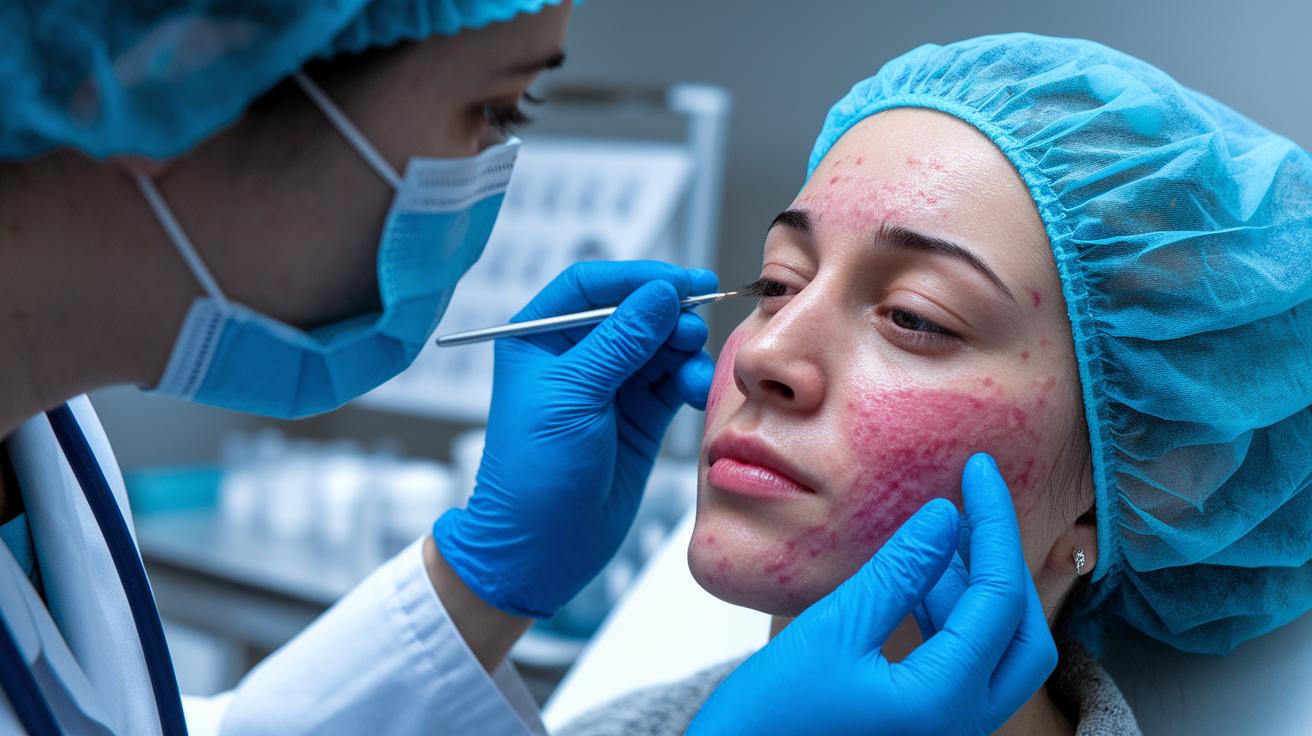
Rosacea causes a steady red color on your face and makes small blood vessels visible. You might also notice tiny red bumps that can sometimes fill with pus. Sunlight, heat, and stress are common triggers that make rosacea worse. Unlike acne, which can form clusters of pimples, rosacea usually brings a more even redness and occasional flare-ups.
Hives (urticaria) appear as raised, red welts that show up suddenly and change shape quickly. They cause a sharp itch and often fade away within 24 to 48 hours. Their quick start and short duration can help you tell them apart from other conditions.
Keratosis pilaris leads to small, rough bumps on your skin that do not have pus. This happens when keratin (a protein in your skin) builds up in hair follicles. These bumps are typically found on your cheeks, upper arms, or buttocks and are only mildly itchy. Their texture, rather than redness or inflammation, sets them apart.
How to tell them apart:
- Acne: Look for clogged pores with white or yellow centers.
- Eczema: Notice a red, flaky, or blistering rash with a strong itch.
- Folliculitis: Check for red, itchy bumps that appear after shaving or skin friction.
- Rosacea: Watch for steady facial redness with small visible blood vessels.
- Hives: Identify rapidly changing, very itchy red welts.
- Keratosis pilaris: Feel for small, rough bumps without pus.
Home and Over-the-Counter Remedies for Soothing Itchy Bumps on Face
Quick take: Simple home treatments can ease itchy bumps on your face quickly.
If you have any of these warning signs, call emergency services now:
- Trouble breathing
- Swelling around your mouth or eyes
- Rash that spreads rapidly
Itchy bumps on your face can be very uncomfortable. Over-the-counter remedies can cool the area, lower inflammation (swelling), and help your skin heal. These products work by calming the itch and reducing redness, so you feel better faster.
Before trying a new remedy, test a small bit on your skin. Use the product as directed and watch how your skin reacts. Combining gentle care with trusted ingredients may bring both quick relief and lasting improvement.
Here are some options to try:
- Hydrocortisone 1% cream – Apply twice a day to ease swelling and reduce itch.
- Calamine lotion – Use it for a cooling and drying effect on wet or blistered areas.
- Pure aloe vera gel – Soothes burning itch and supports natural skin repair.
- Cold compress – Place a cool, damp cloth on your face for 10-15 minutes to lower swelling.
- Oatmeal-based soothing mask – Helps calm rashes from irritants.
- Gentle lactic acid exfoliation – Use with a soft washcloth to remove dead skin cells and keep pores clear.
- Diphenhydramine or menthol gel – Numbs the area and reduces discomfort.
Try one remedy at a time and keep a simple record of what you use, the duration, and any changes in your skin. This can help you and your healthcare provider decide on the best care for your skin.
Preventing Future Itchy Bumps on Face and Knowing When to Seek Professional Help
Quick take: Stick to gentle, fragrance-free products while watching for warning signs.
If you notice any of these, see a dermatologist:
- Bumps that spread widely
- Severe discomfort or burning pain
- Accompanying swelling or fever
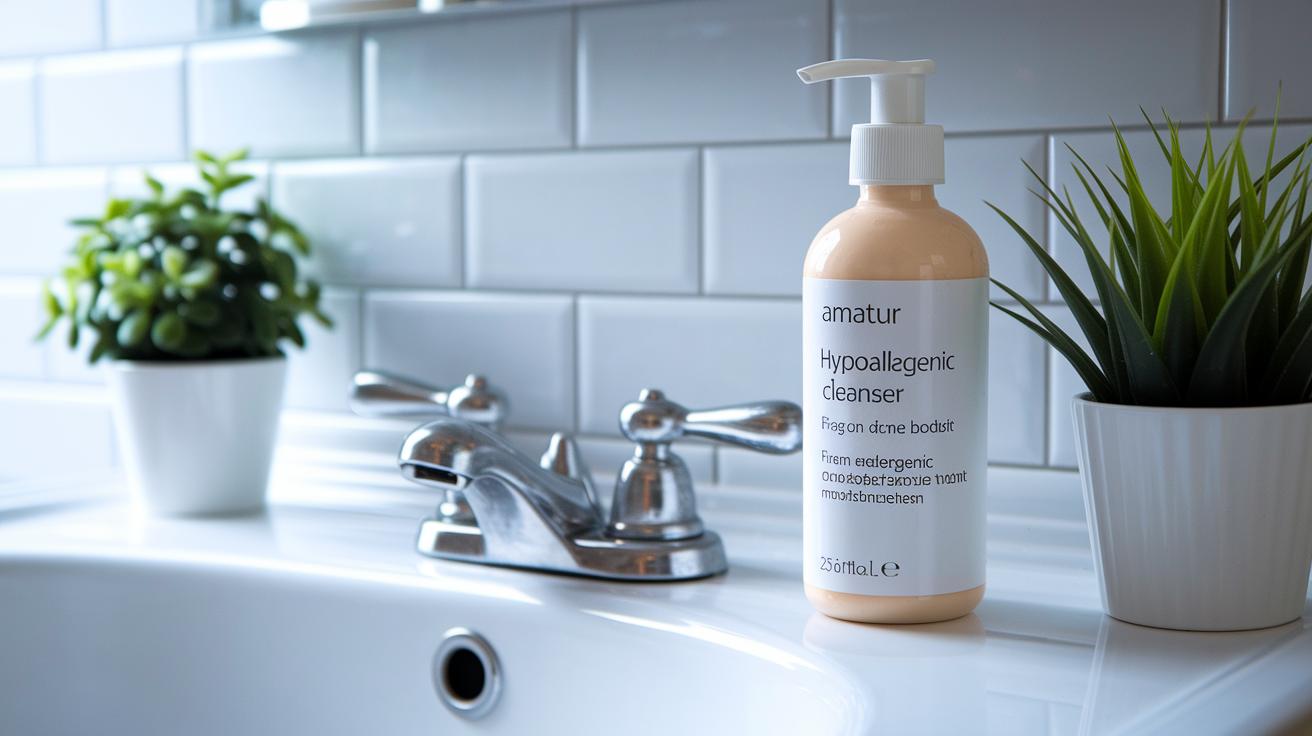
Using a hypoallergenic cleanser and a non-comedogenic moisturizer helps build a strong skin barrier that keeps irritants away. Many people find that switching to a gentle cleanser reduces flare-ups.
Avoid products with strong fragrances, alcohol-based toners, or rough scrubs because they can make your skin more irritated. Always test a new product on a small patch of skin for 48 hours before using it on your face.
Keep a simple daily routine:
- Use a gentle, fragrance-free cleanser.
- Moisturize with a lotion that does not clog pores.
- Apply a broad-spectrum sunscreen with SPF 30 or higher each morning to protect your skin from UV rays.
Track any changes in a personal log. Write down if you see increased redness, new bumps, or itchiness that lasts more than 2 weeks. Bring this log to your dermatologist appointment so they can check your progress and adjust your treatment if needed.
If your facial bumps continue to spread, cause strong discomfort, or come with pain, swelling, or fever, get professional care. Early evaluation helps catch any skin issues and allows a dermatologist to create a plan that fits your skin’s needs.
Following these steps and avoiding harsh products can help keep your skin calm and prevent future outbreaks.
Final Words
In the action, you explored common causes of itchy bumps on face, from minor irritants to conditions like eczema and acne. You reviewed clear steps to soothe symptoms and tips to prevent future flare-ups. The guide offered practical home remedies and red-flag signals that need professional care. Keep a close eye on your symptoms and share your detailed observations with your clinician for a more effective visit. Small, informed steps can bring relief and brighten your day.
FAQ
What might cause tiny, colorless itchy bumps on the face?
Tiny, colorless itchy bumps can come from mild allergic reactions, irritation, or insect bites rather than acne. They often prompt a need to avoid skin irritants and use gentle cleansers.
Why do I suddenly get itchy bumps on my face, and what are common triggers?
Sudden itchy bumps on the face may arise from allergic flare-ups, irritants, or skin infections like folliculitis. Triggers include new skincare products, pollen, or insect bites.
How can I treat itchy bumps on my face and what remedies help?
Treat itchy facial bumps by applying hydrocortisone 1% cream, a 10-minute cold compress, or soothing aloe vera gel. Calamine lotion can also ease irritation and provide relief.
What do dermatitis bumps look like on the face?
Dermatitis bumps appear red, swollen, and can be flaky or blistered. They differ from acne by lacking a central whitehead and often cause more intense itching and discomfort.
How do you treat itchy skin in children, especially on the face?
For children with itchy facial skin, use a gentle cleanser and a cool compress. A pediatric hydrocortisone cream may help reduce inflammation, but always consult a clinician before use.
Can pregnancy cause a rash on the face, and why might this happen?
Pregnancy can change hormone levels, which may increase skin sensitivity and lead to rashes or itchy bumps on the face. These changes can make the skin react more to irritants.
What are some home remedies for relief from small, itchy bumps on the skin?
Home remedies include using an oatmeal-based mask, gentle lactic acid exfoliation, or applying hydrocortisone 1% cream. A cold compress and calamine lotion can also calm the itch and reduce inflammation.