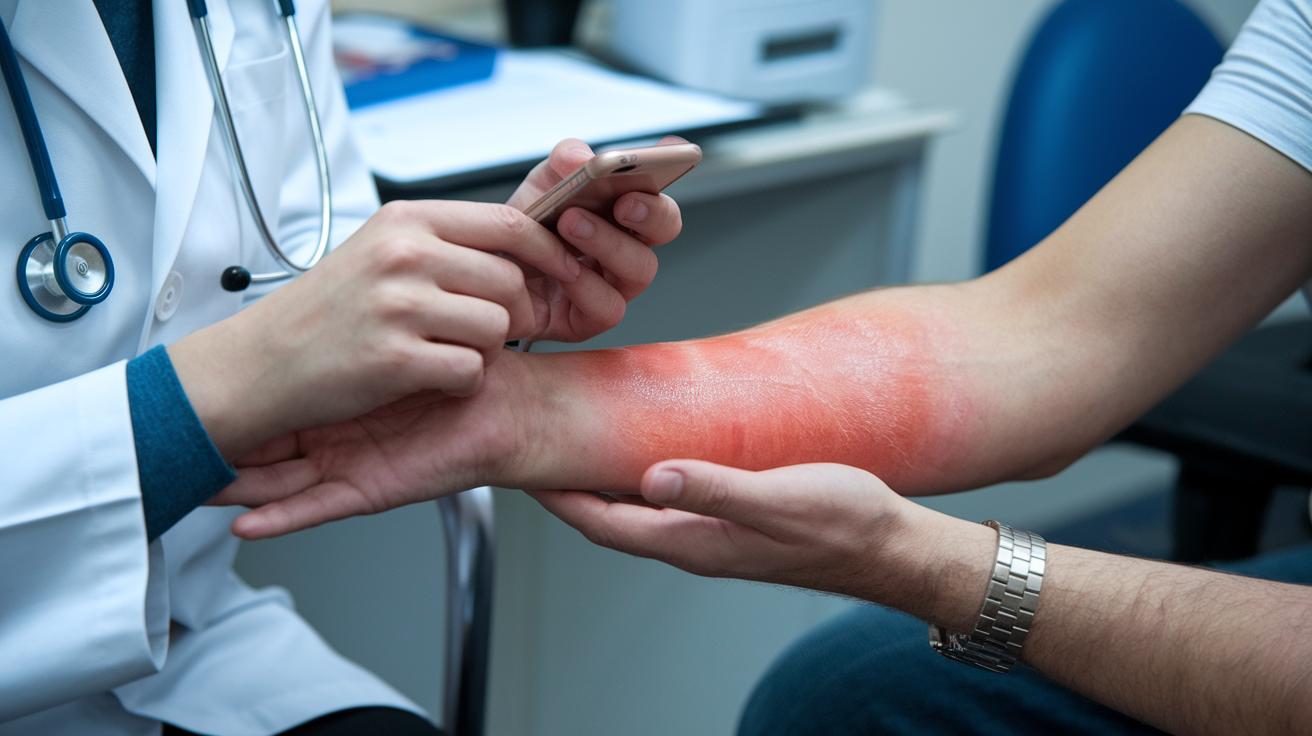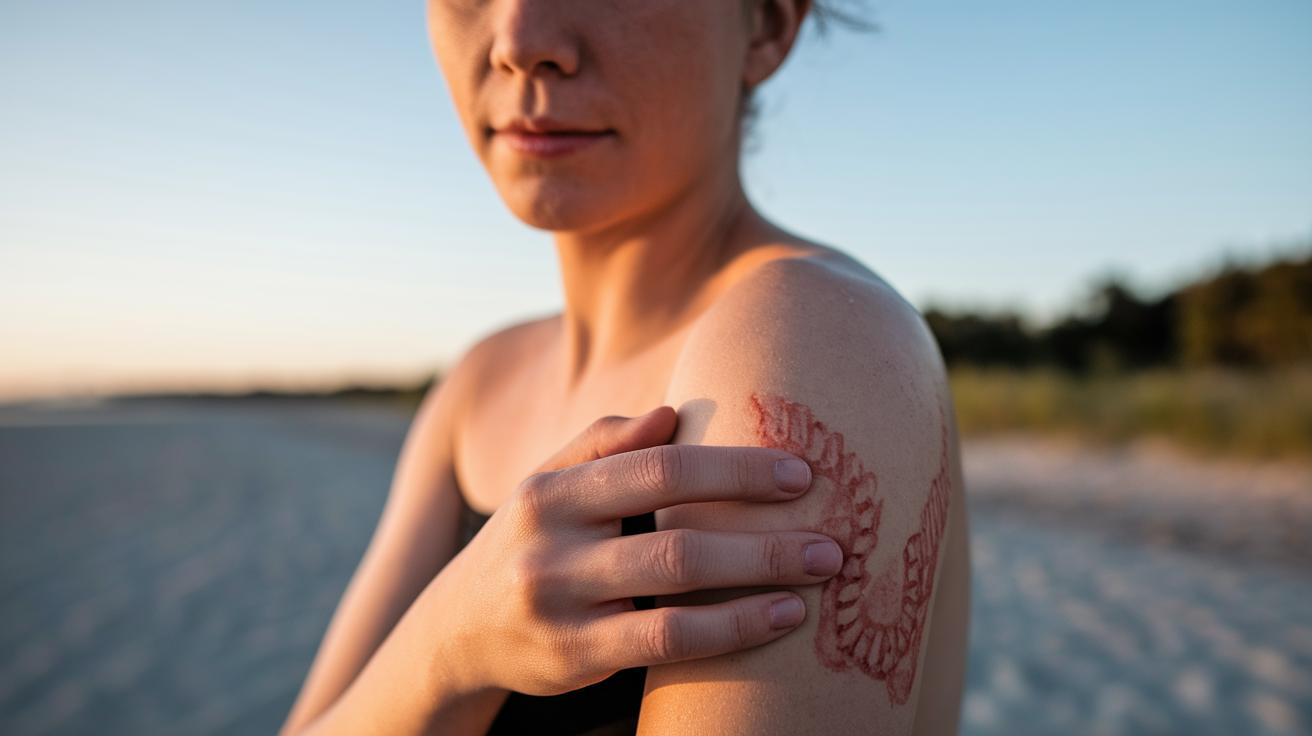
Quick take: Too much sun can leave your skin red, itchy, and burning.
If you have any of these signs, severe blistering, intense pain, swelling, or fever, call emergency services now. Otherwise, follow these steps:
• Cool your skin with a damp cloth.
• Get out of the sun immediately.
• Use a gentle, soothing lotion.
• Monitor your symptoms, and if they get worse over the next few hours, seek care.
Have you ever wondered if the sun is causing your skin to act up? Spending just a few extra minutes outside can make your skin feel like it’s burning, much like a sour lemon drop. The ultraviolet (UV) light in the sun harms your skin cells and triggers irritation.
In this post, you’ll learn simple tips to calm that irritation and help your skin feel comfortable again. Stick with these quick self-care steps to ease those unwanted sun-induced symptoms and keep your skin safe.
How Sun Exposure Leads to Skin Irritation and Ways to Soothe It
Quick Take: Sun exposure can inflame your skin fast, causing redness, itching, and a burning feeling.
Triage Box:
- Call emergency services now if you notice severe swelling, blisters, or trouble breathing.
- Seek urgent care if pain worsens or you feel feverish.
- For mild reactions, try cooling measures and basic self-care.
Sunlight, especially UV light, can hurt your skin by damaging skin cells. When cells are harmed, they release chemicals called histamines (substances that cause allergy-like symptoms). This response makes your skin red, hot, and itchy, particularly in areas hit hardest by the sun like your face, neck, and arms.
Often this reaction is known as sun rash. With proper care, it usually fades in 10 to 14 days. Simple, prompt steps can break the cycle of irritation and allow your skin to heal.
To soothe your skin:
- Apply a cool compress.
- Use pure aloe vera gel.
- Dab a 1% hydrocortisone cream from your local pharmacy.
- Wear loose, breathable clothing.
- Move to a shaded area or go indoors.
Taking these actions cools your skin and reduces the release of histamines, helping to calm the irritation. Follow these steps and monitor your symptoms. If they worsen or new severe signs appear, contact a healthcare provider right away.
Recognizing Different Sun-Triggered Rashes and Their Characteristics
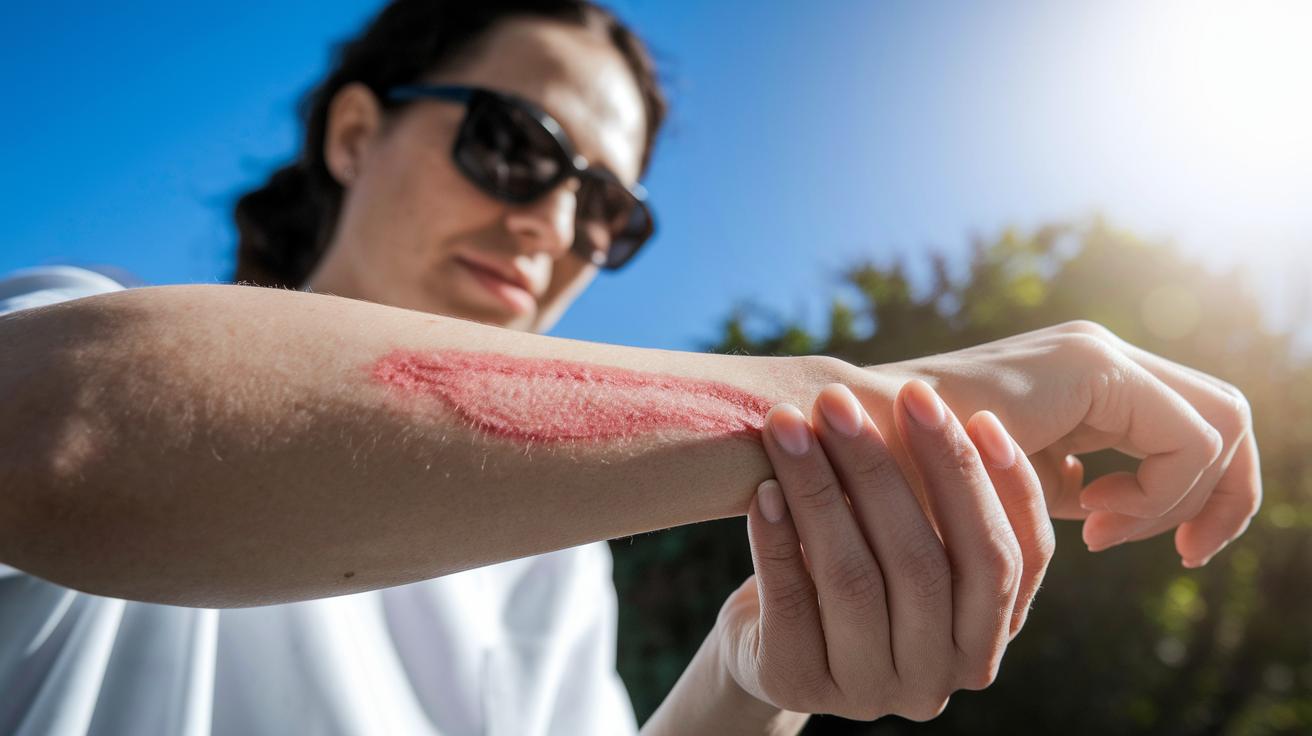
Quick take: Not all sun-related rashes are the same, knowing the type can help you treat it right.
Triage Box:
• If you see fever, severe pain, blisters, or a rash that spreads quickly, seek urgent medical care.
• If the rash becomes very uncomfortable or does not start to improve within 14 days, call your doctor.
Knowing what type of rash you have is important to get relief. Sun exposure can trigger different skin reactions. A sun rash usually appears on skin hit directly by sunlight, while a heat rash forms in warm, sweaty areas. Spotting these differences lets you choose the care that best suits your skin. For example, cooling and anti-itch treatments may ease a sun rash, while a heat rash might need cooling and less friction.
Let’s look at a side-by-side comparison:
| Rash Type | Cause | Main Signs |
|---|---|---|
| Heat Rash | Heat and humidity | Small red bumps in skin folds that clear when cooled |
| Sun Rash | skin irritation from sun: Feel Calm and Cool
Quick take: Your skin might react fast to the sun if you have natural sensitivity or are exposed to extra sun risk factors. Triage guidelines: Intrinsic factors put you at higher risk if you have light skin, a family history of sensitive skin, eczema (skin inflammation), or autoimmune conditions like lupus. These issues can make your skin turn red, feel itchy, and burn quickly once you get too much sun. You might notice these symptoms almost immediately after being outdoors, so knowing your risk helps you protect your skin better. Other external factors can also make sun irritation more likely. Certain drugs, such as tetracyclines and diuretics, along with some fragrances, may trigger an allergic reaction from sunlight (photoallergic dermatitis). Changes in the weather, high-altitude areas, as well as reflective surfaces like water or snow, can boost your UV exposure and risk for irritation. Understanding these triggers means you can take extra steps to shield your skin when the sun is strong. Prevention Tips to Avoid Skin Irritation from Sun
Using the right sunscreen can keep your skin safe from sun damage. A broad-spectrum sunscreen with SPF 30 or higher protects your skin from both UVA (aging rays) and UVB (burning rays), which is key for preventing irritation and inflammation. Reapplying the sunscreen is important because water, sweat, or even time can weaken its protection, leaving your skin at risk. Try these steps to protect your skin:
By making these habits part of your daily routine, you help keep your skin calm and reduce the risk of irritation and inflammation. Taking care of your skin now means it will be healthier and more comfortable in the future. Home Remedies and OTC Solutions for Easing Sun-Induced InflammationWhen your skin feels hot and irritated after too much sun, natural remedies can help cool things down. Try applying pure aloe vera gel for a soothing, red-light relief. An oatmeal bath can also ease the burning and irritation, and chilled cucumber slices placed on the skin help lessen the discomfort. These simple treatments work by calming the heat and soothing the inflammation caused by UV light. Over-the-counter creams can give targeted relief when the itch and irritation stick around. A 1% hydrocortisone cream helps lower the swelling and itch. Calamine lotion is another option that cools and relieves irritated skin. If the rash or itch becomes more than a minor bother, an oral antihistamine may help reduce the symptoms and keep the reaction in check. It is important to support your skin as it heals. Drink plenty of water to keep your body and skin hydrated. Use a moisturizer with skin-repairing ingredients like ceramides or glycerin to restore your skin’s barrier. Also, avoid irritants such as harsh soaps or tight clothing that can worsen the irritation. These steps can break the inflammation cycle and help your skin recover. Knowing When to Consult a Professional for Sun-Related Skin Inflammation
If you notice strong symptoms after spending time in the sun, it's best to see a doctor immediately. Look for these red flags: When you see these warning signs, your doctor will perform a careful exam. They may use patch testing (a method to check for skin allergies) or blood tests to rule out other issues like autoimmune reactions or phototoxic disorders (skin reactions triggered by sunlight). Your doctor might prescribe creams to reduce irritation and inflammation or suggest light therapy (phototherapy) if the rash keeps coming back. Getting prompt care can help prevent more serious sunburn complications. Final WordsIn the action, this article has outlined how UV exposure causes skin irritation from sun and highlighted practical steps. We covered warning signs like red patches and blistering, shared home remedies like cool compresses, and provided key prevention tips such as using broad-spectrum sunscreen. You now have clear steps to calm discomfort and decide if care is needed. Keep using these tips to stay safe and enjoy sunny days with confidence. Stay positive and take charge of your skin care. FAQWhat do sun rash photos show?Sun rash photos show red, irritated patches and bumps on skin areas exposed to sunlight, such as the face and legs. These images help in recognizing skin redness, swelling, and itching from sun exposure. What is sun allergy treatment?Sun allergy treatment reduces symptoms by using cool compresses, pure aloe vera gel, and over-the-counter hydrocortisone cream. Limiting sun exposure and wearing protective clothing also help manage the reaction. What is polymorphous light eruption?Polymorphous light eruption is a rash triggered by UV-A rays that appears as clusters of red bumps or blisters. It typically resolves within 10–14 days with supportive care and proper sun protection. What should I put on sun irritated skin?For sun irritated skin, cool compresses, pure aloe vera gel, and OTC 1% hydrocortisone cream offer relief. These treatments help reduce redness, swelling, and the discomfort caused by sun exposure. What does sun sensitive skin look like?Sun sensitive skin appears red, patchy, and inflamed on areas that face the sun. It may feature small bumps, itchiness, or a burning feeling, indicating a reaction to UV exposure. Why might I suddenly develop a sun allergy?Sudden sun allergy can result from changes in medication, increased skin sensitivity, or an underlying condition. These factors can make your skin react more strongly to sunlight, triggering a rash. What is a photosensitivity rash on a toddler?A photosensitivity rash on a toddler appears as red, blotchy skin on areas exposed to the sun. It usually requires gentle home care and prompt evaluation by a clinician if the symptoms worsen. Subscribe Today GET EXCLUSIVE FULL ACCESS TO PREMIUM CONTENT SUPPORT NONPROFIT JOURNALISM EXPERT ANALYSIS OF AND EMERGING TRENDS IN CHILD WELFARE AND JUVENILE JUSTICE TOPICAL VIDEO WEBINARS Get unlimited access to our EXCLUSIVE Content and our archive of subscriber stories. Latest article |