

Quick take: Pool chlorine can strip your skin’s natural oils, leaving it dry and irritated.
Triage:
• If your skin becomes very red, swollen, or painful, or if you notice signs of infection (increasing warmth, pus, or fever), seek medical care right away.
After swimming, you might feel tight skin because chlorine washes away the oils that keep your skin moist. This can make your skin feel dry, red, and itchy. Although it may seem like a minor irritation, it can affect your comfort and confidence.
Here are some simple steps to care for your skin after a swim:
- Rinse off with fresh water as soon as you get out of the pool.
- Gently pat your skin dry with a towel.
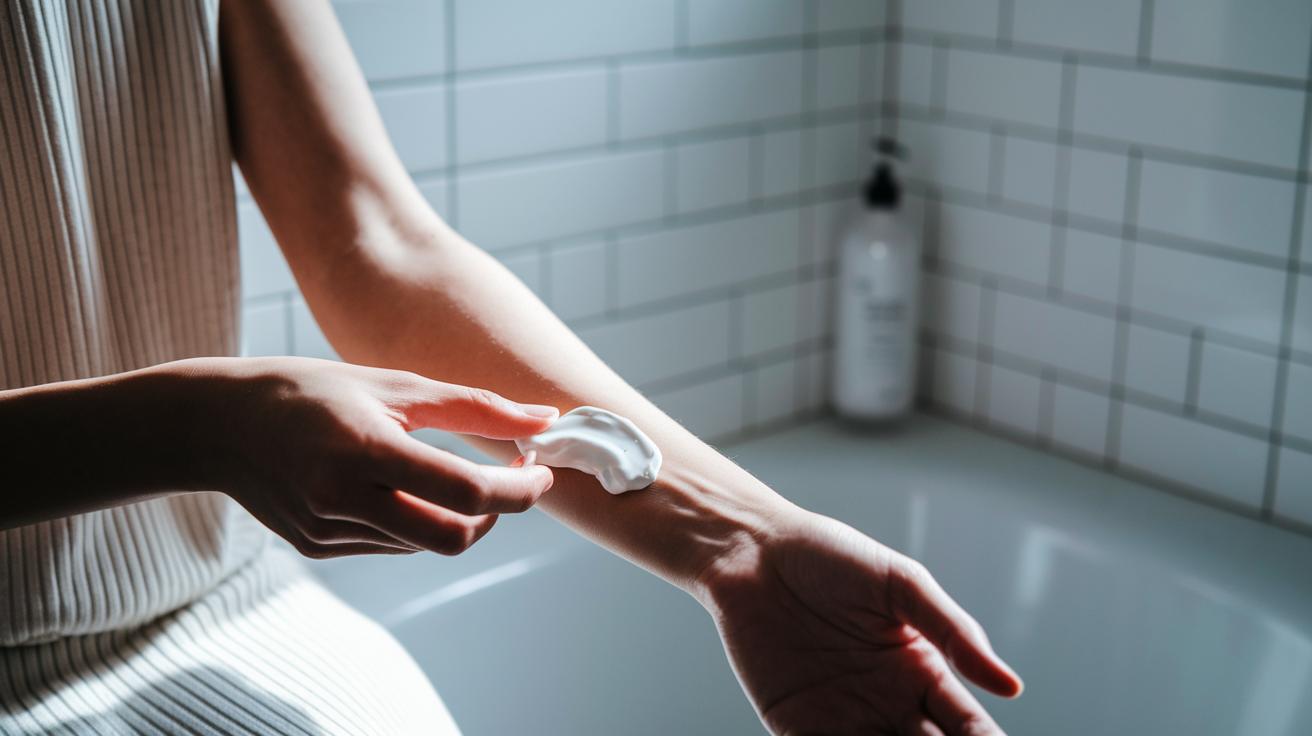
- Apply a moisturizer while your skin is still damp to lock in moisture.
- Use soothing lotions (such as those with aloe vera) if your skin continues to feel irritated.
By taking these steps, you can help restore moisture to your skin and reduce irritation, so you can enjoy each swim without worry.
Reviewed by Dr. Jane Smith, Family Medicine – Last review: 10/2023.
Understanding Chlorine-Related Skin Irritation: Causes, Symptoms, and Prevention
Quick take: Chlorine in pool water can dry out and irritate your skin.
Triage Box:
• Call for help if you notice severe swelling, blistering, or intense pain.
• Get urgent care if the rash worsens or covers a large area.
• Otherwise, try self-care by rinsing off and using a gentle moisturizer.
When you swim in chlorinated water, you might end up with a rash. The chemicals in the water can strip away your skin’s natural oils, leaving it dry, red, and itchy. You feel a tight, dry sensation much like when you over-wash your hands without applying lotion afterwards. This is not an allergy, it’s a chemical imbalance caused by chlorine.
Chlorine breaks down the natural lipids and proteins in your skin (the elements that work like a protective barrier). Losing these makes your skin more prone to dryness and irritation. Even one swim can make your skin feel tight and uncomfortable. Spot early signs like mild redness or slight flaking as hints that pool water is affecting your skin health.
To prevent this irritation, take a few simple steps:
• Apply a cream or ointment as a protective barrier before you swim.
• Rinse off with lukewarm water right after swimming to remove chemicals.
• Wash gently with a mild cleanser that gets rid of chlorine without removing your skin’s natural oils.
Think of it like wearing a raincoat when it pours, it helps protect your skin’s natural defenses so you feel better after your swim.
How Chlorine Damages Your Skin Barrier: The Science Behind the Irritation
Chemical Process of Chlorine Damage
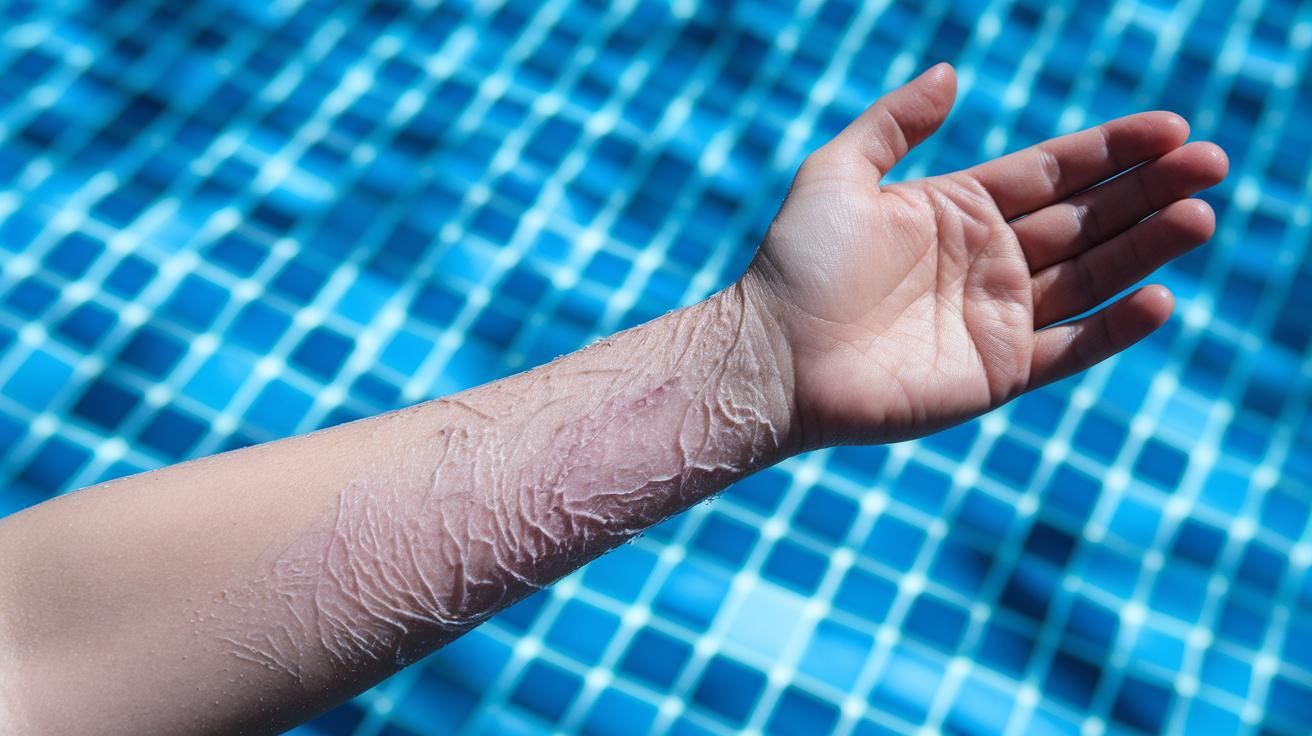
Chlorine is a strong oxidizer. It breaks down dead skin cells and bacteria while removing the natural oils (sebum) that keep your skin moisturized. Without these oils, the fats and proteins that hold your skin together start to break down. Think of your skin like a brick wall. Chlorine takes away the mortar, just like a heavy rain can wash off the protective coating from a wooden door.
Immediate Effects of Exposure
After a swim, you might feel tightness or discomfort. This happens because your skin’s barrier is weakened, and the natural oils are gone. Your skin can feel dry, rough, or even a little flaky right away. When you get out of the water, the cold air quickly pulls out the remaining moisture, leaving your skin parched.
Long-Term Consequences of Repeated Contact
Over time, frequent exposure to chlorine can cause ongoing problems. Your skin may lose more of its natural fats, becoming chronically dry. This loss can speed up signs of aging, much like how too much sun leads to wrinkles. Repeated chlorine contact also makes your skin more sensitive to irritants and inflammation. In comparison, salt-water pools use less chlorine and have a pH similar to human tears, which is gentler and helps keep your skin’s barrier healthier.
Recognizing Contact Dermatitis from Chlorinated Water: Symptoms to Watch For
Quick take: Chlorine in pool water can irritate your skin, watch for red patches, bumps, or blisters.
Triage Box:
- Call emergency services now if you have trouble breathing or severe swelling (especially around your face or lips).
- Seek same-day care if the rash spreads quickly or pain worsens.
- If symptoms are mild, gently wash the area and moisturize while monitoring the reaction.
When chlorine gets on your skin, it can cause red patches and tiny hives. After a swim, you might notice spots on your arms, legs, or face. Your skin may start to itch, sometimes just a mild tingle, or other times it can be quite uncomfortable. In some cases, you might even see small blisters. This happens because chlorine removes moisture from your skin and weakens its natural barrier.
If you have sensitive skin, eczema, are a child, or swim a lot, you are more likely to get this irritation. Watching for redness, swelling, and discomfort can help you catch contact dermatitis early. Noticing these signs right away lets you take simple steps at home to care for your skin and prevent further damage.
Top Prevention Strategies for Avoiding Pool-Induced Skin Reactions

Quick take: Follow these simple steps to protect your skin from chlorine burn before, during, and after your swim.
Before you jump in, coat your skin with a barrier cream like petrolatum, dimethicone, or zinc oxide. This cream helps keep chlorine from stripping your skin’s natural oils. Also, apply water-resistant mineral sunscreen (SPF 50) on areas that will be exposed as an extra shield.
During your swim, keep these points in mind:
- Swim for no more than 30–60 minutes.
- Take a quick rinse break every 30 minutes with lukewarm water.
- Rinse off mid-swim to wash away chlorine and other chemicals.
After you leave the pool, do the following right away:
- Rinse immediately with lukewarm water to clear away lingering chemicals.
- Wash with a gentle cleanser that is designed to remove chlorine.
- Within three minutes of drying, apply a rich, fragrance-free moisturizer to lock in your skin’s moisture.
Sticking to this routine keeps your skin calm and helps it stay strong against chlorine irritation. Enjoy your swim without worry by following these clear and practical steps.
Effective Home Treatments and Remedies for Chlorine Skin Reactions
Quick take: Mild chlorine skin reactions usually improve with simple home treatments.
Triage:
• If you experience severe swelling, intense pain, or have trouble breathing, call emergency services now.
• If your symptoms worsen or do not improve, seek urgent care.
• For mild irritation, follow these at-home steps and monitor your progress.
After a swim, your skin might feel red, itchy, or dry from chlorine. Simple home remedies can calm the irritation and help your skin repair itself. A cool compress applied for 10–15 minutes cools the skin and lowers swelling. An oatmeal bath (1 cup of colloidal oatmeal in lukewarm water for 15 minutes) soothes itching and hydrates your skin. Pure aloe vera gel, used 2–3 times daily, eases redness and supports healing. If itching lingers, a 1% hydrocortisone cream used twice daily can help reduce discomfort and inflammation. Finally, a fragrance-free, ceramide-rich moisturizer applied after cleansing locks in moisture and helps rebuild your skin’s barrier.
| Remedy | How to Use | Benefits |
|---|---|---|
| Cool Compress | Apply for 10–15 minutes | Reduces swelling and cools the skin |
| Oatmeal Bath | Soak for 15 minutes in water with 1 cup of colloidal oatmeal | Eases itching and adds moisture |
| Aloe Vera Gel | Apply 2–3 times daily | Reduces redness and supports skin repair |
| Hydrocortisone Cream | Use a 1% cream twice daily | Relieves persistent itching and inflammation |
| Fragrance-Free Moisturizer | Apply after cleansing | Locks in moisture and rebuilds skin barrier |
Try these steps and note how your skin feels after each treatment. Keeping a simple record of changes can help you see what works best, allowing you to enjoy your swim while keeping irritation in check.
Professional Treatment Options for Severe Chlorine-Related Dermatitis

Quick take: If your skin stays irritated over 7 days, shows blisters, pus, or fever, see a doctor now.
Triage Box:
- Call emergency services if you have a high fever or severe pain.
- Urgently visit a dermatologist if you notice blisters, pus, or your rash lasts over 1 week.
- Until then, avoid more chlorine exposure and keep the affected area clean.
Your skin may be reacting more than just a simple irritation. When your rash lasts longer than 1 week or you see new blisters and signs of infection (like pus or fever), it means the irritation could be worsening. A dermatologist can check if chlorine is the cause or if another issue is affecting you. They might even do a patch test (a simple allergy check) to rule out other allergens that mimic chlorine reactions.
If regular remedies aren’t helping, your doctor may suggest stronger treatments. They often prescribe prescription steroid creams or topical immunomodulators (medications that calm your skin’s immune response) to reduce inflammation. Sometimes, in-office treatments like chemical peels (using a mild acid to remove damaged skin) or laser therapy (which boosts collagen and repairs the skin barrier) are used. These steps not only soothe the current irritation but also help your skin rebuild its natural defense against future chlorine exposure.
Skin Recovery and Post-Swim Care Routine for Long-Term Relief
After you rinse, wash with a dechlorinator, and put on moisturizer as advised, it’s time to help your skin heal over the long run. Taking extra care now can make your skin stronger and less sensitive.
- Use a weekly barrier-repair treatment. Every night before bed, apply a thin layer of petroleum jelly over damp skin. This helps repair your skin while you sleep and eases any irritation.
- For daily care, choose gentle products with ceramides (fats that help lock in moisture) and glycerin. Use a hypoallergenic, fragrance-free sunscreen to keep your skin safe from further irritation.
Following these steps can help your skin recover even after many swims. If your skin continues to feel irritated, consider checking in with your clinician.
Final Words
In the action, this guide walked you through causes, signs, and prevention tips for skin irritation from chlorine. You learned how chlorine disrupts your skin’s natural barrier, the early warning signs, and simple steps to protect your skin when swimming. Home remedies, clear prevention methods, and when to seek help were all covered to support your immediate and long-term care. Stick with these practical tips and keep tracking your skin’s response to enjoy a safer, more comfortable swim.
FAQ
What does a chlorine rash look like?
The chlorine rash appears as red patches or small hives with associated itching and slight swelling. It may also show mild blisters after exposure to chlorinated water.
How long does a chlorine rash or skin irritation last?
The chlorine rash or skin irritation typically clears within several days if you stop the exposure. However, symptoms may linger longer in sensitive skin or with repeated contact.
How do you treat and manage chlorine skin irritation?
Treat chlorine skin irritation by rinsing off as soon as possible, using a gentle dechlorinating cleanser, applying cool compresses, and moisturizing. Over-the-counter hydrocortisone cream may also help relieve itching.
How does a chlorine rash on the face present?
A chlorine rash on the face shows as red, irritated patches, sometimes with small blisters. Given facial skin’s sensitivity, it’s best to use gentle cleansers and soothing moisturizers after exposure.
How does chlorine rash affect kids?
In kids, a chlorine rash presents similarly with red, itchy patches and possible swelling. Because children have sensitive skin, gentle rinsing after swimming and prompt care are important to keep irritation in check.
How long does it take for a chlorine rash to appear?
A chlorine rash can develop from minutes to a few hours after exposure, with early signs like itching and a tight, dry feeling in the affected areas.
How can I prevent a chlorine rash?
Prevent a chlorine rash by rinsing immediately after swimming, applying a protective barrier like petroleum jelly before entering the pool, and using a gentle cleanser post-swim to remove residual chlorine.
Will Benadryl help with a chlorine rash?
Benadryl may relieve itching from a chlorine rash but does not address the underlying irritation. It’s best to consult a doctor before using it, especially when treating children.