


Quick Take: A burning or red ring around your eyes is usually a mild irritation from allergens or eczema. Follow the simple steps below to soothe your eyes and know when to get help.
If you notice a burning or red ring around your eyes after a long day or after using makeup, you’re not alone. Many young adults experience this type of irritation from everyday triggers like allergens (substances that cause allergic reactions) or eczema (a skin condition that makes your skin red and itchy). It might feel as if your skin isn’t protecting your eyes as well as it should.
In this post, you’ll find easy, gentle tips to ease the discomfort. We also highlight when you should seek care. Let’s work together to help your eyes stay calm, comfortable, and safe.
Skin irritation around the eyes: Gentle Relief
Quick take: Many young adults experience mild eye irritation that is often caused by allergies, eczema, or everyday environmental factors.
Triage Box
If you have any of these emergency signs, seek urgent care:
- Severe burning pain
- Significant swelling
- Changes in vision
About 17% of young adults notice redness, soreness, or extra sensitivity around their eyes. You might see a red rim, dry patches, or a burning feeling. Sometimes your skin doesn’t protect against dust, pollen, or makeup, which can lead to an allergic reaction. In some cases, eczema (a skin condition that makes the skin dry and inflamed) near the eye may be the cause.
It can be hard to tell if the irritation is just a simple reaction or a sign that you need more care. If you experience increased itchiness, burning, or flaking, start using self-care steps right away.
Try these steps to ease your irritation:
- Apply a cold compress for 10–15 minutes.
- Use preservative-free artificial tears (eye drops) to keep your eyes lubricated.
- Gently clean the area with lukewarm water to wash away any irritants.
- Take breaks from screen time following the 20-20-20 rule: every 20 minutes, look at something 20 feet away for 20 seconds.
- Stay hydrated and use a mild, hypoallergenic moisturizer around your eyes.
If your symptoms last more than 1 week or get worse, contact your doctor. Early treatment helps prevent complications and guides you on further steps like prescription creams. Recognize any changes early and try to avoid allergens and harsh products to protect your eye area.
Allergic and irritant triggers of eye area irritation

Quick take: Everyday allergens and irritants can affect the skin around your eyes.
Triage:
• Red flags: Call emergency services if you experience severe pain, swelling, or changes in your vision.
• Urgent: Seek same-day care if symptoms get much worse quickly.
• Self-care: Note your triggers, use gentle cleansers, and avoid harsh products.
Every day, simple things like dust, pollen, smoke, and pet dander can make the skin around your eyes act up. These particles land on your skin and may cause redness, itching, or irritation.
Cosmetics such as mascara, eyeliner, and eyeshadow might have fragrances or preservatives that irritate your skin. This reaction is called contact dermatitis (a skin reaction where the area becomes red and inflamed). Other factors like low indoor humidity and air pollution can dry out this delicate area, worsening your discomfort.
Spending long hours in front of screens is another risk. When you stare at a screen for too long, you blink less. That reduced blink rate can lead to dryness and more irritation.
Try these steps to find your personal triggers:
• Notice if your irritation gets worse on days with high pollen or in smoky places.
• See if changing your cosmetics makes a difference.
• Track your symptoms when you change your cleaning routine or reduce screen time.
Keeping a diary of when your symptoms occur can help you avoid what upsets your eyes. This is the first step in easing the irritation.
Recognizing symptoms of ocular discomfort around the eyes
Quick take: Eye discomfort may come from dryness, eczema, or mild inflammation.
Triage:
• If you have sudden, intense pain or changes in vision, call emergency services now.
• If symptoms worsen quickly or don’t improve in a few days, seek same-day medical care.
• For mild signs, use gentle home care and keep an eye on your symptoms.
Your eye area may look red or irritated. You might also feel dryness, burning, or itchiness. These signs can be from common dryness or an eczema flare-up along the eyelid margins. They can also be early signs of inflammation that might need a professional check.
For example, if you notice dry or scaly patches with itching, it may point to eczema rather than simple environmental dryness.
Watch for these signs:
- Redness and dry, scaly patches on the skin.
- A burning or stinging feeling that comes with itching.
- Watery eyes that suggest irritation.
- A tight sensation along your lash lines.
- A gritty or stinging feeling on the surface of your eyes.
- Increased sensitivity to light.
Keep track of your symptoms. If they get worse or you start to feel more discomfort than usual, it’s a good idea to talk to a clinician.
Over-the-counter and prescription treatments for skin irritation around the eyes

Quick take: Most eye irritation can be helped with gentle, over-the-counter treatments. But if you have severe pain, vision changes, or spreading redness, seek help immediately.
If you have any of these emergency signs, call emergency services now:
- Severe pain in or around your eye
- Vision changes or loss
- Intense redness or swelling that worsens
- Difficulty opening your eye
Often, simple remedies can ease mild irritation. Start with a gentle, hypoallergenic moisturizer to keep your delicate skin soft and protected. You can also use a low-strength hydrocortisone cream (0.5%) sparingly on your eyelid edges to calm mild inflammation and reduce discomfort.
Here are some steps to follow:
• Apply preservative-free artificial tears to lubricate your eye.
• Use barrier-repair ointments to add moisture and protect the skin around your eye.
• Try anti-inflammatory eye drops to soothe irritation and cut down on redness.
These over-the-counter measures can work well for mild to moderate irritation without using harsh chemicals. If your symptoms do not improve or start to worsen over several days, check in with your doctor. They might suggest prescription options such as:
• Topical calcineurin inhibitors, which help control flare-ups safely without the risks tied to strong steroids.
• Mild steroid creams used slowly and under medical guidance to manage ongoing irritation.
Always do a patch test when using a new product on sensitive skin, and follow your clinician’s directions on how often to use each treatment. Keep a close eye on your symptoms. If irritation continues, it’s important to talk to your doctor about adjusting your treatment plan.
Natural remedies and home care for periorbital skin irritation
Quick take: Simple, cool remedies can ease eye irritation, try these steps, but seek care if symptoms worsen.
If you have any of these warning signs, call emergency services now:
- Severe pain in or around your eyes
- Blurred vision or sudden vision changes
- Extreme redness or swelling
A 10-minute cold compress can calm burning and reduce puffiness quickly. Wrap a clean washcloth around a few ice cubes and gently press it on your closed eyes. You might also use cooled chamomile or green tea bags, which give your eyes a soothing boost.
To keep the skin soft and comfortable, dab a small amount of aloe vera or coconut oil around your eyes, but avoid putting it too close to the eyelids. Homemade cucumber or potato slices placed on your eyes can also cool the area and lessen puffiness.
Stay hydrated and eat foods rich in vitamin A to support healthy skin. Also, try the 20-20-20 rule: every 20 minutes, look at something 20 feet away for 20 seconds to rest your eyes.
Self-care steps:
- Use a cold compress for 10 minutes.
- Place cooled tea bags, cucumber, or potato slices on your eyes.
- Gently apply a small amount of aloe vera or coconut oil around the eye area.
- Drink plenty of water and enjoy a balanced diet with vitamin A.
If your symptoms get worse or you notice any new changes, contact your clinician for advice.
When to seek professional help for eye area irritation
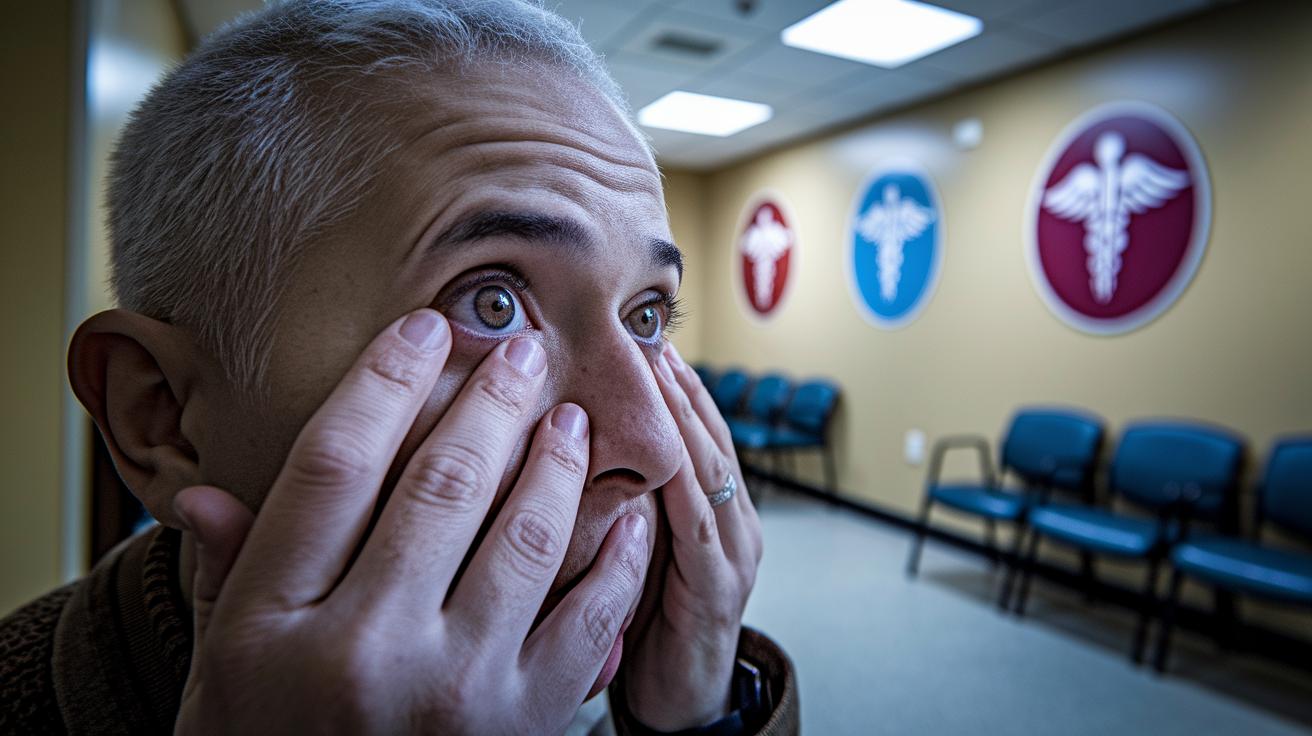
Quick take: If you notice ongoing eye pain or unusual symptoms, it is important to get checked right away.
If you have any of these signs, seek help now:
- Persistent redness or pain lasting more than 1 week
- Crusting or discharge along the eyelid edges
- Fever or other body-wide symptoms
- A rash on your cheeks that may point to an autoimmune flare (such as lupus-related signs)
You might see these signs if a more serious problem is brewing. That ongoing irritation or unexpected rash near your eyes could signal that your body is struggling with something beyond common irritation. A prompt check by an eye doctor or dermatologist can help spot issues like lid misplacement or other deeper concerns.
Your doctor might suggest prescription treatments or other steps to ease the discomfort and protect your eye health. Early care can prevent more serious complications, so act now if these signs continue.
Final Words
In the action, this article unpacked common causes, key signs, and safe home-care steps for managing discomfort around the eyes. We detailed triggers like allergens and irritants, explained clear symptoms, and shared practical OTC and natural remedies. We also laid out when urgent care is needed so you can act quickly on red flags. Keeping an eye on skin irritation around the eyes can help you decide the best next steps and keep you on track to feeling better.
FAQ
Q: Eyelid dermatitis
A: The term eyelid dermatitis refers to the inflammation of the eyelid skin, often caused by allergens or irritants. It can lead to redness, swelling, and slight scaling, which may need clinician review if persistent.
Q: Periocular dermatitis
A: Periocular dermatitis means skin irritation around the eyes. It is usually triggered by contact with cosmetic products or environmental toxins and may present as red, itching, or flaky skin near the eye.
Q: How to soothe irritated skin around eyes
A: Soothing irritated skin around the eyes involves using a 10-minute cold compress, gentle cleansing, and a hypoallergenic moisturizer while avoiding known allergens. These steps help ease inflammation and reduce discomfort.
Q: Rash around eyes pictures
A: Rash around the eyes often appears as red, inflamed patches with possible scaling or bumps. Such images can assist in distinguishing simple irritation from conditions like eczema or allergies.
Q: Rash under one eye treatment
A: Treating a rash under one eye typically includes gentle cleansing, applying a hypoallergenic moisturizer, and using a cool compress. If the rash continues or worsens, consulting a healthcare provider is recommended.
Q: Redness under eyes: causes
A: Redness under the eyes can result from irritants like cosmetics or allergens such as pollen and may also be linked to underlying conditions like eczema. Identifying the trigger is key to managing the symptoms.
Q: Best eye cream for eczema on eyelids
A: The best eye cream for eyelid eczema should be fragrance-free, hypoallergenic, and formulated for delicate skin. Such creams work to soothe irritation and restore hydration while reducing inflammation safely.
Q: Rash and swelling around eyes treatment
A: Treating rash and swelling near the eyes involves using a cool compress, gentle skincare products, and possibly a low-strength hydrocortisone cream under clinician guidance. These methods help reduce inflammation and discomfort.
Q: How do you treat irritated skin around the eyes
A: Treating irritated skin around the eyes means applying cool compresses, gently cleansing, and using moisturizing products while avoiding irritants. It is wise to seek medical advice if the condition persists.
Q: How to treat perioral dermatitis in kids
A: Treating perioral dermatitis in children involves using gentle cleansers and, if needed, a mild prescription cream as advised by a pediatrician. This approach minimizes irritation and supports the skin’s recovery.
Q: What does dermatitis look like around the eye
A: Dermatitis around the eye typically appears as red, scaly, or inflamed skin that may also itch or burn. Recognizing these signs early can help in managing the condition effectively with appropriate care.
Q: How to treat contact dermatitis on kids
A: Treating contact dermatitis in kids involves identifying and removing the irritant, gently cleaning the area, and applying a mild hypoallergenic cream. A pediatric healthcare provider should be consulted if symptoms do not improve.