
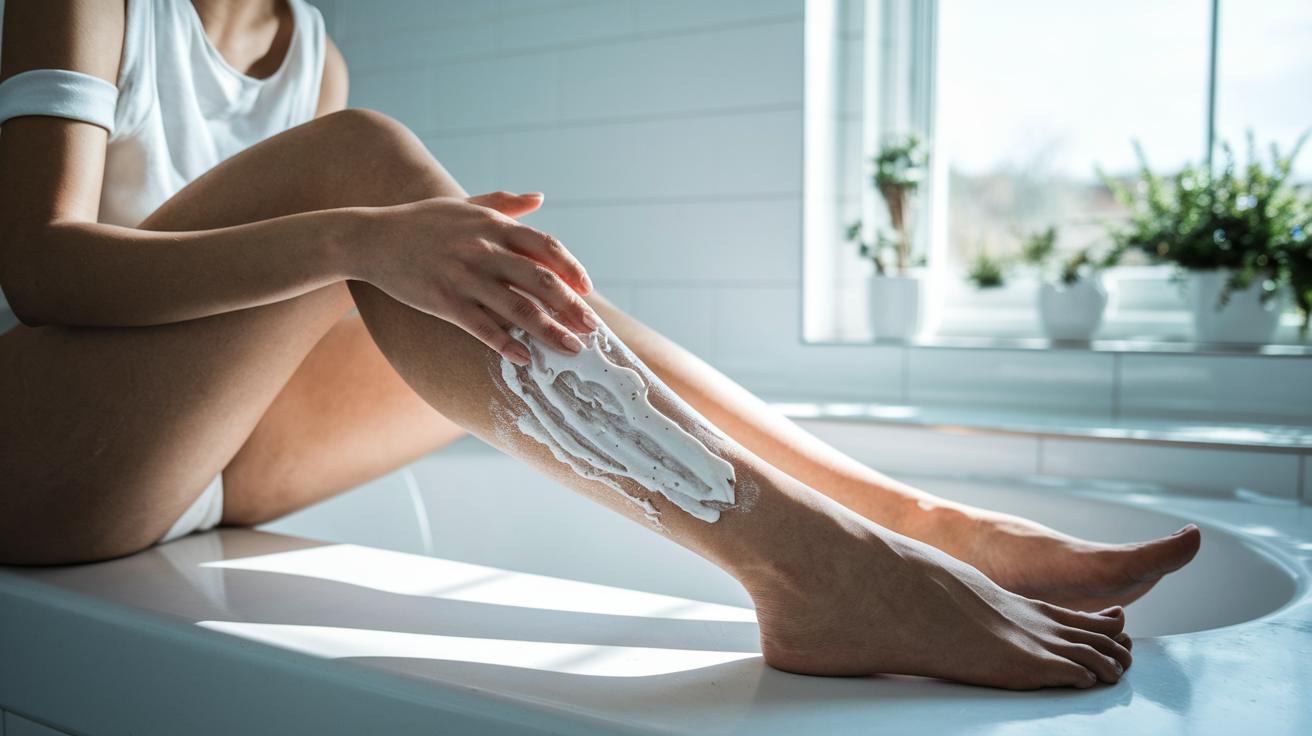

Quick take: Shaving can leave your skin red and sore, but a few small changes can help soothe it fast.
If you notice any of these signs, call your doctor now:
• Severe pain or burning that gets worse
• Bleeding that won’t stop
• Signs of infection, like pus or a fever
Shaving can wash away your skin’s natural moisture, making it dry and irritated. This is a common reaction, and you’re not alone in dealing with it. A gentle cleanser and a soothing moisturizer can work wonders. You might also try a warmer water rinse before shaving to help open your pores. Lastly, using a good quality shaving cream can keep your skin soft and reduce irritation.
Make just one or two small changes to your routine, and you could feel a big difference quickly.
Getting to the Root of Skin Irritation After Shaving
Quick take: Shaving can leave your skin dry and red if you don’t take care of it.
Triage Box:
• Red Flags: If you notice severe burning, swelling, or signs of infection like pus or fever, seek same-day medical care.
• Urgent: If redness or pain gets worse after shaving, call your clinician.
• Watch and Self-Manage: For mild irritation, follow proper skin care and grooming steps.
When you shave, you remove your skin’s natural moisture barrier (the hydrolipid film that keeps your skin moist and shields it from friction). Without this barrier, water leaves your skin quickly, causing it to feel tight and more likely to get red and irritated.
A dull or mishandled razor can hurt your delicate skin further. The friction from the blade may cause redness, tenderness, and a tingling feeling. These are clear signals that your skin is under stress, and the irritation might get worse with each pass of the razor.
Here are common skin issues from shaving:
| Issue | Description |
|---|---|
| Razor Burn | Red, tender patches that may also burn |
| Razor Bumps | Small, raised spots when hairs grow back under the skin |
| Folliculitis | Pimple-like bumps caused by infection in hair follicles |
Everyday habits like hurrying through your shave, using old blades, or skipping skin preparation can damage your skin’s natural defenses. By taking a few extra minutes for proper care, you can help reduce the risk of razor burn, bumps, and folliculitis.
Recognizing Symptoms: Razor Burn vs. Razor Bumps vs. Folliculitis
Quick take: Razor burn, razor bumps, and folliculitis are common skin reactions after shaving.
Triage:
• Call emergency services if you have severe pain, spreading redness, or a fever.
• Seek same-day care if you notice pus-filled bumps or signs of infection.
• Watch and self-manage if you see mild red or tender spots by gently cleansing and soothing your skin.
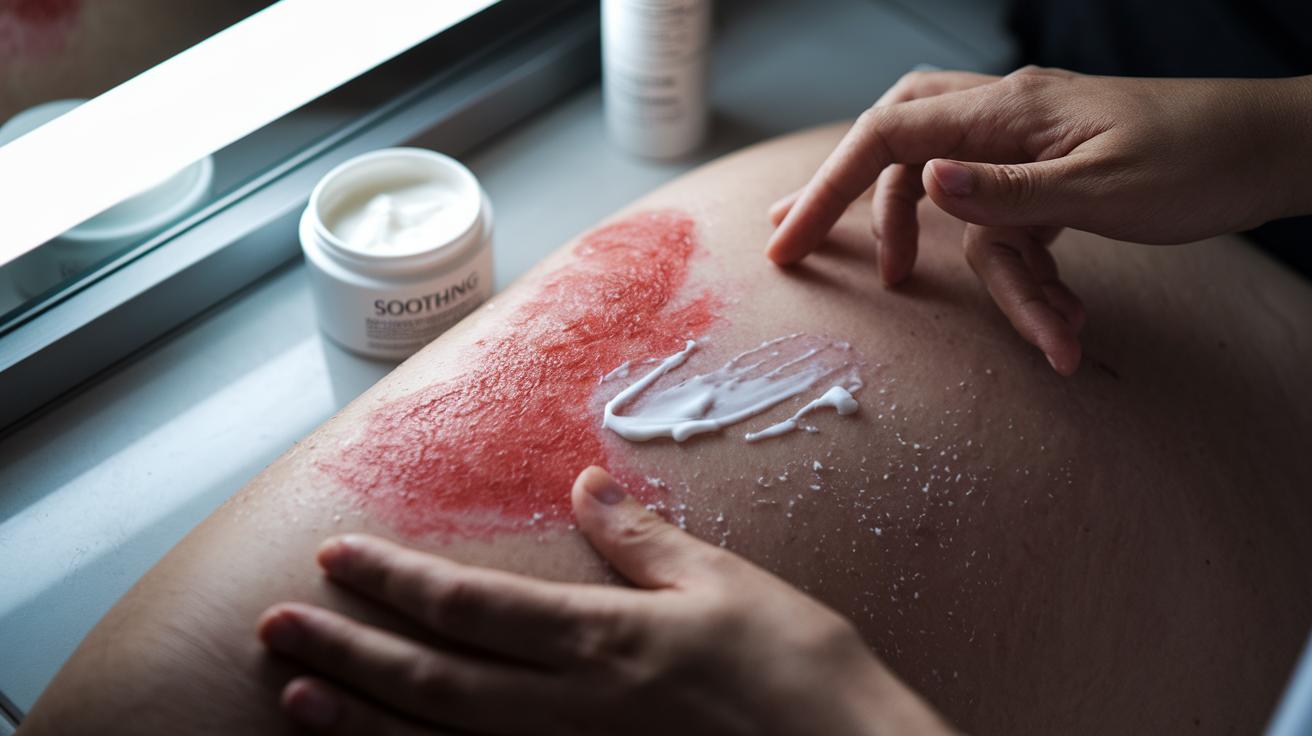
Razor burn shows up soon after shaving. It appears as flat red patches that may itch or burn. The skin feels hot and tender because friction from a dull razor or poor shaving technique has damaged its protective layer, leaving it raw and uncomfortable.
Razor bumps look like small, raised spots that sometimes fill with pus. They usually form about 1 day after you shave, especially in areas with curly or coarse hair. This happens when hairs grow back into the skin, causing a small bump that can feel like a pimple.
Folliculitis starts as tiny clusters of pustules. It appears 1 to 2 days after shaving if tiny germs like bacteria, yeast, or fungi infect the hair follicles. This condition can create several small red bumps that merge into larger red patches, making the area warm and tender. Recognizing these signs helps you choose the right care for your skin.
Why Some Areas Flare Up More: High-Risk Shaving Zones
You may find that areas like your neck and pubic region get irritated because hair here grows unpredictably and is often thick and curly. The skin in these areas is very sensitive, and constant movement along with moisture from sweat or water can rub against the skin and cause further stress.
Your armpits and legs can also suffer from irritation. In your armpits, frequent movement combined with dampness from deodorant or sweat can increase friction. Meanwhile, dry legs may become more vulnerable because shaving over uneven or dry spots makes the blade drag, causing irritation.
To protect these sensitive zones, it helps to adjust your shaving method. Use a light touch and shave in the same direction as hair growth to lower friction and keep your skin’s natural moisture intact. Switching to a sharper blade and applying a hydrating shaving cream or gel can also cut down on discomfort. Tailoring your approach in areas such as your neck, pubic region, and armpits helps protect your skin while you maintain a smooth look.
Prevention Strategies: Pre-Shave and Technique Improvements
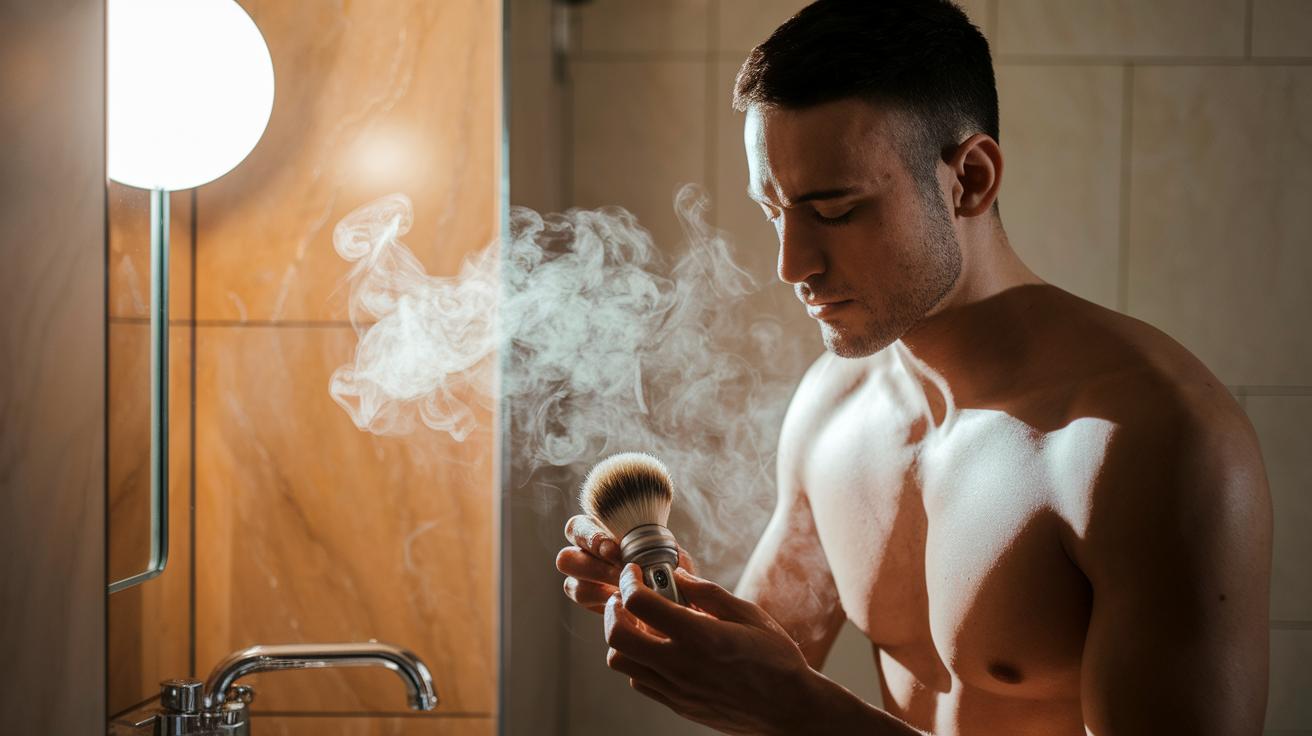
Quick tip: A few small changes in your routine can keep razor burn and discomfort away.
Changing your shaving routine can protect your skin. Using warm water, quality products, and gentle strokes helps your razor glide smoothly and keeps your skin’s natural barrier intact.
- Clean your skin and gently exfoliate to remove dead skin cells.
- Use warm water or take a shower to soften your hair.
- Pick a quality shaving soap with natural moisturizers like shea butter.
- Apply a pre-shave oil or cream to protect and hydrate your skin.
- Shave in the direction of hair growth on your first pass.
- Replace your blade regularly.
- Avoid pressing too hard with your razor.
Pre-Shave Preparation
Begin by preparing your skin. Cleanse to wash away dirt and oil, and gently exfoliate (remove dead skin cells) to open up your pores. This step also helps lessen the risk of ingrown hairs. Next, use warm water or shower to soften your hair and warm your skin. Choose a shaving soap with ingredients such as shea butter and cupuaçu butter to lock in moisture and create a smooth, protective layer. This careful prep helps you get a close shave with less irritation.
Technique Improvements
After your skin is ready, focus on your shaving technique. Hold your razor at the right angle and use smooth, gentle strokes. Shave in the direction your hair grows on the first pass to cut down on irritation. A single, confident stroke minimizes repeated trauma to your skin. Also, change your blade on a regular basis because a dull blade can cause razor burns. Finally, let the razor’s weight guide you instead of pressing hard. Using these simple steps keeps your skin comfortable and lowers the chance of post-shave redness and irritation.
Post-Shave Relief & Treatment Options
Quick take: Mild post-shave irritation usually improves with simple, soothing care.
Triage Box:
- Call emergency services now if you develop severe pain, heavy swelling, or signs of infection (fever, pus, or rapid spreading redness).
- Seek same-day care if your skin gets very red, hot, or painful.
- For mild irritation, use self-care steps with soothing lotions and gels.
When your skin feels irritated after shaving, a calm and quick approach can help you feel better. Hydrating lotions and creams work to calm inflammation and lower redness. Cooling gels help ease any burning or stinging. You might find that changing to an electric or multi-blade razor reduces friction and makes irritation less likely. Use these products right after shaving to restore moisture and ease discomfort.
Over-The-Counter Treatments
Over-the-counter products can quickly reduce post-shave irritation. Hydrocortisone creams help by lessening swelling and calming razor bumps or razor burn. Anti-inflammatory shave lotions and medicated gels work to soothe redness and calm your skin after friction. Cooling post-shave lotions give a refreshing cool feeling that eases discomfort. These products offer a direct way to fight shaving irritation.
Natural Remedies
Natural options give you a chemical-free way to ease irritation. Aloe vera shaving gel is known for its cooling and healing properties, adding gentle moisture to stressed skin. A diluted tea tree oil solution can help with minor infections and reduce redness on sensitive areas. Vitamin E serums support your skin as it heals by helping with skin regeneration. Fragrance-free balms add moisture without causing more irritation, making them a good choice for keeping your skin calm and comfortable.
Before you use a new product, test a little amount on your skin to be sure it works well for you. Adjust your routine based on how your skin reacts for the best relief.
When to Seek Professional Help & Recovery Timeline
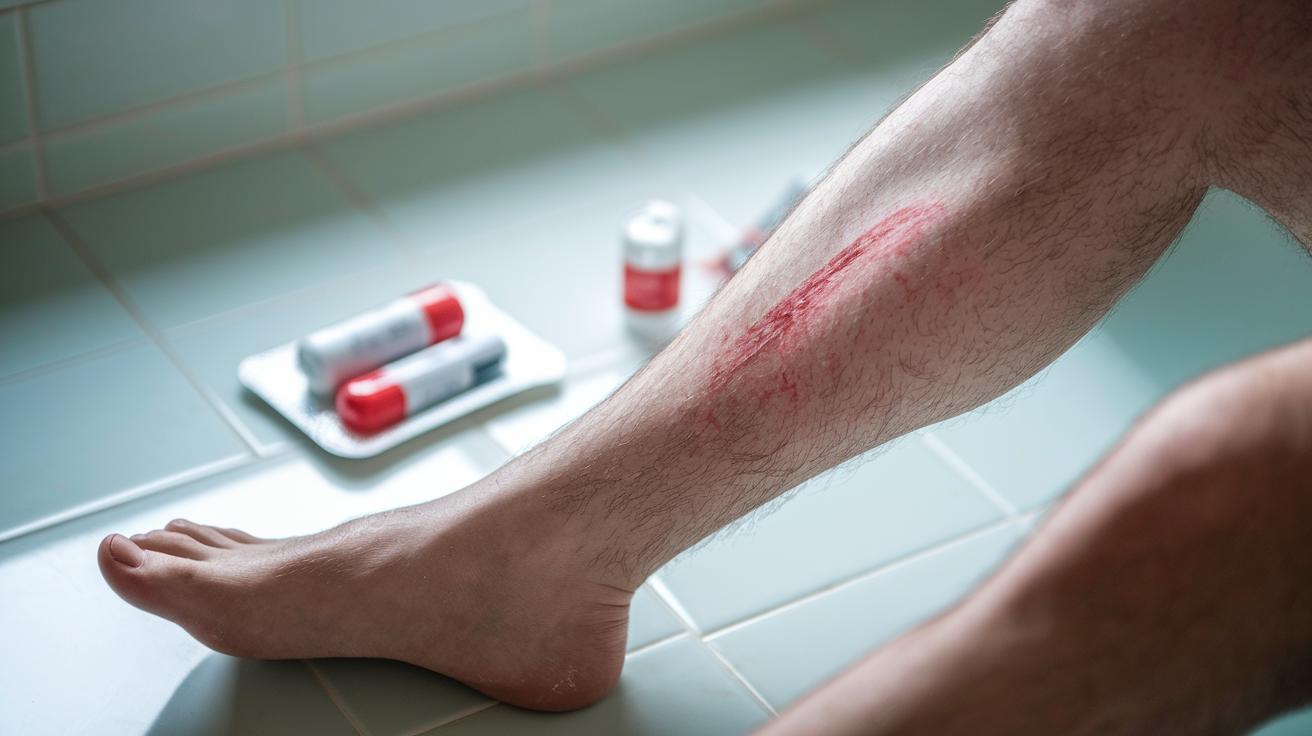
Quick Take: Most minor irritation after shaving clears up within 48 hours, but red flags mean you should act now.
If you notice any of these red flags, seek help immediately:
- Intense pain
- Spreading redness
- Fever
- Bumps that last or begin to ooze pus
Usually, small redness, slight tenderness, or minor itching is normal. Your skin is simply restoring its protective barrier (the hydrolipid barrier). With good self-care, this irritation should fade quickly.
However, if your irritation continues for more than 48 hours or if these warning signs appear, it may mean your skin is facing deeper damage or an infection. An infection or allergic reaction might need over-the-counter or prescription medicine.
To help your healthcare provider understand what’s happening, keep a simple journal. Write down the time you notice symptoms, what you feel, and any changes to your shaving routine. This record will help you explain your symptoms clearly and prevent future irritation.
Final Words
In the action, we tackled why skin irritation after shaving occurs, from barrier loss to friction damage. We compared razor burn, razor bumps, and folliculitis, and explained why some areas suffer more. We then covered how proper pre-shave care, gentle technique, and effective post-shave treatments can help ease irritation.
Watch your symptoms and adjust your routine for smoother, safer shaving. Stay positive and proactive in managing skin irritation after shaving.