


Quick take: Your facial bumps are often harmless signs of aging, but sometimes they may need further care.
If you see small bumps that blend with your skin, they might just be a natural change. However, if they start to itch, hurt, or change shape or color quickly, it’s important to check with a doctor. This article explains the common types of skin-colored bumps and gives you simple steps to know when to get help.
Read on to learn what these spots might mean and how you can take care of your skin safely.
Recognizing Skin Colored Bumps on Your Face: Overview & Common Types
Quick take: Most skin colored bumps on your face are harmless, but call your doctor if you notice them growing, bleeding, or changing shape.
If you have any of these warning signs, seek medical care:
- Red or painful bumps
- Unexpected growth or rapid size increase
- Bleeding or new itchiness
- Changes in color or shape
Skin colored bumps are small rises that match your skin tone. They happen when skin cells change, keratin (a skin protein) gets trapped, or hormones shift. They can result from blocked pores, minor injuries, or natural aging. While many of these bumps are harmless, knowing what you’re seeing can help you decide if simple home care is enough or if you need to consult a board-approved dermatologist.
Common types include:
- Milia: Tiny (1–2 mm) white or yellow cysts formed when keratin and oil get trapped under the skin.
- Skin tags: Soft, small growths usually found in skin folds. They rarely hurt unless they become irritated.
- Acne variants: Bumps that might look like non-inflamed plugs (comedones), small red bumps (papules), or, in some cases, larger forms like pustules, nodules, or cysts.
- Molluscum contagiosum: Dome-shaped bumps with a small dip in the center that may be itchy.
- Keratosis pilaris: Rough, small bumps that feel similar to goose bumps on your arms or cheeks.
- Sebaceous hyperplasia: Pinkish-yellow bumps that can change with hormones and sometimes resemble basal cell carcinoma.
- Cysts and moles: These can be fluid-filled or pigmented and vary in size and color. Some cysts may need to be drained if they become problematic.
Understanding these differences helps you take the right step toward care. If you notice changes in size, shape, or color, it’s best to get a professional evaluation.
Root Causes Behind Skin Colored Facial Bumps
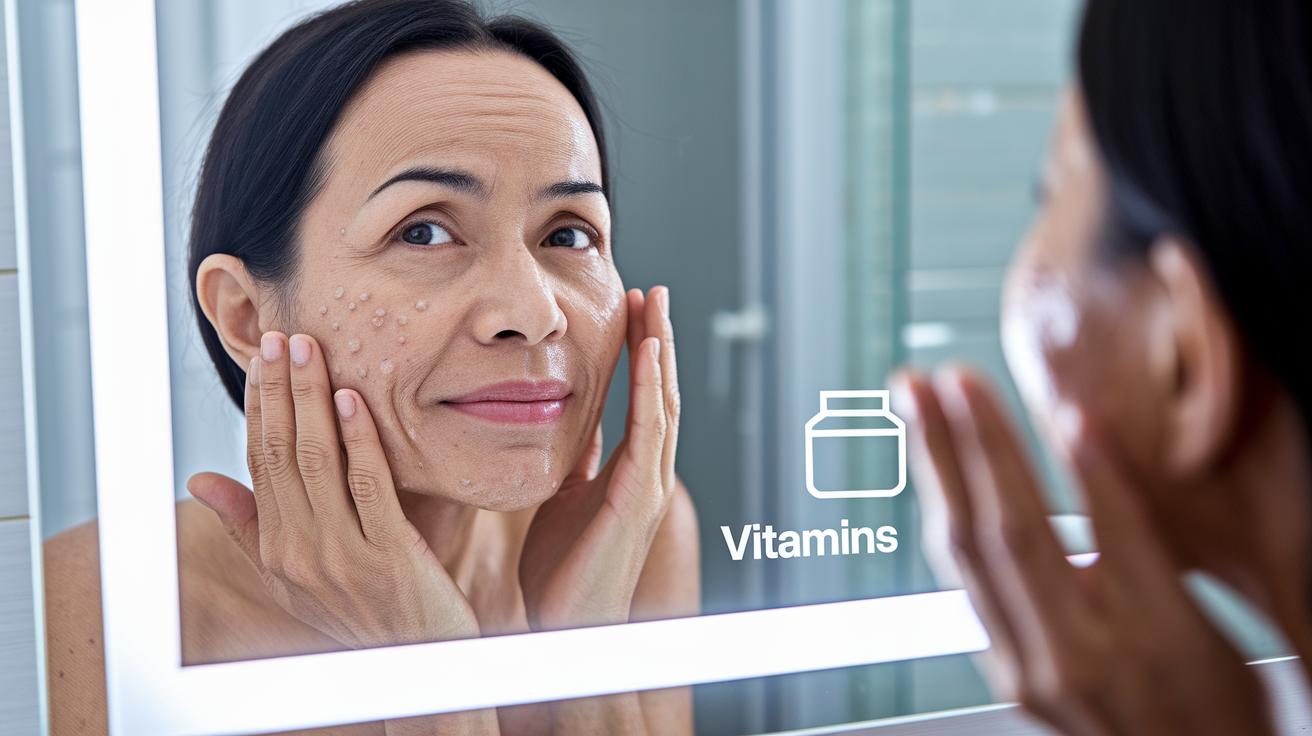
Sometimes, your skin colored bumps come from problems inside your body. Not getting enough vitamins, like Vitamin A (which helps keep your skin smooth) and Vitamin C (which supports collagen or skin strength), can change your skin’s texture. Low Vitamin A may cause a condition called keratosis pilaris, and low Vitamin C can leave your skin rough. Hormone shifts, such as during menopause, can make oil glands grow larger and lead to small pink or yellow bumps. Your family history also matters. If relatives have tiny, oil-filled cysts called milia (bumps from trapped skin material), you might notice them on your face too. Knowing these causes helps you make better care choices.
Outside factors affect your skin as well. Too much time in the sun can hurt your cells and lead to rough patches like actinic keratosis or cause age-related oil gland bumps. Repeated rubbing from skin folds, often after weight gain, can lead to skin tags. Also, some viral infections like molluscum contagiosum (small, dome-shaped bumps with a dent in the middle) can cause bumps on your skin. Both inside and outside factors work together to create these bumps. Keep an eye on your vitamins, hormones, and daily habits to help reduce them.
When to Consult a Dermatologist for Persistent Skin Colored Facial Bumps
Quick Take: New or changing facial bumps may need a quicker look by a dermatologist.
If you notice any of these signs, schedule an appointment as soon as you can:
- Bumps that grow quickly in size or height.
- Color changes to red, dark brown, or black.
- Areas where the skin breaks down (bleeding, ulceration, or crusting).
- Bumps that last longer than 8 weeks.
- New pain or severe itching.
- Bumps larger than 6 mm or with uneven edges.
A prompt check by a dermatologist helps rule out serious conditions and gives you peace of mind.
At-Home Care for Skin Colored Facial Bumps
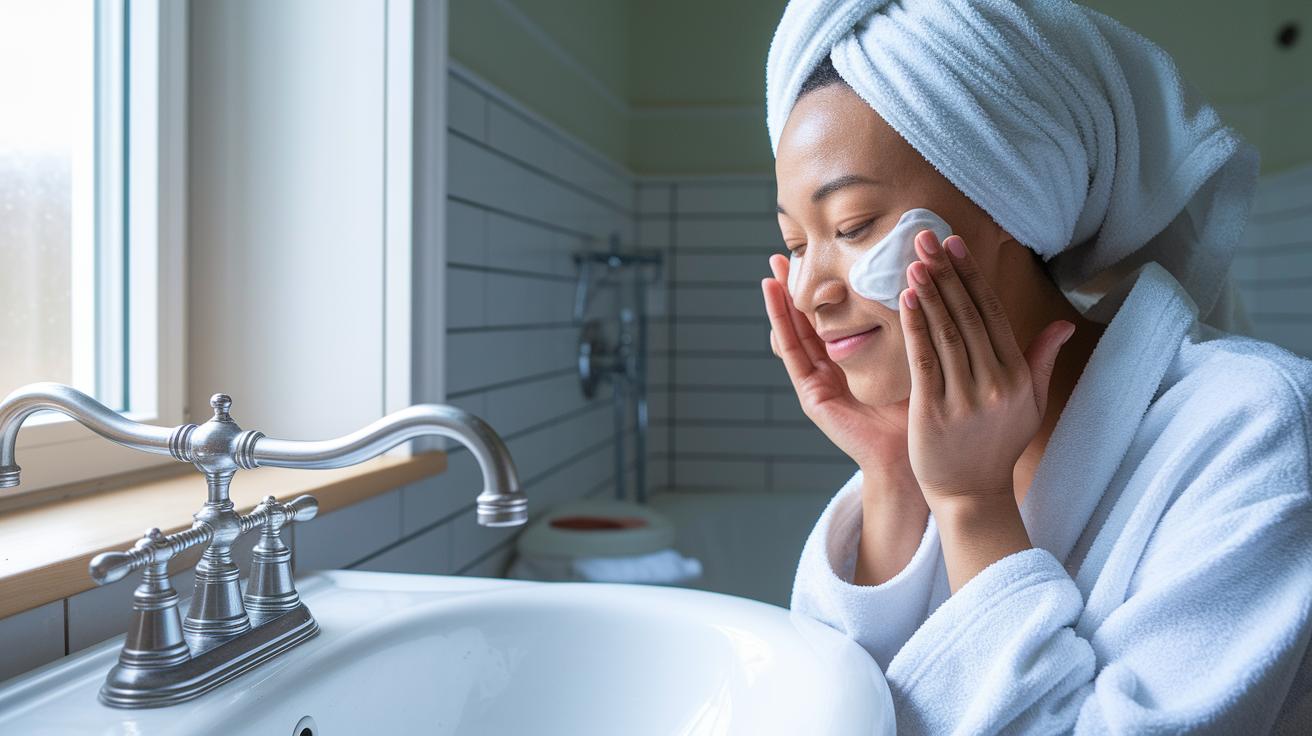
Quick take: Most small bumps on your face can be eased with a gentle home routine.
Triage box:
• If you notice severe redness, pain, or pus, call emergency services now.
• If the bumps suddenly worsen or you develop fever, seek urgent care.
• Otherwise, follow these home-care steps and monitor your skin.
If you have little facial bumps, try simple care methods at home. Start by cleaning your face gently to keep dirt and oil away.
A warm compress is a great first step. Soak a clean washcloth in warm (not hot) water and gently hold it on your face for 10 minutes. This helps soften bumps like milia (tiny white bumps caused by trapped keratin) and may let them drain naturally.
After the compress, consider a mild exfoliation. Use an over-the-counter face wash with salicylic acid (a beta hydroxy acid that helps clear dead skin) or glycolic acid (an alpha hydroxy acid that smooths skin texture). This soft exfoliation can help remove dead skin without causing irritation.
Next, choose a light, non-comedogenic moisturizer (a cream that won’t clog your pores) to keep your skin well-hydrated. Keeping your face moisturized may reduce dryness and prevent extra buildup that can lead to bumps. Some people also use over-the-counter retinoids (vitamin A creams) at night to boost skin cell turnover. If you try a retinoid, protect your skin from the sun the next day.
Do not pick or squeeze the bumps. Squeezing can lead to irritation, scarring, or even infection. Stick with a gentle nightly routine for the best results over time.
Medical Options for Treating Persistent Skin Colored Bumps
Quick take: If home care isn’t helping your persistent facial bumps, your dermatologist can offer treatments to clear them up.
When over-the-counter remedies don’t work, a skin doctor may suggest procedures that directly target your problem areas. These treatments help smooth your skin and even out any discoloration or abnormal cell clusters. For example, cryotherapy uses liquid nitrogen to freeze bumps. Prescription creams like retinoids (vitamin A creams), hydroquinone (skin lightening cream), or kojic acid work to brighten spots and normalize skin growth. Chemical peels using alpha-hydroxy acids or trichloroacetic acid gently remove the top layer of skin to reveal fresher skin underneath. Your dermatologist will choose the right treatment based on the type of bump and your skin needs.
Safety and clear results are key. Cryotherapy is fast and typically leads to only 1–2 days of redness. Prescription creams need daily use for several weeks but have little downtime. Chemical peels are usually done every 3–4 weeks and may cause peeling for 3–5 days. Microdermabrasion gently exfoliates with crystals or diamond tips and rarely causes much redness. Laser therapy targets pigmented areas or enlarged oil glands and may cause mild swelling for 1–2 days. For larger or suspicious bumps, curettage/excision (removing the bump with a small blade under local anesthesia) is an option, with about 5–7 days needed for healing.
| Treatment | Procedure Overview | Downtime |
|---|---|---|
| Cryotherapy | Freezes bumps with liquid nitrogen | Redness for 1–2 days |
| Topical Prescription | Daily use of retinoids or lightening creams | None to minimal |
| Chemical Peel | Removes the top layer of skin with AHA/TCA | Peeling for 3–5 days |
| Microdermabrasion | Exfoliates skin using crystals or diamond tips | Minimal redness (0–1 day) |
| Laser Therapy | Targets pigmented cells or oil glands | Mild swelling for 1–2 days |
| Curettage/Excision | Removes the bump with a small blade under local anesthetic | Healing for 5–7 days |
Preventing Skin Colored Bumps: Skincare & Lifestyle Strategies

Your skin needs protection every day. Use a broad-spectrum SPF 30+ each morning and reapply every 2 hours when you are outdoors, especially between 10 am and 4 pm. Wearing a wide-brimmed hat and long sleeves can give you extra sun defense.
What you eat helps your skin too. Foods high in Vitamin A and Vitamin C support smooth skin (this process keeps skin cells even) and build collagen (the protein that keeps skin strong). Try to drink 8 glasses of water a day. Think of fruits and water as a daily refreshing boost for your skin.
Keep your skin clear by washing gently with a non-comedogenic, fragrance-free cleanser. Use a mild scrub once a week to get rid of old skin cells and help keep your pores open. Choose a moisturizer that locks in water to help maintain your skin’s natural balance. These steady habits can help lower the chance of new bumps while promoting a smoother look.
Differentiating Benign Skin Colored Bumps from Concerning Lesions
Quick take: Most skin bumps are harmless, but uneven color or irregular edges mean you should get them checked right away.
If you notice any of the following, call your doctor or see a dermatologist as soon as possible:
- Bumps with mixed colors such as red, dark brown, or black
- Edges that are uneven or blurred
- A rough, scaly, or ulcerated surface instead of a smooth, dome-shaped feel
Benign bumps usually match your skin tone. Their edges are smooth and the texture is soft and even. In contrast, worrisome lesions show color shifts and uneven borders. They might feel rough or scaly rather than soft.
Here are some common types to watch for:
- Dermatofibromas: Firm, dome-shaped bumps about the size of a pencil eraser. They may dimple when you gently press on them.
- Molluscum contagiosum: Small, pearly bumps with a center dimple that often appear in groups.
- Actinic keratosis: Rough, scaly patches around 3–5 mm wide that stick around for more than 2 months. These can signal sun damage.
- Basal cell carcinoma: Spots that have a pearly look, with subtle visible blood vessels, and sometimes an ulcerated center.
- Melanoma: A more concerning type marked by uneven shape, irregular borders, varied colors, and a diameter over 6 mm.
If you spot bumps with uneven color or irregular borders, act now and get an urgent evaluation from a dermatologist.
Final Words
In the action, this guide explains how to recognize skin colored bumps on face and their common causes, from small milia to skin tags. We walked through simple at-home care steps, discussed when to consult a dermatologist for sudden changes, and shared tips to prevent new bumps. These clear suggestions help you track symptoms and prepare for a focused clinician visit. Keep monitoring your skin, take note of any changes, and remember that early care can support healthier skin days ahead.
FAQ
A: Tiny and skin-colored bumps not caused by acne often refer to conditions like milia or skin tags. They form when keratin or oil gets trapped under the skin, creating small, cyst-like elevations.
A: Treating skin colored bumps quickly often includes gentle cleansing, warm compresses to soften them, and OTC exfoliating acids like glycolic or salicylic acid to help loosen trapped debris and smooth the skin.
A: Bumps on the forehead may develop from factors such as sun exposure, clogged pores, or keratin build-up. They can appear as benign conditions like milia or even actinic keratosis in sun-damaged areas.
A: A hard bump that does not pop is likely a cyst or benign lesion. Popping it may lead to infection or scarring, so avoid squeezing it and seek professional advice if it persists or changes.
A: Colorless bumps or a bumpy texture can be caused by conditions like keratosis pilaris or milia. These are not typical pimples since they result from a buildup of keratin rather than inflammation.
A: Molluscum rash in toddlers is caused by a viral infection and appears as small, dome-shaped, skin-colored bumps with a central dimple. They are usually harmless but can spread with close contact.
A: Irritation bumps can indeed be skin colored, especially when caused by friction or mild allergic reactions. They are a temporary skin response and generally resolve with proper skin care and reduced irritation.