
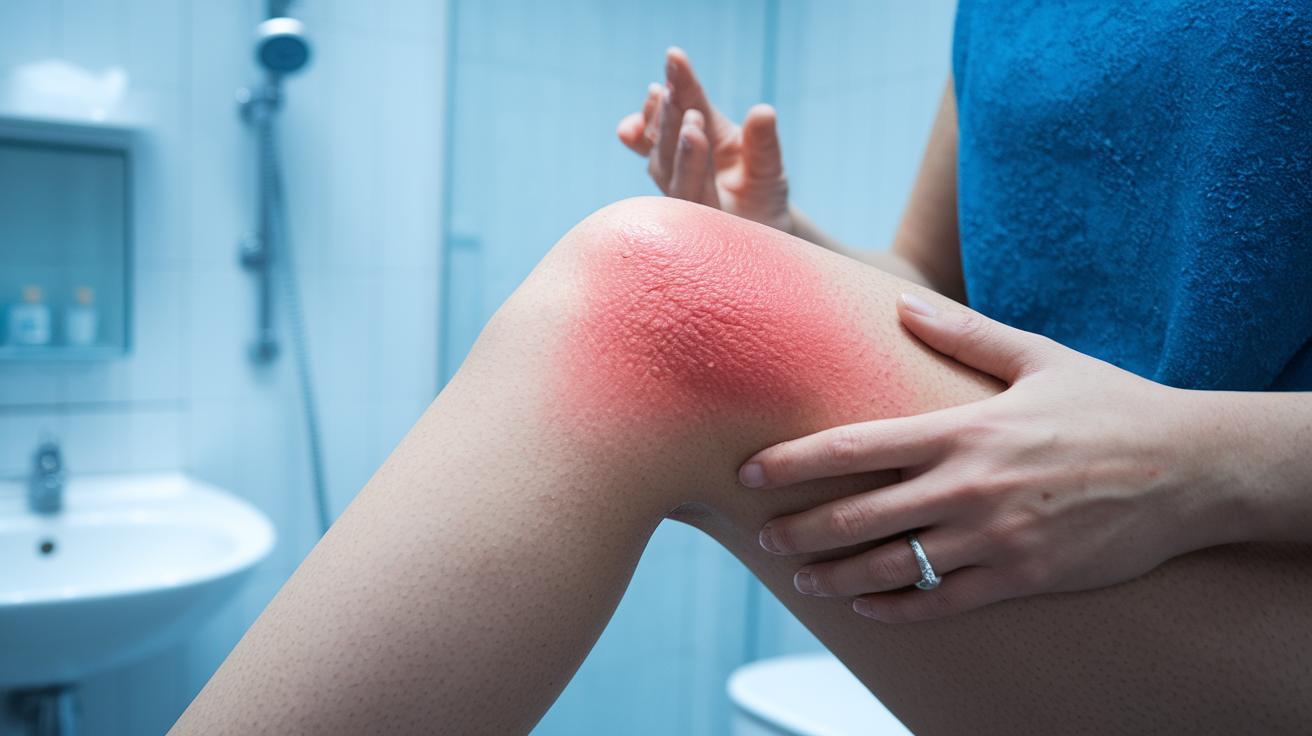

Quick Take: A small, itchy bump on your inner thigh is usually caused by friction, trapped sweat, or gentle skin lineups, but if it worsens, act now.
If you notice any of these signs, call emergency services immediately:
• Severe pain or swelling
• Redness, warmth, or pus (signs of infection)
• Fever
Many people experience an irritating bump from friction with tight clothes, sweat trapped under the skin, or rough skin products. These can make your day feel off, but most are mild.
Try these self-care steps:
- Wear loose, breathable clothing to reduce friction.
- Keep the area clean with a gentle cleanser.
- Pat the skin dry and avoid using harsh skincare products.
- Monitor the bump, note its size, color, and itchiness.
Write down any changes you see. If the bump worsens or you develop red, swollen patches, reach out to a clinician for a check-up.
These simple tips aim to help keep your skin calm and your day running smoother.
Recognizing Common Causes of an Itchy Bump on Thigh
Quick take: Your itchy bump might be caused by friction and trapped sweat.
If you notice any of these signs, seek medical help:
- Severe pain or swelling
- Spreading redness or warmth
- Fever or pus coming from the bump
Your inner thigh skin is very delicate. It gets squeezed between your legs and sits under clothes that trap heat and sweat. This can lead to irritation in the inner thigh, especially when there isn’t enough air flow. Everyday movements, like exercising or sitting for long periods, can add more friction. When tight or non-breathable fabrics rub against your skin, they can cause tiny scrapes that turn into itchy bumps over time.
Other things can make the irritation worse. Using harsh skincare products or doing hair removal with dull tools can stress your skin further. Here are some common triggers:
- Friction from clothing or repeated movements
- Excess heat and trapped sweat
- Contact with irritating topical products
- Razor burn or trauma from hair removal
- Fungal infections (for example, jock itch)
- Eczema flares on the leg
These factors can work together. For example, during a workout in hot weather, sweat can build up while tight clothing adds friction. Using lotions with harsh chemicals or doing rough hair removal may further damage the skin barrier. By understanding these causes, you can adjust your habits. Try wearing looser, breathable fabrics and opting for gentler skin products. These changes can help protect your inner thigh and ease the itch quickly.
Differential Diagnosis for an Itchy Bump on Thigh
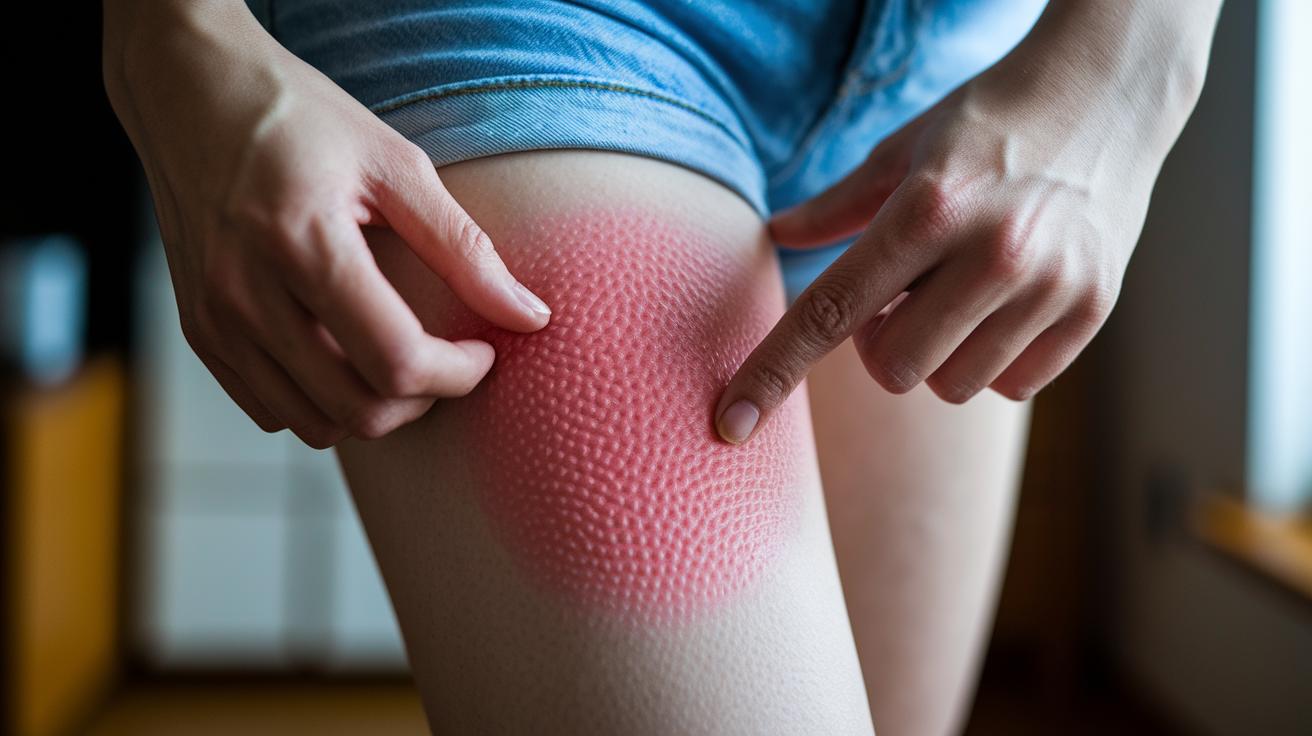
Quick take: An itchy bump on your thigh might result from friction, heat, allergies, or infection. If you notice severe pain, spreading redness, or fever (over 102°F), call emergency services now.
Chafing (Friction Rash)
When your skin rubs against clothing or itself, it can become red and sore. Trapped sweat makes it worse, leaving small raised marks. This is common after prolonged exercise.
Heat Rash (Prickly Heat)
In warm, humid weather, blocked sweat ducts can form clusters of tiny red bumps. These prickly spots flare up because sweat can’t escape, especially under tight clothing.
Eczema Flare (Atopic Dermatitis)
This condition causes dry, scaly patches that itch intensely. It can worsen with stress, irritants, or allergens, leaving your skin red and inflamed during a flare-up.
Contact Dermatitis (Allergic Reaction)
After touching an allergen or harsh chemical, like strong soaps or scented products, you may see a red, itchy bump, sometimes with small blisters.
Boil or Folliculitis (Staph Infection)
A painful, pus-filled bump could mean a bacterial infection, often from Staphylococcus aureus. It tends to be tender, swollen, and warm to the touch.
Fungal Infection (Jock Itch)
Fungal infections can create a ring-shaped rash with a scaly border. The area becomes itchier with heat and moisture, especially in tight or moist skin folds.
For now, track any changes in the bump (note the date/time, its size, and tenderness). If it worsens or you develop more concerning symptoms, contact your clinician for advice.
Home Remedies and At-Home Relief for an Itchy Bump on Thigh
Quick take: Simple home care steps can help ease an itchy bump.
If you notice any of these warning signs, call your doctor right away:
- The bump becomes very red, swollen, or painful
- You develop a fever
- Pus or signs of infection appear
Start by keeping the area clean and dry. Gently wash with a fragrance-free cleanser and pat the skin with a clean towel. This helps stop irritation and reduces moisture that can encourage fungal growth.
Cooling the bump offers fast relief. After your shower, lightly pat the area with a towel to keep it breezy. A cool, damp compress on the skin for 10 to 15 minutes can help lower inflammation.
You can also try soothing treatments like an oatmeal bath or pure aloe vera gel. Both are gentle on your skin and help calm inflammation. Use these remedies consistently to support healing and reduce the chance of irritation coming back.
- Clean the area and pat dry after washing
- Keep the area ventilated by patting with a clean towel
- Apply a cool compress for 10-15 minutes
- Try an oatmeal bath in lukewarm water
- Use pure aloe vera gel for soothing relief
By following these safe and simple steps, you can reduce discomfort and help your skin heal naturally.
Warning Signs and When to Seek Professional Care for an Itchy Bump on Thigh

Quick take: If your itchy bump changes fast, get medical help right away.
If you see any of these emergency signs, call emergency services now:
- The bump grows very quickly.
- Its edge becomes uneven or jagged.
- Color shifts or you notice bleeding.
- You see pus, feel increasing pain, or develop fever, swollen glands, or red streaks near the bump.
Most itchy bumps start as minor irritation. Still, small changes, like a shift in size, shape, or pain, can signal a bigger issue. Track your bump by writing down dates, snapping photos, or noting changes in how it feels. This helps you spot shifts that may require professional care.
If the bump persists or gets worse over days, make an appointment with a dermatologist. They might do a skin biopsy (a small sample test) or other checks to figure out what’s causing the change. Quick evaluation can keep complications at bay and guide the right treatment.
Risk Factors and Triggers for an Itchy Bump on Thigh
Hot, humid days can make you sweat more. That sweat can block your skin's pores and rub against your skin, causing irritation. Wearing tight or non-breathable clothes and sitting with your legs crossed can trap moisture and add extra friction. Sometimes, a simple change in clothing can help reduce this irritation.
Harsh soaps, lotions, or laundry detergents may trigger allergic bumps and a constant itch. Using heavy moisturizers or scented wipes too much can keep moisture trapped and worsen your symptoms. Hormonal imbalances, like with PCOS (polycystic ovary syndrome), can make the inner thigh skin darker and more sensitive to rubbing. If you have PCOS, you might notice that darker skin is more likely to develop bumps when it rubs against other surfaces.
Preventive Measures to Avoid Future Itchy Bumps on Thigh

Act now to protect your skin with simple everyday steps.
• Wear loose, breathable clothes. Choose cotton or similar fabrics that let air circulate.
• After exercise, shower right away and change into moisture-wicking underwear to keep sweat under control.
Build a gentle skin care routine:
• Use fragrance-free cleansers and hypoallergenic moisturizers that help maintain your skin's natural barrier.
• Pick light, non-comedogenic lotions (that do not clog pores) to keep irritation low.
• For hair removal, use electric trimmers or switch out razor blades often to avoid razor burn.
Make these daily habits part of your life:
• Change clothes after heavy activity to reduce sweat buildup.
• Avoid heavy, scented products that can block pores and irritate your skin.
• Check your skin regularly for any signs of friction so you can make small tweaks before discomfort starts.
These steps are practical ways to protect your inner thigh skin and keep it comfortable even on active days.
Final Words
In the action of understanding your symptoms, you learned which factors often trigger an itchy bump on thigh and how to work through them. The article breaks down common causes, explains diagnostic differences, and lays out easy at-home remedies. You now have a clear roadmap for self-care, including when to seek help. Keep tracking any changes, apply the practical tips, and stay positive knowing you’re empowered to manage your skin health. Stay safe and take care.
FAQ
What is jock itch?
The jock itch is a fungal infection that causes a red, itchy, and scaly rash in the groin and inner thigh area. It often worsens in warm, moist conditions.
What do inner thigh rash pictures show?
Inner thigh rash pictures can illustrate common skin irritations such as heat rash, allergic reactions, or fungal infections. They help you compare your symptoms, but only a clinician can diagnose the cause.
What does a lump in the inner thigh or thigh represent?
A lump in the inner thigh or thigh might be caused by a cyst, swollen lymph node, or muscle tissue change. A proper exam is important to determine its nature.
Why might I have an itchy bump or rash on my leg or thigh?
An itchy bump or rash on your leg or thigh can occur due to friction from clothing, heat and trapped sweat, allergic reactions, or fungal infections like jock itch. Identifying triggers helps guide care.
What does a raised bump on the skin that itches indicate?
A raised, itchy bump on the skin can signal irritation from contact, insect bites, or early infection. It may also be linked to allergic reactions, making evaluation by a clinician useful.
What STD can cause a rash on the thighs?
Some sexually transmitted infections, like herpes, can cause rashes on the thighs along with other symptoms. If you suspect an STD, seek immediate evaluation by a healthcare provider.