

Quick Take: Small, itchy bumps on your lips may be an allergy, a mild infection, or just a normal skin change.
If you experience any of these emergency signs, call emergency services now:
- Severe pain or swelling around your mouth
- Difficulty breathing
- Rapid worsening of your symptoms
If none of these occur, follow these steps:
- Monitor the bumps for any changes
- Use a cool compress to ease the itch
- Avoid irritating your lips by touching or picking at them
Sometimes you might notice three tiny, itchy bumps appear on your lips without warning. It can feel unsettling, but these bumps are often a sign of something that isn’t dangerous. They might be due to an allergic reaction (when your body reacts to a substance) or a small infection, or they could just be normal skin changes. In this guide, we explain what may be causing the irritation and share simple steps to relieve your discomfort quickly. Relief is within reach, and we’re here to help you take the right steps.
Understanding Causes, Symptoms, and Relief for Itchy Bumps on Lips
Quick take: Itchy bumps on your lips are common and usually come from allergies, infections, or harmless skin bumps.
If you see any of these red flags, seek care immediately:
• Bumps lasting more than 2 weeks
• Severe pain or worsening symptoms
• Fever or other signs of infection
Itchy bumps may appear from different causes. They might be due to an allergic reaction (like contact sensitivity), infections such as cold sores from the herpes virus or oral thrush (yeast infection), or just harmless skin bumps like Fordyce spots or mucoceles.
Key symptoms include:
• Itching on and around your lips
• Redness and swelling
• Tingling or a mild burning feeling
• Sometimes small, fluid-filled blisters
Here are some simple steps you can take at home:
• Apply a cold compress to reduce swelling
• Use a hypoallergenic lip balm to soothe and protect your skin
• Consider an over-the-counter antihistamine if you suspect an allergy
These strategies can give you quick relief. However, if the bumps do not improve or if you experience severe pain, high fever, or the bumps keep coming, contact your healthcare provider for a closer look. Stay safe and monitor your symptoms closely.
Common Allergic Reactions Causing Itchy Lip Bumps

Quick Take: New lip products or certain foods can cause itchy, swollen bumps on your lips. If you have trouble breathing or see swelling spreading to your throat, call emergency services now.
Triage Box:
- Call emergency services now if you have trouble breathing, severe swelling of your face, or feel very weak.
- Get same-day medical help if the swelling or pain quickly gets worse.
- For mild symptoms, watch your condition and treat at home.
When your lips react to an allergen, you may notice red patches or bumps along the edge. This reaction is common after using a new lip product or eating a certain food. Knowing the type of reaction helps you act quickly and avoid more irritation.
Angioedema on Lips
Angioedema is when your lips swell up quickly. It might happen after eating a specific food, starting a new medicine, or using a lip product with irritants like certain fragrances or latex. This swelling shows up within a few hours. It comes with a strong itch but usually doesn’t hurt. You can try an over-the-counter antihistamine (a medicine that helps reduce itch and swelling) or a hydrocortisone cream to bring relief until the swelling goes down.
Allergic Contact Cheilitis
Allergic contact cheilitis happens when your skin on the lips reacts to things like certain lipsticks, toothpastes, or even dental materials. Your lips can become dry, cracked, and red with an ongoing itch. A doctor may ask about your products and even do a patch test (a small skin test) to find the cause. The best help is to stop using the item that caused the reaction and use a treatment recommended by your doctor to calm the irritation and help your lips heal.
3 bumps on lips itchy: Relief is Here
Quick take: Itchy bumps on your lips may be due to viruses, bacteria, or fungus, so check for severe signs and know when to call your provider.
Triage Box:
• If you have severe pain, fever, or rapidly spreading bumps – call emergency services now.
• If bumps persist beyond 2 weeks or worsen unexpectedly – seek same-day medical help.
• For mild symptoms – try home care and monitor your condition closely.
Itchy bumps on your lips can come from different infections. Some bumps are linked to a virus like herpes simplex virus type 1 (HSV-1), while others may come from bacteria or fungus. Knowing the differences can help you decide if home care is enough or if you need to see a healthcare professional.
| Condition | Cause | Key Symptoms | Typical Duration |
|---|---|---|---|
| Cold Sores | HSV-1 infection | Tingling, clustered blisters on a red area; usually begin with itching or tingling 12–48 hours before forming | 7–10 days |
| Canker Sores | Likely immune-related | Painful round ulcers with a yellow-white center and red edge | 1–2 weeks |
| Oral Thrush | Candida overgrowth | White patches that may cause burning or itching | Varies; usually clears with treatment |
Cold sores usually appear in clusters and start with a brief period of itching. Canker sores hurt inside your mouth and rarely show on the outer lips. Oral thrush shows up as white patches that might burn or itch. Knowing these signs can guide you on what steps to take.
If your symptoms bring intense pain, fever, or no improvement after a couple of weeks, please call your healthcare provider. Meanwhile, try simple self-care steps like applying a cold compress to help ease the discomfort and reduce swelling while your mouth heals.
Benign Lesions That May Feel Itchy on Lips
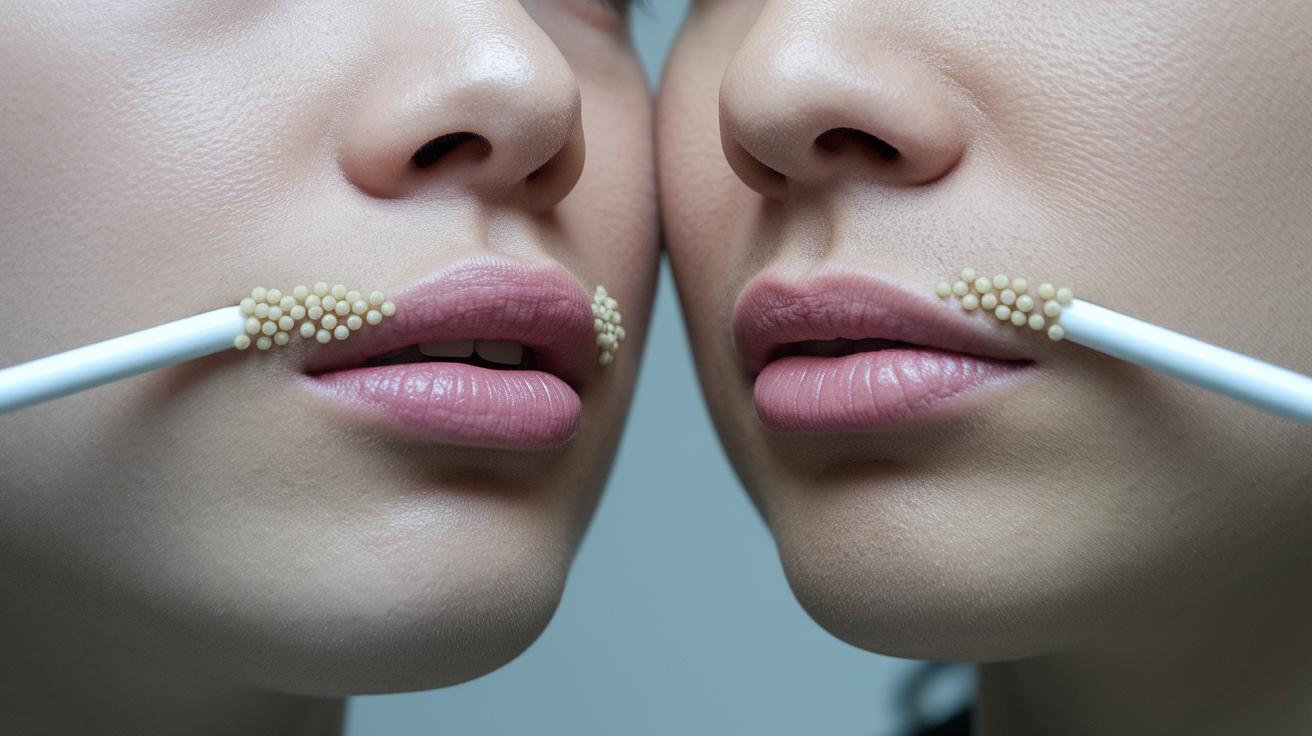
Quick take: These spots are usually harmless. Watch for signs of infection like worsening pain or swelling, and call your clinician if you notice any rapid changes.
If you have any of these signs, call emergency services now:
- Severe pain or discomfort
- Rapid swelling or redness
- Fever or signs of spreading infection
Fordyce spots are small, pale-yellow bumps that can show up along your lip borders. They are actually oil glands (sebaceous glands) found in the wrong place. These bumps don’t hurt, but friction or your environment may make them feel a bit itchy or tingly.
Mucoceles are little cysts filled with mucus that form on the inner lip when a salivary duct gets blocked. They feel soft and might cause a slight tingle or itch, but they are generally not worrisome. Milia are tiny white cysts near the lip edge and rarely cause any symptoms. Both mucoceles and milia are harmless and usually don’t need treatment unless they start to cause discomfort.
Home Remedies and Over-the-Counter Solutions for Itchy Lip Bumps
Quick take: Most itchy lip bumps clear up at home. If you see signs like severe swelling, trouble breathing, or a rash that spreads, call emergency services immediately.
A cold compress can help reduce swelling and ease discomfort. Try holding a clean, cold cloth against your lips. The cool temperature numbs the itch and soothes red, inflamed skin. This works by lowering blood flow to the area, which can shrink the bumps. Repeat this several times a day as your lips heal.
Natural treatments offer another gentle option. Rubbing a bit of aloe vera gel or applying a small amount of chamomile extract can cool and calm your skin. Many find that a hypoallergenic, fragrance-free lip balm helps keep your lips moist while protecting them from irritants that might cause flare-ups.
For more focused relief, over-the-counter medicines can be useful. Oral antihistamines like diphenhydramine help reduce allergy-related itching from the inside. A small dab of mild hydrocortisone cream can ease inflammation around the bumps. You might also try anti-inflammatory gels, some include ibuprofen or are aloe-based, to reduce redness and discomfort. Always follow the directions on the product label, and if one method does not provide enough relief, you can safely combine options.
When to Seek Professional Care for Persisting Itchy Lip Bumps
Quick take: Your persistent lip bumps might signal an underlying issue that needs a doctor's eye.
Triage Box:
If you notice any of these signs, call or visit a healthcare professional right away:
- Bleeding or severe pain
- Fever or other body-wide symptoms
- Rapidly growing or hard nodules that do not get better with simple care
Often, itchy bumps on your lips are caused by an infection, allergy, or irritation. However, if the bumps last more than 2 weeks or start to worsen, they might need more thorough evaluation.
What to Do Now:
- Track changes in the bumps, such as size, pain, and any bleeding.
- Avoid using over-the-counter remedies for too long without checking with a professional.
- Seek care immediately if you experience severe pain, bleeding, fever, or notice the bumps growing quickly.
What to Expect:
Your healthcare provider may run tests like cultures, viral swabs (tests that check for virus particles), or blood tests to find the cause. They might also perform a biopsy (a small tissue test) on bumps that don’t heal or seem unusual to rule out conditions like cancer.
Reviewed by Dr. Jane Smith, Dermatologist. Last updated October 2023.
Preventing and Managing Future Itchy Lip Bump Flares
Quick take: Small changes to products and daily habits may stop itchy lip bumps.
Triage Box:
• If you see severe swelling, intense pain, or signs of infection (such as pus or fever), call emergency services immediately.
• If bumps quickly worsen or you have trouble speaking or breathing, seek same-day care.
• For occasional flare-ups, follow these self-care tips and monitor your symptoms.
Healthy lips start with knowing what sets off your bumps. When you understand your triggers, you can make simple adjustments that really help.
Choose gentle skincare for your lips. Use hypoallergenic products and mild cleansers (gentle soaps that do not irritate) to lessen contact with irritants. A barrier lip balm keeps moisture in and shields your lips from weather extremes. Look for lip care with SPF to block harmful sun rays and cold winds. An elimination diet (removing common allergens) may also help if certain foods seem to cause a reaction. These steps not only keep your lips moist but can also lower the risk of stress-related bumps.
Your lifestyle matters too. Good oral hygiene and regular hydration help strengthen your lips. Simple stress relief methods like deep breathing or light exercise might reduce flare-ups. Little changes each day can lead to healthier lips and fewer annoying bumps.
Medical Disclaimer

This info is for general purposes only. It does not replace a visit with your doctor. You shouldn’t use this guide by itself to diagnose or treat any condition. Everyone's situation is different, so it's important to get advice that fits your needs. If your symptoms last, get worse, or make you worried, please get care right away. Always check with your healthcare provider to make sure you're taking the right steps for your health. Your action and care are really important.
Final Words
In the action, you’ve seen how itchy bumps on lips can arise from allergies, infections, or benign causes. We broke down common symptoms, home remedies, warning signals, and when to seek care.
You now have steps to ease discomfort with cold compresses, soothing balms, and OTC options while tracking signs for any changes.
Remember if bumps on lips itchy persist or worsen, a healthcare provider can help guide the next steps. Stay positive and proactive about your care.
FAQ
What does it mean to have tiny, painless bumps on your lips?
The tiny, painless bumps on your lips may be normal features such as Fordyce spots, which are simple oil gland variations. They generally do not require treatment unless changes or discomfort develop.
How do you know if tiny bumps on your lips are not cold sores or STD-related?
The bumps not exhibiting the typical blister clusters or painful, red lesions of cold sores are likely benign, such as Fordyce spots; they do not have the contagious or painful characteristics of HSV infections.
What could cause a swollen bump on your lip that appears suddenly?
A sudden swollen bump can arise from an allergic reaction or minor trauma, leading to rapid swelling and occasional itching. It often improves with gentle care and OTC antihistamines.
How can you treat tiny bumps on your lips at home?
Treatment may include applying a cold compress, using hypoallergenic lip balms, and taking OTC antihistamines to ease any itching. If the bumps persist or worsen, consult a healthcare provider.
What do allergic reaction bumps on the lips indicate?
Allergic reaction bumps on your lips suggest irritation from substances like foods, cosmetics, or medications. They can appear with redness and itchiness, and may improve by avoiding the trigger and using gentle, soothing products.
How do stress bumps on the lips form and feel?
Stress-related bumps on the lips are thought to develop during periods of tension, causing small, itchy bumps. Typically harmless, managing stress and using calming lip care can help reduce their appearance.
How do lips affected by HSV typically appear?
Lips affected by HSV usually show clustered, fluid-filled blisters on a red base with a preceding tingling sensation. They tend to be painful and last around 7–10 days, distinctly different from other, benign bumps.