
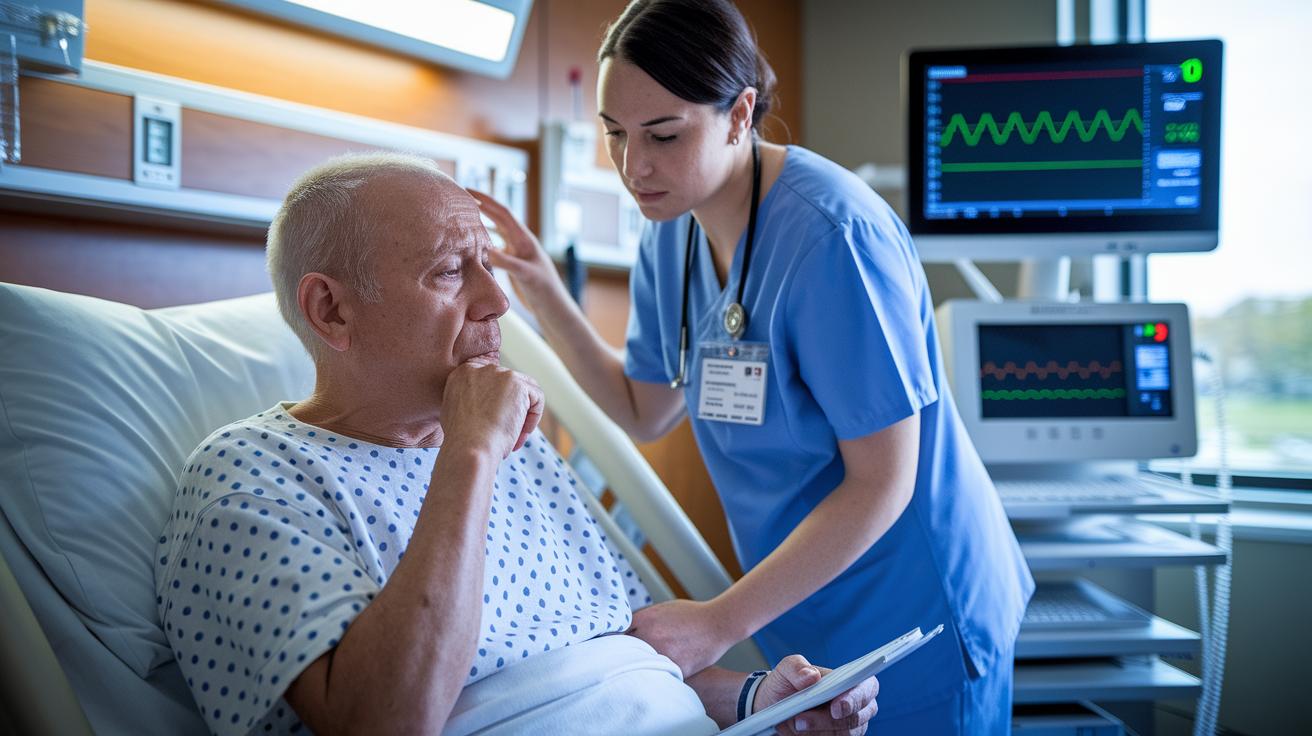

Quick Take: A lingering cough may be a sign of pneumonia.
Triage:
If you have any of these emergency signs, call emergency services now:
• Fever over 102°F
• Chest pain with each breath
Then seek medical care immediately if these occur.
Monitor your symptoms closely if they worsen.
A cough can sometimes seem like just a cold, but pneumonia can start off mild and then grow serious. You might notice a cough that lingers and feels similar to a regular cold. However, if you develop a high fever (over 102°F) or feel pain in your chest every time you breathe, these are red flags. Recognizing these signs early can help you act fast and get the right care. This guide explains the common symptoms so you know when it’s time to seek help.
Pneumonia Symptom Profile: Signs Spark Swift Recovery
Quick take: Pneumonia is a lung infection that can quickly become serious if you have high fever, strong cough, or trouble breathing.
If you have any of these emergency signs, call emergency services now:
- Very high fever (over 102°F)
- Severe chest pain when breathing
- Struggling to breathe (shortness of breath)
- Confusion, especially in older adults
Pneumonia is an infection that makes one or both of your lungs swell and become inflamed. It is usually caused by viruses, bacteria, or fungi. At first, you might feel like you have a common cold or the flu. Soon, however, you could start to notice breathing issues or chest discomfort.
Many people experience a mix of signs. You might have a fever with chills, a cough that brings up green or yellow mucus, or a dry, hacking cough. Other common signs include rapid breathing, muscle aches, feeling very tired, and a loss of appetite. Older adults may also show confusion or unusual behavior.
It is important to watch for these symptoms. If you notice that your signs last for several days or get worse, contact your healthcare provider right away. Early treatment can help you recover quicker and lower the risk of complications.
Here is a checklist of common pneumonia symptoms:
Keep a record of your symptoms, noting the time they started, their severity, and any changes. This information can help your doctor decide the best treatment. Acting quickly on these signs can be the difference between a smooth recovery and serious problems.
Pneumonia Symptom Profile Variations by Age Group

Pneumonia shows up differently depending on a person’s age. Knowing what to look for can help you act quickly.
Infants may feed poorly, seem very tired, or have brief pauses in breathing (apnea means holding breath for a short time). Children usually develop a high fever, a steady cough, and fast breathing. Adolescents and adults often have either a dry cough or one that brings up mucus, and they might feel chest pain when taking deep breaths along with a fever. Older adults can be even trickier; they may not get a high fever at all. Instead, they often feel confused, weak, or lose their appetite.
| Age Group | Key Symptoms |
|---|---|
| Infants | Poor feeding, tiredness, apnea |
| Children | High fever, steady cough, fast breathing |
| Adolescents/Adults | Dry or mucus cough, chest pain, fever |
| Elderly | Confusion, weakness, low or no fever |
Keep a close eye on these age-specific signs. If you notice unusual symptoms, especially in infants or older adults, it’s a good idea to get checked out by a clinician. Recognizing these differences early can help make sure you or your loved ones get prompt care.
Pneumonia Symptom Profile: Severity Indicators and Potential Complications
Quick Take: Severe pneumonia can quickly lead to life-threatening problems, so act fast if you notice these signs.
Triage Box:
• If you have rapid breathing, oxygen levels under 90%, very low blood pressure, or sudden confusion, call emergency services now.
• If you have a history of heart or lung disease, a weak immune system, or smoking habits, be extra alert.
Pneumonia can be serious. When your body fights a lung infection, you might breathe fast and feel confused. Low oxygen and blood pressure are clear warning signs. Seeing these signs early can lead to quick care and may stop further harm.
One way to check if pneumonia is severe is using the CURB-65 tool. This tool helps decide if you need hospital care or more advanced treatment. The checklist is:
- New confusion
- Urea above 7 mmol/L
- Breathing rate of 30 or more per minute
- Blood pressure less than 90/60 mm Hg
- Age 65 or older
Watch for these complications too:
• Sepsis and septic shock
• Fluid buildup in the lungs (parapneumonic effusion or empyema)
• Severe lung swelling (acute respiratory distress syndrome)
• Very bad dehydration
• Breathing failure that may need a ventilator
Keep a close eye on how fast you breathe, your oxygen level, and if you feel confused. If you have any red flags, seek urgent help right away. Acting on these signs early can help you recover faster and avoid more serious problems.
Pneumonia Symptom Profile Diagnostics: Imaging and Physical Exam Findings

Quick take: Doctors use imaging tests and physical exams to confirm pneumonia and plan treatment.
If you have any of these emergency signs, call emergency services now:
- Trouble breathing
- Bluish lips or face
- Severe chest pain
If your symptoms worsen quickly, seek same-day care:
- High fever
- Increased difficulty breathing
Otherwise, follow your doctor’s advice and monitor your condition at home.
Imaging tests are a key tool to back up what the doctor hears and sees during an exam. They show changes in the lung, like areas where the tissue becomes solid (consolidation) or patterns that spread across the lung (interstitial patterns). These tools help the doctor move from what you feel to a clear diagnosis.
Chest X-Ray
Chest X-rays are usually the first test used when pneumonia is suspected. They show areas where the lung is filled with fluid (lobar consolidation) or spots of inflammation (interstitial patterns). This clear look at the lungs helps doctors decide if pneumonia is the issue and which treatment to start.
CT Scan
CT scans give a very detailed picture of your lungs. They are helpful when pneumonia doesn’t look typical or if a complication is suspected. With a CT scan, doctors can see small spots of lung consolidation that might be missed on a chest X-ray, making sure nothing important is overlooked.
Lung Ultrasound
Lung ultrasound is a quick and safe test done at your bedside. It looks for signs like B-lines (vertical lines that show extra fluid), areas of lung patchiness (consolidation), or fluid around the lung (pleural effusion). This method is handy when fast decisions need to be made.
Physical Exam Findings
During a physical exam, the doctor listens to your lungs with a stethoscope. Hearing crackles (tiny, sharp sounds) or bronchial breath sounds can point to infection. Tapping on the chest (percussion) might reveal dull sounds if part of the lung is solid. These exam clues, along with the imaging results, give a complete picture of what’s happening in your lungs.
Pneumonia Symptom Profile: When to Seek Medical Attention
Quick take: If your pneumonia symptoms don’t improve in 2–3 days or you have a fever over 102°F, act now.
If you notice any of these signs, call emergency services immediately:
- Severe trouble breathing or very fast breathing
- Confusion that gets worse
- Bluish lips or face (a sign of low oxygen)
- High fever that doesn’t come down with medicine
- Signs of severe dehydration (little urine output or feeling dizzy)
- Difficulty eating or drinking because breathing is hard
Even if these red flags aren’t present, see a doctor right away if your chest pain worsens or if you start feeling increasingly confused. Stay safe and get help when you need it.
Final Words
In the action, our guide broke down the pneumonia symptom profile into clear sections, from common signs like fever and cough to red flags such as difficulty breathing and confusion. We explored symptom variations by age, severity markers, and how imaging and exams support the diagnosis.
We provided practical next steps, checklists, and tips to track your symptoms. Follow these steps and share your findings with a clinician if needed. Stay proactive and take comfort in knowing that early action can make a real difference.
FAQ
What are pneumonia symptoms?
Pneumonia symptoms include fever and chills, productive or dry cough, chest pain (such as chest pressure with cough), shortness of breath, and confusion in elders. Recognizing these signs early is key for treatment.
Is pneumonia contagious?
The contagiousness of pneumonia depends on its cause. Pneumonia from viruses or bacteria can spread through airborne droplets, while cases caused by fungi or non-infectious sources are not contagious.
What are the early signs of pneumonia?
Early signs of pneumonia include sudden fever, chest pain, persistent cough, and breathing trouble. Noticing these initial symptoms can prompt timely medical evaluation and reduce the risk of complications.
How is pneumonia treatment administered?
Pneumonia treatment often includes antibiotics for bacterial causes, supportive care like hydration and rest, and sometimes oxygen therapy. Treatment plans depend on the pneumonia type and the patient’s condition.
How can one tell if pneumonia is improving?
Improvement in pneumonia is seen when fever drops, breathing eases, and the cough and chest pain lessen over time. Monitoring these changes and checking in with a healthcare provider helps confirm recovery.
What causes pneumonia in adults?
In adults, pneumonia is commonly caused by bacterial, viral, or fungal infections. Factors such as smoking, chronic lung diseases, or weakened immunity can also increase the risk of developing pneumonia.
What are walking pneumonia symptoms?
Walking pneumonia symptoms are milder and may include a low-grade fever, slight cough, fatigue, and minor chest discomfort. It resembles a common cold but still warrants proper care and monitoring.
What are the three major causes of pneumonia?
The three major causes of pneumonia are bacterial, viral, and fungal infections. Each cause results in lung inflammation, but treatment and severity can vary depending on the underlying agent.