


Quick take: Belly and lower back pain are usually caused by muscle strain, spine issues, or digestion problems. Watch for red flags and act accordingly.
If you have any of these emergency signs, call emergency services now:
• Sudden, sharp pain that won’t stop
• Numbness or weakness in your legs
• Loss of bladder or bowel control
Otherwise, here’s what to know:
Your discomfort may be a signal from your body. Sometimes a pulled muscle or a change in your spine can trigger a dull ache. Other times, a stubborn digestion issue might be the culprit. These causes are common and often mild, but they deserve your attention.
What you can do now:
- Rest a bit and try gentle stretches.
- Use a warm compress on your belly or lower back.
- Track your pain: note the time, what hurts, and how severe it feels (mild, moderate, or severe).
Remember, if your pain worsens over a few days or if you notice any concerning signs, seek same-day medical advice. Your body is giving you important clues, so take charge and look after your health.
Abdominal and lower back discomfort: Feel Better Today
Quick take: Your pain may be from muscle strain, spine changes, or digestion issues. Please review the red flags below first.
Red Flags – Call emergency services now if you have:
• Severe, worsening pain or pain that spreads quickly
• Fever, chills, or signs of infection
• Numbness or weakness in your legs
• Trouble with urination or bowel control
Urgent – Seek same-day care if you experience:
• Sharp pain with movement that doesn’t improve
• Intense burning or stabbing pain that stops you from doing normal activities
For self-care:
• Rest and avoid heavy lifting
• Keep track of your symptoms (when pain starts, its severity, and what makes it better or worse)
• Follow up with a clinician if your pain worsens or doesn’t improve in a few days
Many things can cause discomfort in your belly and lower back. Sometimes, overusing your muscles leads to strains or ligament injuries. Age changes can cause your spine to feel achy, with the pain moving between your back and stomach. Digestion problems like heartburn or gastritis (inflammation in your stomach) can also create a deep ache that reaches your back. Trapped gas may make your stomach feel very full and send pain downwards. In some cases, sciatica (nerve pain that travels down your legs) or a urinary tract infection may add to the discomfort. For women, changes during pregnancy such as weight shifts and looser ligaments are common causes too.
Common causes include:
• Muscle or ligament strain
• Age-related spine changes
• Stomach inflammation (gastritis, heartburn, acid reflux)
• Trapped gas buildup
• Sciatica with burning or tingling sensations
• Urinary tract issues and pregnancy changes
Notice when the pain happens. Sharp pain while moving may mean a muscle strain, while pain after eating could signal a digestive upset. Writing down these details can help you decide if you can manage it at home or if you need to see a clinician.
Recognizing red flags in abdominal and lower back discomfort

Quick take: Certain abdominal or lower back pain with red-flag symptoms needs prompt attention.
If you have a high fever (around 102 F), severe chills, constant vomiting, or a very tight and sore belly when you touch it, these are serious signs. For example, a fever together with steady stomach pain and vomiting means you should get checked right away.
Watch for organ signals. If you see even a little blood in your stool or urine, or if you lose weight without a clear reason while feeling pain in your lower body, it could point to issues like ulcerative colitis or kidney stones.
Be alert for nerve warning signs. If you notice increasing weakness, numbness, or any loss of control over your bowels or bladder, especially if you also have sharp, central lower back pain, this may mean there is pressure on your spine (spinal compression or cauda equina syndrome). If these symptoms occur, contact your healthcare provider immediately.
Differentiating digestive, reproductive and urinary origins of pain
Quick take: Pain in your stomach, lower belly, or side may come from your gut, reproductive organs, or urinary system.
Triage:
- If you experience severe chest or abdominal pain, trouble breathing, heavy bleeding, or vomiting blood, call emergency services now.
- If the pain suddenly worsens or new severe symptoms appear, seek urgent care right away.
- For milder discomfort, track your symptoms and check with your clinician if they get worse.
Sometimes, pain high in your stomach that spreads to your back can come from your gut. Conditions like gastritis, heartburn, and acid reflux often cause a burning or aching feeling after you eat. For example, a heavy, spicy dinner might leave you with a deep ache in your chest and back.
If you are of reproductive age, lower belly cramping might be a sign of issues like ovarian cysts, endometriosis, or early pregnancy changes. This pain may come with your period or other reproductive symptoms. It can come and go and sometimes even spread toward your back, which can help you tell it apart from gut pain.
Burning when you pee along with a strong urge to go usually points to a urinary tract infection. If the infection moves to your kidneys, you might feel a steady pain on your side or lower back that worsens with movement. This persistent discomfort is a sign to seek medical care.
Self-assessment techniques to locate abdominal versus back pain sources
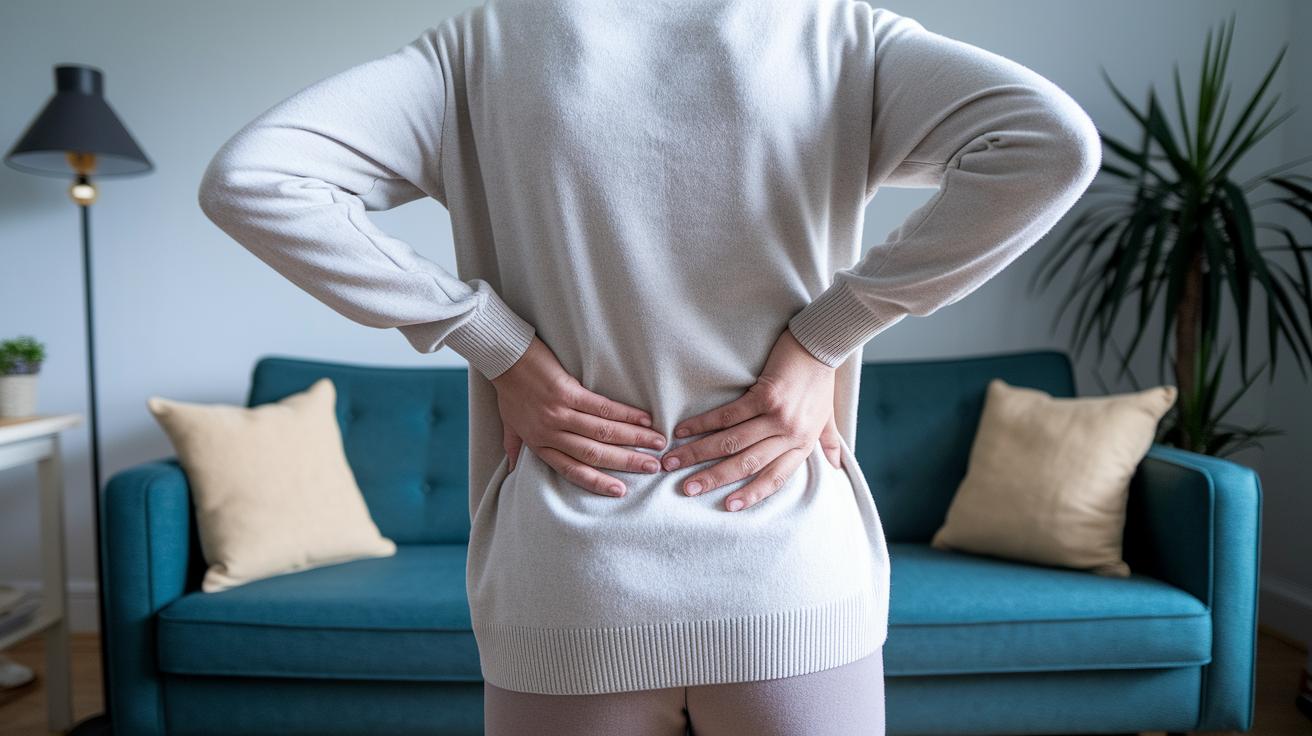
Quick take: Your pain might be from a muscle strain or something deeper.
If you have any of these emergency signs, call emergency services now:
- Constant, severe pain that does not improve
- Fever above 102°F with worsening pain
- New numbness or weakness in your legs
Urgent: Seek medical help if your pain worsens quickly or you can’t move normally.
For a simple check at home, start by pressing gently over the area where the pain hurts most. Use your fingertip to feel if the soreness matches your discomfort. This can help you tell if the pain is from a muscle strain or another issue.
Watch how your pain changes when you move. If you strain a muscle or ligament, the pain may get worse when you move, take deep breaths, or cough. Stomach pain (gastrointestinal pain) often shifts after eating or having a bowel movement and can change with different postures. Notice if resting or moving makes the pain better or worse.
Also, pay attention to when the pain happens and other signs that come with it. For example, sciatic nerve pain (nerve pain that runs from your lower back down one leg) can get sharper if you sit or straighten your leg. Pain from the urinary system usually feels steady and might worsen if you press on the side of your back (flank). Write down these details. They can help you and your doctor decide what to do next.
Immediate home remedies for abdominal and lower back pain relief
Quick take: For mild pain in your tummy or lower back, simple home remedies may ease your discomfort. If your pain gets worse or you notice worrying signs, seek professional care immediately.
If you have minor aches, try using a pain reliever like ibuprofen (helps reduce swelling) or a muscle relaxer to calm tight muscles. These over-the-counter options work fast to ease discomfort so you can move more easily.
You can also help your body with simple physical steps. Use a firm mattress or place a pillow under your lower back to improve your posture and lessen strain. A warm compress on your back or tummy can relax tense muscles and boost blood flow. Taking a gentle walk or doing slow stretches may help move gas and relieve cramping. Drinking lots of water helps your digestion and may cut down on bloating, and a light, clockwise massage on your abdomen might further ease tension.
- Take pain relievers to reduce swelling and muscle spasms.
- Use pillows or a firm mattress to support proper posture.
- Apply a warm compress on your back or tummy to relax muscles.
- Walk or stretch slowly to help move gas and ease cramps.
- Drink plenty of water to support digestion and reduce bloating.
- Massage your abdomen gently in a clockwise direction to ease tension.
If your symptoms continue or worsen despite these steps, please get medical care.
When to seek medical care for abdominal and lower back discomfort

Quick take: Belly and back pain can be serious; act fast if you spot red flags.
Triage:
If you have any of these emergency signs, call emergency services now:
- A high fever (for example, 102°F or above)
- Pain that gets worse and never eases
- Vomiting
- Blood in your stool or urine
You should also seek urgent care if you have strong, central back pain or ongoing discomfort in your lower torso.
Common causes include:
Infections such as kidney infections and kidney stones often come with fever, chills, and sharp pain on the side. Pancreatitis (inflammation of the pancreas) may cause constant pain in the upper belly that spreads to your back, especially after fatty meals. Ulcerative colitis (colon inflammation) can trigger sudden, sharp pain in both the abdomen and lower back, sometimes with diarrhea or bleeding.
If you notice these symptoms, get evaluated promptly. Use our Triage Flowchart for Abdominal Pain to help decide if you need immediate treatment.
Preventive lifestyle adjustments to reduce abdominal and lower back tension
A good mattress that supports your natural spine can really help your back. A firm surface paired with the right pillows keeps you in a neutral position while you sleep. This lessens strain on your muscles and ligaments so your body can rest and recover from daily tension.
Try to add gentle exercise to your routine. Walking, swimming, or yoga strengthens your core and improves balance. Staying active and maintaining a healthy weight helps reduce the pressure on your lower back and supports muscle recovery. Regular movement also improves blood flow, which can lower pain and fatigue over time.
Watch your diet and check your posture. Eating an anti-inflammatory diet that includes fiber, lean proteins, and plenty of water supports gut health and reduces inflammation. Make sure your work setup is ergonomic to avoid slouching. Even simple habits like deep belly breathing and light stretching during breaks can ease muscle tension. These small daily changes can build a strong foundation for a more active and pain-free life.
Final Words
In the action, we explored what might cause abdominal and lower back discomfort and shared simple checklists for safe self-assessment.
We covered common reasons like muscle strains, digestive issues, and nerve problems along with practical home remedies and tips to track symptoms.
Keep an eye on any warning signals and adjust your habits to support long-term relief. Every step you take toward understanding your pain helps you act safely and confidently. Stay steady and positive.
FAQ
What causes lower abdominal and back pain in females, including cases with no period?
The lower stomach and back pain in females can be from muscle strain, digestive issues, or reproductive factors such as irregular cycles or early pregnancy changes. Persistent pain calls for professional evaluation.
What does a bloated stomach with back pain indicate in females?
The bloated stomach and back pain in females often suggest trapped gas or mild digestive inflammation. Adjusting your diet and gentle movement may help, but worsening symptoms should be checked by a clinician.
What causes lower abdominal and back pain in males?
In males, lower abdominal and back pain can result from muscle strain, digestive inflammation, or urinary tract issues. A proper evaluation helps pinpoint the cause, so seeking advice if symptoms worsen is wise.
What does upper stomach and back pain together signify?
Upper stomach and back pain can be linked to digestive inflammation like gastritis or acid reflux, as well as muscle strain. Discomfort after eating may signal the need for further medical assessment.
What is the general cause of lower back pain combined with abdominal pain?
Lower back pain with abdominal discomfort may stem from muscle injuries, gastrointestinal issues, or urinary problems. Recognizing accompanying symptoms helps determine if professional care is needed.
Why do I feel discomfort in my lower abdomen and lower back?
Discomfort in the lower abdomen and back can be due to minor muscle strain, digestive upset, or trapped gas. Observing the pattern and intensity can guide you on whether self-care is enough or if you should consult a clinician.
When should I worry about abdomen and back pain?
You should be concerned if your pain comes with high fever, blood in stools or urine, or sudden worsening. These warning signs indicate the need for urgent medical evaluation to rule out serious conditions.
How can I tell if my back pain is kidney-related?
Kidney-related back pain is often accompanied by flank discomfort, changes in urine color, and burning on urination. If these symptoms occur, it’s important to seek prompt medical assessment.
Why is there pain in the lower abdomen during pregnancy?
Lower abdominal pain during pregnancy may occur because of stretching ligaments and the growing uterus. While mild discomfort can be normal, severe pain or added symptoms should be evaluated by a clinician.