

Ever thought that your kitchen might hold mood-boosting secrets? Natural remedies at home can sometimes brighten your day. In this post, we explore 5 everyday items that may help ease pain, clear up colds, and support digestion and skin care. You'll see how common spices, fruits, and herbs can gently lift your mood. Read on for simple tips and clear steps on using nature’s own ingredients to help you feel better.
Overview of Remedy Categories for Everyday Health Concerns
DIY plant and kitchen remedies can be a quick, natural help for everyday health issues. You can use common herbs, fruits, and spices, ingredients you might already have at home, to ease symptoms gently and support long-term well-being. These simple treatments have been trusted over time and show how nature can brighten your day.
• Everyday ailments
• Pain and inflammation
• Relief for colds and coughs
• Digestive support
• Skin and scalp care
• Fungal and nail health
• Hair nourishment
• Immune support and overall wellness
Below you will find easy-to-follow guides for each category. These sections explain natural ways to care for your health with everyday ingredients. Explore the remedies and find solutions that work well with your daily routine, helping you feel your best.
Natural Home Remedies for Pain and Inflammation
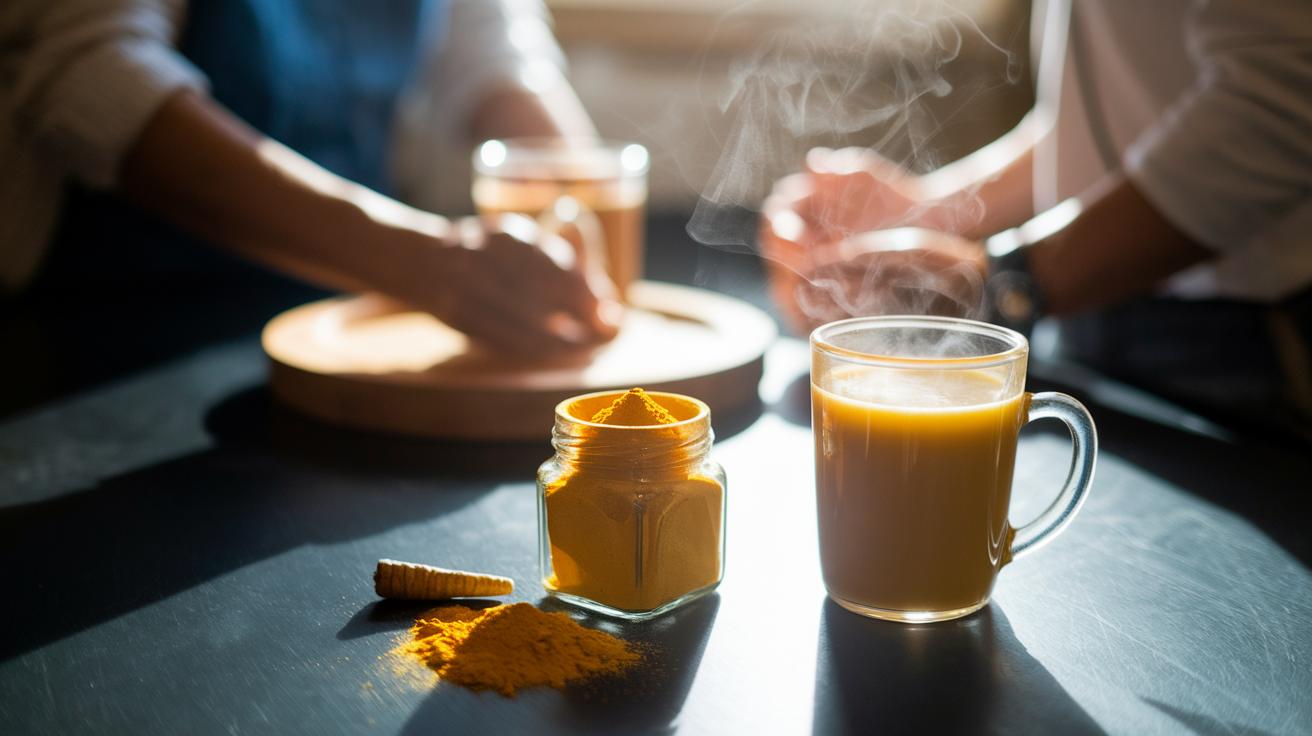
Turmeric is a strong herb that can calm inflammation. Try mixing 0.5 to 1.5 teaspoons of turmeric into your meals or a warm drink, like golden milk. Its main ingredient, curcumin (the part that works), blocks inflammation pathways and may ease joint and muscle pain over time. You might start to notice benefits after 4 to 8 weeks. Begin with a small amount and add a pinch of black pepper to boost absorption.
Cayenne capsaicin cream helps numb pain by reducing sensitivity in nerve endings. To make this remedy, blend 3 tablespoons of cayenne powder with 1 cup of coconut oil until the mixture is smooth. Rub a small amount over the painful area for quick, temporary relief. Always do a patch test on a small area of skin first to check for irritation.
White willow supplements offer a natural alternative to common pain relievers. They contain salicin (a natural compound similar to aspirin) which can reduce back and joint pain. Follow the dosing instructions on the package. This option may cause less stomach upset than regular painkillers, but if you have a sensitive stomach or the pain continues, talk to your doctor.
Eucalyptus oil soothes muscle tension and can help with breathing thanks to its active compound, 1,8-cineole. You can dilute a few drops in a carrier oil and apply it topically or add it to a diffuser. This natural remedy supports pain relief in a gentle way. Always perform a patch test before using it more widely to ensure your skin tolerates the oil.
Natural Home Remedies for Cold and Cough Relief
Quick take: Simple kitchen remedies can soothe a mild cough and sore throat.
If you have any of these emergency signs, call emergency services now:
• High fever (above 102 F)
• Difficulty breathing or shortness of breath
• Chest pain or pressure
• Severe confusion or unusual drowsiness
These remedies work best when your symptoms are mild. They are not a substitute for medical care if your condition worsens.
Garlic & Honey Soother
When you first notice a tickle in your throat, crush 2 cloves of garlic and mix them in 1 tablespoon of honey. Swallow the mix right away. Garlic has natural germ-fighting properties, and the honey coats your throat. This can help reduce coughing quickly, especially at the start of a cold.
Apple Cider Vinegar Cough Tonic
Make a warm tonic by mixing 2 tablespoons of apple cider vinegar with a dash of cayenne (a spicy powder), a sprinkle of cinnamon, and 1 tablespoon of honey in 8 ounces of hot water. Stir well. Sip this tonic every few hours as needed. The vinegar may help balance your throat’s pH, while the honey and spices can ease irritation.
Ginger Ice Cubes for Cough
For a cooling remedy, grate a ½ inch piece of fresh ginger. Boil the ginger in water for 10 minutes, then strain the liquid. Pour it into an ice cube tray and freeze. Suck on one ginger ice cube slowly. The cold helps calm your throat and reduce inflammation over time.
Remember to drink lots of water and get plenty of rest to support your recovery.
Natural Home Remedies for Digestive Support
Quick Take: Simple home remedies can ease common gut issues.
Triage Box:
• Call emergency services now if you experience severe dehydration (dry mouth, dizziness, confusion), very strong stomach pain, or high fever.
• Seek urgent care if your discomfort gets much worse or lasts more than a few days.
• Otherwise, try these gentle, natural steps to support your digestion.
Keeping your gut balanced helps you feel good. Natural remedies can soothe symptoms like gas, bloating, or diarrhea using everyday ingredients that work with your body.
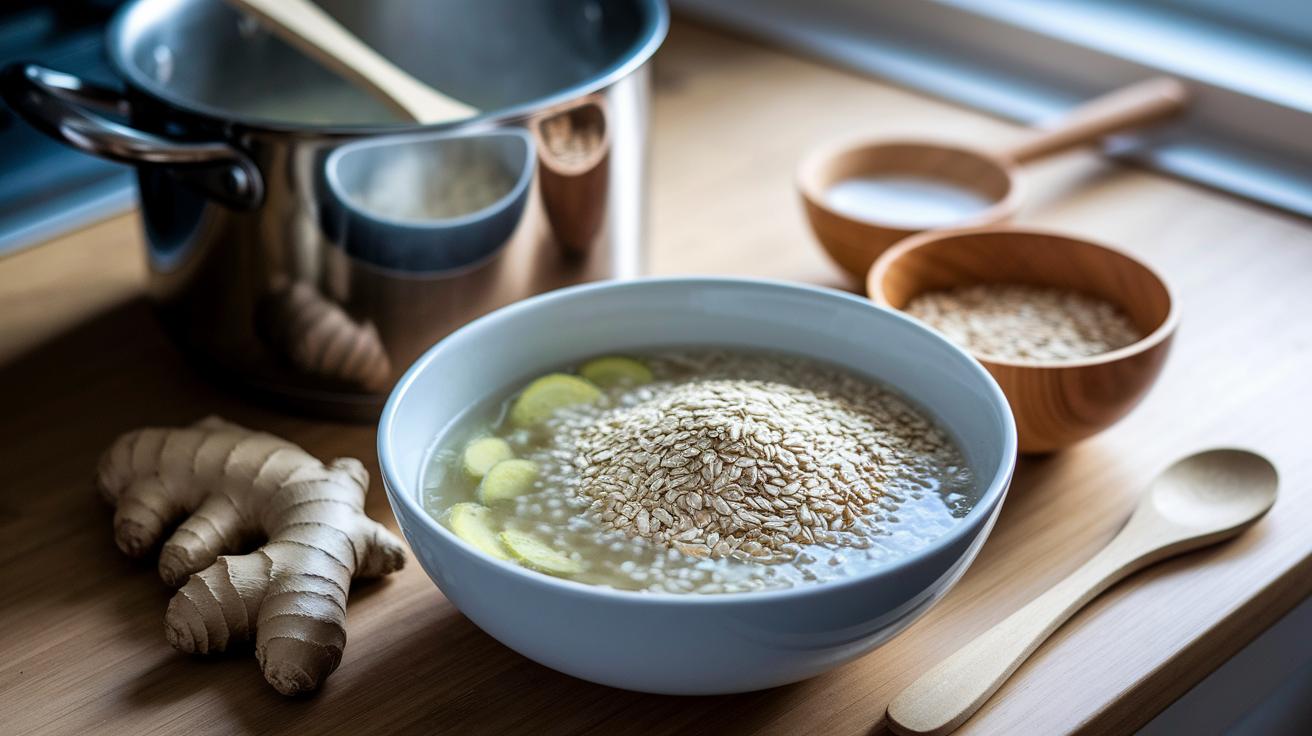
Grain water is a mild way to replace lost fluids. To make it, boil brown rice or oatmeal in twice the usual amount of water. Strain out the grains and sip the liquid slowly. This helps rehydrate and calms your stomach.
Fennel seeds ease gas and bloating after meals. Chew about ½ teaspoon of fennel seeds or steep them in hot water for a tea. This simple remedy can relieve a bloated feeling and settle your tummy.
Apple cider vinegar may give your digestion a boost. Mix 1 to 2 tablespoons in a glass of water and drink it about 10 minutes before eating. It may help balance stomach acids and prepare your digestive system for food.
Celery is another natural aid for your gut. Eating or juicing 4 stalks daily can help reduce uric acid buildup and ease digestive discomfort. Enjoy it as part of your daily routine for steady support.
Natural Home Remedies for Skin and Scalp Care
Quick take: Gentle home remedies can quickly ease mild skin and scalp issues when used with care.
Triage Box:
• Emergency: Call emergency services now if you have severe swelling, pain, or breathing trouble.
• Urgent: Seek same-day care if irritation or redness worsens fast.
• Watch and Self-Manage: Use these remedies as directed and monitor your reaction.
A strong skin barrier protects your face and scalp. Natural treatments made from everyday ingredients can ease bumps, itchiness, and flaking. They calm inflammation and help your skin repair itself naturally.
| Condition | Herbal Remedy | Application |
|---|---|---|
| Acne | Honey & Turmeric Mask (1/4 tsp each) | Spread a light layer on clean skin and gently remove it using coconut oil to avoid staining. |
| Eczema | Comfrey Poultice | Place on the red or irritated spots to soothe and support healing. |
| Dandruff | Lemongrass Oil Tonic (5–15% concentration) | Massage into your scalp or rinse it in, following a two-week plan for best results. |
Always do a patch test before fully adding any remedy into your routine. For instance, try a small amount of witch hazel (a gentle cleanser) on a tiny skin patch, even if it has worked well for others over many years. With potent oils like lemongrass tonic, start slowly to see how your skin reacts. Using these simple tests and gentle applications helps you build a daily routine that supports clear skin and overall well-being.
Natural Home Remedies for Fungal and Nail Health
Quick take: Home remedies can boost nail strength and combat fungal issues, but if your condition worsens, see a doctor immediately.
Triage:
- Emergency: If you experience severe pain, heavy swelling, redness, or pus around your nails, call emergency services or visit a doctor.
- Urgent: If your nail changes get worse quickly or interfere with daily activities, seek care the same day.
- Watch and self-manage: For mild symptoms, try these remedies and monitor your nails closely.
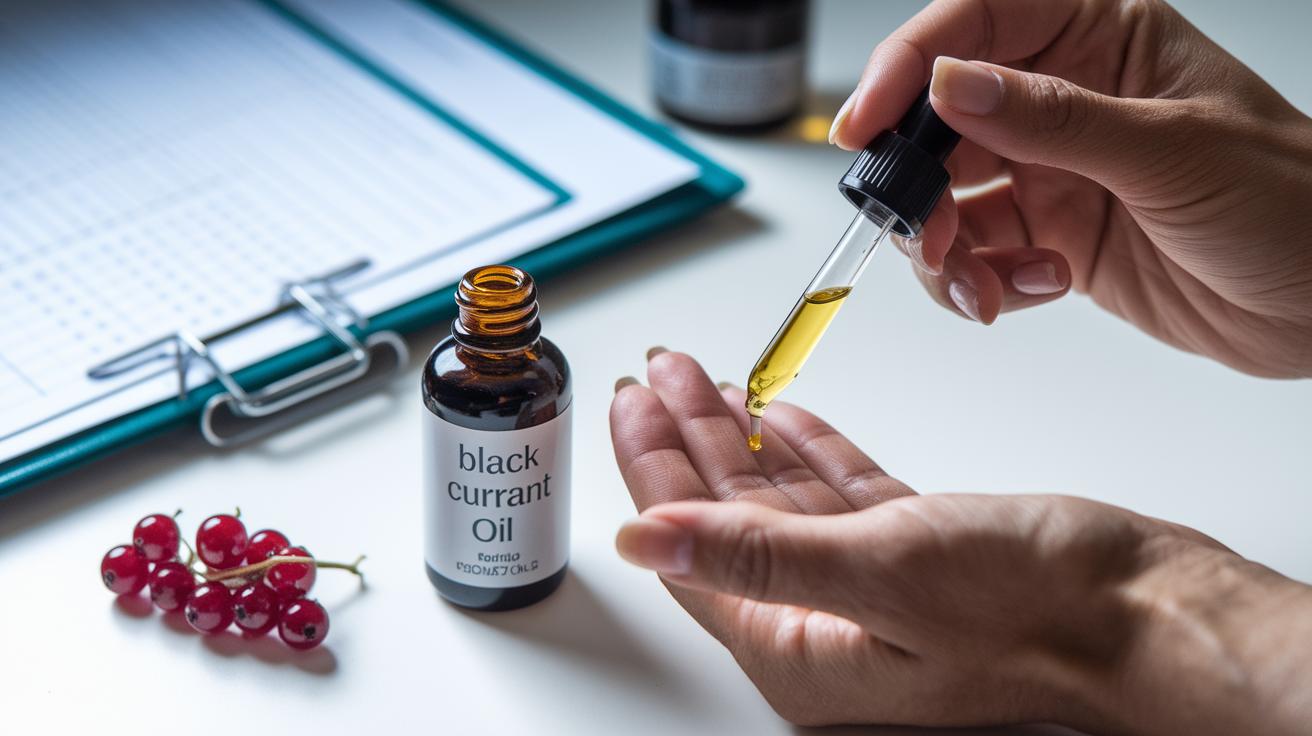
Black currant oil capsules may help strengthen fragile nails, especially in older adults. Improvements can show in roughly 2 weeks. Follow the product’s directions and take one capsule each day. Over
Natural Home Remedies for Hair and Scalp Nourishment
Quick tip: Try these simple, natural treatments to boost your hair and soothe your scalp. Always do a patch test before using new oils.
The Regrowth Blend
Mix together cedarwood, lavender, rosemary, and thyme essential oils with a carrier oil blend of jojoba and grapeseed oil. Use 3–4 drops of each essential oil in about 1 tablespoon of the carrier oil. Massage a small amount into your scalp two or three times a week. A study shows you may spot new growth after 7 months of regular use.
Deep-Conditioning Mask
Combine equal parts coconut and jojoba oil for a nourishing mask. Work the mix evenly through your hair and scalp, then cover with a shower cap. Leave it on for 20 minutes and rinse with warm water. This weekly treatment can help restore softness and shine while reducing dryness.
Aloe and Rose Water Spray
For daily hydration, mix aloe juice and rose water in equal amounts inside a spray bottle. Before you spray, shake the bottle well. Mist your scalp gently each morning to soothe dryness and calm irritation, giving your scalp a refreshing boost.
Preventive Natural Home Remedies for Immune and Wellness
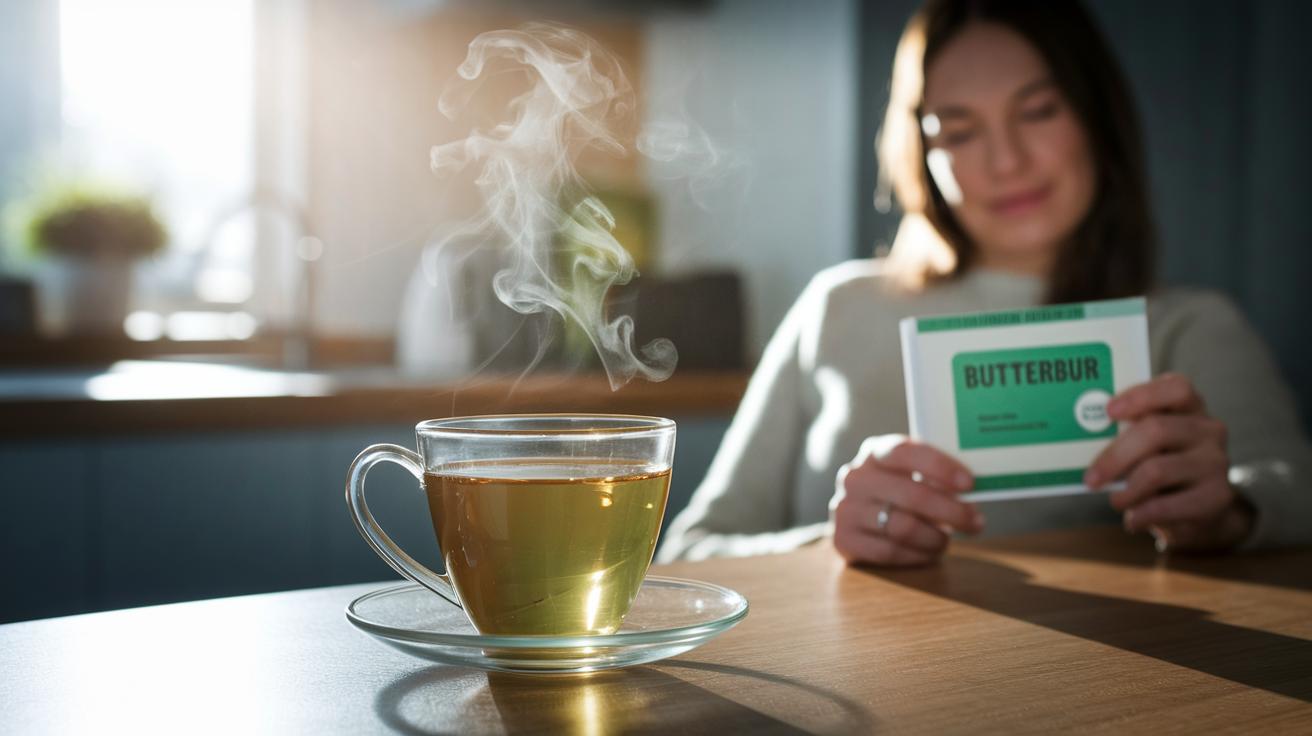
Quick take: Simple, natural steps like these can help support your immune system and ease daily stress.
If you experience any severe allergic reactions or unusual symptoms after trying these remedies, call emergency services now.
• Green Tea Remedy
Brew one cup with 8 ounces of water. Steep for 3 to 4 minutes and sip slowly. This tea is full of polyphenols (natural compounds) that may help boost your immune system and support weight management. Enjoy it in the morning or afternoon.
• Butterbur Supplements
Butterbur may help ease hay fever symptoms. Follow the product label and take about 50 mg twice a day. Adding this to your routine may reduce seasonal allergy discomfort and improve overall wellness.
• Bergamot Oil Inhalation
Bergamot oil can help relieve stress. Add 10 drops to a small bowl of salt. Breathe in the aroma gently during a break or as part of an evening ritual to ease tension.
• Melatonin Sublingual Tablets
Melatonin helps with jet lag recovery and promotes sleep. Place a tablet under your tongue about 30 minutes before bedtime. Starting with a low dose (1 to 3 mg) may help regulate your sleep cycle after travel or during periods of restlessness.
Safe DIY Practices for Homemade Infusions and Blends
Making your own natural remedies can save money and let you tailor treatments to your needs. Start by measuring each ingredient carefully with tools like measuring spoons or kitchen scales. Accurate measurements help you get the right strength in every batch and avoid mistakes.
Use a recipe that clearly lists exact amounts. Always check your numbers before mixing to keep your remedy safe.
Before using a new blend, do a patch test. This means mixing 1–2% essential oil (a small part of the recipe) with a carrier oil (a base oil) and applying a little on the inside of your wrist. This test shows if your skin might react badly.
Store your finished infusion in a dark glass bottle. Keep it away from direct sunlight and heat to protect the active ingredients and make your remedy last longer.
Clean your work area and tools thoroughly before and after making your blend. Keeping things sanitized helps to prevent contamination and ensures your infusion stays safe.
Follow the recipe’s usage guidelines closely. Do not use the remedy for longer than recommended and pay attention to any time limits. If you notice your symptoms persist or if you worry about possible interactions, talk to a healthcare professional before you continue using your home remedy.
Final Words
In the action, we've covered how natural home remedies can ease everyday ailments. You’ve seen practical approaches for pain, colds, digestion, skin care, fungal issues, hair nourishment, and boosting immunity. DIY tips and safety practices help you craft these solutions confidently. Each section offers clear steps to quickly decide if self-care is enough or if you should get professional help. Keep these tips handy, and remember that simple remedies can support your well-being every day. Stay positive and take care.
FAQ
What do simple home remedies refer to?
Simple home remedies refer to easy DIY treatments using everyday plants and kitchen ingredients to manage symptoms and promote wellness safely at home, offering quick, natural relief.
What are grandma home remedies?
Grandma home remedies are time-tested treatments passed down through generations. They rely on natural ingredients from the kitchen and garden to ease common symptoms and support overall wellness.
What does Home Remedies A to Z include?
Home Remedies A to Z includes a full range of natural treatments covering various ailments. It guides you on preparing effective DIY remedies using simple, everyday ingredients found at home.
What is included in natural remedies products?
Natural remedies products consist of pre-made herbal treatments and supplements derived from plants. They provide convenient, ready-to-use solutions to help support your health when used as directed.
What is the Natural Home Remedies book about?
The Natural Home Remedies book offers step-by-step instructions for creating home treatments with kitchen ingredients and botanicals. It serves as a practical guide for preparing effective remedies for common issues.
What are some examples of 20 home remedies?
Twenty home remedies offer a variety of natural treatments for problems like pain, colds, digestion, and skin care. They use everyday ingredients to help manage symptoms safely and effectively at home.
What are the 8 natural remedies?
The eight natural remedies cover everyday ailments; pain & inflammation; cold & cough relief; digestive support; skin & scalp care; fungal & nail health; hair nourishment; and immune & wellness.
What is the most powerful healing herb?
The most powerful healing herb is often considered to be turmeric due to its strong anti-inflammatory and antioxidant properties, which help reduce pain and support overall health when used correctly.
What is the strongest natural sleep remedy?
The strongest natural sleep remedy can be chamomile tea or melatonin sublingual supplements. Both can promote a more restful sleep when included as part of a calming nightly routine.
What is considered the strongest natural antibiotic?
The strongest natural antibiotic is often regarded as garlic because of its powerful antimicrobial properties. It has been traditionally used to help the body fight off bacterial infections effectively.