Quick take: Some simple home remedies might ease kidney stone pain, but check in with your doctor soon.
If you have severe pain, fever, or blood in your urine, call emergency services now.
Everyday ingredients may offer some relief. Drinking extra water can help flush out tiny crystals. Adding lemon or apple cider vinegar to your water might ease discomfort. Sipping warm herbal teas can be soothing too.
These home tips are practical steps to help you feel a bit better while you arrange to see a doctor. Remember, these remedies are only a stopgap and not a substitute for professional care.
Essential At-Home Natural Remedies for Kidney Stones
Quick take: Simple home remedies may ease discomfort from kidney stones, but act immediately if you have serious symptoms.
Triage Box:
If you have severe pain, fever with chills, blood in your urine, or difficulty passing urine, call emergency services now.
Kidney stones can block urine flow and cause sharp pain. These steps may help flush out tiny crystals and ease your symptoms while you plan to talk with your doctor.
- Drink 2–3 liters of water a day. This helps thin your urine and push out small crystals before they grow.
- Add lemon juice to your water. Stir in a few tablespoons to boost citrate (a substance that helps stop calcium stones from forming).
- Mix 1–2 tablespoons of apple cider vinegar in a glass of water. Its natural acidity might help soften stones.
- Brew parsley tea by steeping fresh or dried parsley in boiling water for 10 minutes. This natural diuretic can increase urine production to help clear crystals.
- Steep 1–2 grams of dried dandelion roots in hot water. Sip slowly to encourage more frequent urination and help remove waste.
Stick with these remedies over several days. Watch for any shifts in pain or how your bathroom habits change. Even if these home steps help, it’s best to check with a healthcare provider to make sure they fit your overall health plan.
Dietary Changes to Prevent and Dissolve Kidney Stones Naturally
Quick take: Adjusting what you eat can lower your risk of kidney stones, but watch for severe pain or changes in your urine.
If you experience any of these symptoms, get help immediately:
• Severe, sharp pain in your back or side
• Blood in your urine
• Nausea or vomiting with the pain
• Fever and chills
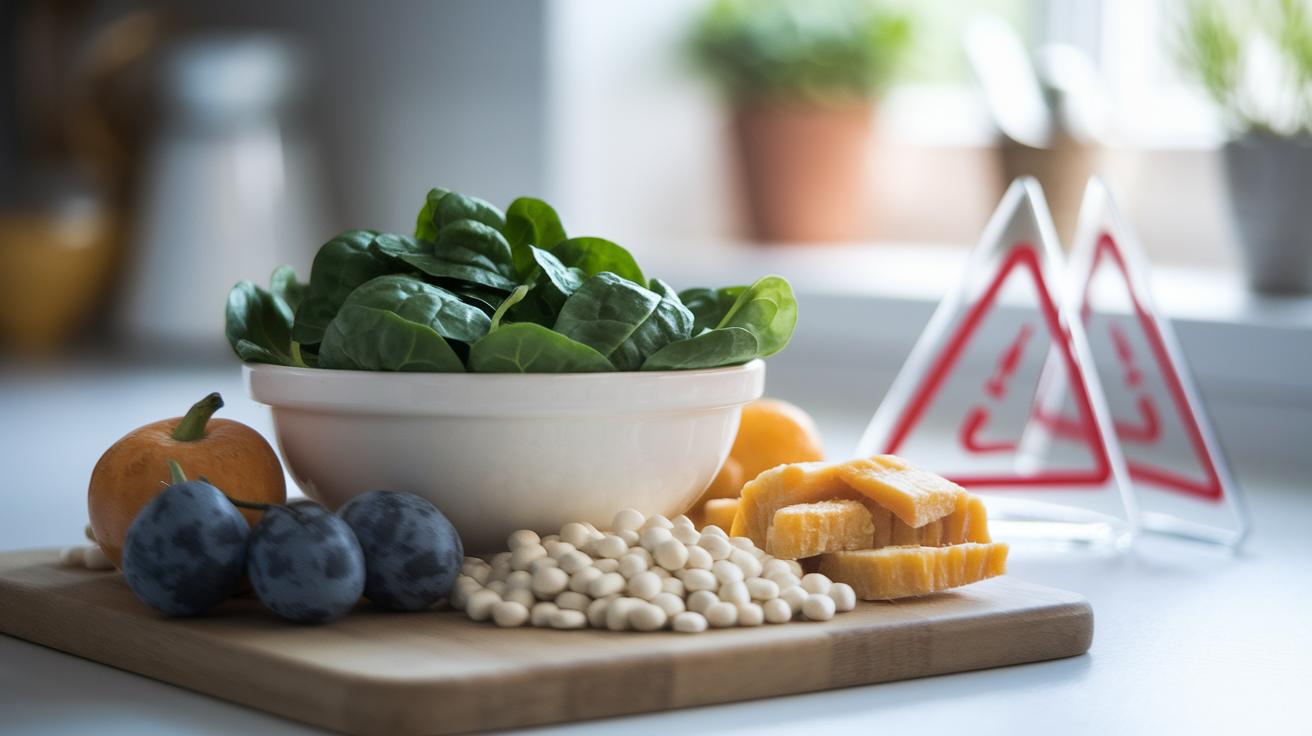
Diet tricks can help prevent stones. Cutting back on salt (aim for under 2,300 mg per day) reduces extra calcium in your urine. Eating about 1,000–1,200 mg of calcium with meals helps bind oxalate (a natural compound in many foods) in your gut. This can lower your risk of stones. Reducing foods high in oxalate such as spinach, nuts, and beets keeps the total oxalate low. Also, try to get 25–30 g of fiber each day. Fiber helps trap compounds that can form stones. Citrate-rich fruits (like lemons and oranges) boost citrates in your urine, which work to keep stones from forming.
Here is a simple one-day meal plan to try:
| Meal | Suggestions |
|---|---|
| Breakfast | Bowl of whole-grain oatmeal with sliced oranges; enjoy with low-fat milk |
| Lunch | Salad with mixed greens and grilled chicken, dressed with lemon juice, plus a side of whole-grain crackers |
| Dinner | Baked fish with steamed broccoli and cauliflower, served with brown rice |
| Snack | Small apple with low-sodium cheese or a cup of Greek yogurt with berries |
When shopping, check labels for sodium content and choose fresh produce and lean proteins. Preparing meals ahead of time can make it easier to follow your plan. Try using herbs and spices for flavor instead of salt so you do not add extra sodium. These steps help you enjoy a balanced diet that keeps your kidney stones at bay.
Herbal Supplements and Natural Extracts for Kidney Stone Care
Quick take: These natural remedies may ease kidney stone discomfort and help small stones pass.
Triage Box:
• If you have intense pain, fever, blood in your urine, or trouble passing urine, call emergency services now.
• If your symptoms worsen or do not improve, seek same-day medical attention.
• Otherwise, follow your self-care plan and monitor your symptoms.
Herbal supplements and natural extracts can support you when you’re dealing with kidney stones. They may ease discomfort and help your body push out small stones. These herbs work by boosting your urine flow and providing antioxidants (natural chemicals that fight damage) to slow down crystal buildup.
Stick to the recommended doses and watch out for any allergy signs. Use these remedies regularly because their benefits build up over time. Keep in mind that while early studies have shown promise, the results can differ from one person to another.
Before you start any herbal routine, talk with your healthcare provider. They can check that these natural options are safe for you and work well alongside any other treatments you’re using. This careful approach makes sure that all parts of your plan work together for better kidney stone care.
| Herb/Extract | Dosage | Primary Benefit | |||||
|---|---|---|---|---|---|---|---|
| Chanca Piedra | 450 mg three times daily | Helps stone passage | |||||
| Hydrangea Root | 250–500 mg per day | Boosts urine flow and supports kidney tubules | |||||
| Pomegranate Juice | 8 oz per day | Provides antioxidants and a source of citrate
Lifestyle and Fluid Strategies for Long-Term Kidney Stone Prevention
Quick take: Prevent kidney stones by keeping hydrated, staying active, maintaining a healthy weight, and choosing balanced foods. Triage Box: Drink plenty of water. Aim for a urine output of over 2.5 liters each day. Use a water bottle with measurement marks to track your intake. This steady sipping helps dilute your urine and flush out tiny crystals before they can form stones. Add about 30 minutes of moderate exercise each day. Activities like walking, cycling, or even energetic household tasks boost blood flow and keep your kidneys working well. Regular movement can also ease stress, which might lower your chance of stone recurrence. Keep your Body Mass Index (BMI) in the healthy range of 18.5 to 24.9. Eating balanced meals and engaging in regular exercise helps maintain a steady BMI. A healthy weight supports your kidneys and overall body function. Cut back on added sugars and excess animal protein. High amounts of these can raise uric acid levels, which may lead to stone formation. Focus on eating more fruits, vegetables, and plant-based proteins. Even small changes in your daily diet can make a big difference in preventing kidney stone buildup. Warning Signs and When to Seek Professional Help for Kidney StonesQuick take: Some kidney stone symptoms need fast attention. If you feel pain for over 48 hours or have a fever above 100.4°F for more than 24 hours, home care might not be enough. If you keep vomiting or see blood in your urine for over one day, these are red flags that you should get checked. For example, seeing blood in your urine for a full day can mean there is a blockage or an infection.
When these signs appear, your doctor may order tests like a CT scan or an ultrasound to see the stone’s size and location. If there is worry about a blockage, you might be sent to a urologist for further care. For example, your doctor might say, "I want you to get a CT scan to check for hidden blockages so we can decide if more treatment is needed." Keep track of your symptoms and reach out to your healthcare team if you notice no improvement. Research and Evidence Behind Natural Kidney Stone Remedies
If you have kidney stones, some natural remedies might help lower your risk of stones coming back. Studies show that adding citrate (a substance found in citrus fruits) to your diet can lower the risk by about 20%. Citrate works by binding with calcium in your urine, which may stop stones from forming or growing. This is why citrate-rich foods or supplements are sometimes used in managing stone risks. Herbal remedies also show promise. One small study found that chanca piedra helped stones pass 59% more often. This herb may relax the muscles in your urinary tract and help you pee more, making it easier to pass stones. Other natural extracts with antioxidants might also support kidney health. However, these studies were small and not as strict in testing. Keep in mind that most of this data comes from small studies or animal tests. There are few large, controlled trials. These early results look promising but are still preliminary. Always talk to your healthcare provider before adding any natural remedy to your treatment plan. Final WordsIn the action, you gathered at-home strategies to ease kidney stone discomfort, ranging from hydration to diet, herbal support, and healthy habits. You also learned when persistent symptoms need immediate medical attention. These clear steps help you manage your symptoms and prepare focused info for your clinicians. Keep following these natural remedies for kidney stones and stay proactive about your care. Small changes each day can lead to steady improvement and peace of mind. FAQQ: Why is quick intervention important when managing kidney stones at home?A: The importance of quick intervention is that early at-home management can help relieve symptoms and reduce stone buildup. Acting fast may also prevent complications and lessen kidney pain. Q: What are the top at-home natural remedies for kidney stones?A: The top at-home remedies include drinking 2–3 liters of water daily, using lemon juice to boost citrate levels, apple cider vinegar for stone dissolution, and natural diuretics like parsley tea for increased urine flow. Q: How do dietary changes help reduce kidney stone risk?A: The role of dietary changes is to lower urinary calcium and oxalate by limiting sodium, high-oxalate foods, and added sugars while ensuring balanced calcium, fiber, and citrate-rich fruit intake to help prevent stone formation. Q: What herbal supplements can support kidney stone care naturally?A: The herbal supplements like chanca piedra, hydrangea root, dandelion tea, and uva ursi are shown to promote stone passage, support kidney tubules, and gently increase urine output, potentially easing kidney stone symptoms. Q: Which lifestyle strategies help prevent long-term kidney stone formation?A: The lifestyle strategies involve tracking fluid intake to produce over 2.5 liters of urine daily, engaging in moderate exercise for 30 minutes, maintaining a healthy weight, and reducing stone-promoting foods like excessive animal protein. Q: When should I seek medical help for kidney stone symptoms?A: The key warning signs include pain lasting over 48 hours, fever above 100.4°F, persistent vomiting, or blood in urine. These indicate potential complications such as infection or blockage that require prompt medical evaluation. Q: What evidence supports the use of natural remedies for kidney stones?A: The current evidence shows that citrate and herbal treatments like chanca piedra can reduce stone recurrence. However, most studies are small, so consulting a healthcare provider is advised before starting any new regimen. Subscribe Today GET EXCLUSIVE FULL ACCESS TO PREMIUM CONTENT SUPPORT NONPROFIT JOURNALISM EXPERT ANALYSIS OF AND EMERGING TRENDS IN CHILD WELFARE AND JUVENILE JUSTICE TOPICAL VIDEO WEBINARS Get unlimited access to our EXCLUSIVE Content and our archive of subscriber stories. Latest article |