


Quick take: Hiccups are common and can often be stopped with easy tricks you already have at home.
When a hiccup attack hits, your diaphragm (the muscle that helps you breathe) spasms suddenly. You might try holding your breath, sipping a warm cup of ginger tea, nibbling on a lemon wedge, or even a spoonful of sugar. These simple steps can help calm the spasms fast.
If hiccups last more than 48 hours, call your doctor. Otherwise, try these tips and get back to your day.
Quick At-Home Remedies to Stop Hiccups
Hiccups happen when your diaphragm (the muscle below your lungs) spasms without warning. They often stop on their own, but if you need quick relief, try these simple home methods.
- Take a deep breath and hold it for 10–20 seconds. This may break the hiccup cycle.
- Breathe slowly into a paper bag. This can increase the carbon dioxide in your blood and help relax your diaphragm.
- Gargle with ice-cold water or drink a glass of it. The cold sensation might reset your nerve signals.
- Swallow one spoonful of granulated sugar or peanut butter. The texture and taste can change nerve signals and stop the hiccups.
- Bite on a lemon wedge. The sour taste strongly stimulates your taste buds and nerves.
- Sip on ginger tea or a ginger infusion. Ginger has natural properties that ease muscle spasms.
- Mix one tablespoon of honey in warm water and drink it slowly. Honey can soothe throat spasms.
You can try these steps one by one until your hiccups go away. If one method doesn’t work, try the next. These home remedies use everyday items and can help you find fast comfort.
Breathing and Posture Techniques as a Home Remedy for Hiccups
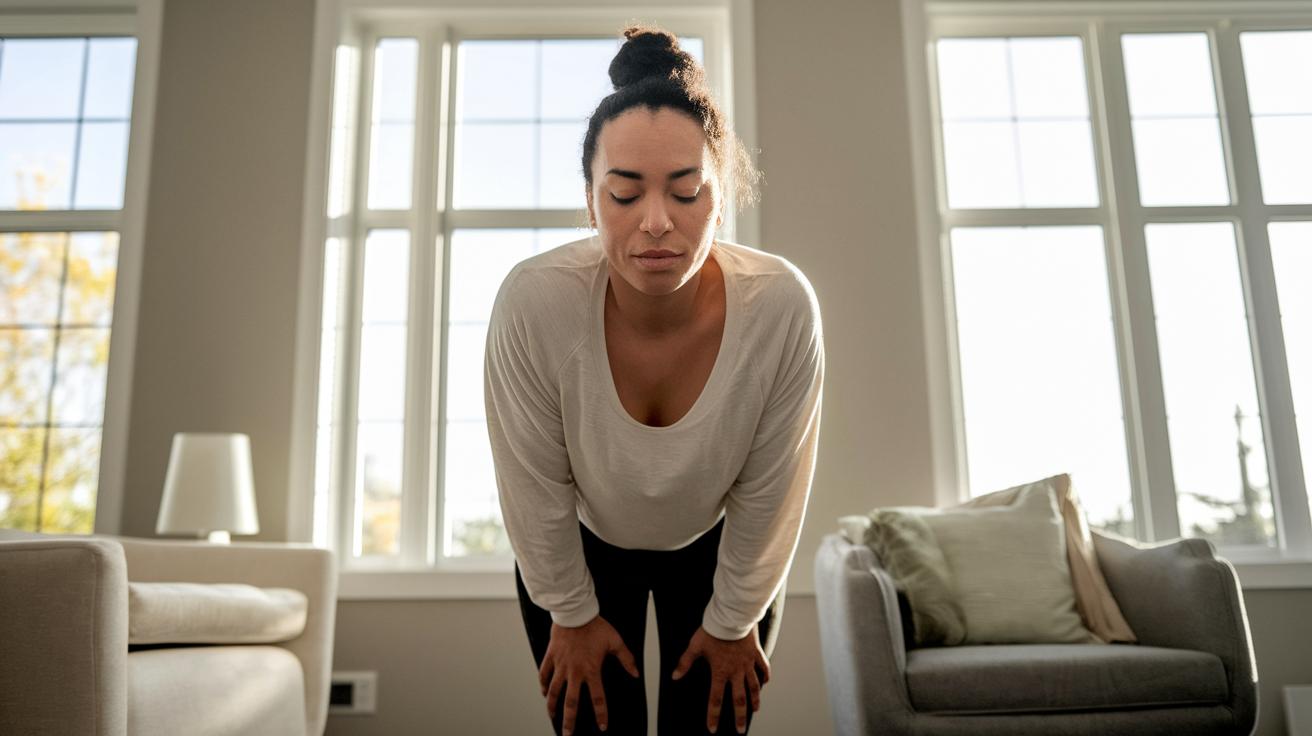
Hiccups can be annoying, but deep diaphragmatic breathing (using your diaphragm, the main muscle for breathing) may help calm the spasms. Pairing your breathing with a slight lean forward or chin tuck can gently compress your chest, which may help smooth out diaphragm movements and reduce hiccups.
Try these steps:
- Inhale slowly and deeply.
- As you exhale, lean forward or tuck your chin to your chest.
- Hold that position for a few calm breaths until your hiccups ease.
Think of it like enjoying a peaceful sunrise with a slow, deep breath. Then, as you lean forward, feel a gentle pressure in your chest that helps steady your breathing. This simple technique might quickly bring relief from hiccups.
Kitchen Ingredients to Cure Hiccups at Home
Mix 1 teaspoon of sugar with a small sip of water. This simple combo may help distract the nerve (vagus nerve) that sends hiccup signals. Let the sugar dissolve slowly to trigger a swallowing reset.
A small spoonful of peanut butter might also work. Its sticky feel forces you to swallow differently, which could stop your hiccups.
Try biting or sucking on a lemon wedge. The strong sour taste sends nerve signals that may end the hiccups. If the flavor is too sharp, gently sucking on the lemon can be a milder option.
Chewing small pieces of fresh ginger or sipping ginger tea may calm the diaphragm. Let the ginger stay in your mouth briefly before swallowing to ease any spasms.
Honey mixed into warm water can soothe your throat. Stir one spoonful of honey into warm water and sip slowly. This may help relax the muscles that cause hiccups.
Pressure Point and Distraction Remedies for Hiccups

Using pressure points can help stop hiccups by easing your diaphragm's spasms. Try pressing the soft area between your thumb and index finger. This simple touch may wake up your vagus nerve (a nerve that helps control involuntary functions) to calm the hiccups. You can also gently massage the area just below your rib cage. This can nudge your phrenic nerve (a nerve that helps your diaphragm move) to slow the spasms.
Distraction methods can also work well. Count backward slowly from 100 to steer your mind away from the hiccups. Say "99, 98, 97" and let the rhythm help override the hiccup reflex. Another idea is to gently pull on your tongue to change your swallowing pattern. You can also try sipping water through a straw while lightly plugging your ears. This odd sensation may shift your nervous system and break the hiccup cycle.
- Press the soft area between your thumb and index finger.
- Massage the spot under your rib cage.
- Count backward from 100.
- Gently pull on your tongue.
- Sip water through a straw while plugging your ears.
Precautions and When to Seek Medical Help for Hiccups
Quick take: Hiccups usually stop on their own, but if they last too long or come with new signs, you need help.
If you have any of these warning signs, please call emergency services now:
- Hiccups lasting more than 2 days
- Severe chest or stomach pain
- Trouble breathing or shortness of breath
- Fever or signs of an infection
Most hiccups go away in minutes and are not dangerous. However, if your hiccups continue for over 48 hours or keep coming back, they might signal a problem like acid reflux (GERD) or nerve irritation. Keep track of how long your hiccups last and notice if any new or worsening symptoms develop.
While simple, natural home remedies can ease diaphragm hiccups, they may not fix an underlying health issue. Use these methods as temporary relief. If your hiccups do not improve or come with concerning symptoms, it's important to see a healthcare provider right away.
Preventive Lifestyle Adjustments to Reduce Hiccup Episodes
Quick take: Changing your daily habits can help lower hiccups.
If your hiccups last more than 48 hours or cause pain, seek medical attention now.
Everyday steps to help your body:
• Eat slowly and chew well. Avoid fizzy drinks and foods that seem to trigger hiccups.
• Enjoy balanced meals that support smooth digestion.
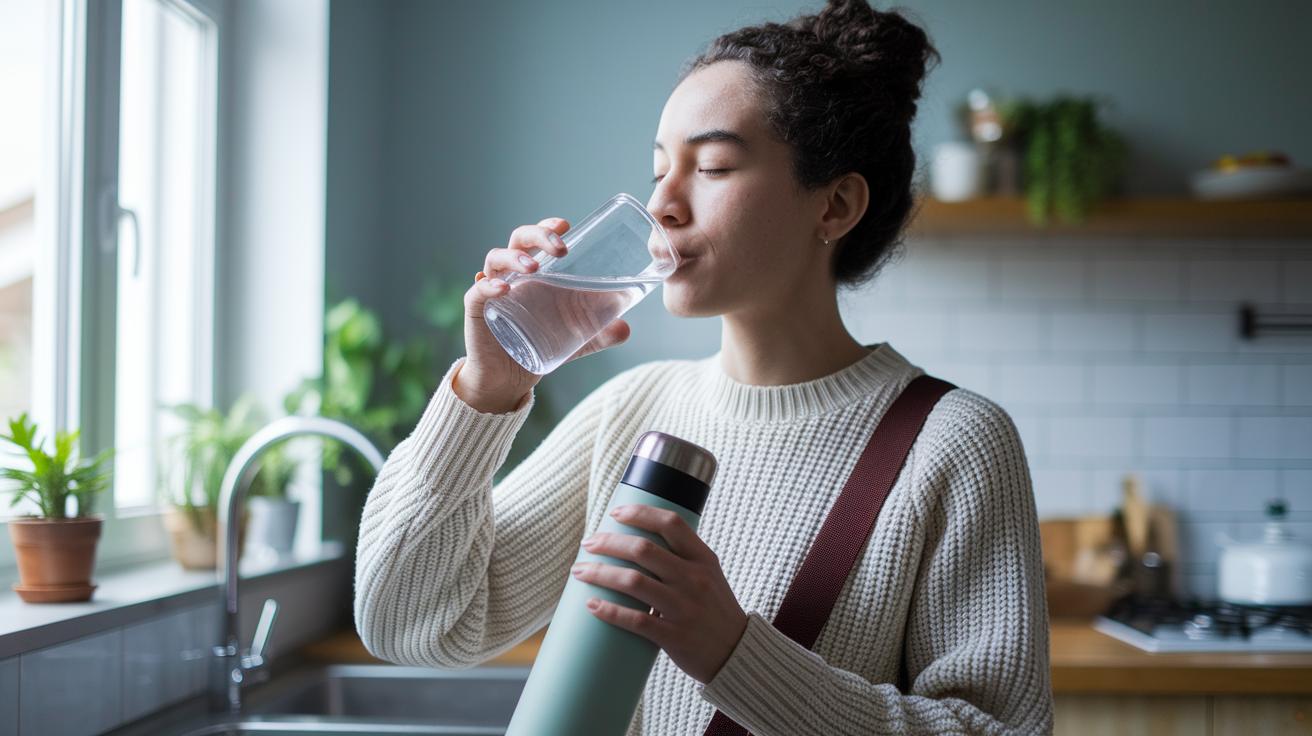
• Carry a water bottle and take small sips throughout the day. This can keep your diaphragm (the main muscle used in breathing) working smoothly.
• Do gentle neck and shoulder stretches or take a short walk to ease tension in your chest.
• Practice simple breathing exercises to relax and reduce stress.
Keep trying these steps every day and notice how your hiccups change over time.
Final Words
In the action, we explored several quick fixes to stop hiccups. We covered at-home breathing techniques, tried kitchen ingredients, and even used pressure point methods. Each remedy offers a simple way to interrupt the hiccup cycle while giving you a clear idea of when to seek help. We also discussed lifestyle changes to prevent hiccup episodes from recurring. With the home remedy for hiccups outlined, you now have practical steps to ease your symptoms. Stay calm and trust these simple, effective approaches.
FAQ
What are hiccups and what causes them?
The hiccups are involuntary diaphragm spasms that prompt a sudden intake of breath. They are triggered by overeating, drinking fizzy beverages, or abrupt temperature changes. In women, hormonal shifts may also contribute.
How long do hiccups last?
The hiccups typically last a few minutes, though they can sometimes extend for days. Most episodes resolve on their own, but if they continue beyond 48 hours, seek medical advice.
How can adults stop hiccups immediately?
The hiccups in adults can be halted quickly by holding your breath, sipping cold water, or swallowing a spoonful of sugar. Breathing into a paper bag or using a gentle pressure technique may also reset your diaphragm.
What are effective home remedies for hiccups?
The hiccups can be eased at home with remedies such as drinking ice-cold water, chewing peanut butter, biting a lemon wedge, or sipping ginger tea, methods that help relax the diaphragm and alter nerve signals.
What drinks and foods help cure hiccups?
The hiccups may be relieved using drinks like ice-cold water or ginger tea, and foods like a spoonful of sugar or peanut butter, which stimulate nerve responses to reset the diaphragm’s rhythm.
What pressure technique can be used to stop hiccups?
The hiccups can be interrupted by pressing the fleshy area between your thumb and index finger or by gently massaging under the rib cage, which signals the vagus nerve to help relax the diaphragm.