


Quick take: Blurry vision during a migraine happens when your brain's signals and blood flow suddenly change.
If you notice your vision getting fuzzy along with other severe symptoms, like a sudden, heavy headache or weakness, call emergency services right away.
For over 39 million people in the US, seeing things out of focus during a migraine is more than a hassle. It means your brain is sending mixed signals. This change in blood flow and nerves can make bright lights and movement feel too much to handle.
This guide explains why your vision blurs during a migraine and offers simple steps you can try to ease the discomfort. Read on to learn clear tips that may help bring your sight back into focus.
How Migraines Trigger Blurred Vision
Migraines are the most common reason for blurred vision and headaches. They affect over 39 million people in the US, including about 28 million women. You usually feel a strong head pain that gets worse with bright light, loud sounds, or movement. These attacks can last several hours or even days, and blurred vision often shows up along with the headache.
When a migraine starts, changes in your brain’s blood flow and nerve signals lead to these visual issues. Blood vessels may suddenly open wide or tighten, which changes the pressure around your eyes and in the parts of your brain that handle vision. This mixed signal can make your vision seem blurry, distorted, or even flicker. For example, you might notice shimmering spots or feel like you’re looking through a tunnel. These changes in blood flow and nerve activity explain why blurred vision happens during a migraine.
If you suddenly experience very severe blurriness or lose vision in one eye, it might be more than a typical migraine. In that case, it’s important to get medical help quickly.
Recognizing Visual Aura in Migraine Episodes

Quick take: Visual aura causes changes in what you see during a migraine.
If you notice these symptoms, do the following:
- Call emergency services now if you suddenly lose vision, feel very weak, or become confused.
- Get same-day care if your headache becomes very severe or your symptoms last more than 30 minutes.
- Otherwise, rest and track your symptoms until they fade.
Visual aura means your vision changes just before or during a headache. It happens because your brain is having a temporary shift in nerve activity.
You might see flickering lights like tiny flashes or sparkles. Your view can also show zigzag lines that move across your sight, almost like a broken pattern. Some people see shimmering spots or feel as if they are looking through a tunnel. Blind spots or changes in how colors appear can also occur, making everything look a bit surreal. For example, you might notice a burst of light that slowly turns into soft zigzag lines before it becomes a cloudy blur.
These visual signs usually last about 20 to 30 minutes. They fade as the headache starts or improves, and your vision clears up again.
Emergency Causes of Blurred Vision During Migraine Attacks
Quick take: If your blurred vision is sudden, one-sided, or comes with severe eye pain, call for help now.
If you normally have blurred vision during a migraine, it usually follows a familiar pattern and fades as the headache goes away. But if your vision becomes blurry suddenly, only on one side, or you feel strong eye pain along with other worrisome signs, these could be red flags. In these cases, the cause may be more serious than a typical migraine, and you should get medical care immediately.
| Condition | Key Features | When to Seek Care |
|---|---|---|
| Stroke | Sudden vision loss, often on one side | Call emergency services immediately |
| Closed-Angle Glaucoma | Severe eye pain, halos around lights | Visit your emergency room or a specialist right away |
| Carbon Monoxide Poisoning | Blurred vision, headache, dizziness | Leave the area and seek medical help immediately |
| Herpes Zoster Ophthalmicus | Rash on the eyelid, eye redness | See an eye doctor promptly |
| Meningitis/Encephalitis | Headache, fever, neck stiffness | Get an emergency evaluation |
| Concussion | Blurry vision after a hit, confusion | Go to the emergency department |
Noticing red-flag symptoms early is key because fast action can prevent more problems. One-sided vision loss may show that a stroke is affecting the part of your brain that controls sight. Severe eye pain with halos can mean closed-angle glaucoma. Blurry vision along with headache and dizziness may signal carbon monoxide exposure. A rash with eye redness can point to herpes zoster ophthalmicus. And if blurred vision appears with high fever or neck stiffness, it could signal an infection in the brain such as meningitis or encephalitis. Even if you often get migraines, any change in how your vision feels matters. If your symptoms change or worsen, seek care right away.
Clinical Evaluation of Migraine-Related Vision Loss

Quick take: Blurry vision with headache can occur with migraines, but it needs a careful check.
Triage Box:
If you have any of these emergency signs, call emergency services now:
- Sudden, very severe headache
- New weakness or numbness
- Trouble speaking or confusion
When you see your doctor for blurred vision and headache, they start by asking you about your symptoms. They ask when the headache and vision changes began, how long they last, and if you’ve had similar episodes before. This helps them notice patterns and rule out other issues.
Next, your doctor evaluates your brain and eyes. They begin with a neurological exam, which checks how well your nerves are working. They also perform visual field testing to spot any blind spots. Then, a slit-lamp exam (a test that uses a special microscope to look at the front of your eye) helps inspect eye details.
Sometimes, your doctor may order imaging tests like an MRI or CT scan. These tests give a clear look at your brain and eye structures. Together, these exams help figure out why your vision is blurry during a migraine.
If the results are not clear or your symptoms seem different from typical migraines, your doctor may send you to a neurologist or an ophthalmologist (an eye specialist). These experts can do more tests and help plan the right treatment for you.
Treatment and Home Care for Migraine-Induced Blurred Vision
Quick take: Acting fast with the right medicine can ease both your headache and blurred vision.
Triage Box:
• If you suddenly experience severe vision loss, widespread weakness, confusion, or slurred speech, call emergency services immediately.
• If your headache feels much worse than usual or you notice new neurological symptoms, seek same‐day medical care.
When you feel a migraine coming on, taking a pain reliever like an NSAID (nonsteroidal anti-inflammatory drug) or a triptan (a type of migraine medication) right away can help calm both your head pain and visual disturbances. Quick action with these medicines often leads to a milder attack.
If your migraine auras come often, your doctor might suggest taking preventive medicine. Options like beta-blockers (medicines that slow your heart rate) or anticonvulsants (drugs that help control nerve signals) can reduce both how often and how strongly your migraines occur. Talk with your doctor if you start noticing more frequent episodes to find a long-term plan that works for you.
At home, simple steps can also ease blurred vision during a migraine:
• Rest in a dark, quiet room to lower sensory input and help your brain reset.
• Use cool compresses over your eyes for extra relief.
• Drink water regularly to stay hydrated.
• Keep a daily log of when your migraine starts, how severe it is, and any other symptoms you notice. This record can be very useful when you follow up with your doctor.
When to Seek Professional Help for Blurred Vision with Head Pain
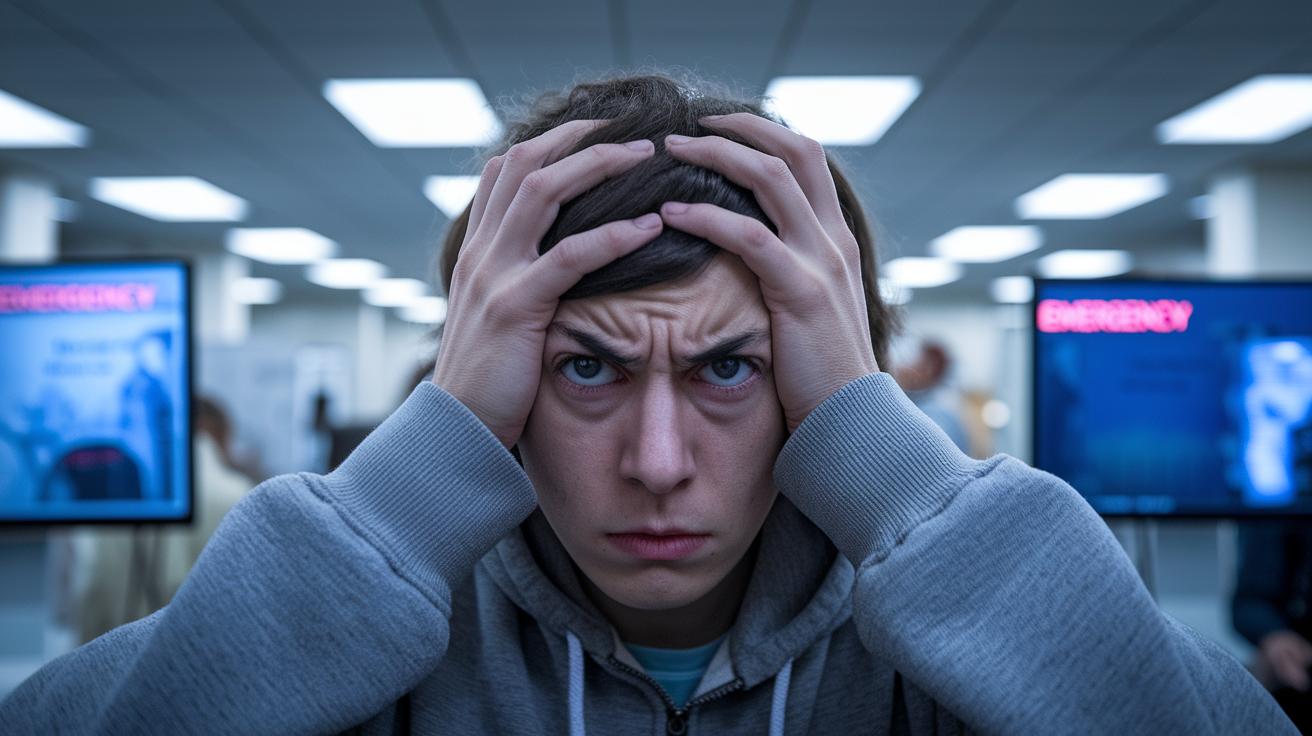
Quick take: Blurred vision during a headache is usually from a migraine and fades on its own. But if you notice any of the red flag signs below, act fast.
If you have any of these emergency signs, call emergency services or see an eye doctor right away:
- Sudden loss of vision in one eye
- An aura lasting over 60 minutes
- New signs like unexpected weakness or trouble speaking
- Severe eye pain that will not go away
- A fever with your headache
These signs are not usual for a simple migraine. Now is the time to get help immediately.
Final Words
In the action, our guide broke down how migraine leads to vision blurry and head pain. We looked at warning signs that need quick care and steps to manage symptoms at home. The post explained when visual changes are part of a migraine and when they might signal an emergency. It also detailed clinical tests and treatment options, helping you track your symptoms and prepare questions for your clinician. Stay calm and follow these steps for safe, informed care. Remember, effective migraine and vision blurry management starts with clear, confident action.
FAQ
What is retinal migraine?
The retinal migraine involves temporary vision loss or flashing lights in one eye along with headache. It is rare and may signal issues with blood flow, so prompt evaluation is advised.
What is ocular migraine?
The ocular migraine produces visual disturbances like flashing lights, shimmering spots, or zigzag lines along with head pain. These episodes usually resolve on their own but warrant a healthcare review if recurrent.
How do headaches, blurred vision, and fatigue relate?
The combination of headache, blurred vision, and fatigue typically points to a migraine attack. Changes in blood flow and nerve signals during a migraine can affect both vision and energy levels.
Why am I suddenly getting ocular migraines?
Sudden ocular migraines can be triggered by factors such as stress, hormonal changes, or dietary triggers. If these episodes persist or worsen, a consultation with a healthcare provider is important.
What does sudden blurred vision and headache suggest?
Sudden blurred vision with headache often indicates a migraine attack. However, if the pattern is unusual or the pain is severe, it is important to seek prompt medical evaluation for other potential causes.
What is migraine with aura?
Migraine with aura involves visual disturbances like flashing lights or blind spots that occur before or during the headache. These temporary visual changes are caused by shifts in the brain’s blood flow.
What do zigzag lines in vision without headache mean?
The appearance of zigzag lines in vision without headache usually suggests a visual aura linked to migraines. Even if head pain is absent, repeated occurrences should be discussed with a clinician.
What is migraine blurry vision treatment?
Migraine blurry vision treatment typically involves acute medications such as NSAIDs or triptans and home care measures like resting in a quiet, dark room. Preventive treatments may be recommended for frequent episodes.
Why am I getting migraines and blurry vision?
Migraines accompanied by blurry vision are due to neurological and vascular changes during an attack. Identifying and managing triggers along with proper medication can help, but persistent symptoms warrant professional evaluation.
When should I go to the ER for migraine while pregnant?
If you are pregnant and experience severe headache with sudden vision changes or other neurological symptoms, it is best to visit the ER immediately. These signs can indicate risks that require urgent care.
What is a red flag for blurry vision?
A red flag for blurry vision includes sudden vision loss in one eye, severe eye pain, or visual changes lasting longer than expected. These symptoms may indicate serious conditions and should prompt immediate medical evaluation.
Can kids get ocular migraines?
Kids can experience ocular migraines, although it is less common than in adults. These episodes may involve brief visual disturbances with or without headache, so parental consultation with a pediatrician is recommended if symptoms recur.