

Quick Take: Migraine aura may come with flashing lights and tingling before a headache.
Triage Box:
If you experience any of these signs, seek help immediately:
- Sudden severe weakness or numbness that spreads
- Trouble speaking or understanding others
- Confusion or difficulty walking
Migraine aura is a common part of migraine headaches. You might see flashing lights, zigzag patterns, or dark spots in your vision. You may also feel odd tingling in your face or hands. These symptoms can be confusing and even alarming, but they are usually not dangerous.
This guide explains what migraine aura is, shares common signs to watch for, and outlines treatment options. Write down when your symptoms start, how long they last, and if they change. Use this list to help you share details with your doctor.
Remember: If your symptoms worsen or new warning signs appear, seek medical care right away. Stay informed and take charge of your health.
Understanding Migraine Aura: Definition and Prevalence
Quick Take: Migraine aura causes brief vision or touch changes before or during a headache. It is common and usually not dangerous, but you should talk to your doctor if the symptoms change or worsen.
Triage:
- Call emergency services if you experience new, severe, or long-lasting vision changes.
- Seek urgent care if you have trouble speaking or unexplained numbness.
- Monitor the duration of your symptoms and note any changes.
A migraine aura is a short episode that happens before or during a migraine headache. When you have an aura, you may see flickering lights, zigzag lines, or unusual shapes. This happens because your brain sends extra electrical signals that change how you see things.
About 20% of people with migraines notice these changes. Some also feel tingling in their hands or face or have mild speech troubles. These signs show that migraine aura is not just about vision.
Pay attention to these symptoms. Write down when they happen and what you feel. This information can help your doctor decide if you need more care.
Visual and Sensory Manifestations of Migraine Aura
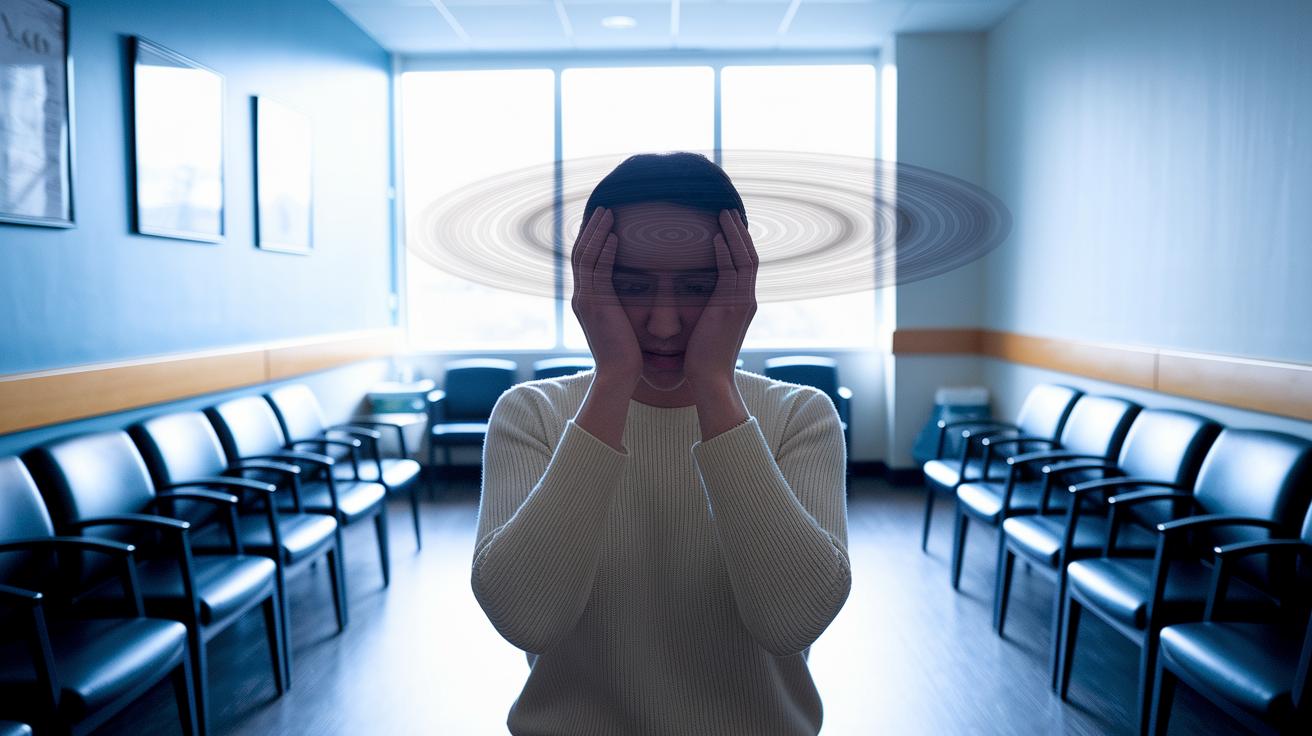
Quick take: A migraine aura can bring sudden blurry vision, shifting patterns, and tingling sensations before your headache begins.
If you notice any of these emergency signs, call emergency services now:
• Sudden vision loss or severe eye pain
• Confusion or trouble speaking
• Weakness on one side of your body
If you have unusual or prolonged symptoms, seek same-day medical attention.
At the start of a migraine aura, your vision may quickly turn blurry. It can feel like you are looking through a foggy window, making details hard to see. This early change is often the first sign that a migraine is coming.
Soon, the blurry view can clear up but be replaced by odd patterns. Many people see flickering zigzag lines and flashes of color. These shapes can dart across your vision, even if your eyes are shut. The display is dynamic and can be both curious and unsettling.
At the same time, you might feel tingling in your face, hands, or other parts of your body. Some experience brief trouble with their speech, making it hard to form words. Noting when these signs start and how long they last can help your doctor give you the best care.
Types of Migraine Aura: Visual, Retinal, and Vestibular Patterns
Quick take: Migraine aura may change your vision, cause brief vision loss, or create dizziness. If you notice sudden, severe visual changes or confusion, call emergency services right away.
Triage:
• Red flags: Sudden vision loss, severe headache with new neurological signs, or confusion.
• Urgent: Unusual eye changes or prolonged dizziness.
• Watch and self-manage: Typical aura signs that pass within minutes.
Migraines can show up in ways that affect what you see and how you feel. Let’s look at three common types.
Typical Visual Aura
When you have a typical visual aura, you might see a bright, flickering blind spot (scintillating scotoma) or patterns of zigzag lines. These light flashes or shapes usually move slowly across your field of view, signaling that a migraine may be coming on. Many people compare it to a sudden patch of light that shifts and twists before your eyes.
Retinal Migraine
Retinal migraine feels different. It happens because the back part of your eye sends odd electrical signals, and your blood vessels may narrow for a short time. This can lead to temporary vision loss or flashes of light, even if you don’t have head pain. About 25% of those affected have no headache with this type.
Vestibular Aura
Vestibular aura mixes visual changes with balance issues. You might feel dizzy, nauseous, or unsteady. This type shows that migraine symptoms can go beyond the eyes to affect your overall sense of balance and coordination.
| Type | Key Features |
|---|---|
| Typical Visual | Flickering blind spots, zigzag lines, moving light patterns |
| Retinal | Abnormal eye signals, narrowed blood vessels, possible vision loss without headache |
| Vestibular | Dizziness, nausea, imbalance along with visual disturbances |
Common Triggers and Risk Factors for Migraine Aura

Quick take: Everyday habits and your surroundings can spark migraine auras, so knowing your triggers can help you take action.
Triage Box:
• If you have sudden severe headache, vision loss, or confusion, call emergency services now.
• If your migraine auras grow more frequent or severe, seek same-day medical attention.
• Otherwise, track your symptoms and follow your usual self-care steps.
Daily routines and the world around you can change how often you get migraine auras. Your brain may react to certain things by sending off unusual signals that cause visual or sensory changes. By spotting what triggers your migraine auras, you can adjust your day-to-day habits to help manage your condition.
Here are some common triggers:
• Hormonal changes
• Bright or flickering light
• Certain foods (like aged cheese or MSG)
• Stress
• Disrupted sleep
• Dehydration
• Strong odors
Tracking these triggers might show helpful patterns. For example, if you notice that a specific food or a bout of poor sleep leads to more symptoms, making a routine change could reduce the impact. Try keeping a simple log where you write down the date, any potential trigger, and how severe your symptoms are. This careful record can help you and your clinician decide the best way to manage your migraines.
Diagnosing Migraine Aura: Criteria, Red Flags, and Evaluation
Quick take: Migraine aura can be common but sometimes signals something that needs urgent care.
Triage:
- Red Flags – Call emergency services now if you have:
- Sudden weakness on one side of your body
- Trouble speaking clearly
- Brief periods of paralysis
- Urgent – Seek same-day attention if symptoms worsen fast.
- Monitor – Note when symptoms start, how long they last, and what you feel.
Your doctor makes a migraine aura diagnosis by asking about your symptoms and reviewing your medical history. They perform careful exams and may consult both eye (ophthalmology) and brain (neurology) specialists to rule out other issues. They check how your vision changes, if you feel any tingling or have trouble speaking, and record how long these symptoms last. Keeping detailed notes about your symptoms helps decide whether routine monitoring is enough or if further tests are needed.
Red Flags for Stroke vs Migraine Aura
Be very alert if your symptoms change in ways that suggest a stroke. Watch for signs like a sudden increase in weakness on one side, difficulty speaking clearly, or brief episodes of paralysis. These changes are red flags that need immediate medical attention. If you notice these or if your symptoms start to escalate, call emergency services right away. Your doctor might then order brain imaging, such as an MRI or CT scan, to check your brain structure and blood flow. They may also use ICD-10 coding (a standard system for recording diagnoses) to document your condition. A referral to a specialist can ensure any new or unusual neurological signs get the careful review they need.
Treatment and Prevention Strategies for Migraine Aura

Quick take: Use fast-acting treatments at the start of migraine aura and steady daily steps to keep it under control.
If you notice sudden severe headache, weakness, or confusion, call emergency services now. Otherwise, follow these steps:
Every person’s migraine aura is different. After a full check-up, your doctor will create a plan that helps stop the attack quickly and prevents future episodes. There’s no cure, so treatment works in two ways: one to ease symptoms fast and one to lower how often attacks happen. Your plan may include medicines, lifestyle changes, and other therapies that work together to bring relief immediately and reduce future risks.
- Take triptans (migraine medicines) at the first sign of symptoms to block the migraine process.
- Use NSAIDs (like ibuprofen) to ease pain and lower inflammation.
- Use anti-nausea medication if you feel sick during an attack.
- Try ergots (another type of migraine drug) if other treatments do not work.
- Consider neuromodulation devices that send gentle electrical pulses to interrupt migraine signals.
- Beta-blockers help calm nerve activity and reduce migraine frequency.
- Magnesium supplements work to stabilize nerve signals and may lessen aura severity.
- Biofeedback can train you to manage stress, lowering the overall migraine burden.
- Keeping a regular sleep schedule helps your body stay balanced and lowers triggers.
- Staying hydrated supports good blood flow, which might reduce migraine triggers.
Mixing these steps can help you control migraine aura better. Your doctor may suggest a fast-acting medicine for immediate relief along with daily steps to prevent attacks. Working together, you can find a plan that fits your life and eases the impact of each episode. Regular check-ups help adjust your treatment as your migraine patterns change.
Living with Migraine Aura: Lifestyle Adjustments and Support
Quick take: Migraine aura can disrupt your day, but small changes in your routine can help you stay focused and calm.
Triage Box – Watch and Self-manage:
• If your aura episodes become more frequent or severe, consider seeking same-day medical attention.
• If you feel overwhelmed or very anxious, talk to your clinician.
• Use regular breaks and adjust your screen habits to keep symptoms in check.
Migraine aura can affect your work and emotions. You might see visual changes or feel strange sensations that interrupt meetings or simple tasks. That can be really frustrating and even cause worry. One person shared how their screen blurred and thoughts scattered in the middle of an important project. Knowing these impacts lets you plan short rests or adjust your workload when needed.
Watching your screen use is key. Long stretches on your computer or phone may trigger those flickering visuals and discomfort. Try taking a short break every 30 minutes. Lower the brightness on your devices, set up softer lighting, or use blue light filters to cut down on eye strain. These tricks can help you keep your focus throughout the day.
Connecting with others who get it can offer real support. Join a local or online group where people swap practical tips and encouragement. You might also find that talking with a counselor or therapist helps you manage stress and adjust your lifestyle. Many have found that sharing their experiences makes the challenges of migraine aura more manageable.
Final Words
In the action, this article broke down what a migraine aura is and its key signs, from visual and sensory changes to different types like retinal and vestibular patterns. You learned about common triggers and practical steps for diagnosis, treatment, and lifestyle adjustments. Clear checklists and first-response tips help you decide if emergency care or home monitoring is needed. Keep tracking symptoms and share focused details with your clinician. Every step you take brings you closer to better managing migraine aura and feeling more in control.
FAQ
Frequently Asked Questions
What does migraine aura without headache mean?
Migraine aura without headache explains that you can experience visual or sensory symptoms, like flashing lights or tingling, without the usual head pain.
Is migraine aura dangerous or more serious?
Migraine aura itself is not usually dangerous but signals changes in brain activity. If symptoms feel different or stroke signs appear, seek immediate care.
How is migraine aura treated?
Migraine aura treatment centers on managing symptoms with abortive medications such as triptans and NSAIDs, along with preventive measures and lifestyle adjustments after a proper diagnosis.
What causes migraine aura or what is the main cause of aura migraines?
Migraine aura is linked to temporary changes in brain blood flow and nerve signals. Triggers include hormonal shifts, stress, and dietary factors which may set off the symptoms.
What does a migraine aura feel like, including its symptoms and visual effects?
A migraine aura feels like sudden visual disturbances such as flickering lights, zigzag patterns, or geometric shapes, often accompanied by tingling or speech changes before a headache.
What are the 5 C’s of migraines?
The 5 C’s of migraines refer to common triggers like certain foods, stress, sleep issues, dehydration, and hormonal changes that help identify patterns for managing symptoms.
What insights do personal experiences, like those shared on Reddit, offer about migraine aura?
Personal experiences on Reddit share diverse symptoms, unique trigger patterns, and practical coping strategies, providing a community perspective to understand and manage migraine aura.