
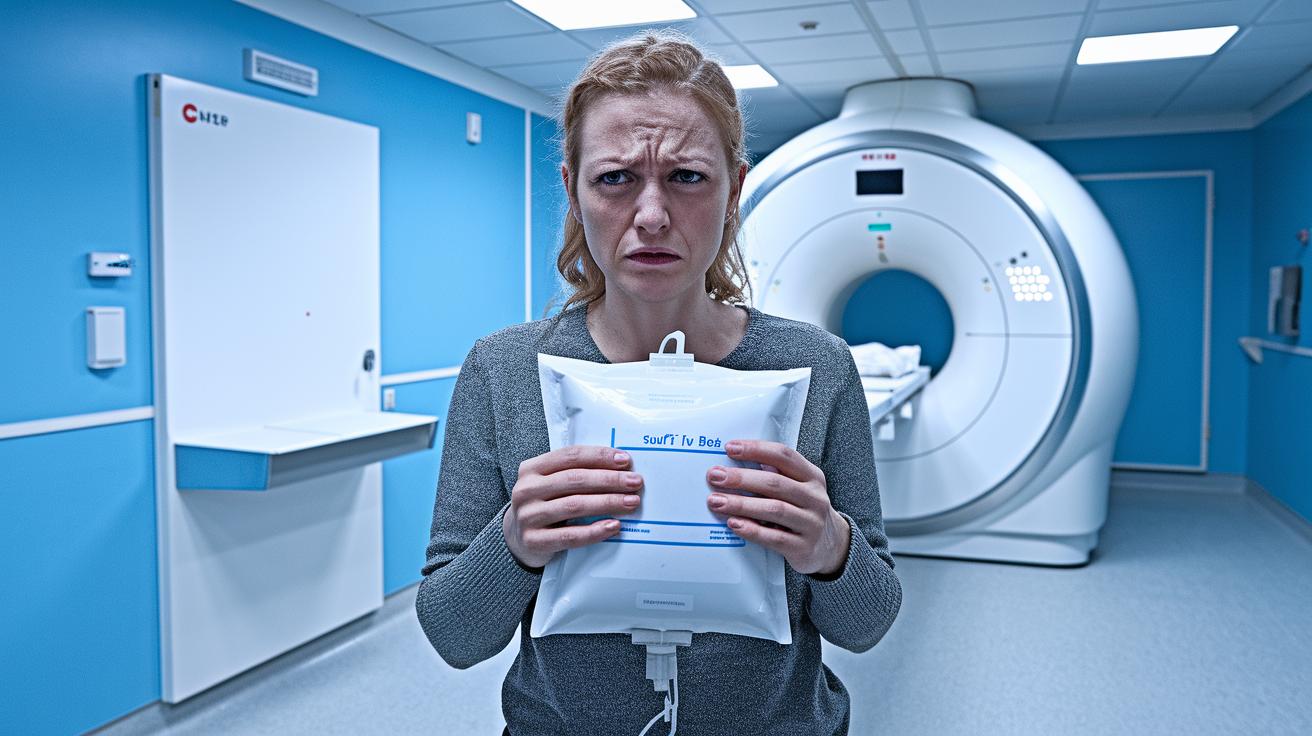

Quick take: Some people may feel a light headache after MRI contrast, often due to dehydration or stress. If your headache gets worse or you notice other concerning signs, call your doctor immediately.
After an MRI contrast, you might experience a mild headache. You’re not alone, many people feel this way. Low fluids or stress can sometimes trigger a headache. Usually, these headaches are mild and improve with rest and plenty of water.
Here’s what you can do:
• Rest in a quiet space.
• Drink water and stay hydrated.
• Note when the headache starts, how strong it feels (mild, moderate, or severe), and any other symptoms.
• If your headache worsens or you develop new symptoms, seek medical help right away.
Following these steps can help ease your discomfort and keep you safe.
Headache after MRI Contrast: Feel Better Today
Quick take: Most MRI contrast headaches are mild and can improve with rest and fluids. But if your headache gets much worse or comes with new symptoms, act now.
If you have any of these emergency signs, call emergency services now:
- Severe headache that worsens quickly
- Confusion, weakness, or trouble speaking
- Vision changes
If you notice these urgent concerns, seek same-day care:
- A headache that does not ease with rest and hydration
- New or unusual symptoms along with the headache
For self-care, try these steps:
- Drink plenty of water to rehydrate
- Rest in a quiet, calm room
- Monitor your symptoms and note any changes
Many patients have a headache after MRI contrast. Studies show that 5–10% of people experience mild head pain, while serious cases occur in less than 1%. This headache may result from several factors. Fasting for 4–6 hours before the scan can leave you dehydrated, which may trigger head pain. Stress factors like loud noise (120–130 dB), holding your bladder, or feeling claustrophobic can also add to the discomfort. Even the injection of gadolinium dye can play a role.
This headache, sometimes called MRI contrast-induced cephalalgia (head pain from the dye), happens when your body reacts to mild physical stress during the procedure. All these triggers, dehydration, stress, noise, and dye exposure, can work together to cause head pain.
If you experience this headache after your scan, drink fluids and take a short rest. If your symptoms do not improve or you notice any new signs, contact your clinician for further advice.
Reviewer: Dr. Alex Smith, Radiology Specialist, Last Reviewed: 10/2023
Timeline of Headache Symptoms Post-Contrast MRI
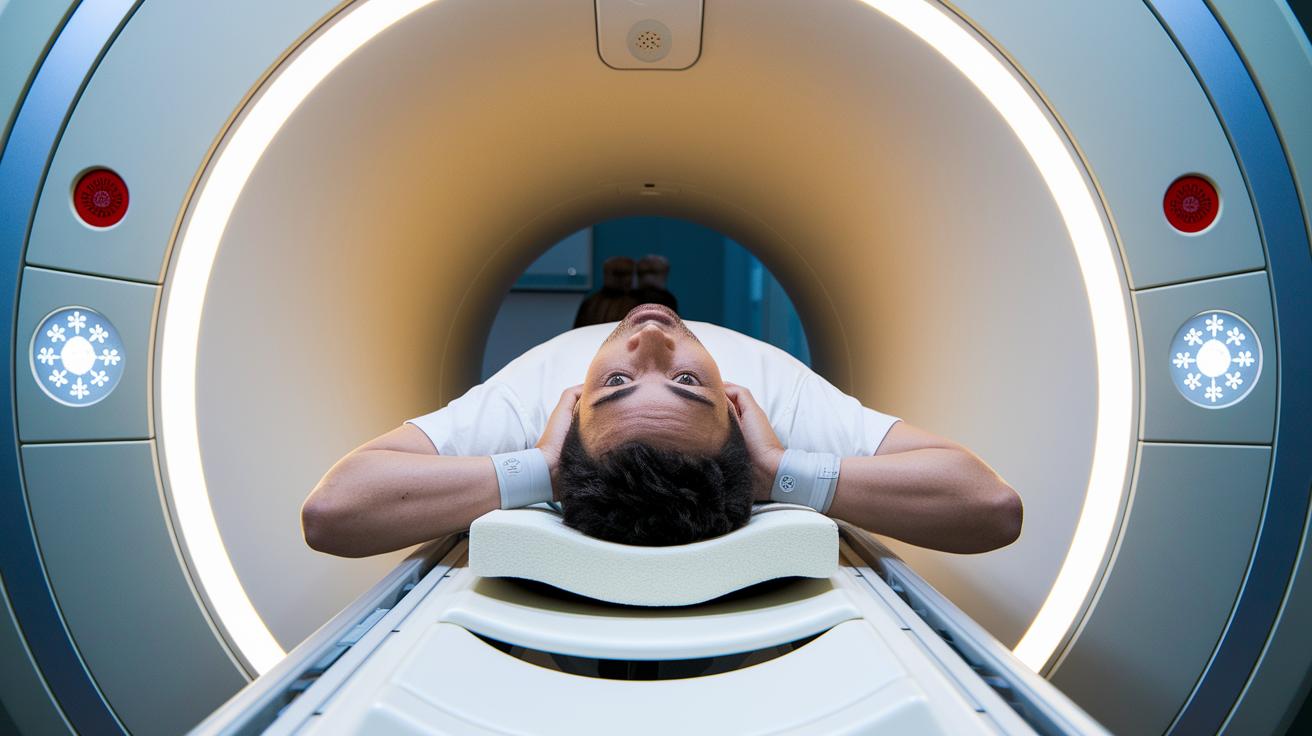
Onset
Soon after you receive the gadolinium injection (the dye that helps create clearer MRI images), you might start feeling a headache. This pain often begins within 60 minutes and can feel like a dull pressure or mild tension. For example, you might experience a gentle throbbing similar to the slight discomfort you sometimes feel when you skip a meal.
Peak Intensity
The headache usually reaches its worst between 2 and 4 hours after the injection. At this time, most people describe the pain as similar to a tension headache. It may be mild to moderate and can often be managed with over-the-counter pain medicine. During this period, you might notice your head feeling heavier with a steady, consistent pain that rarely stops you from handling everyday tasks.
Resolution Phase
After the headache peaks, it typically starts to get better over the next 12 to 24 hours. As the pain eases, your body is also busy clearing out the contrast dye. In people with normal kidney function, 80 to 90% of the dye is usually removed within 24 hours, although it can take about 7 to 10 days for all of it to leave your body. So if you notice your headache gradually fading and you begin feeling normal again within a day, it means your body is processing the dye as expected.
Risk Factors for Headache Following MRI Contrast
Quick Take: Some people may be more likely to get a headache after an MRI contrast due to certain health factors and test conditions.
If you notice a headache after your MRI contrast, keep these risk factors in mind:
• Kidney problems make it hard for your body to clear the dye.
• Not drinking enough water before your scan can increase the chance of head pain.
• Using sedatives for claustrophobia might raise your risk of a dye-related headache.
• Long scan times (60–90 minutes) and loud noises during the exam can also stress your system.
• A personal history of stress or sensory-triggered headaches may mean you're more sensitive.
Talk with your clinician about your history and any concerns before the exam. Staying well hydrated before and after your scan can help reduce discomfort. Monitor your symptoms and share any changes with your healthcare provider.
Management Strategies for Contrast-Related Head Pain

Quick take: You can ease head pain after an MRI contrast with simple steps like rehydrating, taking common pain relievers, resting, and having a light snack.
If you have any of these emergency signs, call emergency services now:
• Severe headache that makes you extremely confused
• Trouble speaking, seeing, or walking
• New or worsening symptoms that worry you
If your pain does not get better or you notice new symptoms, contact your clinician today.
Common causes of head pain after MRI contrast include the body adjusting to the contrast dye and stress from the exam. Here are some steps you can take at home:
• Drink 16–20 oz. of water or an electrolyte drink within 1 hour of your scan to help your body clear the contrast dye.
• Take an over-the-counter pain reliever like acetaminophen (Tylenol) or ibuprofen (Advil) as directed.
• Rest in a quiet, dim room to lower sensory stress from the MRI.
• Eat a light snack soon after the scan to boost your energy and help stabilize blood sugar.
• Use a cool compress on your forehead to ease discomfort.
These simple measures target common triggers like dehydration, tension, and stress. Monitor your symptoms, and if your head pain worsens or you notice other signs, seek medical advice promptly.
Warning Signs and When to Seek Medical Attention for Post-Dye Headache
Headaches after an MRI contrast are usually mild. But if your headache lasts more than 48 hours or does not improve with common pain medicines, it may be a warning sign. If you notice a new rash, swelling, or have trouble breathing, these could signal an allergic reaction. In these cases, call emergency services right away.
If you have kidney problems, your body may remove the dye more slowly. This can lead to headaches and other symptoms starting days or even weeks after your scan. Watch for skin changes or noticeable swelling in your face and throat. These might mean the dye is not leaving your body as it should, so keep a close eye on how you feel.
If your headache grows much worse or you see a mix of these symptoms, seek urgent medical help. It helps to record when your headache began, how long it lasts, and any other signs you notice. This information can help your healthcare provider decide the best next step.
- Headache lasting more than 48 hours
- Headache that does not improve with over-the-counter medicine
- A new rash or hives
- Swelling in your face or throat
- Trouble breathing or chest tightness
Preventing Headaches During and After MRI Contrast Procedures
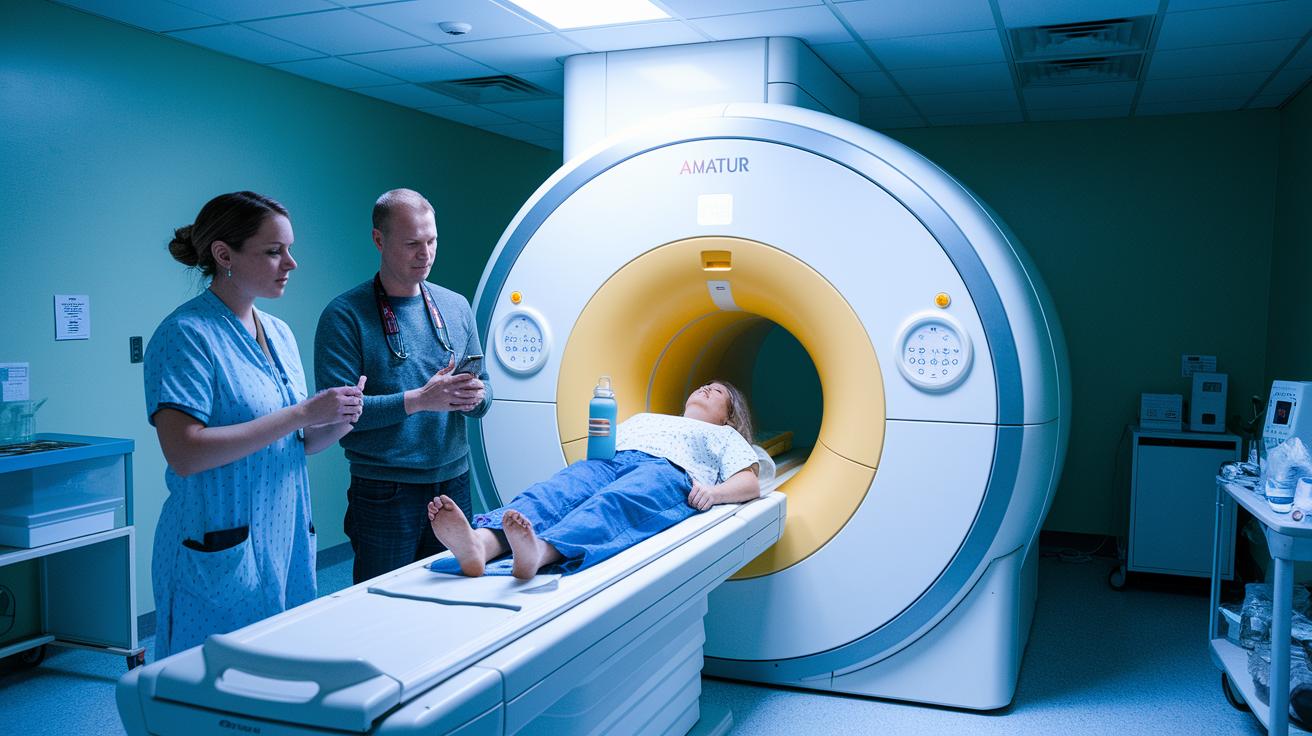
Quick take: Staying hydrated, having a light snack, discussing sedation options, and using ear protection can help reduce headache risks after your MRI scan.
If you have any of these emergency signs, call emergency services now:
- Severe headache that worsens quickly
- Trouble breathing or swelling
- Intense dizziness or fainting
Before your scan, drink 16–20 oz of water 1–2 hours ahead of time. Then have the same amount right after your procedure. This extra water helps your kidneys clear the dye faster, which may lower your chance of developing a headache.
Once your MRI is done, eat a light snack. A small meal can steady your blood sugar after any fasting you may have done and gives your body a quick refuel to keep you feeling well.
If you often feel very anxious or stressed during scans, mention it to your imaging team. They might suggest low-dose sedation. This can reduce the risk of a headache that sometimes comes with sedative side effects, making your experience more comfortable.
Also, consider using ear protection during the MRI. Earplugs or noise-cancelling headphones can lessen the stress caused by loud machine sounds, which might also contribute to head pain.
Final Words
In the action, the post covers why a headache after mri contrast may occur, the timing and severity of symptoms, risk factors, and clear steps you can take at home. It guides you on managing mild pain, staying hydrated, resting in a low-light room, and spotting red flags that need urgent care. Tracking your symptoms and knowing when to seek help can make a big difference. Stay calm, be proactive, and remember that safe steps lead to better outcomes.
FAQ
Does a severe headache occur after an MRI with contrast?
A severe headache following an MRI with contrast may result from the gadolinium dye, dehydration from pre-scan fasting, or loud scanner noise. If the pain persists or worsens, contact your healthcare provider.
Does an MRI without contrast sometimes lead to headache or feeling unwell?
A headache or feeling unwell after an MRI without contrast is often linked to anxiety, stress, or the loud scanner environment. These symptoms are generally mild and improve with rest and hydration.
How long do the side effects of MRI contrast, including headache, typically last?
The side effects of MRI contrast, such as headache, usually begin within 1 hour, peak around 2–4 hours, and subside within 12–24 hours. Monitor symptoms and consult if they extend beyond this period.
What are the delayed side effects of MRI contrast?
Delayed side effects from MRI contrast rarely happen but can include persistent headache, nausea, or vision changes. If these occur, speak with your healthcare provider for proper assessment.
Can muscle pain occur after an MRI with contrast?
Muscle pain following an MRI with contrast can be associated with the stress of the procedure or the injection itself. It is typically mild and resolves on its own with rest and hydration.
Is it safe to drink alcohol after an MRI with contrast?
Drinking alcohol after receiving MRI contrast is not advised because it can worsen dehydration and may intensify side effects like headache. Hydrating with water and resting are safer options after your scan.
Can the contrast dye used in an MRI cause a headache?
The contrast dye used during an MRI can trigger a headache due to its effects on hydration and body stress. These headaches are usually mild and resolve within a day with proper self-care.