


Quick take: A well-stocked travel kit can help you handle common discomforts and keep you moving.
When you're traveling, small issues like headaches, allergies, or an upset stomach can put a damper on your journey. Keeping a simple kit with over-the-counter meds and basic first aid supplies can make all the difference. In this guide, we'll show you which pain relievers, antihistamines, and other essentials can boost your comfort and help you manage minor health bumps on the go. With the right tools at hand, you can quickly ease symptoms and enjoy a smoother, stress-free trip.
Essential OTC Medications in Your Travel Health Toolkit
Quick take: A few key OTC medicines can ease minor travel discomforts and keep you moving.
Triage:
• If you have severe pain, a high fever, or unusual swelling, seek same-day medical care.
• If side effects worsen or new symptoms appear, call emergency services immediately.
When you're on the go, pack a small kit with practical medications to handle common aches and minor illnesses:
- Pain relievers: Bring paracetamol (also called acetaminophen) for reducing fever and easing headaches, and ibuprofen for easing aches and swelling. For example, you might take 500 mg of paracetamol every 4 to 6 hours and 200 mg of ibuprofen as needed.
- Antihistamines: These are useful for quick allergy relief and managing reactions from insect bites by calming itching and reducing swelling.
- Anti-diarrheals: Medications like loperamide (Imodium) help control traveler’s diarrhea by reducing frequent, urgent bowel movements.
- Motion-sickness tablets: These work well to prevent nausea during bumpy rides or boat trips. Always follow the label for the correct dose.
- Antacids: Use these for quick relief from indigestion, heartburn, or stomach upset after trying new foods.
Always check dosages, and if you’re unsure or if symptoms worsen, reach out to a healthcare provider.
First-Aid Supply Components for Your Travel Health Toolkit

Having a well-stocked first aid kit makes travel safer. Keep small supplies that help you treat minor cuts, blisters, and scrapes quickly.
Start with adhesive bandages in different sizes. They cover small cuts and keep dirt away. For deeper cuts or abrasions, add sterile gauze pads (clean fabric used to dress wounds) and medical tape to hold the dressing in place. Also pack antiseptic wipes and ointments to clean cuts and scrapes, reducing your risk of infection.
Don't forget a few handy tools. Carry tweezers and small scissors so you can remove splinters or trim tape as needed. Safety pins are very useful too. They can secure bandages or even serve as a quick fix for a makeshift sling. A digital thermometer is a must-have. It lets you check your temperature quickly to catch signs of fever early.
Think of your first aid kit as a mini emergency room in a bag. This simple bundle can make all the difference when you face unexpected mishaps while traveling.
Prescription & Personal Health Documents in Your Travel Toolkit
Keep your health papers and prescription meds handy for smooth travel. These items help clear border checks and avoid unwanted delays. Always store your prescription meds in their original box and pack an extra 1-week supply in case your plans change. Bring a doctor’s note and copies of your prescriptions to smooth out border or customs checks. This prep keeps you on track with your treatment and helps avoid legal issues when you travel abroad.
If you need vision aids, pack spare glasses or contact lenses along with cleaning solution. This extra gear is useful if your glasses break or you lose them during your trip.
A small pill organizer case can simplify your daily routine by keeping doses sorted neatly. This clear setup lets you easily track your meds and shows that your supplies are official and safe.
- Pack your prescription meds in the original packaging with an extra 1-week supply
- Bring a doctor’s note and copies of your prescriptions
- Include spare vision aids like glasses or contacts with cleaning solution
- Use a compact organizer case to sort your daily doses
Hygiene & Infection Prevention for Your Travel Health Kit
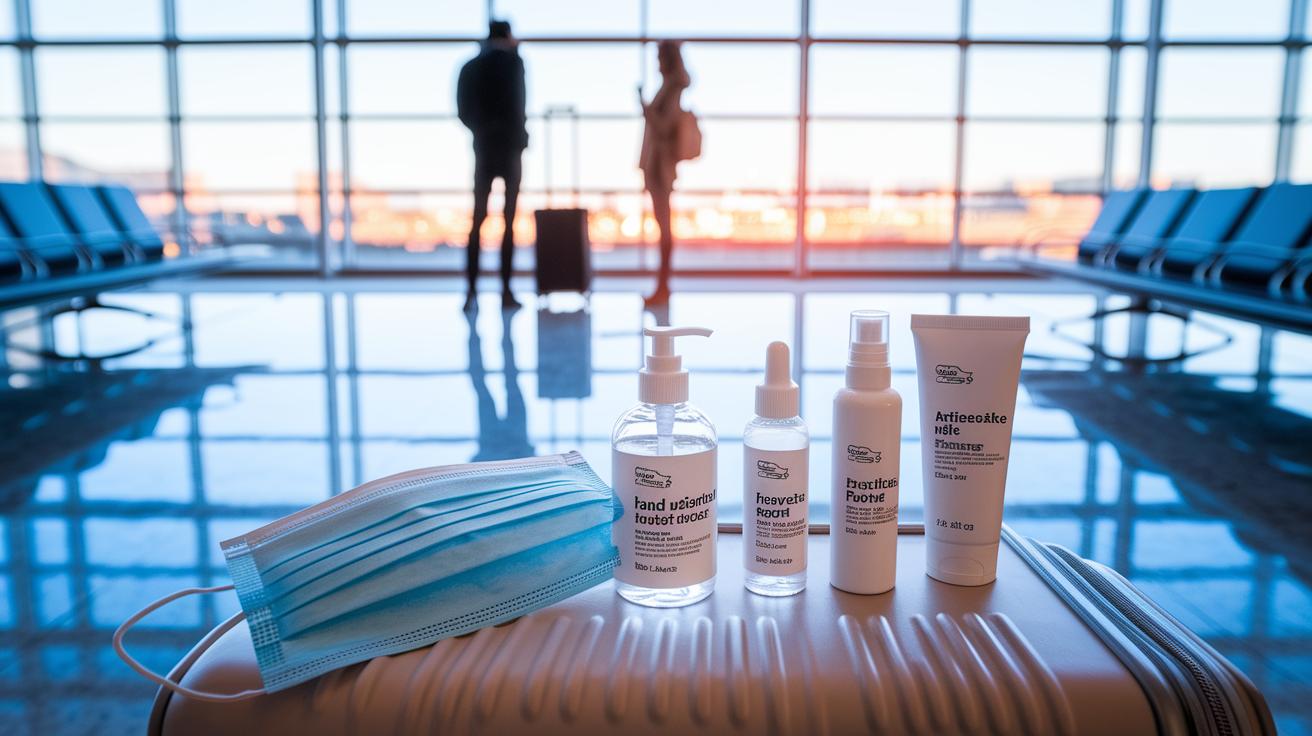
Quick take: Keep these key items in your travel kit to lower your risk of infections on the go.
When you travel, using a few simple tools can help keep germs away. A small hand sanitizer with at least 60% alcohol cleans your hands after you touch shared surfaces like door handles or public kiosks. Disinfectant wipes let you quickly wipe down airplane trays, hotel remotes, and other items you often use.
If you plan to visit crowded places, pack disposable gloves and extra face masks. They add another layer of protection. For your mouth, include antiseptic mouthwash or oral swabs to lower bacteria when a toothbrush isn’t handy.
Protect your skin by using sunscreen with an SPF of 30 or higher. This helps prevent sunburn during long outdoor trips. Also, add an insect repellent with DEET to avoid bug bites that might carry infections.
These easy steps work together to keep you safer. Use the checklist below to set up your travel health kit:
| Item | Why You Need It |
|---|---|
| Hand sanitizer (60% alcohol) | Cleans hands after touching shared areas |
| Disinfectant wipes | Wipes down surfaces like trays and remotes |
| Disposable gloves & face masks | Adds protection in crowded settings |
| Antiseptic mouthwash or oral swabs | Reduces bacteria when brushing isn’t possible |
| High-SPF sunscreen (30+) | Prevents sunburn during outdoor trips |
| Insect repellent with DEET | Helps avoid bug bites |
Keeping these items close means you can act fast to clean up and protect yourself. Remember, a quick swipe or a bit of hand cleaning can make all the difference when you’re on the move.
Hydration, Nutrition & Supplements for Your Travel Health Toolkit
Quick Take: Staying well-hydrated and well-fed while traveling helps you avoid fatigue and dehydration.
Triage Box:
• If you have severe thirst, dizziness, dark urine, or confusion, seek medical help immediately.
• If you feel lightheaded or faint during travel, call your doctor or visit urgent care.
Travel can dry you out and drain your energy. Keeping a rehydration kit close by replaces fluids lost in hot weather or after hard activities. A small pack of water purification tablets (for example, Aquatabs) can turn 1–2 L of unsafe water into drinkable water in 30 minutes, right when you need it.
Electrolyte supplements add key minerals like sodium, potassium, and magnesium. These help balance your body’s fluids and fight dehydration during hot days or long trips. Oral rehydration salts are a fast way to replace lost electrolytes if you start to feel the heat.
Daily vitamins or a multivitamin make sure you get the nutrients your body needs. They support your energy and immune system when you’re on the move. In areas with little sunlight, vitamin D supplements can also help keep your bones strong and your body balanced.
By using these hydration and nutrition tools, you build a strong defense against travel fatigue and dehydration, keeping you comfortable and ready for your next adventure.
Diagnostic & Monitoring Gadgets in Your Travel Health Toolkit

A digital infrared thermometer is a handy tool for checking your temperature quickly while you travel. This small, battery-powered device gives you a fast look for a fever so you can decide if you need to see a doctor.
If you have blood pressure concerns, pack a portable blood pressure monitor. It easily fits in your travel bag and lets you check your heart health wherever you are.
A heart rate wearable or a phone app is another useful gadget that watches your pulse. It constantly tracks your heart rate and alerts you if anything feels off, especially during exercise or when stress is high.
For those managing diabetes, a glucometer kit is essential. It quickly measures your blood sugar levels, helping you stay in control of your health on the go.
Together, these tools help you keep an eye on your health, so you can travel with confidence and peace of mind.
Tailoring Your Travel Health Toolkit for Destinations & Insurance
Quick take: Plan ahead with your doctor and pack the right documents to stay safe on your trip.
If you notice any worry signs while traveling, call local emergency services or visit a nearby clinic.
Before you leave, talk with your doctor 6–8 weeks ahead. Your provider can review which vaccines you need, such as yellow fever or typhoid. For instance, if you’re heading to a tropical area, you might receive a yellow card to show your shots.
Make sure your vaccination checklist is up to date and pack all the required papers. Always bring proof of travel health insurance and a list of emergency contacts. These items help you get quick help if you feel unwell, especially in remote areas.
Research local clinics and pharmacies at your destination. Knowing where to go for care can ease your worries during your trip. Also, plan for changes in weather or altitude by packing extra medications. For example, if you’re traveling to high altitude, include medications to help with altitude sickness.
- Talk with your doctor 6–8 weeks before departing
- Review and update your vaccination checklist and documents
- Carry proof of travel insurance and emergency contact info
- Find out how to contact local clinics and pharmacies
- Pack extra medications for climate or altitude adjustments
Tailor your travel health toolkit to match the risks of your destination. This careful preparation can help you stay safe and ready for any health issues while traveling.
Final Words
In the action, this post covered key items for every traveler. We outlined vital OTC meds, first-aid supplies, prescription details, hygiene essentials, hydration aids, and even diagnostic gadgets. Small steps like packing hand sanitizer or reviewing prescription details can help you travel with confidence.
By tailoring your travel kit based on your destination, you move closer to safe, worry-free adventures. Use these health toolkit essentials for travel to stay ready and positive every step of the way.
FAQ
What should a travel medicine kit list include and are PDF checklists available?
The travel medicine kit list includes key over-the-counter medicines, core first-aid supplies, hygiene items, diagnostic devices, and personal prescription documents. PDF checklists are often available online to guide you.
What makes the best first aid kit for international travel?
The best international first aid kit contains adhesive bandages, sterile gauze, antiseptic wipes, ointments, tweezers, and a thermometer to manage cuts, burns, and minor injuries while on the go.
How does a travel medicine kit prescription work for safe travel?
A travel medicine kit prescription involves carrying prescribed medications in their original packaging with extra supply, along with a doctor’s note and prescription copies to meet legal requirements during travel.