
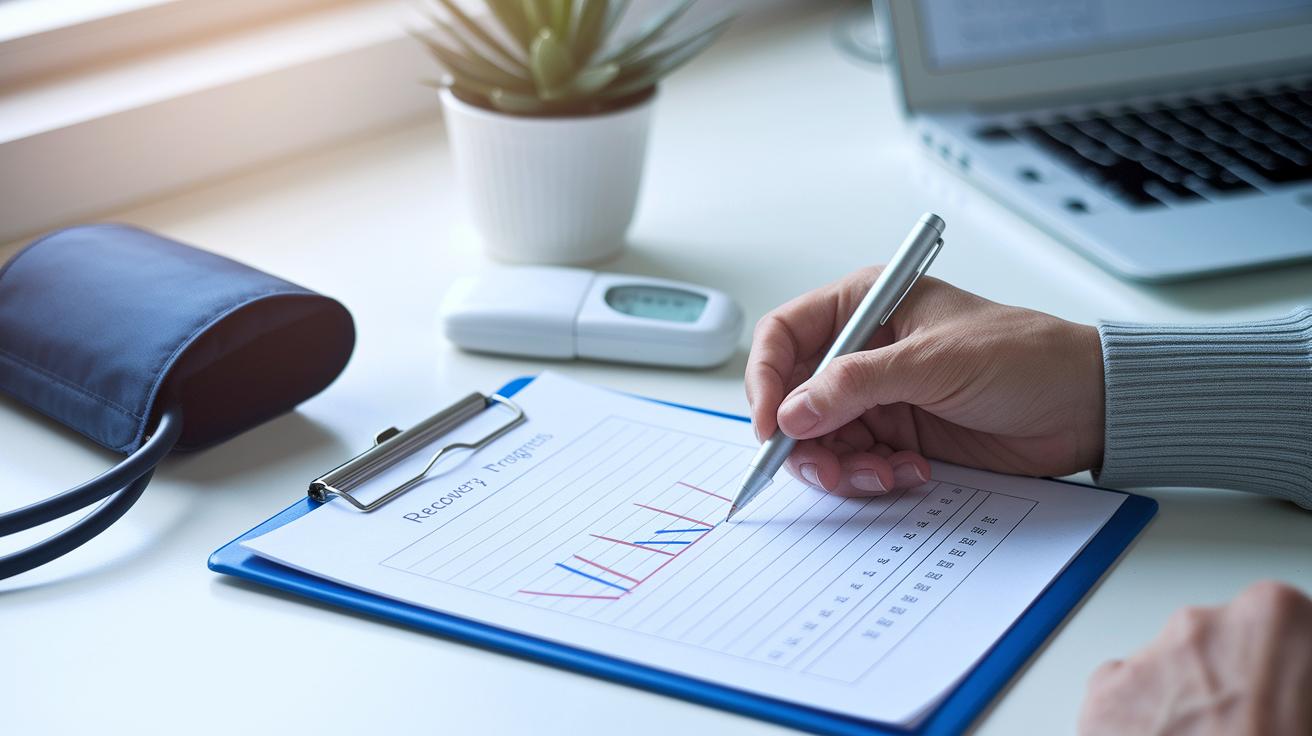

Quick take: A smart health toolkit turns your everyday data into clear visuals so you and your doctor can easily track your recovery.
Modern health toolkits work by taking basic numbers like your weight, blood pressure, and lab tests and turning them into simple charts and graphs. These visuals help you see trends quickly so you can adjust your treatment when needed.
Here’s how it works:
• Record your data regularly.
• Review easy-to-read charts that show your progress.
• Work with your clinician to tweak your recovery plan.
Using a smart toolkit makes keeping track of your health straightforward and manageable. It gives you a clear path to set and reach your recovery goals while staying engaged with your treatment plan.
Core Components of a Health Toolkit for Monitoring Recovery Progress
A health toolkit helps you track recovery by showing clear data like weight, blood pressure, medications, and lab tests. Both you and your clinician can see changes and act fast to adjust treatment plans. It turns everyday clinical details into practical insights for better care.
Key parts of this toolkit include modules that record important health measurements during your visits. Tools then analyze the numbers to show trends, and simple dashboards display these trends in friendly visuals. An electronic care registry, built into your health record system, gathers all your data so both your progress and overall treatments are easy to follow.
Tools that help you set goals and check your own progress guide you and your clinician in creating a recovery plan that fits your needs. Below are the main features that support a progress tracker and rehabilitation system:
- Modules to record health measurements
- Tools to analyze data trends
- Dashboards for clear visuals
- Goal-setting features to create personal targets
- Self-assessment options for regular input
When these parts work as one, they form an all-in-one toolkit that makes managing chronic conditions easier. Data from everyday visits builds a personalized recovery plan that streamlines tracking and supports ongoing treatment improvements.
Digital Solutions in a Health Toolkit for Monitoring Recovery Progress
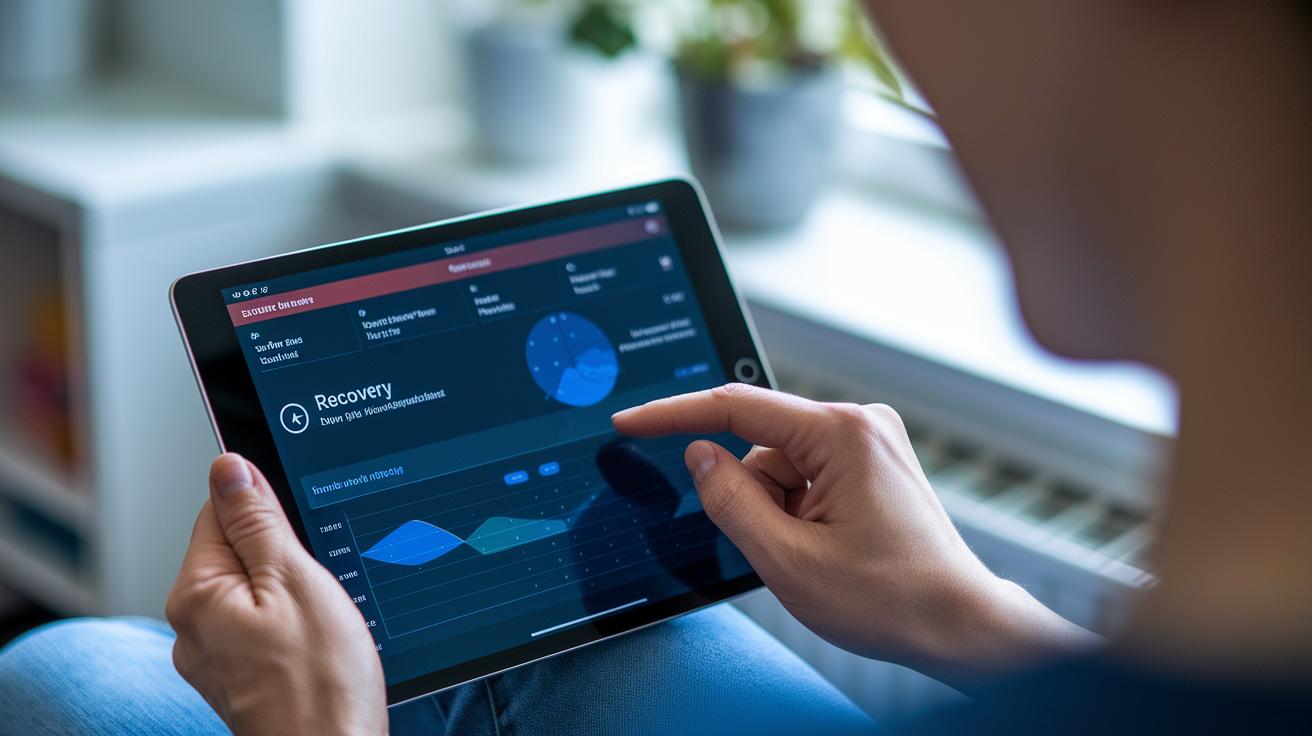
Digital tools can help you see how your recovery is going. They let you record your daily symptoms and key treatment steps quickly. You can update your care team easily so they can check your progress and adjust your treatment when needed.
Mobile apps and online platforms make tracking simple. Many systems use a central Recovery Center CRM to store your data safely. This setup keeps your records clear and easy to review. In addition, these tools create structured reports that show your milestones in a standard way.
- Mobile therapy apps
- Telehealth follow-up platforms
- Virtual therapy modules
- Symptom tracker apps
- Interactive wellness logs
- Feedback collection systems
These digital systems work with your usual care plan to give a complete picture of your recovery. By sharing accurate, real-time data, they help your clinician make timely decisions about your treatment.
Wearable and Physical Devices in a Health Toolkit for Monitoring Recovery Progress
Wearable sensors help you track your recovery day by day. They record your heart rate, sleep, daily activity, and how well you follow your rehab exercises. These devices work like remote monitors that give real-time updates so you and your clinician can notice small changes. This clear, practical data makes self-checks both simple and effective.
After you leave the hospital, monitoring devices continue your care. They track your vital signs and activity, sending your information securely and wirelessly to your care team. This constant flow of data helps catch any problems early and keeps your recovery on course.
All this device data is shown on easy-to-read dashboards that mix your progress with wider care trends. By combining results from wearable sensors and post-discharge tools, these systems offer clear insights. This reliable, combined data lets your care team adjust your treatment plan and improves overall care quality.
Data Analysis and Visualization in a Health Toolkit for Monitoring Recovery Progress

Good data visuals turn raw numbers into quick insights to guide your treatment choices. Start with a simple, interactive dashboard that updates in real time. Imagine a display where patient recovery curves appear immediately as new data is added, so you can adjust therapy on the spot.
Pair these visuals with both patient-specific and overall data. This mix lets you see trends quickly and dig deeper into the details. New graphic layers and clickable elements make it easy to spot where care might need a change.
| Tool Name | Visualization Type | Key Features |
|---|---|---|
| Outcome Dashboard | Graphical Overview | Trend Analysis, Benchmarks |
| Analytics Module | Chart Analysis | Data Breakdown, Insights |
| Metrics Dashboard | Bar & Line Charts | Performance Metrics |
| Performance Analytics Interface | Interactive Visuals | Real-time Updates |
This clear, easy-to-read display helps you make fast decisions in recovery planning. It works hand in hand with other digital tools to give clinicians a strong, focused set of options for keeping patients on track.
Integrating a Health Toolkit for Monitoring Recovery Progress into Clinical Workflows
This toolkit gathers all of your healthcare details in one safe system. Your clinic visits, lab results, medication lists, and more are linked so that your care team can see your entire progress at once. This organized record helps doctors plan your recovery and improve care over time.
Your care team uses simple, clear checkpoints like keeping track of treatments, lab numbers, and how you feel. These easy-to-read points let them see improvements and adjust plans when needed, so you always know that your care is on track.
Working together is key to your recovery. Interactive follow-up tools and telehealth services let you and your caregivers stay updated in real time. By lining up appointments, reviews, and your own observations, everyone can act on the most important recovery information every day.
Best Practices for a Health Toolkit for Monitoring Recovery Progress

Quick take: Use clear steps and simple checklists to safely track recovery progress.
Triage Box:
- If you find missing or wrong data, fix it immediately.
- If roles are not clear, ask for help.
- Check your data every day.
Many teams often face problems like pushback from inside and busy schedules when they try using recovery tracking tools. A clear, written plan can help you push past these issues. Write down your steps and assign tasks so everyone knows their role. A simple worksheet, like a PDSA guide (Plan, Do, Study, Act), helps you test and improve how you work. Bringing in trusted team leaders and asking for input from different staff members builds the drive you need for success.
Practice these steps:
- Set SMART goals (Specific, Measurable, Achievable, Relevant, Time-bound)
- Engage key stakeholders.
- Schedule regular data reviews.
- Keep continuous feedback loops.
- Do regular checks on data quality.
By fitting these practices into your daily work, everyone knows what to do. Following these steps helps your team keep a clear track of recovery progress, trust the data, and work together to make patient outcomes better.
Customizing a Health Toolkit for Monitoring Recovery Progress to Individual Needs
Quick Take: Tailor your recovery toolkit to your goals by tracking key numbers and updating your plans as you improve.
If you notice any sudden setbacks or worsening symptoms, call your clinician right away.
Start by setting your personal recovery goals. Choose clear measures like how often you attend therapy sessions, how much your symptoms lessen (for example, less pain or discomfort), and how stable your daily life feels compared to your usual baseline.
Next, build simple dashboards and reports that show these numbers over time. Use plain language and clear visuals so both you and your clinician can spot what’s working and what needs changing.
As you reach new milestones, adjust your toolkit settings. Update your goals and targets so your recovery plan stays relevant and focused on getting better. This flexible, results-driven approach helps you and your care team make smart tweaks to your treatment plan.
Final Words
In the action, this guide broke down a strong health toolkit for monitoring recovery progress. The article examined how detailed data capture, digital solutions, wearables, and smart analysis come together. Each section showed you how clear benchmarks, integrated records, and personalized approaches drive effective recovery tracking.
The insights empower you to build a real health toolkit for monitoring recovery progress and improve daily care routines. Stay proactive and confident in managing recovery with these practical tools in hand.
FAQ
Q: What are recovery group worksheets PDF?
A: The recovery group worksheets PDF are ready-to-use guides that offer exercises and prompts for group support, helping members track progress and share insights during recovery.
Q: What does a motivation in recovery worksheet PDF provide?
A: The motivation in recovery worksheet PDF offers clear steps and prompts for setting recovery goals, helping you refocus and build a steady path through challenges.
Q: How do SMART Recovery worksheets PDF help in recovery?
A: The SMART Recovery worksheets PDF provide structured exercises that boost self-assessment and practical skills, guiding you to manage cravings and adjust your recovery plan.
Q: What are boredom in recovery worksheets PDF designed for?
A: The boredom in recovery worksheets PDF list engaging activities and reflective prompts that help distract from cravings, making recovery tasks more interactive and enjoyable.
Q: What benefits do printable recovery worksheets offer?
A: The printable recovery worksheets give you easily accessible, fillable documents to track your progress, set goals, and plan actions, making recovery management more practical.
Q: What do addiction recovery Toolkit workbook and worksheets PDF include?
A: The addiction recovery Toolkit workbook and worksheets PDF include comprehensive guides, self-assessment tools, and progress tracking forms all designed to support a structured, ongoing recovery plan.