
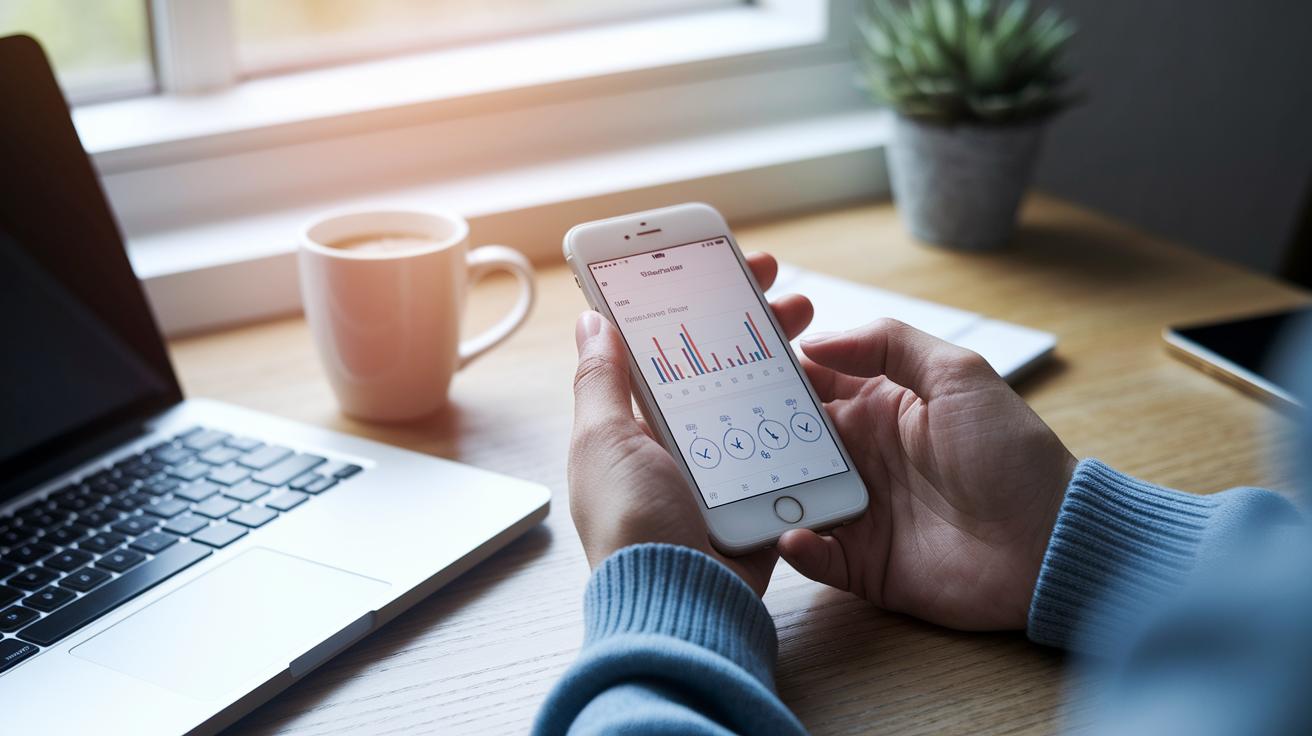

Have you ever wondered if your phone might help you stay healthy?
It can now track every change in your well-being with just a few taps. Small details matter, and tracking apps can show you trends before they turn serious. In this post, you'll find the top apps that let you quickly note physical (like aches or dizziness) or emotional changes. This way, you can share clear details with your doctor. If you're ready to take control of your health, keep reading to find the right tool for your wellness routine.
Essential Symptom Tracking Apps for Your Health Toolkit
Quick take: These apps help you record and review your symptoms so you can share clear, useful information with your doctor.
Triage Box:
• If you have any dangerous signs such as chest pain, trouble breathing, or fainting, call emergency services now.
• If you notice your symptoms getting worse quickly, seek same-day medical care.
• For regular check-ups, use these apps to keep an eye on your health.
Digital symptom tracking apps let you easily log daily physical or emotional changes. They work like a simple life log, making it easier to spot patterns and share your progress with your healthcare provider. Here are five top choices, each with its own standout feature:
- Bearable (iOS/Android; Free) – Log unlimited symptoms and moods while getting clear weekly and monthly trend reports.
- Human Health (iOS/Android; Free) – Record symptoms, medications, and treatments and connect with a friendly community for extra support.
- FinchCare (iOS; Free) – Enjoy fun self-care tasks with a customizable pet companion and daily interactive quizzes that keep you engaged.
- MySymptoms (iOS/Android; Freemium) – Track digestive health by logging your food, bowel movements, and stress levels, then share detailed reports.
- MyTherapy (iOS/Android; Free) – Manage your medications with strong reminder features and track key signs like blood pressure and blood sugar, plus offer one-time access for healthcare providers.
These apps simplify daily symptom tracking so you can notice trends, manage your health better, and share important details with your doctor.
In-Depth App Reviews: Features, Pricing, and Usability
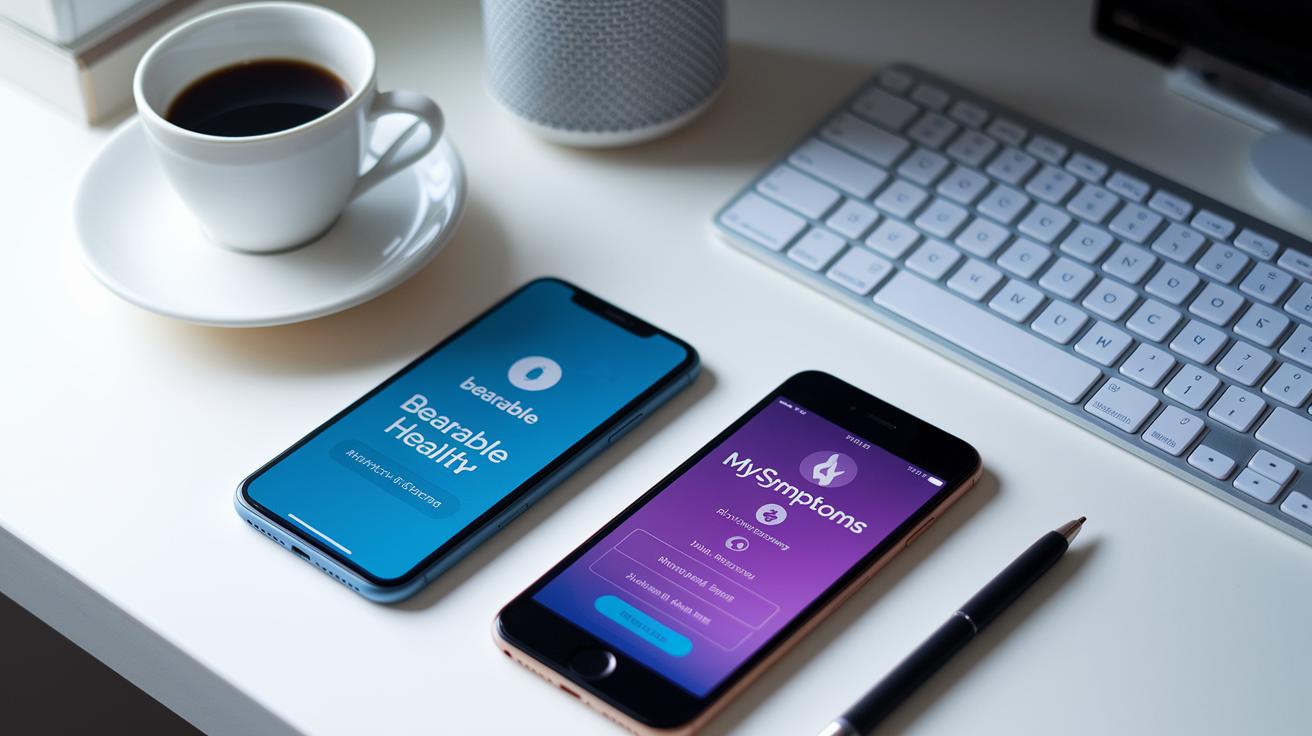
Here’s a quick look at some top symptom tracking apps that can help you monitor your health. Each app offers unique features you might find useful.
- Bearable is free and works on both iOS and Android. It lets you log unlimited entries, view trend graphs, and export your data as a CSV file.
- Human Health is fully free and available on iOS and Android. Its easy interface lets you join a community forum and share detailed health reports.
- FinchCare is a free app for iOS. It adds a fun twist with a pet companion and daily quizzes while you track your symptoms.
- MySymptoms uses a freemium model and runs on both iOS and Android. It connects food and symptom data, letting you generate detailed PDF reports.
- MyTherapy is free on iOS and Android. It sends medication reminders, logs vital signs, and even offers one-time clinician access.
| App | Platforms | Pricing | Standout Feature |
|---|---|---|---|
| Bearable | iOS/Android | Free | Unlimited entries with trend graphs and CSV export |
| Human Health | iOS/Android | Free | Easy sharing via community forum and detailed reports |
| FinchCare | iOS | Free | Fun pet companion for daily tracking and quizzes |
| MySymptoms | iOS/Android | Freemium | Links food intake with symptoms and creates PDF reports |
| MyTherapy | iOS/Android | Free | Medication reminders, vitals tracking, and clinician access via one-time code |
Users appreciate the detailed trend graphs in Bearable, which can reveal long-term patterns. Human Health is loved for its simple way to share health data via its community forum. FinchCare makes keeping track of your daily health fun with its interactive pet. MySymptoms is useful for spotting food triggers, while MyTherapy helps keep your medication routine on track with handy reminders and quick clinician access.
Key Features to Look for in a Premier Symptom Monitoring System
A great symptom monitoring system lets you choose how to enter your health data. Search for apps that let you add extra details with branching options based on your answers. Look for ones that also let you capture photos or videos to record changes. This builds a fuller picture of your health.
Also, reminders and push notifications are key. They prompt you to log your symptoms regularly and help you spot new patterns. Regular logs create clear trend charts that show your health history and help you and your doctor notice long-term changes at a glance.
Secure data storage is a must-have. Pick a system that stores your data offline or uses encrypted cloud storage to keep your information safe. If you can export and share your data, you can easily give a detailed record to your doctor. That speeds up diagnosis and helps create a better treatment plan.
An integrated journal and mood tracker adds extra value. These tools let you track physical symptoms as well as monitor your mood and feelings (sometimes with SOS or relief options). They can show how stress or mood swings affect your body. All in all, these features create a trusted system that supports clear communication with your healthcare team and helps you manage your symptoms better.
Privacy and Security in Symptom Tracker Apps

These apps use strong encryption and safe storage to protect your personal data. Some use a secure cloud sync that locks your health info with advanced security methods. Others keep your data only on your device, reducing online risks. Many also use HIPAA standards (strict health rules) to ensure your information is well guarded. They even let you log your symptoms without a network, so you stay safe no matter what.
You’re in charge of your data. Trustworthy symptom trackers share clear privacy policies that explain exactly how your info is stored and sometimes shared. They let you set privacy options, like hiding your identity or choosing specific permissions. This way, you can feel confident that your health data stays secure while helping you manage your everyday well-being.
Tips for Effective Symptom Tracking and Healthcare Integration
Quick take: Regularly logging your symptoms helps you catch important trends early.
If you notice any sudden severe changes, call emergency services now. If your symptoms spike or become very uncomfortable, use any in-app SOS or mindfulness tools immediately.
• Pick a set time each day, morning or bedtime works best, to log how you feel.
• Write down key details like what you have eaten, your stress level, and how well you slept. These details help you see small shifts you might otherwise miss.
• Review your notes each week to spot any patterns or triggers.
• If your symptoms get worse quickly, use real-time help tools or call your clinician for guidance.
• Share brief, clear summaries of your logs with your healthcare provider. This makes visits more effective and ensures they see the full picture of your well-being.
Keeping up with your daily log builds a strong record that links your self-care with professional advice. For more detailed help on staying on track, check out the step-by-step guide to keeping a symptom diary here: https://thequickesttips.com?p=1347
Final Words
In the action, this guide walked you through top symptom tracking apps that simplify daily health checks. We reviewed each tool's standout features, privacy measures, and practical ways to track and share data with your provider. By using one of the best apps for your health toolkit (symptom tracking), you can keep a clear record and stay on top of your symptoms. Keep putting these smart habits to work and feel confident in taking charge of your well-being.