
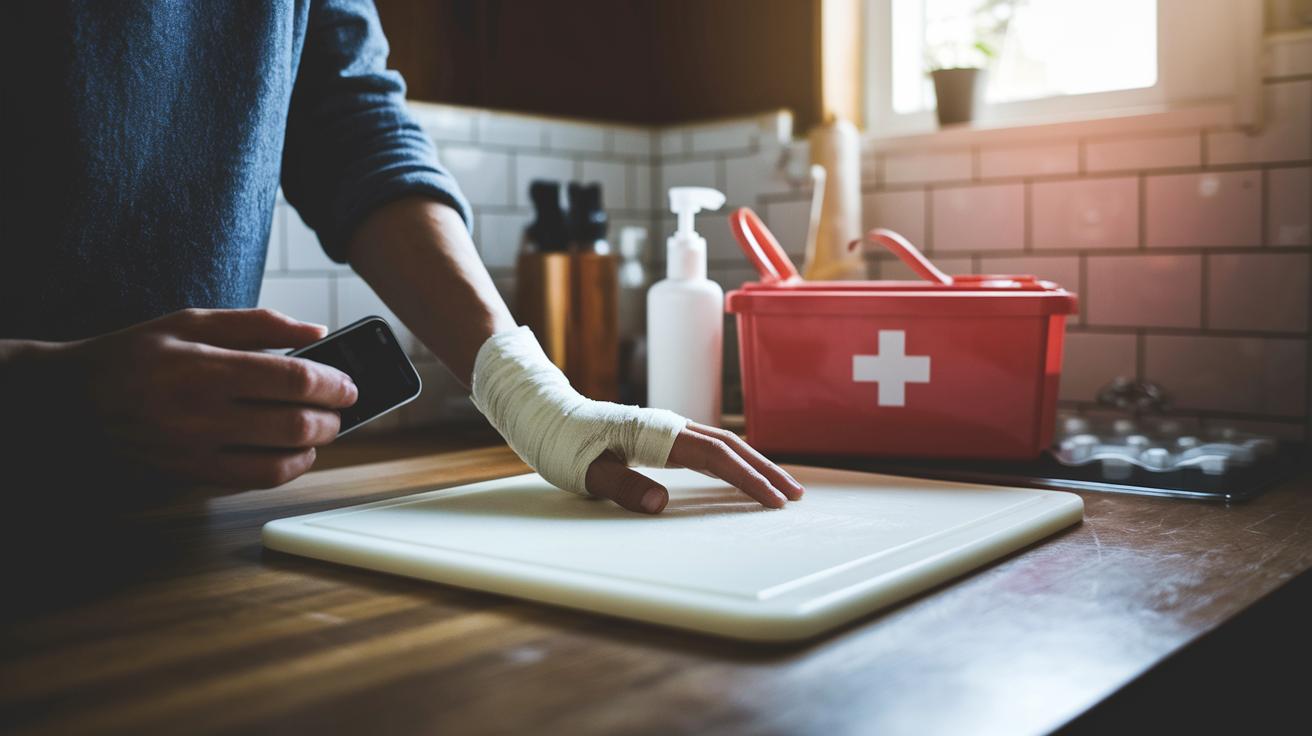

Quick Take: Most small cuts heal well with prompt, proper care.
If any of these signs occur, seek medical help immediately:
• The cut is very deep or bleeding won’t stop.
• You notice increasing redness, swelling, or pus.
• You develop a fever or feel unwell.
A small cut can sometimes let germs in and start an infection if you don’t act fast. That might sound worrying, but by cleaning, disinfecting, and bandaging promptly, you can protect your skin and help your cut heal quickly.
Here’s what to do:
- Wash your hands with soap and water.
- Rinse the cut under running water and gently clean around the area.
- Use an over-the-counter disinfectant (a germ killer that cleans the wound) on the cut.
- Apply a clean bandage to keep out germs.
These clear, evidence-based steps help reduce your risk of infection and support a faster healing process. Follow these instructions, and keep an eye on your cut as it heals.
Immediate First Aid Steps for Cuts
Quick Take: Clean your cut fast to help it heal and stop infection.
Triage Box:
If you have any of these emergency signs, call emergency services now:
- Bleeding that won’t stop after 10 minutes of pressure
- A deep wound exposing tissue or bone
- Signs of serious infection like spreading redness, swelling, or pus
For a minor cut, follow these steps:
- Stop Bleeding – Press a clean cloth or gauze firmly against the cut for 5–10 minutes.
- Clean – Rinse the wound under clean running water to wash away dirt and germs.
- Disinfect – Gently apply an antiseptic (like povidone-iodine, a germ killer) on and around the cut.
- Dry – Pat the area lightly with sterile gauze. Don’t rub hard.
- Bandage – Cover the wound with a sterile adhesive strip or gauze pad. Secure it lightly with medical tape.
Acting quickly helps your body form a natural scab to protect the area and lower the chance of infection. If your bandage gets wet or dirty, replace it to keep the cut clean and safe.
Cleaning and Disinfecting Fresh Cuts
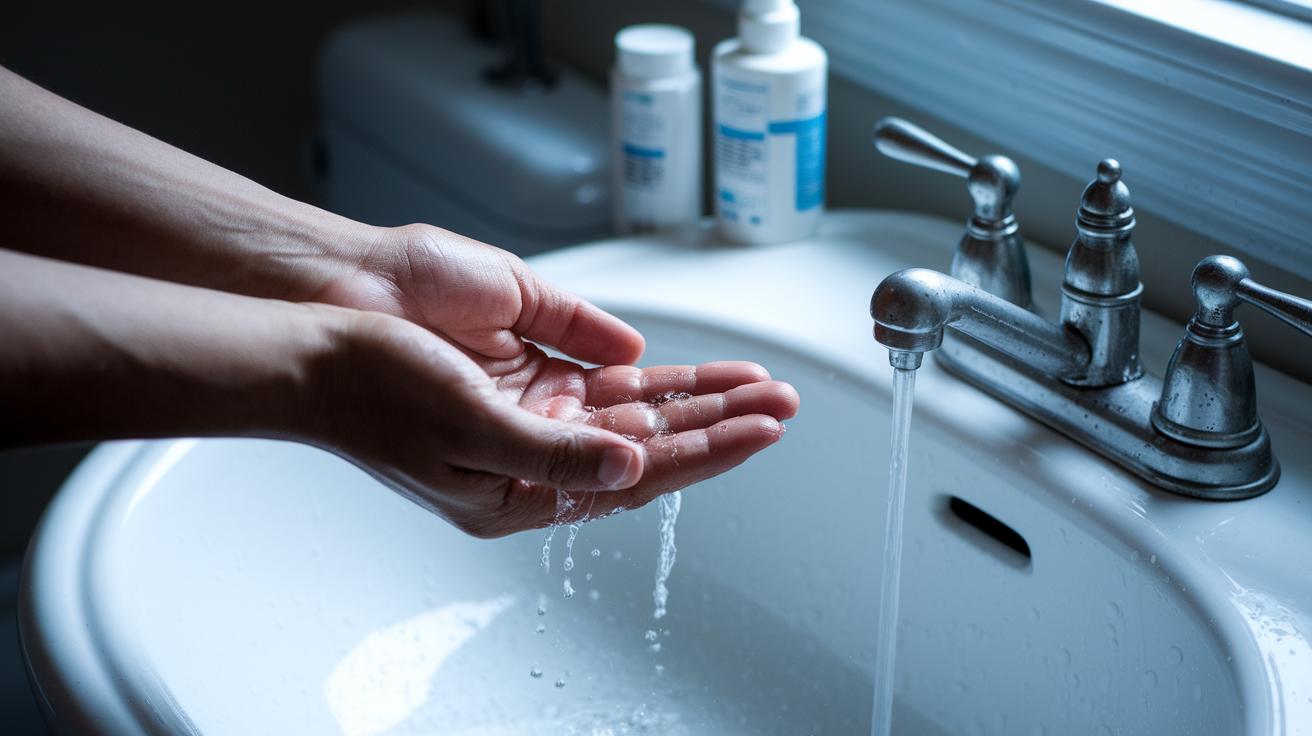
Cleaning your cut right away can lower the chance of infection and help it heal faster. First, hold the cut under a gentle stream of lukewarm water for about 1–2 minutes. This steady flow helps wash away dirt and debris.
After rinsing, dab a mild antiseptic like povidone-iodine or use an alcohol-free wipe. Gently clean around the edges in a circular motion to remove any lingering germs without irritating the skin.
Next, softly pat the area dry with a piece of sterile gauze. Avoid rubbing the cut. Finally, take a close look under bright light to make sure all debris is gone and to check that the cut isn’t deeper than it seems.
Techniques for Stopping Cut Bleeding
Quick take: Press a clean cloth on the cut and elevate the area to help control bleeding fast.
Triage Box:
• If bleeding is heavy, soaking through dressings, or does not slow after 10 minutes, call emergency services now.
• If you see increased pain, swelling, or signs of infection, seek same-day help.
• For mild cuts, follow the steps below and monitor the wound closely.
When you get a cut, act quickly to stop the bleeding. Grab a clean gauze pad or cloth and press it hard against the cut, much like holding a small, firm pillow in place. Keep the pressure on for 5–10 minutes without checking too often.
• Use sterile gauze and press firmly for 5–10 minutes.
• Raise the injured area above your heart to reduce blood flow.
• If the bleeding slows down but then starts again, wrap it with a pressure bandage.
• Change the dressing if the pad gets soaked or bleeding continues after 10 minutes.
After these steps, watch the cut carefully. If the bleeding persists or the cut seems deeper than it looks, check again and consider calling your healthcare provider. Staying alert will help you see if the injury worsens so you can act quickly and safely.
Effective Bandaging for Cut Wounds
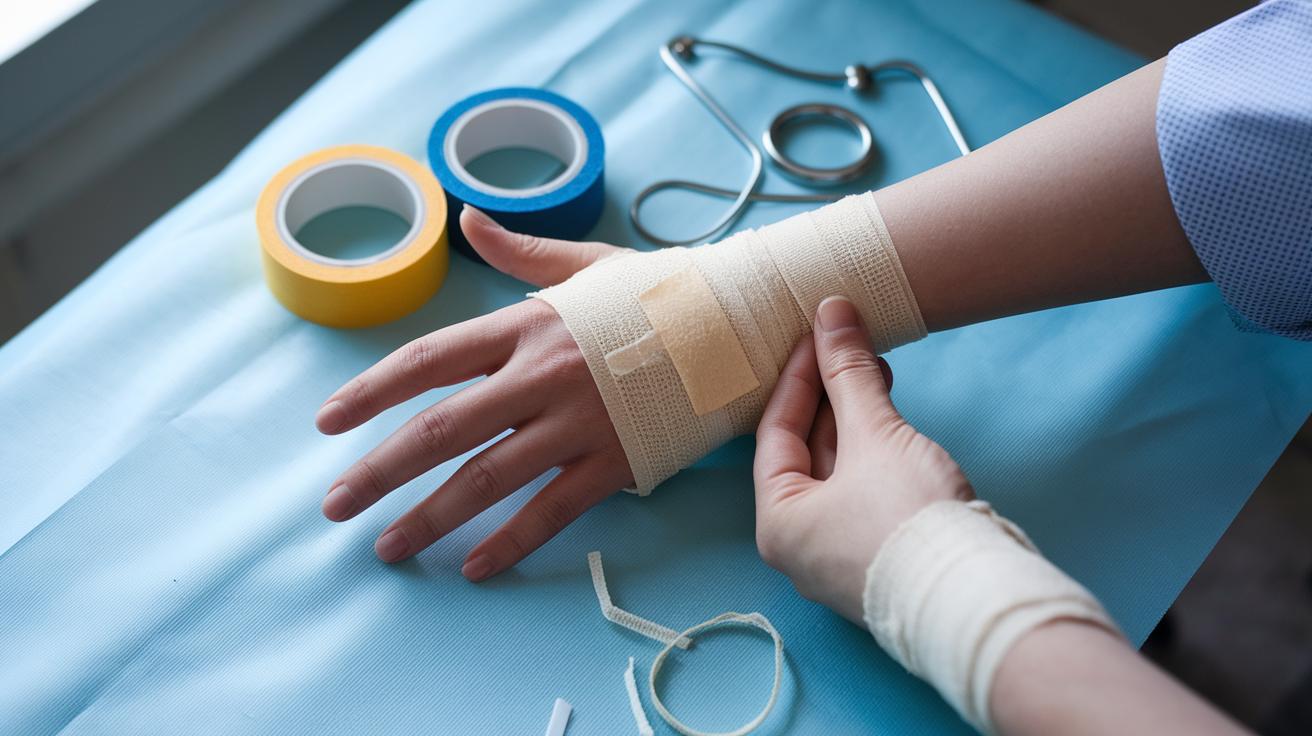
Quick take: Once your bleeding stops, cover your cut with a clean dressing to protect it and help it heal.
If your bleeding has stopped, start by gently placing a sterile gauze pad or adhesive strip over the cut. Use medical tape or an elastic wrap to secure it. Make sure not to wrap it too tightly so you don’t restrict blood flow.
Using clean materials is key. Your dressing creates a barrier against germs while still allowing air to help your skin repair naturally.
Keep an eye on your bandage. Check it often and change it every day or sooner if it gets wet or dirty. A damp bandage can let bacteria multiply, which raises your risk of infection. Replace it promptly to keep the wound dry and safe.
Following these steps can help prevent complications and support steady healing, giving you peace of mind as your cut recovers.
Recognizing When Cuts Need Medical Attention
Keep an eye on cuts that are deep or have open edges, especially if firm pressure for 10 minutes doesn't stop the bleeding. Look for signs of infection like increasing redness, swelling, warmth, pus, or red streaks near the cut. Also, if your tetanus shot is older than 5 years, that is a sign you should get professional help.
If you see any of these signs, get help right away. Go to urgent care or call your doctor if the bleeding continues, the cut seems deeper than it looks, or you suspect an infection. A healthcare provider can decide if you need stitches, antibiotics, or a tetanus booster to help you heal safely.
Building Your Home Cut Treatment Kit
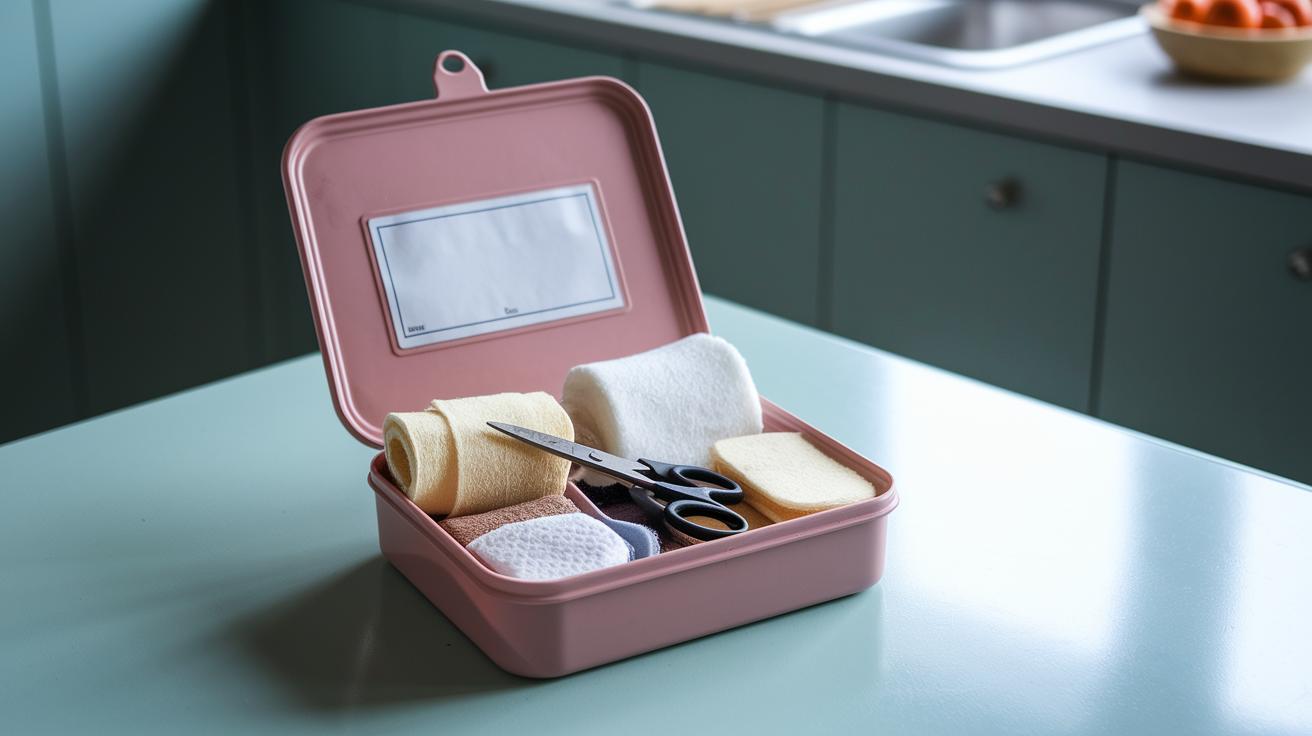
Keep a simple first aid kit handy with sterile gauze pads, various adhesive bandages, antiseptic wipes, antibiotic ointment, medical tape, and clean scissors. These supplies allow you to clean a cut and cover it quickly to help prevent infections from small accidents like slicing vegetables or a minor fall.
Store your kit in a waterproof, clearly labeled container that you can reach easily. Place it in the same spot at home and check it every season. Discard any items that have expired or become dirty, and replace them. This quick check keeps your kit ready when you need it most.
Infection Prevention and Healing Tips for Cuts
Quick Take: Keep your cut clean, dry, and watch for signs of infection.
Triage Box:
- Call emergency services now if you see any of these:
- Red streaks spreading from the cut
- Swelling, warmth, or worsening pain
- A fever over 101°F (38.3°C)
- Urgent: Get same-day care if the cut is very deep or if you notice pus or foul odors.
- Self-care: Gently wash with clean water, keep the area dry, and change your bandage if it gets wet or dirty.
Keeping your cut clean and dry each day is key to a smooth recovery. After you wash and cover the cut, avoid soaking it in water until it has started healing. Let it naturally form a scab, which protects against germs, and do not pick at it.
Change your bandage when it gets wet or dirty to keep the wound safe. Washing gently around the cut with clean water and keeping dirt away can reduce scarring and help prevent problems.
Your overall health also affects how fast the cut heals. Eating a balanced diet with fruits, vegetables, lean protein, and whole grains gives you the vitamins and minerals needed for tissue repair. Drinking plenty of water helps your blood carry nutrients to the injury. Light movement and gentle activity can boost blood flow and support healing.
Using natural remedies like a cool compress or aloe-based products may ease discomfort without stopping the scab from forming. These simple home steps work together to help your cut heal safely and steadily.
Final Words
In the action, first aid for cuts sets the stage for a safe, speedy recovery. This guide walked you through stopping bleeding, cleaning and disinfecting wounds, proper bandaging, and recognizing signs that need medical help.
It also highlighted assembling a home treatment kit and using healing tips to prevent infection. These clear steps help reduce complications and support recovery. Stay calm, follow these tips, and keep moving forward with confidence.
FAQ
What does first aid for cuts and wounds include according to Wikipedia?
First aid for cuts and wounds involves quickly cleaning the wound, stopping the bleeding, applying an antiseptic, dressing the cut, and monitoring for signs of infection.
How does one treat a deep cut on the hand or finger?
Treating a deep cut on the hand or finger starts with applying direct pressure to stop bleeding, cleaning the wound, using an antiseptic, and seeking medical attention if bleeding or gaping persists.
What resources offer first aid for wounds with pictures and PDFs?
Trusted health websites and government portals offer guides with detailed pictures and downloadable PDFs that show step-by-step instructions on cleaning, disinfecting, bandaging, and monitoring wounds.
How can wounds be healed faster naturally?
Healing wounds faster naturally is achieved by keeping the area clean and dry, maintaining a healthy diet rich in nutrients, and allowing a natural scab to form, which protects and speeds up the healing process.
How do you treat a deep cut without stitches?
Treating a deep cut without stitches involves stopping the bleeding with pressure, cleaning the wound thoroughly, and covering it with adhesive strips or a bandage, while seeking professional care if conditions worsen.
What is considered the best antiseptic for open wounds?
The best antiseptic for open wounds is often an alcohol-free option like povidone-iodine, as it effectively prevents infection without damaging healthy tissue around the cut.
What are the first aid procedures for cuts that help them heal quickly?
First aid procedures for cuts include stopping the bleed, thoroughly cleaning the area, disinfecting the wound, gently drying it, and covering with a sterile bandage to lower infection risk and promote healing.
What are the 4 C’s and 5 rules of wound care?
The 4 C’s of wound care involve cleaning, covering, caring, and checking the wound, while the 5 rules emphasize controlling bleeding, cleaning, disinfecting, drying, and covering the cut to ensure proper healing.