


Quick take: Choking is life-threatening and every second matters.
If you see someone struggling to breathe or turning blue, call emergency services right away.
Choking can make an ordinary day turn dangerous in an instant. This guide shows you simple, step-by-step ways to help adults, kids, and even infants clear their airways. You’ll learn when to use back blows (firm hits on the back to help dislodge an object) and abdominal thrusts (strong pressure on the belly to push the blockage out) so you can act fast. These steps are here to help clear the airway before panic sets in.
Grab a sturdy chair, take a deep breath, and follow these clear instructions to help in an emergency.
Essential Step-by-Step Choking First Aid for Adults and Children
Quick take: Choking can stop oxygen from reaching your brain. Act fast to help clear the airway.
If you notice any of these red flags, call emergency services now:
- The person cannot breathe, speak, or cough.
- Their skin turns blue.
- They suddenly become unresponsive.
- Check quickly if the person can cough, speak, or breathe. If not, this is a true emergency.
- Stand or kneel behind them. Keep them upright so gravity can help clear the blockage.
- Lean the person forward and deliver 5 firm back blows between the shoulder blades. Think of it as a strong pat to shift the object.
- Next, wrap your arms around their waist. Give 5 quick upward thrusts just below the rib cage (this is the Heimlich maneuver).
- Alternate between 5 back blows and 5 abdominal thrusts. After each round, check if breathing has improved.
- Watch for signs of recovery like coughing or normal breathing. If you see no change and the person becomes unresponsive, lower them carefully onto a firm, flat surface and start chest compressions immediately. Chest compressions help push air into the lungs and may force the blockage out until help arrives.
Infant Choking First Aid: Critical Response for Under 1 Year

Quick take: If your baby shows choking signs, act immediately.
Triage Box:
If you have any of these emergency signs, call emergency services now:
- No or weak cough
- Gagging or noisy breathing
- Blue or pale lips
- Absence of breathing
Urgent steps:
- Check your baby's mouth for any visible blockage.
- If you see no improvement quickly, start first aid with back blows and chest thrusts.
Back Blows for Infants
Place your baby face-down on your forearm with their head lower than their body. Support the baby securely with your other hand. Give up to 5 firm back blows between the shoulder blades. Use a force that is strong enough to move the object but gentle enough to avoid harm. Think of it as a series of quick, controlled pats to help dislodge the blockage.
Chest Thrusts for Infants
Carefully turn your baby so they lie face-up while still being supported. Place two fingertips in the center of the chest (between the nipples). Deliver up to 5 quick chest thrusts, pushing about 1.5 inches deep in a steady rhythm. After each series, pause to gently inspect the baby’s mouth to see if the blockage has cleared. These thrusts help push air into the lungs, which may force the object out.
Preventing Choking Risks at Home and on the Go
Choking is a serious issue. It happens when a small object or food piece blocks your throat and can stop you from breathing. That sounds scary, but you can lower the risk with a few simple steps.
• Keep items like coins, beads, and small toy parts away from children. Use a size guideline: if it is smaller than a 20-cent piece, it may be a hazard.
• Check play areas and floors at child height often. Remove anything that could cause a blockage.
• Cut food safely. For example, slice grapes and hot dogs into small pieces (quarters or lengthwise).
• Always watch children during mealtime. Remind them not to talk or run with food in their mouth.
• Include a rescue mask and a quick-reference choking first aid card in your home emergency kit.
By taking these precautions, you help protect everyone, kids, toddlers, and adults, from choking hazards. Regular checks and proper food preparation can save lives. Stay alert and ready every day.
Recognizing Choking First Aid Signs Across Age Groups
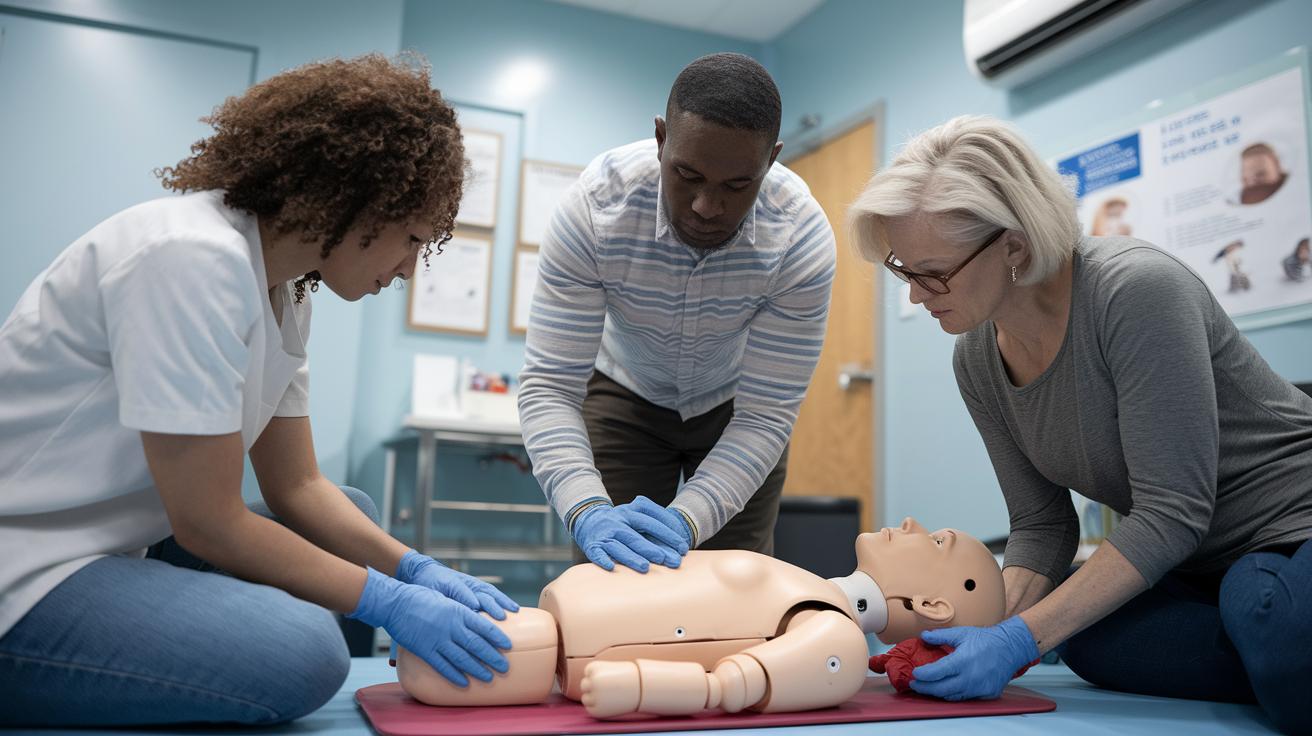
Quick take: Choking can happen to anyone. Recognize the signs and act fast.
Triage:
If you see any of these emergency signs, call emergency services immediately:
- Can’t speak or make sounds
- Grabbing the throat or chest
- Blue or very pale skin and lips
Below are common choking signs by age group:
Infant Warning Signs
Infants may choke if they cry weakly, breathe noisily or not at all, or show color shifts like pale or blue lips. Check the infant choking guidelines for full details.
Toddler Warning Signs
Toddlers may point to or grab their throat and make high-pitched noises instead of normal cries. They might also lose balance and fall. If you see a toddler pointing to their neck while making a loud, high-pitched sound, act quickly.
Adult Warning Signs
Adults often show choking signs by silent gagging, being unable to speak, or clutching their chest. These signs can lead to loss of consciousness, so follow adult choking guidelines immediately if you spot them.
Emergency Response: When and How to Call for Help in Choking First Aid
Quick take: If back blows and abdominal thrusts do not clear a blockage, act immediately and call 911.
Triage Checklist:
- Call emergency services now if the airway stays blocked.
- Watch for signs of poor breathing or changes in skin color.
- Follow clear steps if the person becomes unresponsive.
If the blockage does not clear after two rounds of back blows and abdominal thrusts, you must call 911 right away. A blocked airway means less oxygen for the brain and lungs and can cause serious harm or death. Act without delay.
For a person who is not responsive, use the DRSABCD steps:
- Danger: Check the area so you stay safe.
- Response: Gently tap the person and speak to them.
- Airway: Look quickly to see if the throat is clear.
- Breathing: Check for normal breaths or gasping.
- CPR: If they do not breathe normally, start chest compressions.
- Defibrillation: Use an AED if one is nearby.
Stay with the person and continue to clear the airway while watching their breathing until help comes. These steps can be the difference between life and death.
Choking First Aid Training and Recommended Equipment
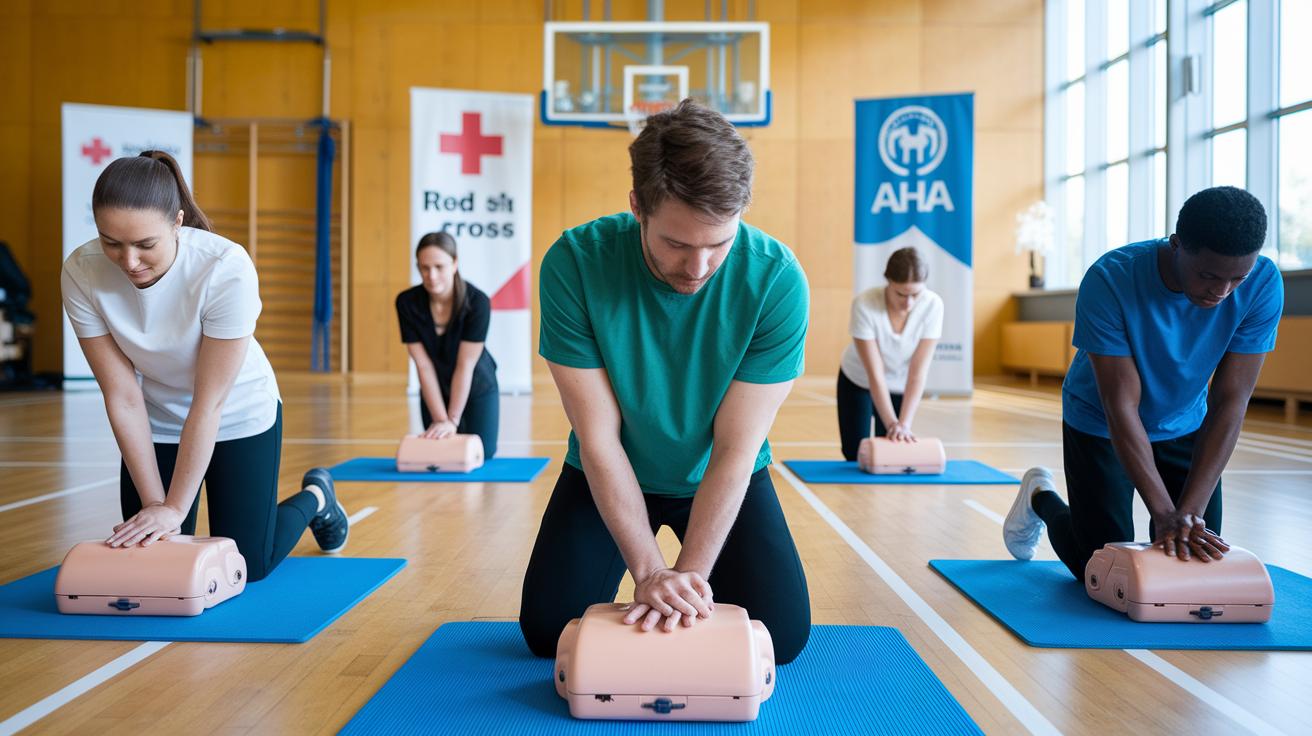
When seconds count, knowing how to help during a choking emergency is critical. Trusted organizations like the American Red Cross and the American Heart Association offer hands-on, certified training that shows you clear steps such as back blows, abdominal thrusts (often called the Heimlich maneuver), infant chest thrusts, and rescue breathing. Classes range from two-hour CPR sessions and one-day workshops to longer 3.5 to 4.5-day courses for those in high-risk jobs.
Practice with manikins builds your muscle memory for life-saving moves like chest compressions and the Heimlich technique. This hands-on experience helps you act confidently when an emergency happens.
Having the right tools can make a big difference. Consider carrying:
- A barrier device such as a face shield or pocket mask to help with safe rescue breathing.
- A rescue mask to keep things clean during an emergency.
- Quick-reference choking first aid cards to remind you of the steps when you need them most.
This training and equipment work together to give you the skills and confidence to act fast during choking emergencies. Regular practice will help you stay prepared and ready to protect lives when every second matters.
Common Mistakes and Safety Considerations in Choking First Aid
Quick take: Use safe, measured techniques to clear a choking blockage.
If any of these emergency signs occur, difficulty breathing, turning blue, or losing consciousness, call emergency services immediately.
One common mistake is using too much force during abdominal thrusts. Excess force can break ribs or harm internal tissues. Instead, adjust your pressure; you need enough force to clear the blockage without causing injury.
Another error is performing a blind finger sweep on someone who is awake. Sweeping without seeing can push the object deeper into the airway, making the blockage worse.
For infants, never use abdominal thrusts. Instead, use back blows and chest thrusts to clear the airway.
After every action, check the person's breathing, airway, and responsiveness. If you sense uncertainty, pause, reassess, and change your techniques if needed.
Follow proper training and be methodical in your approach. This careful, clear technique protects both the victim and you during a choking emergency.
Final Words
In the action of quick response, this guide stressed how choking first aid saves lives. We covered adult and infant techniques, laid out step-by-step rescue methods, discussed prevention tips at home, and defined when to call 911. Each section offers clear, practical tips to help you act swiftly in a choking emergency. Remember, proper training and simple tools boost confidence and safety. Stay prepared and keep practicing these essential skills to feel ready for any choking event.
FAQ
What equipment should be in a choking first aid kit or device?
The equipment in a choking first aid kit includes a barrier device (face shield or pocket mask), a quick-reference choking first aid card, and basic supplies recommended for emergency airway management.
What does choking first aid for infants involve?
The choking first aid for infants involves checking for signs of choking and delivering up to 5 firm back blows on the infant’s supported forearm, followed by 5 quick chest thrusts with proper finger placement.
What are the types of choking?
The types of choking are partial obstruction, where some air still moves, and complete blockage, where the airway is fully obstructed and immediate intervention is needed.
What are the key 6 steps in choking first aid for adults?
The key 6 steps include assessing the situation, delivering 5 firm back blows, performing up to 5 abdominal thrusts (Heimlich maneuver), re-assessing the airway, and switching to chest compressions if the victim becomes unresponsive.
What should you do if you start choking while you’re alone?
The steps for choking when alone include calling emergency services immediately, performing self-administered abdominal thrusts, and seeking help if the blockage does not clear quickly.
How many minutes do you have when choking before severe damage occurs?
The danger from choking increases after about 4 minutes, as the lack of oxygen can start to cause brain damage, so swift and decisive action is critical.
Where can I find choking first aid PowerPoint resources?
Choking first aid PowerPoint presentations are available from trusted providers like the American Red Cross and local first aid courses, offering clear, step-by-step emergency guidance.