

Quick Take: Act fast on burns. Cooling your burn quickly lowers pain and stops further skin damage.
Have you ever been burned out of the blue and wondered if waiting would help? This guide shows you clear, proven steps to protect and cool a burn right away. Cooling the burn fast can ease the pain and stop more damage to your skin. Follow these steps as soon as you get burned so you can turn panic into safe, decisive action. Quick, careful care helps lessen the pain and speeds up healing.
Quick First Aid Steps for Burns
Quick take: Burns need fast, clear care to reduce damage and ease pain.
If you see a burn, act immediately:
- Call emergency services if the burn is very large or the skin is broken.
- Otherwise, follow these steps to safely treat the burn at home.
Step 1: Remove
Get the injured person away from the heat source right away. If any clothing is burned but not stuck to the skin, carefully remove it to stop more injury.
Step 2: Cool
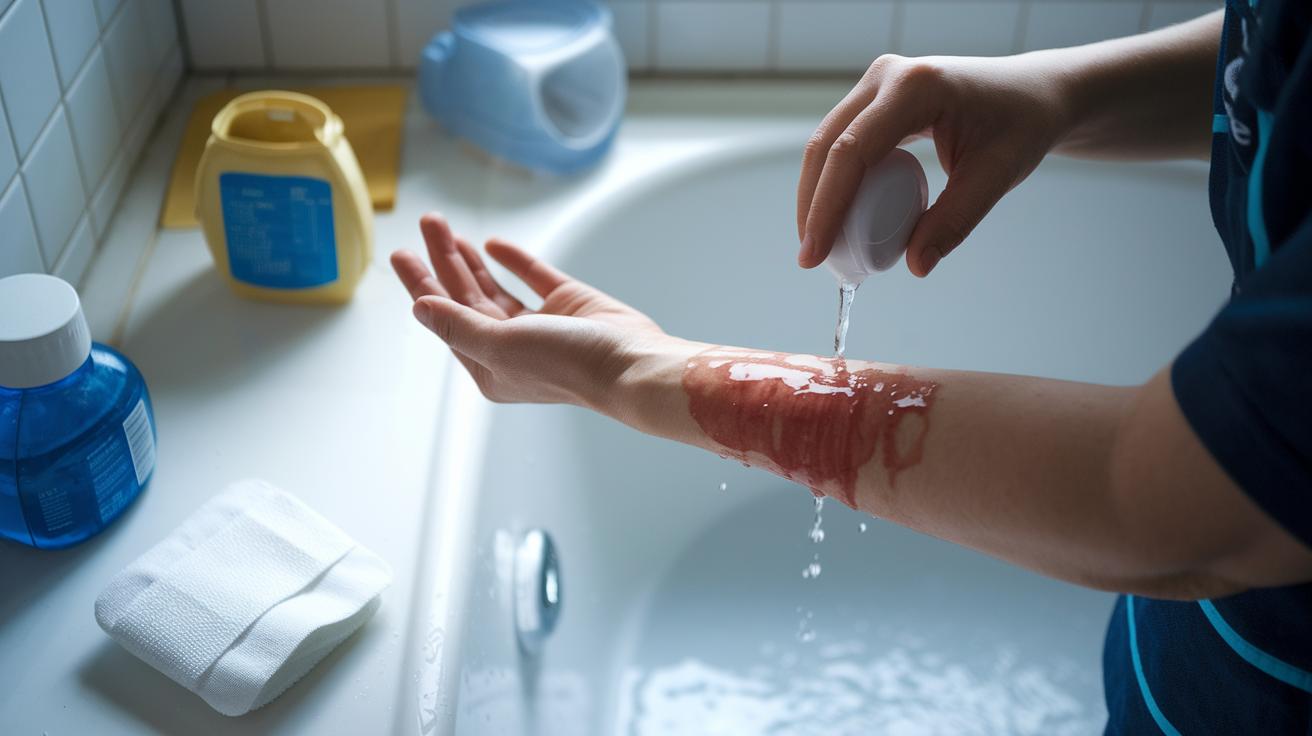
Let cool water run over the burn for 10–20 minutes. Use water that is cool, not ice-cold. Ice or very cold water can tighten blood vessels (reduce blood flow) and make the injury worse.
Step 3: Clean
Gently wash the burn with a little mild soap and water. Use a pat-dry method and don’t rub the area so you don’t irritate the skin further.
Step 4: Cover
Place a sterile, nonstick dressing over the burn. This helps protect it from infection and keeps it clean.
Step 5: Comfort
Give pain relief with over-the-counter options like ibuprofen or acetaminophen. Offer calm reassurance because it's normal to feel scared from a burn.
Also, avoid common myths about burns:
- Do not put butter, honey, mustard, toothpaste, or any greasy substance on a burn.
These items can trap heat and raise the risk of infection, slowing down healing.
Remember, if the burn covers a large area or the skin is broken, you should seek urgent medical help. Acting quickly and following these steps can help reduce pain and support proper healing.
Identifying Burn Types and Assessing Severity
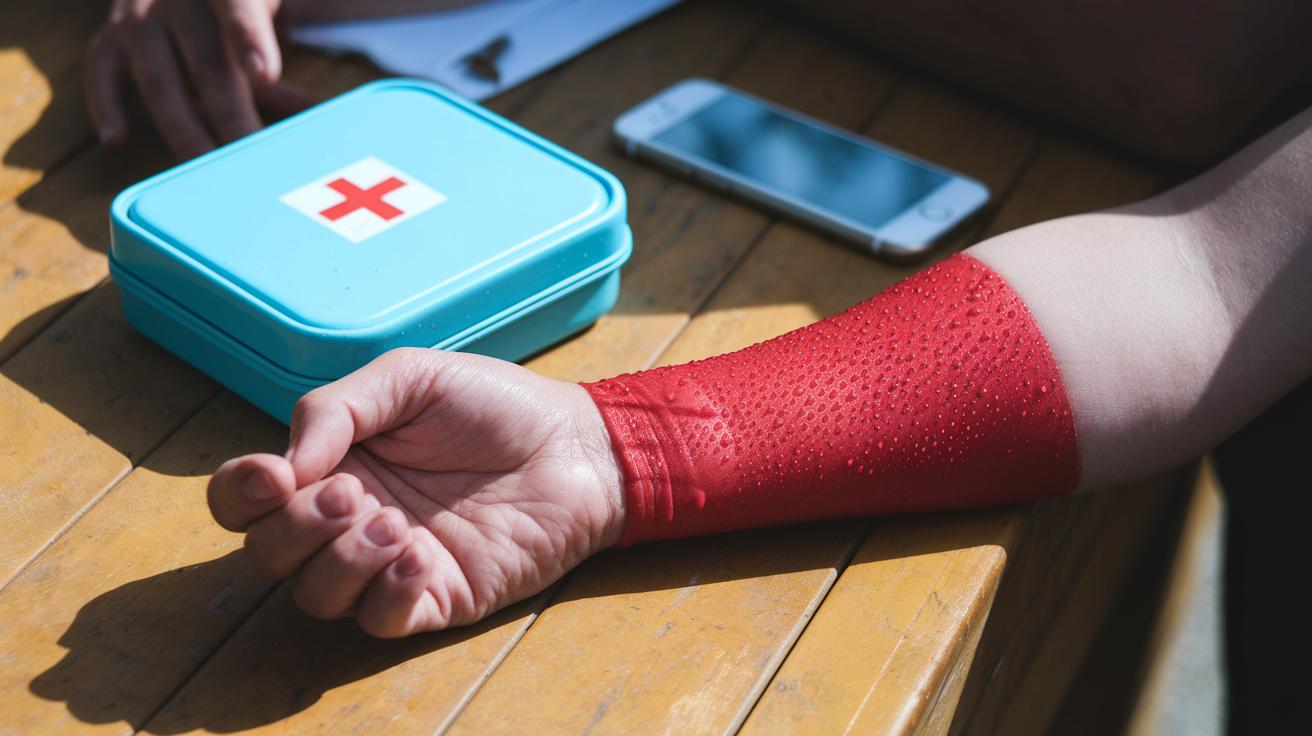
First-degree burns only hurt the very top layer of your skin. They make your skin red and painful, much like a sunburn, but they do not create blisters. You can usually treat these burns at home with simple first aid.
Second-degree burns go deeper into your skin. These burns often form blisters, give the skin a wet look, and cause more pain. The area may also swell, which can lead to a higher chance of infection. For these burns, it helps to clean the area gently and cover it with a clean dressing. If the burn covers a large area, it is best to see a doctor.
Third-degree burns affect all layers of your skin. They might appear white, charred, or tough like leather. In many cases, you might not feel pain right away because the nerves are damaged. This type of burn is very serious and needs immediate medical care.
To check how much of your body is burned, doctors use the rule of nines. This method splits the body into parts that each equal about 9% of your skin surface. It helps to quickly estimate the burn size.
If you notice burns that are very deep or cover a large area, do not treat them at home. Get help from a healthcare provider right away.
Safe Cooling Techniques for Burns
Quick take: Cooling a burn quickly with cool water can reduce injury and help healing.
If you notice a burn that is large or causes severe pain, blistering, or any signs of shock, call emergency services immediately. Otherwise, follow these steps:
• Rinse the burn with cool, running water for 10–20 minutes. This helps lower the burn’s depth and speeds healing.
• If running water isn’t available, use a clean cloth soaked in cool water as a compress.
• You can also gently apply a hydrogel dressing, which keeps the area moist and cool.
• Do not use ice or ice packs. They narrow blood vessels and reduce blood flow, which can worsen tissue damage.
Cleaning and Dressing Burn Wounds
Quick take: After cooling your burn, clean gently and cover it to protect healing.
If you have signs of infection like increased pain, swelling, pus, or fever, call emergency services now. If your burn is large or worsening, seek same-day medical care. Otherwise, follow these steps:
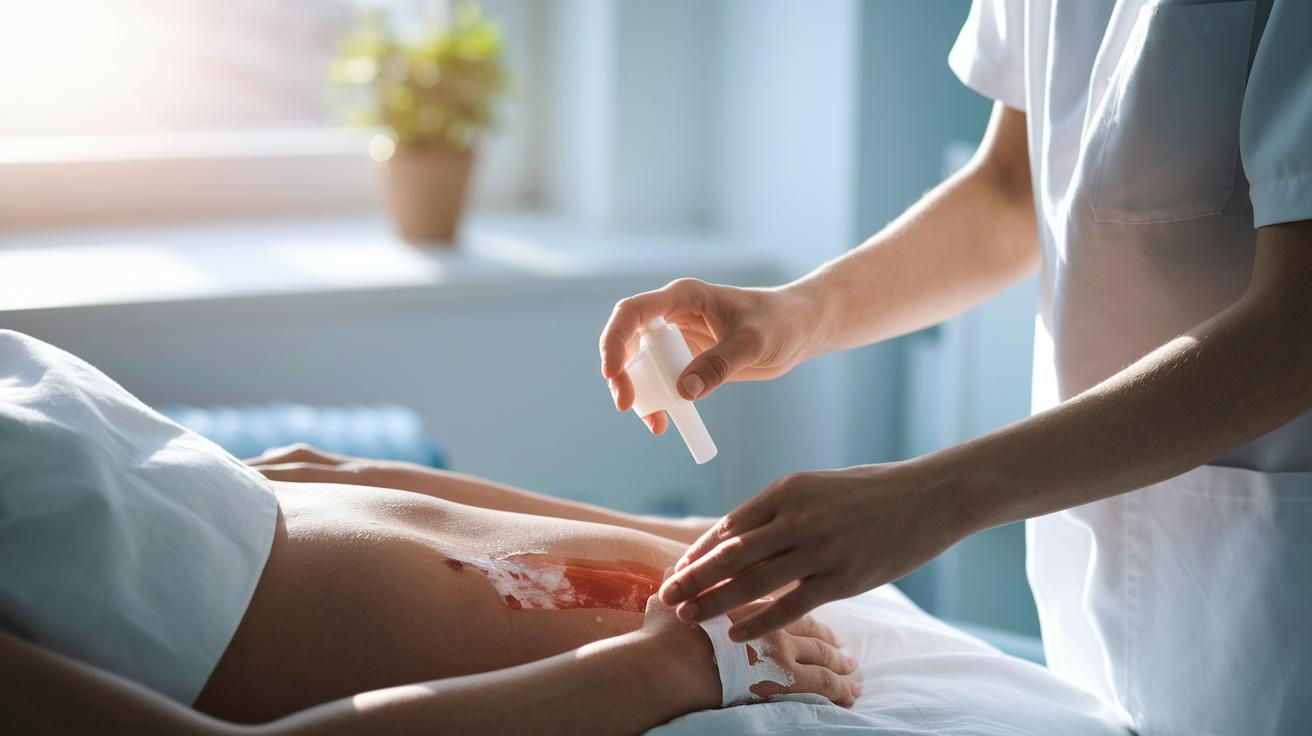
• Clean the burn slowly using mild soap and water or sterile saline (clean water with salt).
• Pat the area dry with a soft towel; avoid rubbing to prevent irritation.
• Cover the wound with a nonadhesive, sterile dressing that lets air in while protecting it. Secure the dressing loosely with a bandage.
• For blisters, leave small ones intact so they protect the skin. Drain larger blisters only if they cause severe pain or if a professional advises you, and do so under sterile conditions.
Remember: Follow the Quick First Aid Steps for Burns, then clean, dry, dress, and care for blisters according to these steps.
Managing Burn Pain and Preventing Infection
Quick take: For minor burns, gently clean, dress, and monitor for infection.
If you notice any of these signs, seek urgent care immediately:
- Increased redness or warmth
- Swelling or pus
- Worsening pain or fever
First, wash the burn thoroughly and pat the area dry. Then, cover it with a sterile, nonstick dressing to protect the skin. For pain, you can use over-the-counter options like ibuprofen or acetaminophen to reduce both pain and inflammation.
After cleaning, you may add a very thin layer of a topical pain reliever such as lidocaine gel or aloe vera. If you choose to use an antibiotic ointment like bacitracin, apply it only after the burn is completely dry.
Always wash your hands before and after changing the dressing. Keep an eye on the burn for any changes and write down your dressing times, pain levels, and any new symptoms. This daily log will help guide your follow-up care.
First Aid for Special Burns: Chemical, Electrical, and Scald Injuries
Quick take: Act fast by rinsing, cutting off power, and cooling the affected area.
Triage Box:
• Call emergency services now if you see signs of shock, uneven heartbeat, or severe pain.
• If the burn is deep, covers a large area, or you notice breathing problems, seek same-day medical care.
• For mild incidents, follow these self-care steps immediately.
For a chemical burn, quickly hold the injured area under cool water for at least 20 minutes. Remove any clothing soaked with the chemical if it isn’t stuck to your skin. Think of it as washing off a spill to lessen the burn.
With electrical burns, first make sure the power is off to stop further injury. Once it is, cool the burn with cool water like you would for other burns. Watch for unusual signs such as an odd heartbeat or other internal injury, and get help right away if these occur.
For scald injuries, especially in children, pour cool water over the burn without using ice. Gently cover the burn with a light dressing to protect it. Keep an eye out for signs of shock or increased pain, and note any changes in the burn’s color or feeling so you can update your doctor if things worsen.
Monitoring Burn Recovery and Recognizing Red Flags
Quick take: Minor burns may heal in about 3 weeks, but you must watch for changes that could signal a problem.
If you notice any of these signs, seek medical help right away:
- Escalating pain
- Spreading redness
- A bad or foul odor from the wound
- A fever (high body temperature)
- Large blisters
- Confusion or a fast heartbeat (signs of shock)
Most minor burns improve with proper care. Every day, check your burn for changes in pain, color, or skin texture. Write down the date, your pain level, and any new or worsening signs. This simple log helps guide your home care and gives useful details to any healthcare provider who checks on you later.
Don’t wait if your burn starts to look worse or if you think it might be infected. Start tracking your progress now and act quickly if you spot any red flags.
Final Words
In the action of quick burn care, we covered every important step: removing from the heat source, cooling, cleaning, dressing, and managing pain. We broke down how to spot different burn types and when to seek extra help. Clear actions help you steer clear of dangerous complications like worsening pain or infection. Follow first aid for burns steps to protect your skin and support healing. Stay focused, act fast, and know that taking the proper steps brings you closer to a safe recovery.