
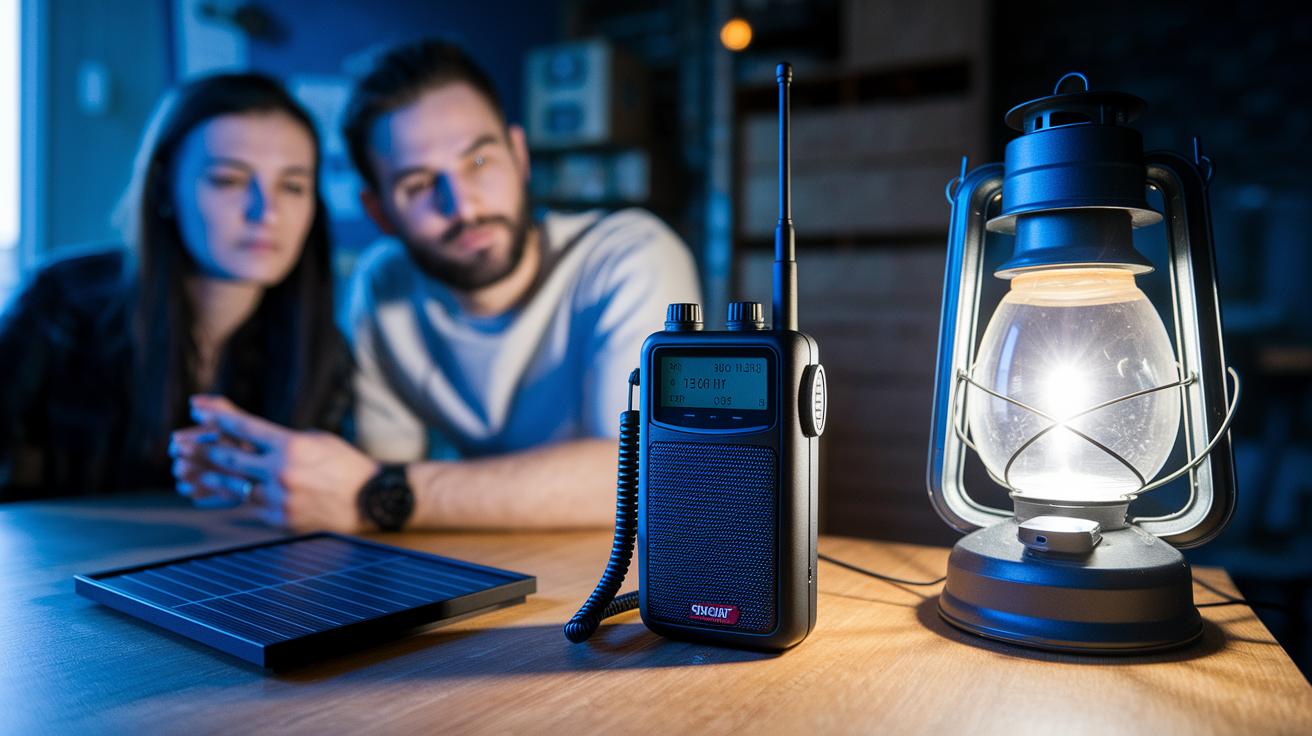

Quick take: An emergency radio keeps you updated and safe when the power is out.
When the lights go off, you may feel worried and unsure of what to do next. An emergency radio connects you to key weather alerts and news, no matter the situation. This guide covers important features such as different ways to charge the device, various battery sizes, and a light, compact build. Use these points to choose the right radio that helps you stay informed during a power outage.
Emergency Radio Buying Guide: Key Features to Look For
Quick take: In an emergency, you need a radio that keeps you updated and can power up using different methods.
When disasters hit, every second matters. You want a radio that picks up AM and FM channels, gives NOAA weather alerts with S.A.M.E. (a tool that delivers county-specific emergency messages), and tunes into shortwave as well as ham or aviation bands for a wider reach.
Your radio should also offer several charging choices when the power is out. Look for options like micro-USB, AC wall charging, solar panels, hand crank generators, and even AA battery inputs. Some models have a 2,600 mAh battery that runs for over 24 hours on standby and can boost your phone's charge by about 75 percent. Imagine being able to track power levels and performance over weeks!
Size matters too. Some units weigh as little as 3.8 oz and are perfect for backpacking, while others can be as heavy as 1 lb 6.4 oz. Choose one that fits your needs without compromising on durability.
| Feature | Details |
|---|---|
| Reception | AM/FM, NOAA with S.A.M.E., Shortwave, Ham/Aviation |
| Charging Options | Micro-USB, AC, Solar, Hand Crank, AA Batteries |
| Battery Capacity | 2,000–2,600 mAh |
| Weight Range | 3.8 oz to 1 lb 6.4 oz |
Match your budget with these key features to ensure you have a reliable preparedness tool when emergencies arise.
Charging & Power Options for Emergency Radio Reliability
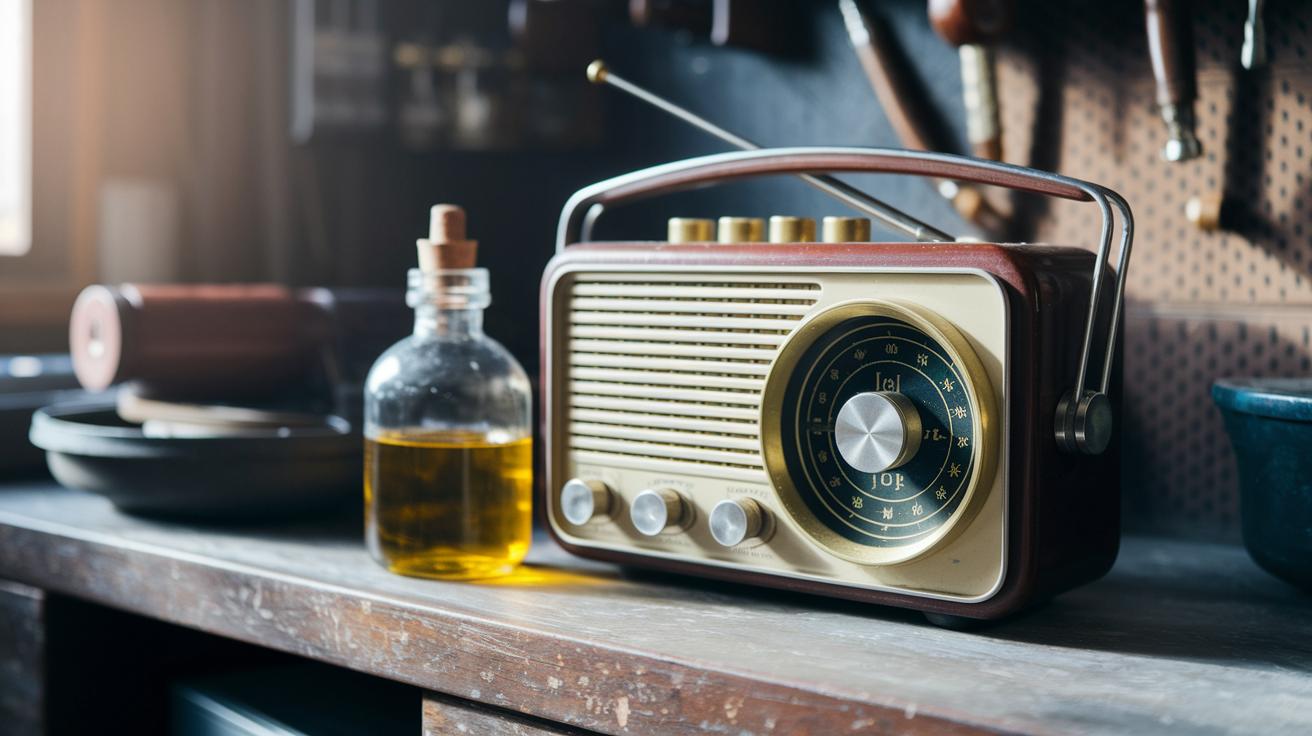
Hand crank models give you about 10 minutes of radio play for every minute you crank. They are built tough and can last a long time with proper care. A little oil and the occasional cleaning keep the crank mechanism running smooth. Regular upkeep can even extend the radio’s life by several years.
Solar-powered units charge quickly using micro-USB or AC inputs, especially when sunlight is strong. They work best in direct sunlight and need regular cleaning to remove dust and debris. A quick wipe helps keep them running reliably during long power outages.
Battery-operated systems typically run on AA batteries and can power your radio for about 12 hours continuously. High-capacity batteries around 2,600 mAh can offer over 24 hours of standby time. To ensure they work when you need them, test the batteries every 6 months and replace them as needed.
Some radios combine different charging methods so you can switch between solar, hand crank, and battery power depending on your needs, whether you’re indoors or outdoors. Checking connection points and power sources regularly will help keep your radio in top shape.
| Charging Option | Runtime/Recharge Details | Maintenance Tip |
|---|---|---|
| Hand Crank | 10 min runtime per minute of cranking | Clean and oil crank regularly |
| Solar-Powered | Fast recharge with micro-USB/AC inputs | Clean panels often to remove debris |
| Battery-Operated | ~12 hrs continuous use; 2,600 mAh provides 24+ hrs standby | Test and replace batteries biannually |
- Choose the power source that matches your environment.
- Check and maintain all parts regularly for lasting reliability.
Emergency Radio Reception Capabilities & Bands
An emergency radio is vital during a crisis. It informs you with basic functions like AM/FM and NOAA Weather Radio with S.A.M.E. (a feature that sends local and county alerts).
Technical Addendum: Advanced Tuning and Antenna Details
Some models include a telescoping antenna and let you choose between digital and analog tuning. A digital tuner locks onto exact frequencies even when interference is high. An analog tuner, on the other hand, gives you steady, familiar sound. For instance, if a severe storm hits, a digital tuner can quickly find a clear channel so you get timely weather alerts.
Radios that offer shortwave, ham, and aviation bands can extend your communication range. These extra bands become a key tool if widespread outages occur.
- Check that all receiver settings are correct.
- Test your radio in different spots to get the best signal.
Durability & Portability in Emergency Radio Design
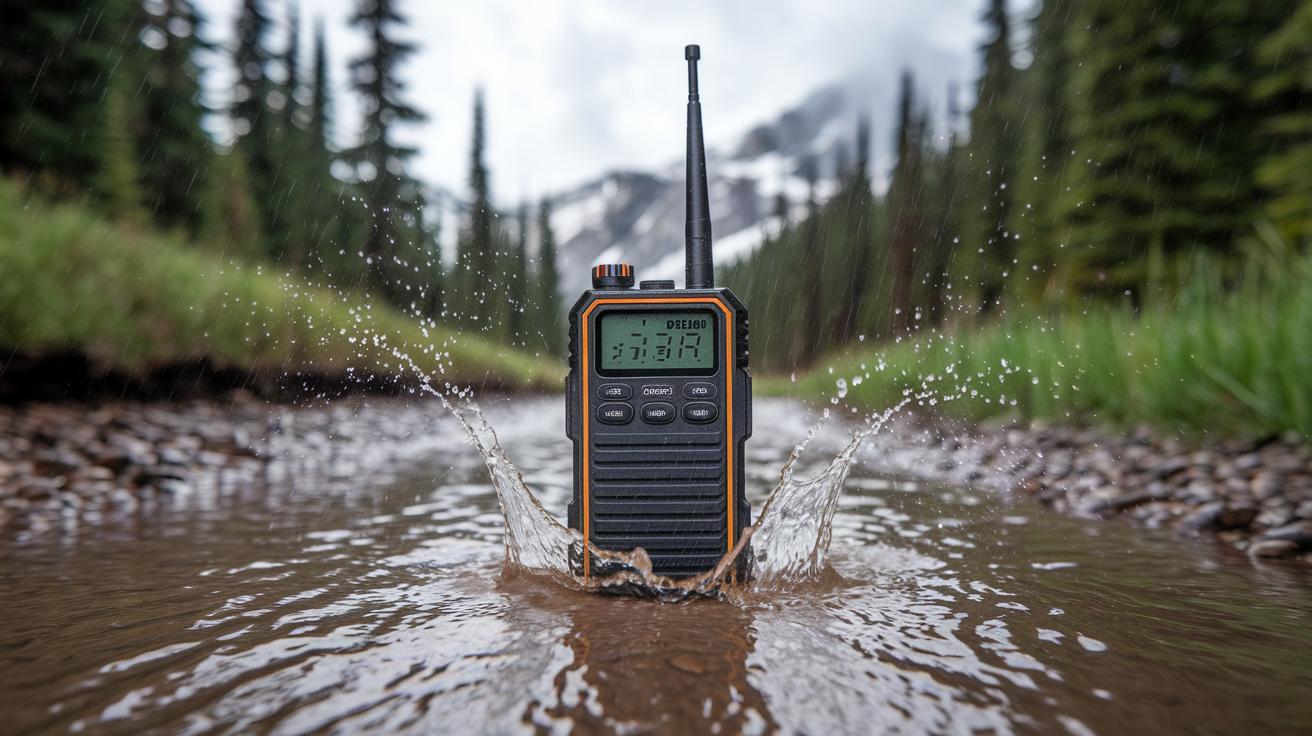
A strong emergency radio is built to handle rough conditions. It usually has a rubber coating and bumpers that protect the inner parts from drops and water. Many radios come with an IPX4 rating or higher. This means rain or splashes will not harm the electronics, which is key when you need a reliable radio during bad weather.
Lightweight models weigh about 3.8 oz, which is great for backpacking or long hikes. On the other hand, radios with extra features might weigh up to 1 lb 6 oz. These units balance toughness with easy portability so you can carry them without much hassle.
When choosing your radio, keep these tips in mind:
- Pick radios that have strong, weatherproof designs.
- Choose a radio that fits the demands of your environment.
- Decide if the extra weight for added features is worth it for your outdoor adventures.
Emergency Radio Price Tiers & Top-Rated Models of 2025
When the power goes out, you need a radio that fits your budget and offers the right features for safety. There are three groups to choose from.
For a lower-cost option (around $36 to $40), you get the basics. These radios offer AM/FM and NOAA weather alerts and run on AA batteries. They work well when your needs are simple.
In the mid-range ($50 to $60), models like the Kaito KA500 Voyager at $50 and the Midland ER210 E+READY at $55 add extra power options. They come with solar panels and hand crank generators. That extra flexibility can be very helpful during longer outages.
If you want more features and build strength, premium radios cost over $70. For example, the Midland ER310 E+READY at $70, the C.Crane Skywave 2 at $80, and the CCRadio Solar BT at $110 include features such as Bluetooth, shortwave reception, and more emergency signals. Reviews show these units are built tough and offer multiple power sources to keep you connected when it matters most.
| Model | Price | Bands | Battery Life | Weight | Emergency Features |
|---|---|---|---|---|---|
| Basic Unit A | $36–$40 | AM/FM/NOAA | 12 hrs (AA) | Lightweight | Basic Alerts |
| Kaito KA500 Voyager | $50 | AM/FM/NOAA | 12 hrs + Solar | Moderate | Solar/Crank |
| Midland ER210 E+READY | $55 | AM/FM/NOAA | 12 hrs + Crank | Moderate | Solar/Crank |
| Midland ER310 E+READY | $70 | Multiple Bands | 24+ hrs standby | Moderate | Enhanced Alerts |
| C.Crane Skywave 2 | $80 | AM/FM/Shortwave | 24+ hrs standby | Moderate | Weather Alerts |
| CCRadio Solar BT | $110 | AM/FM/Shortwave | 24+ hrs standby | Moderate | Bluetooth/Shortwave |
These comparisons help you choose a radio that best fits your emergency plan and needs.
Setup, Maintenance & Best Practices for Emergency Radios
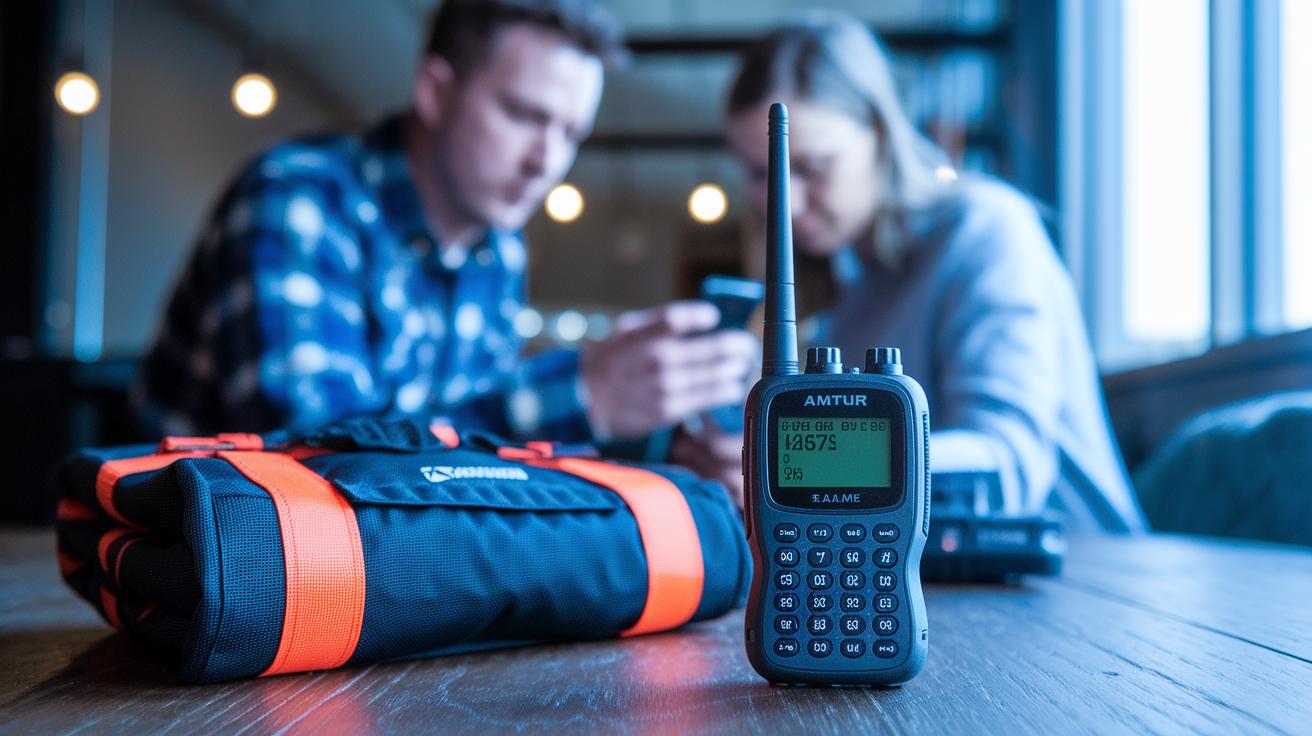
Quick take: Your radio must be ready when an outage hits.
If you notice any issues, fix them right away.
Here’s what to do to keep your radio in top shape:
- Program S.A.M.E. channels and test NOAA alerts every month.
- Replace AA batteries every 6 months and keep rechargeable batteries fully charged.
- Check antennas, oil crank gears, and clean contacts to stop rust.
- Store your radio in a cool, dry spot near your home safety kit.
When setting up your radio, try this simple test: set the S.A.M.E. code to test mode and listen for a local county message. This step shows that your radio can alert you in an emergency.
Regular checks and upkeep make sure your device works when you need it most.
Final Words
In the action, our guide walked you through key features of emergency radios. We covered power sources like hand cranks, solar panels, and battery backups, and explained how different bands and receiver types keep you connected. You learned about durability, portability, and price tiers to meet various budgets. The maintenance tips help ensure your device is always ready when you need it. Keep these insights in mind as you choose an emergency radio that matches your needs. Stay prepared and safe.
FAQ
What is the best radio for emergency and apocalypse situations?
The best emergency radio offers clear NOAA alerts, multiple power options, and a durable design. It is made to work during disasters and power outages, making it a smart choice for emergency preparedness.
What is a portable emergency radio?
A portable emergency radio is a lightweight device that offers AM/FM reception and weather alerts in a compact design. It’s easy to carry during evacuations and fits your emergency kit neatly.
What does military grade emergency radio mean?
Military grade emergency radio means the radio is built to high standards for toughness and reliability. It features a rugged design that withstands drops, water exposure, and harsh conditions.
Are there emergency radios made in the USA?
Emergency radios made in the USA are models produced domestically to meet US standards. They offer strong performance during crises and support local manufacturing reliability.
Is it possible to get a free emergency radio?
While free emergency radios sometimes appear as giveaways or promotions, most reliable models come at a cost. It’s best to compare trusted deals with reputable retailers for quality options.
What does Emergency radio Reddit discussions reveal?
Emergency radio discussions on Reddit reveal real user feedback on features, durability, and battery life. These shared experiences help you gauge how well different models perform in real-life situations.
What is an emergency radio with a hand crank?
An emergency radio with a hand crank includes a manual charging option. It lets you recharge the battery by cranking, which is vital during extended power outages when other sources aren’t available.
What is an emergency radio app?
An emergency radio app is a mobile application that delivers weather alerts and breaking news directly to your smartphone. It can supplement a physical radio by providing quick, accessible updates.
Do emergency radios really work?
Emergency radios really work when chosen and maintained properly. They reliably deliver emergency alerts and weather updates even during power outages, which is essential for timely safety information.
What is the 3-3-3 radio rule?
The 3-3-3 radio rule is a guideline for preparedness that encourages regular testing of your radio, maintaining three different power sources, and planning for at least three days of emergency supplies to ensure readiness.