
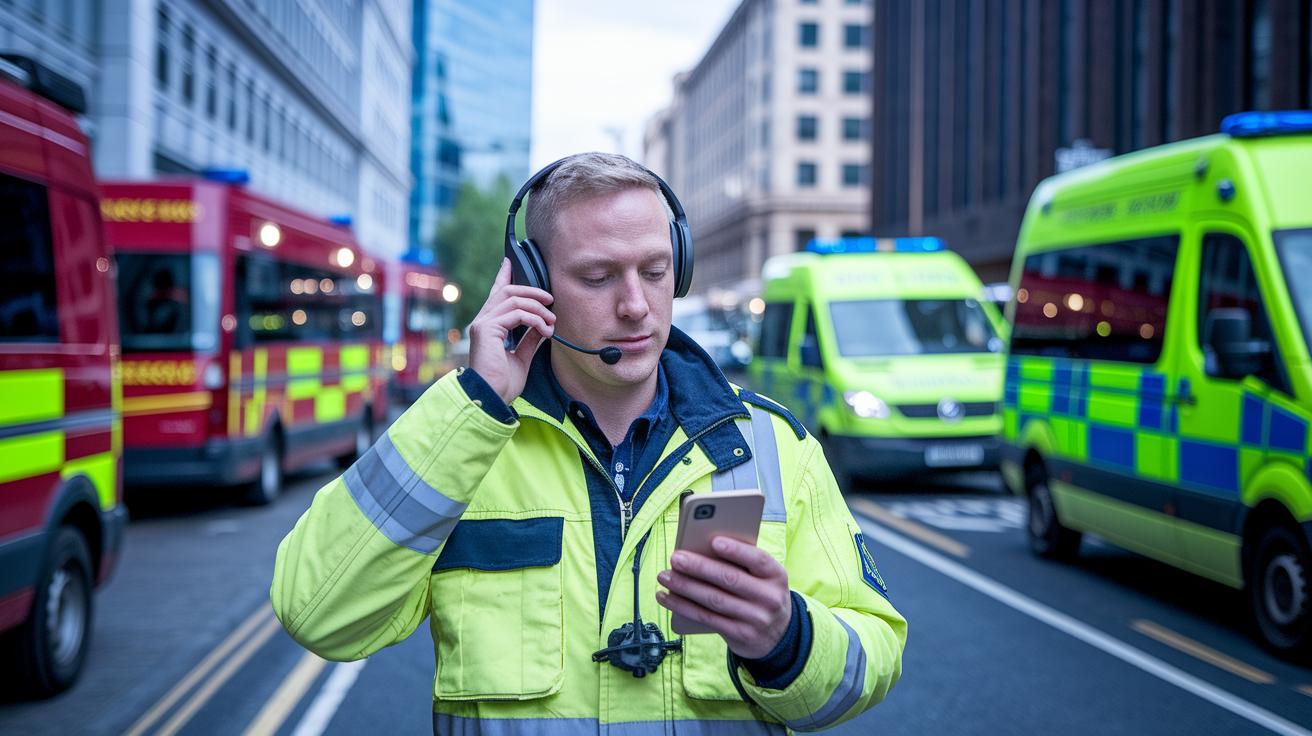

Quick Take: In an emergency, one phone call can save your life.
If you are in the UK and need help fast, dial 999 or 112. When you call, speak clearly, share your exact location, and explain your symptoms right away. These simple steps help get the right aid quickly.
This guide breaks the process into clear, easy instructions so you can act with confidence when every second matters. Read on to be ready for any emergency.
Essential UK Emergency Numbers and How to Dial
Quick take: In a UK emergency, dial 999 or 112 immediately for fast help.
If you see emergency signs such as severe injury, difficulty breathing, or life-threatening situations, call emergency services now.
When you call, your phone connects you to an operator. They ask which service you need, like the police, fire service, ambulance, or coastguard. The operator also asks for your location and details about what is happening. This process makes sure help gets to you quickly.
Both numbers work the same way. Whether you dial 999 or 112 from a mobile, payphone, or landline, you will be linked to the nearest available unit. For example, if you have a medical emergency, you can simply call 999, and you will be directed to urgent medical care.
Remember, keeping these numbers handy can save lives. A quick call in a crisis makes all the difference.
Step-by-Step Guide to Making an Emergency Call in the UK
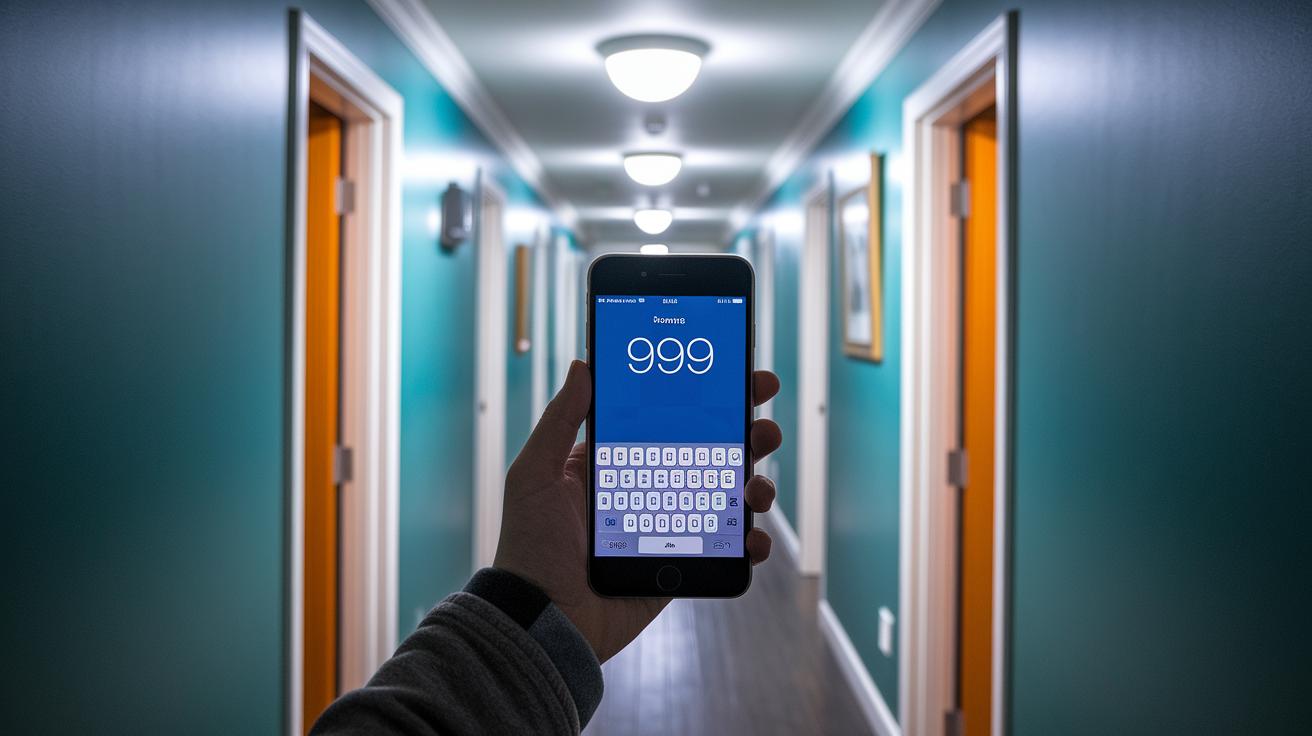
Quick take: In an emergency, call 999 or 112 right away.
If you see any serious danger, such as heavy bleeding or a fire, call emergency services immediately.
Step-by-step instructions:
- Pick up your phone and dial 999 or 112.
- Tell the operator exactly where you are. Use nearby landmarks or a UK Grid Reference if you're in a remote spot.
- Describe the situation in a few words. For example, say "Medical emergency with heavy bleeding" or "House on fire."
- Organize your information using the LIONEL guide:
- Location: where you are.
- Incident: what happened.
- Number of people: how many are injured.
- Exact details: any key facts.
- Nature: how severe the problem is.
- Exit points: safe ways out.
- List hazards: any dangers nearby.
- Listen to the operator’s questions and answer them calmly.
- If speaking is hard or your signal is weak, remember you can pre-register for sending text messages to 999. Texting uses less battery and works better in low-signal areas.
Speak slowly and clearly so the operator understands your situation. This clear and simple guide helps emergency services reach you fast and keep you safe.
Choosing the Right Emergency Service in the UK
Quick Take: In an emergency, knowing which service to call can save lives.
If you see any danger, call 999 or 112 right away. Speak clearly and follow the operator’s instructions.
Police
When you witness a crime, violent behavior, theft, or any suspicious activity that risks public safety, call the police. For example, if someone is acting aggressively in a public place, say, "There is a disturbance with possible criminal activity." The police work to protect you and keep the community safe.
Fire Service
If there is a fire, a gas leak, or any situation that might need a rescue, contact the fire service immediately. Describe what you see by saying something like, "House fire in progress" or "Possible gas leak at my address." Fast response from firefighters is critical to protect both lives and property.
Ambulance
For serious medical emergencies such as severe injuries, chest pain (tightness in the chest), or heavy bleeding, ask for an ambulance. For instance, say "Medical emergency with heavy bleeding" to ensure help arrives quickly. Ambulance crews are trained to give urgent care on the spot.
Coastguard
If you’re near water and face a boating accident or see someone drowning, call the coastguard. Saying phrases like "Boating accident" or "Person drowning near the pier" helps them act fast in maritime emergencies.
Remember to stay calm, speak clearly, and give simple, direct details about what is happening. This makes it easier for emergency services to help you quickly.
Text and Silent Options: SMS 999 in the UK

Quick take: If you cannot speak without risk or have a weak signal, text SMS 999 for help.
If any of these signs are present, call emergency services right away:
- You feel in immediate danger.
- You cannot speak safely.
- You have very low battery or poor network signal.
Sign up for SMS 999 using the GOV.UK website before you need help. Once registered, you can quickly text your precise location, describe what is happening, and include a callback number.
Text messages use less battery and work well even when signals are weak. This method is ideal if speaking puts you at risk or if you need to conserve battery power.
The same control rooms that answer 999 voice calls also manage these texts. They quickly gather your details and send the right help, whether it is from the police, fire service, ambulance, or coastguard.
Always include key details like nearby landmarks or your UK Grid Reference. Clear, direct information helps responders reach you fast and deliver confident aid.
Non-Emergency Contact Numbers in the UK
Quick Snapshot: Use these numbers for help when you are not in immediate danger.
Triage Box:
• If you have life-threatening signs (severe trouble breathing, chest pain, or shock), call 999 (emergency services) immediately.
• For urgent care that is not an immediate emergency, use the numbers below.
When you have a mild medical concern or question that is not life-threatening, call 111. NHS 111 is available around the clock to offer free advice on minor symptoms. An advisor will review your symptoms and may transfer you to 999 if your condition suddenly worsens.
For issues with the police that are not urgent, like reporting property damage or local concerns, dial 101. This line connects you with your local police team who can help with incidents that do not require emergency intervention. Using 101 also helps keep emergency lines free for those who need immediate help.
If you have problems such as power cuts, gas leaks, or issues with your electricity network, call 105. This line is set up to handle utility issues. When you call, tell the operator your exact location and describe the problem clearly so the right support team can be sent promptly.
Remember to use each number for its intended purpose. These hotlines connect you with the correct service based on the seriousness of your situation. Keep these numbers handy for quick and appropriate help when it matters most.
Providing Accurate Location and Details During UK Emergency Calls
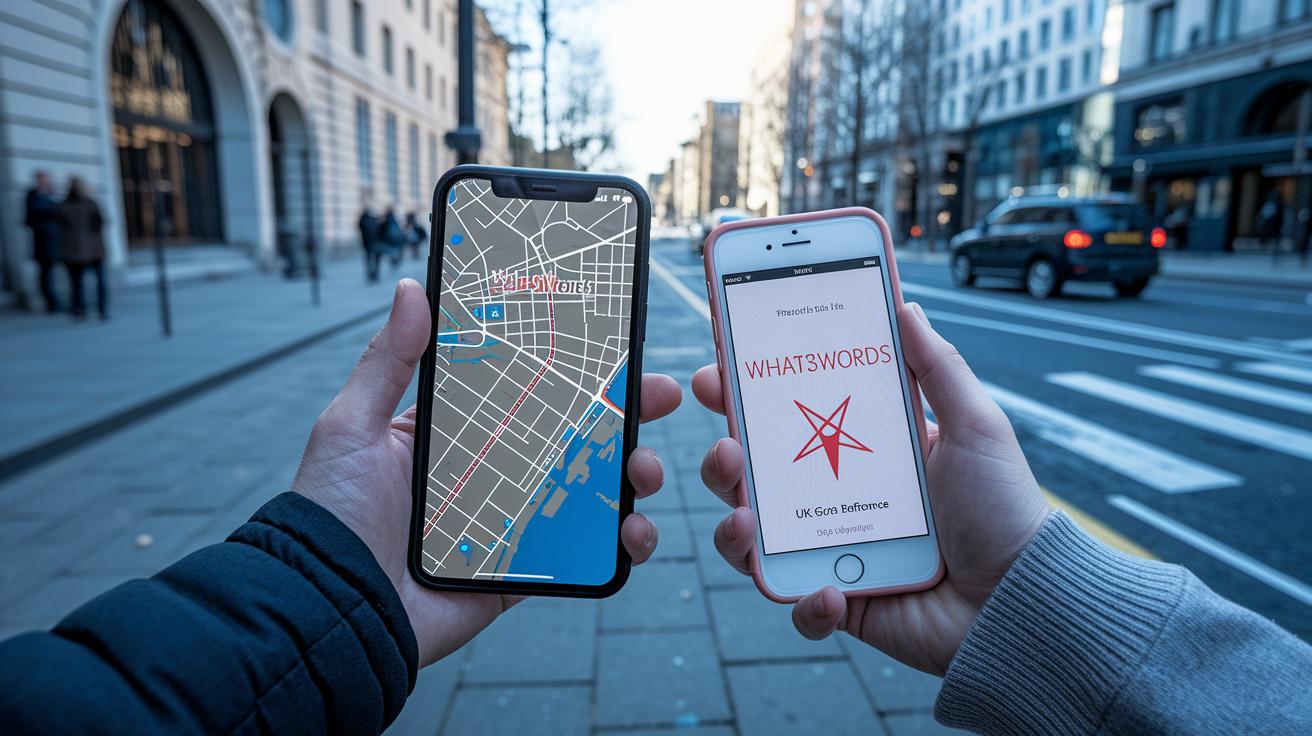
When you call 999 or 112, sharing your exact location can make a big difference. Use clear landmarks, street names, or our simple LIONEL framework (a way to organize your information) to help responders find you fast.
In places where landmarks are hard to spot, give a UK Grid Reference like TQ 300 800. You can also use a What3Words address, for example, say "What3Words: filled.count.soap", to pinpoint your spot even in rural or confusing areas.
Speak slowly and clearly, and be ready to repeat important details. Writing down your location info before an emergency can make things less stressful.
• Provide nearby landmarks or street names if they’re clear.
• Use a UK Grid Reference or What3Words address in remote or tricky spots.
• Speak slowly, clearly, and repeat key points as needed.
For step-by-step help with what to say, refer to the LIONEL framework in our main call guide.
What to Expect After Your Emergency Call in the UK
When you call, operators quickly write down your details and send the closest help available. They dispatch services like police, fire, ambulances, and coastguard 24 hours a day, based on what you describe.
Sometimes, you may get a call back with simple safety tips before help arrives. For example, they might tell you to steer clear of danger or to stay near your phone. Taking these clear instructions seriously helps keep you safe.
Often, responders are already on their way while you are still speaking with the operator. A clear call helps them understand the situation fast so they can choose the quickest response.
Key points:
- Operators send the nearest available unit.
- Emergency services work all day and all night.
- You might receive follow-up calls with safety advice.
Final Words
In the action, this article broke down the key UK emergency numbers and explained how to dial 999 and 112. It walked you through sharing your location and crucial incident details using the LIONEL method. We also covered text options for low-signal areas and pointed out non-emergency numbers for less critical situations. Each section focused on clear steps you can take to get help fast. Stay prepared, stay calm, and know that making an informed emergency call in uk can make all the difference.
FAQ
What is the emergency number for UK police?
The emergency number for UK police is 999. It connects you with police services for crimes, threats, or suspicious activities and should only be used in urgent situations.
What does the 112 emergency number mean in the UK?
The 112 emergency number works just like 999 in the UK. It routes your call to the same operators for quick access to urgent services.
Is it 999 or 911 in the UK?
In the UK you should dial 999. The number 911 is used in other countries and may not connect properly to UK emergency services.
What happens if you dial 911 in the UK?
Dialing 911 in the UK might connect you to emergency services, but response times could be delayed. For the fastest help, always use 999 or 112.
What is the ambulance or medical emergency number in the UK?
For ambulance and medical emergencies, you should call 999 or 112. These numbers provide immediate access to urgent medical care and help.
What are the emergency services available in the UK?
UK emergency services include police, fire, ambulance, and coastguard. Additional non-emergency lines like NHS 111 and 101 handle less urgent issues.
Why use 112 instead of 111 in the UK?
112 connects you directly to emergency services like police, fire, and ambulance, while NHS 111 gives advice for non-emergency medical issues.
What is the difference between 999 and 111 in the UK?
999 is meant for life-threatening emergencies, whereas 111 is for non-urgent medical advice and safe guidance on health concerns.
Is it 112 or 999 in the UK?
Both 112 and 999 are valid in a true emergency in the UK as they reach the same operator network and ensure a rapid response.