


Quick take: Belly button pain may be a small gas cramp, or a signal of something more serious like a hernia or infection.
If you have any of these emergency signs, call emergency services now:
- Severe, worsening pain
- Fever above 102°F
- Persistent vomiting
- Redness, swelling, or discharge at your belly button
Belly button pain can be unpredictable. At times it feels like a simple cramp from gas, but it can also point to a more serious issue. This guide shows you how to spot red flags early and act fast.
You’ll learn common causes of navel pain and clear, step-by-step actions to help you feel better quickly. Track your symptoms by noting when the pain started, how bad it is, and any other signs you notice. With this approach, you can manage your care safely and confidently.
If your symptoms worsen or new signs appear, please contact your trusted clinician right away.
Comprehensive Overview of Pain in Belly Button
Quick Take: Belly button pain can come from simple digestion issues, a hernia, or even an infection. Check for red flags and call for help if the pain is sharp or gets worse.
Triage Box:
• If you have very sharp pain, a high fever, or feel very sick, call emergency services now.
• If the pain worsens, or you notice vomiting or swelling, seek same-day care.
• If the pain is mild and comes and goes, try simple home care and monitor your symptoms.
Pain around your belly button can have several causes. It may come from common digestive problems like indigestion (trouble digesting food), bloating (swollen belly), or constipation (difficulty passing stool) and even chronic issues like irritable bowel syndrome (IBS). These problems usually cause mild to moderate discomfort that you can often manage at home. For example, gas buildup can cause a cramp near your navel that comes and goes.
Sometimes, a weak spot near your belly button lets tissue push through and cause an umbilical hernia. This pain usually gets worse when you cough or lift heavy objects. In some cases, if the pain continues or becomes severe, a doctor might suggest surgery to fix the problem.
Other causes of navel pain include infections or inflammation. Infections in the gut or urinary system may come with fever and cramping. More serious problems like appendicitis, gallstones, or pancreatitis can also cause belly button pain. In women, issues such as ovarian cysts or changes during pregnancy may be the reason behind your discomfort.
If your pain feels sharp, worsens, or comes with other worrisome signs, it’s important to get checked by a clinician.
Digestive and Functional Causes of Umbilical Pain
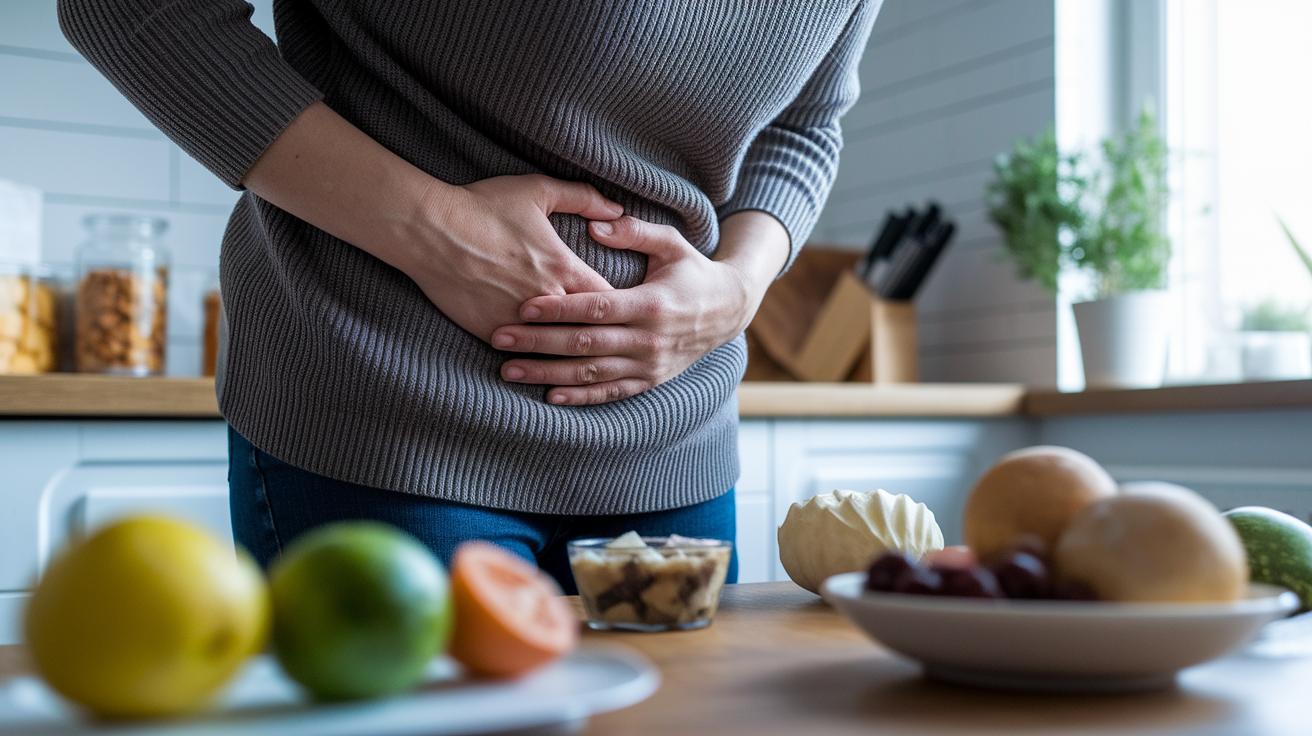
Quick take: Digestive issues can cause belly-button pain, so watch your symptoms and act if they worsen.
Triage Box:
• If you have severe, sudden pain, high fever, vomiting, or feel very weak, call emergency services now.
• If the pain becomes very intense or lasts more than 48 hours, seek same-day medical care.
• For mild symptoms, note what you feel and check in with your clinician if nothing improves.
Digestive problems can lead to pain around your navel. Gas can build up in your intestines, causing sharp cramps and a squeezing feeling. Overeating or rich foods may upset your stomach and push discomfort from the upper abdomen down to your belly button. Conditions like irritable bowel syndrome (IBS) and inflammatory bowel disease (IBD) come with chronic pain and bloating. Constipation can also cause a dull, lingering ache near the navel due to straining during bowel movements.
Here are eight common causes and how they work:
- Gas and bloating: Trapped air in the intestines raises pressure, leading to sharp cramps.
- Indigestion/upset stomach: Eating too much or rich foods can trigger a burning pain.
- Irritable bowel syndrome (IBS): This causes ongoing cramping along with irregular bowel habits.
- Inflammatory bowel disease (IBD): Constant inflammation leads to persistent pain and diarrhea.
- Constipation: Straining during bowel movements often results in a dull, continuous ache.
- Small intestine inflammation: Localized irritation can cause sharp, pinpoint cramps near the navel.
- Food intolerances: Some foods may trigger reactions that cause pain from time to time.
- Acid reflux reaching the navel: Stomach acid can irritate the area, creating a burning discomfort.
Hernias and Structural Issues Triggering Belly Button Pain
Quick Take: Belly button pain may be caused by an umbilical hernia.
Triage Box:
• If you have severe, constant pain, a red or very tender bulge, fever, or vomiting, call emergency services now.
• If the pain does not get better with rest, seek same-day medical care.
• Use home care by resting and avoiding heavy lifting if the pain is mild.
An umbilical hernia happens when tissue like a piece of your intestine or fat pushes out through a weak spot near your navel. This can cause a sharp or aching pain that worsens when you cough, lift, or even laugh. When you cough and the pain suddenly gets worse, it is a clear sign that the hernia is irritated. Pregnancy increases your risk because your growing belly puts extra pressure on your abdominal muscles. Heavy lifting can also strain your belly and trigger pain.
You might see a bulge near your belly button that becomes more obvious when you stand or strain. For example, if you feel a sharp pull while lifting groceries, this could be a sign of an umbilical hernia. Often, the pain comes and goes and may get better with rest and by avoiding heavy activities. However, if you experience constant pain or if the bulge becomes firm and tender, it might mean that the tissue is trapped (called incarceration). This situation can be more serious and may need surgery.
Doctors usually start with simple treatment like rest and avoiding triggers. But if your pain keeps coming back or gets worse, you should have your hernia checked. This might lead to surgery to return the tissue to its proper place and help relieve your pain.
Inflammatory and Infectious Conditions Causing Navel Ache

Quick take: Some gut infections and ulcers can cause pain near your belly button. Check for red flags and act fast if your pain gets worse.
If you have any of these emergency signs, call emergency services now:
- Severe, unrelenting pain
- High fever (102°F or higher) or fainting
- Intense burning when urinating with belly pain
Urgent steps:
- Contact your doctor if your pain continues for more than a few days
- Seek same-day care if your symptoms suddenly worsen
Self-care tips:
- Rest and stay hydrated
- Write down your symptoms, including when they started and how strong the pain is
Viral, bacterial, or parasite infections in your gut can cause sharp pain right at your belly button. This happens when your intestines become inflamed, leading to severe cramps, diarrhea, fever, and overall tiredness.
Peptic ulcers can also bring on this type of pain. They create a burning or aching feeling that may move toward your belly button. Taking antacids can sometimes ease the pain, but if it sticks around, it might mean the ulcer is getting worse because of too much stomach acid.
Pain from a urinary tract infection can spread to your midsection near the belly button as well. You might feel a burning sensation when you pee along with discomfort in your belly. These signs suggest that the infection might be affecting more than just your urinary system.
Other conditions, like diverticulitis and pelvic inflammatory disease, can also cause pain that reaches your navel. In diverticulitis, small pouches in your intestines become inflamed and tender. For women, pelvic inflammatory disease may cause lower belly pain, unusual discharge, or pain during sex. If you notice these symptoms, it’s important to contact your doctor quickly.
Red Flags and Emergency Causes of Belly Button Pain
This section is your quick guide to urgent warning signs. You can find more details on appendicitis, gallstones, pancreatitis, and ovarian emergencies in the sections above.
Call emergency services immediately (in the US, 911) if you experience:
- Severe, sharp pain near your belly button that grows worse or shifts (for example, appendicitis often starts with pain around the belly button that later moves to the lower right side)
- Pain that comes with fever, strong nausea, or constant vomiting (such symptoms after a fatty meal may mean you have gallstones)
- For women, sudden one-sided stabbing pain with vomiting or pain when moving (this could be a sign of a ruptured ovarian cyst)
Example: Some people notice a dull pain near their belly button that quickly becomes severe and moves. This sudden shift can signal a serious condition like appendicitis and needs immediate care.
Diagnosing Pain in Belly Button: Tests and Evaluations

Quick Take: Belly button pain can have a range of causes. Tests like imaging and lab work help your doctor decide the next steps.
If you have any of these emergency signs, call emergency services now:
- Severe or worsening pain
- Fever with shaking chills
- Repeated vomiting or confusion
Urgent: Get medical attention today if your pain suddenly increases or you see these warning signs.
Watch and Self-Manage: If your pain is mild, follow your doctor’s advice and track any changes.
Imaging Studies
Your doctor may start with pictures of your belly to help find the cause of your pain. An ultrasound is a common first test because it is fast, safe, and shows soft tissues clearly. It can spot issues like hernias, cysts, or gallstones.
If your doctor thinks you might have conditions such as appendicitis or pancreatitis, a CT scan is usually done next. This test gives detailed views that help pinpoint the problem. Sometimes an X-ray is also used to check for blockages or other changes in your bowels. These imaging tests guide your doctor in planning the best care for you.
Laboratory Tests
Lab tests are important for finding clues about your pain. A complete blood count (CBC) looks at white blood cells, which may rise if you have an infection. Your doctor may also check inflammatory markers like CRP (a protein that increases during inflammation).
A urinalysis helps determine if a urinary tract infection is adding to your discomfort. For women, a pregnancy test may be performed to rule out gynecologic issues. Along with a careful physical exam and a detailed checklist of your symptoms, these tests help your doctor decide if the problem is minor or something that needs faster treatment.
Self-Care and Over-the-Counter Relief for Navel Discomfort
Quick Take: Most belly button pain improves with simple home care, but if your pain gets worse or lasts longer than 48 hours, you need to see a doctor.
If you have any of these signs, seek medical help:
- Pain that worsens over time
- Pain that lasts more than 48 hours
Try these at-home steps to ease your discomfort:
- Use a warm compress on your midriff. It helps relax tight muscles and boosts blood flow.
- Take a dose of an OTC pain reliever like ibuprofen (a nonsteroidal anti-inflammatory drug) to reduce swelling and ease soreness.
- If you feel a burning pain from stomach acid, try taking an antacid.
- Eat light meals and choose low-FODMAP foods to reduce gas and bloating.
- Drink plenty of water. Staying hydrated helps your digestion work better and can ease cramps.
- Rest whenever possible. This gives your body time to heal and lessens the strain on your belly muscles.
- Enjoy a cup of herbal tea such as ginger or peppermint. It can soothe cramping and help calm your stomach.
Monitor your symptoms, and if they do not improve or worsen, contact your doctor for further advice.
Final Words
In the action, we explored how pain in belly button can stem from digestive problems, structural issues, infections, and emergencies. We noted signs you need to watch for and when to seek help.
You now have clear self-care tips, a guide for red flags, and a basic diagnostic roadmap. Keep tracking your symptoms and share details with your healthcare provider for tailored advice. Stay safe and keep a positive outlook.