
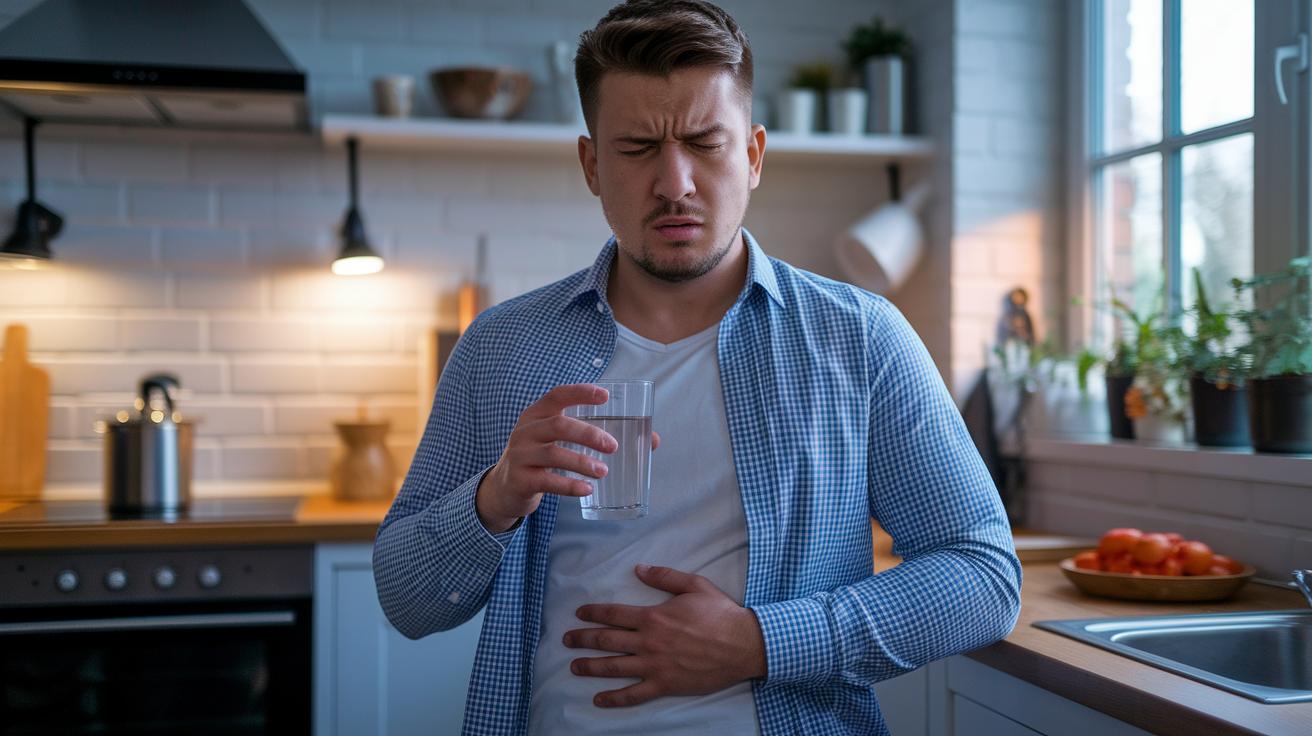

Ever wondered why a night of drinks can leave your belly aching the next morning? Your stomach pain after alcohol is your body’s way of signaling irritation in your stomach lining. It might start as a dull ache or a burning sensation but can become more serious if you ignore it. In this article, we explain what causes this discomfort and offer simple tips to soothe your stomach quickly. Stay with us to learn how to care for your belly after a night out.
Understanding Belly Pain after Drinking Alcohol
Quick Take: Belly pain after drinking may be a sign of stomach irritation from alcohol.
Triage:
• If you experience severe pain, bloody vomit, or black/tarry stools, call emergency services now.
• If the pain worsens or is accompanied by persistent vomiting or fever, seek same-day medical care.
• If the pain is mild, monitor your symptoms and consider reducing alcohol intake.
When you drink alcohol, it can irritate your stomach. You might feel a dull ache, a burning sensation, or cramping. This discomfort happens because alcohol disrupts your stomach’s natural acid and can lead to bloating and indigestion.
As alcohol travels from your mouth through your esophagus to your stomach, it is absorbed slowly. This slow absorption can upset the normal acid balance, making you feel achy or bloated. Plus, your body turns alcohol into a toxin called acetaldehyde (a substance that can inflame the stomach lining), which adds to your discomfort.
Even a mild ache can be an early sign of irritation. That small pain might turn into more serious damage if you keep drinking. Recognizing these early signs can help you act now to prevent further harm and know when to get help if your symptoms get worse.
Common Causes of Belly Pain after Drinking Alcohol
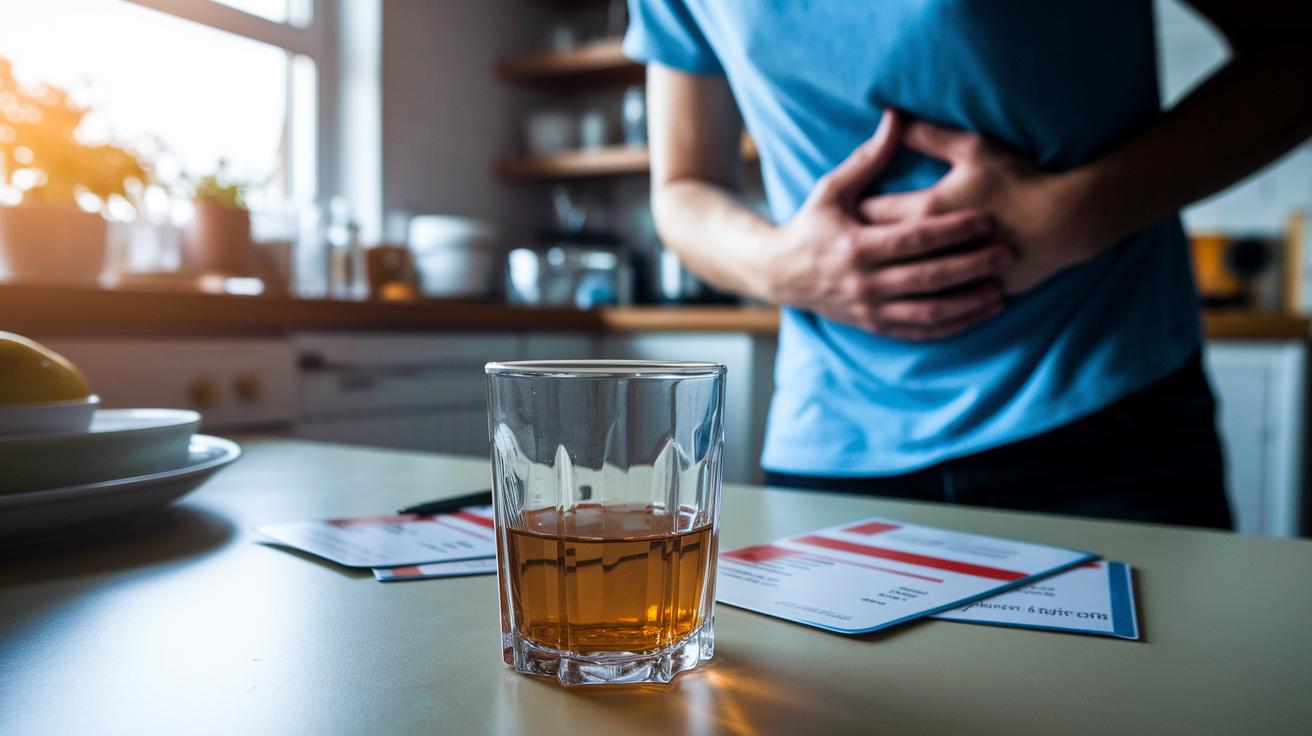
Quick take: Drinking too much alcohol can irritate your stomach, leading to belly pain and other issues.
Triage Box:
• If you experience very sharp or worsening pain, call emergency services now.
• If you have blood in your vomit or black, tarry stools, seek emergency care.
• If the pain is moderate or comes with persistent nausea, contact your clinician as soon as possible.
• For mild pain, monitor your symptoms and follow up if they worsen.
Common causes include:
- Acute Gastritis: Heavy drinking can suddenly inflame your stomach lining. This often leads to sharp pain and nausea that may grow worse if you continue to drink.
- Chronic Gastritis: Regular alcohol use can slowly damage your stomach lining. You might feel a constant burning pain or discomfort over time.
- Peptic Ulcers: Alcohol can wear away your stomach’s protective layer, allowing sores to form. These painful ulcers can bleed.
- Acid Reflux (GERD): Alcohol may relax the muscle between your stomach and esophagus. This lets acid back up, causing a burning feeling in the upper tummy.
- Esophageal Varices: Long-term heavy drinking, especially when liver damage is involved, can cause enlarged and fragile veins in your esophagus. These veins are at risk of bleeding.
- Pancreatic Irritation (early pancreatitis): Alcohol can inflame your pancreas. This may result in a deep, dull pain in your belly, signaling early pancreatic distress.
Continuing to drink can worsen these conditions, leading to more inflammation and deeper damage in your digestive tract over time. Recognizing these symptoms early is an important step toward reducing long-term harm.
Recognizing Severe Symptoms and Red Flags of Belly Pain after Drinking Alcohol
Quick take: Belly pain after drinking can signal a serious problem.
If you have any of these emergency signs, call emergency services now:
- Severe upper belly pain.
- Vomiting blood or dark, tarry stools (signs of internal bleeding).
- Nonstop vomiting.
- Yellowing of the skin or eyes (liver distress).
- High fever (over 100°F).
- A fast heartbeat (over 100 beats per minute) or feeling dizzy.
These signs show that your body is under stress and that organs like your pancreas, liver, or stomach might be injured. Immediate care is needed to check for serious issues like pancreatitis, bleeding ulcers, or infections. Remember, if your dashboard lights up, don't ignore these warnings, act immediately.
Home Remedies for Belly Pain after Drinking Alcohol

Quick take: You can ease stomach pain after drinking with simple home remedies, but if your pain worsens or you notice dangerous signs, seek help immediately.
Triage Box:
- Call emergency services now if you experience severe pain, vomiting blood, or signs of dehydration.
- Seek same-day medical care if you feel faint, have chest pain, or can’t keep fluids down.
- For mild symptoms, follow the steps below to care for your stomach at home.
First, stop drinking alcohol. Let your stomach rest and begin by drinking plenty of water or an electrolyte solution to flush out irritants and stay hydrated. Stick to bland foods like rice, bananas, or toast, which are gentle on your belly.
For quicker relief, consider using an over-the-counter antacid to reduce stomach acid. You might also try an H2 blocker (a type of medication that reduces acid) if needed. Sipping warm ginger tea can help ease nausea and support digestion.
A warm compress applied to your abdomen may relax your muscles and lessen pain. Give your body the rest it needs, and if you feel up to it, try gentle movement to keep your body from becoming too stiff.
Keep a simple log of your symptoms along with the foods and drinks you consume. This record can help spot any patterns that might make your stomach upset worse. Until your belly feels better, avoid spicy foods and acidic drinks.
If your symptoms continue or get worse, it’s important to get advice from a healthcare professional.
Medical Treatments for Belly Pain after Drinking Alcohol
Quick take: Belly pain after drinking may be a sign of stomach irritation that needs proper care.
Triage Box:
• If you have sudden, severe pain or see blood in your vomit or stool, call emergency services now.
• If you experience confusion, seizures, or severe withdrawal symptoms, seek immediate help.
• Otherwise, monitor your symptoms and follow your doctor's advice.
When you feel belly pain after drinking, your doctor may suggest medicines that help calm stomach inflammation. They might prescribe drugs like proton-pump inhibitors (PPIs, which lower stomach acid) or H2 receptor blockers (which block signals that boost acid production) to ease your discomfort.
Sometimes, your clinician may recommend an endoscopic exam. This test uses a small camera (endoscopy) to check for ulcers or bleeding in the upper part of your digestive tract. This careful check can help prevent further damage from alcohol use.
If you have strong withdrawal symptoms, medically supervised detox is very important. In this safe, controlled setting, you get 24/7 care to manage withdrawal risks like seizures or confusion (delirium tremens). Your care team will also work with stomach specialists (gastroenterologists) to handle both your current pain and any long-term gut problems.
They might order extra tests or adjust your treatment plan to support your recovery and help prevent future episodes of alcohol-related belly pain. This plan focuses on reducing discomfort and working toward lasting gut healing.
Preventing Belly Pain after Drinking Alcohol and Supporting Gut Health
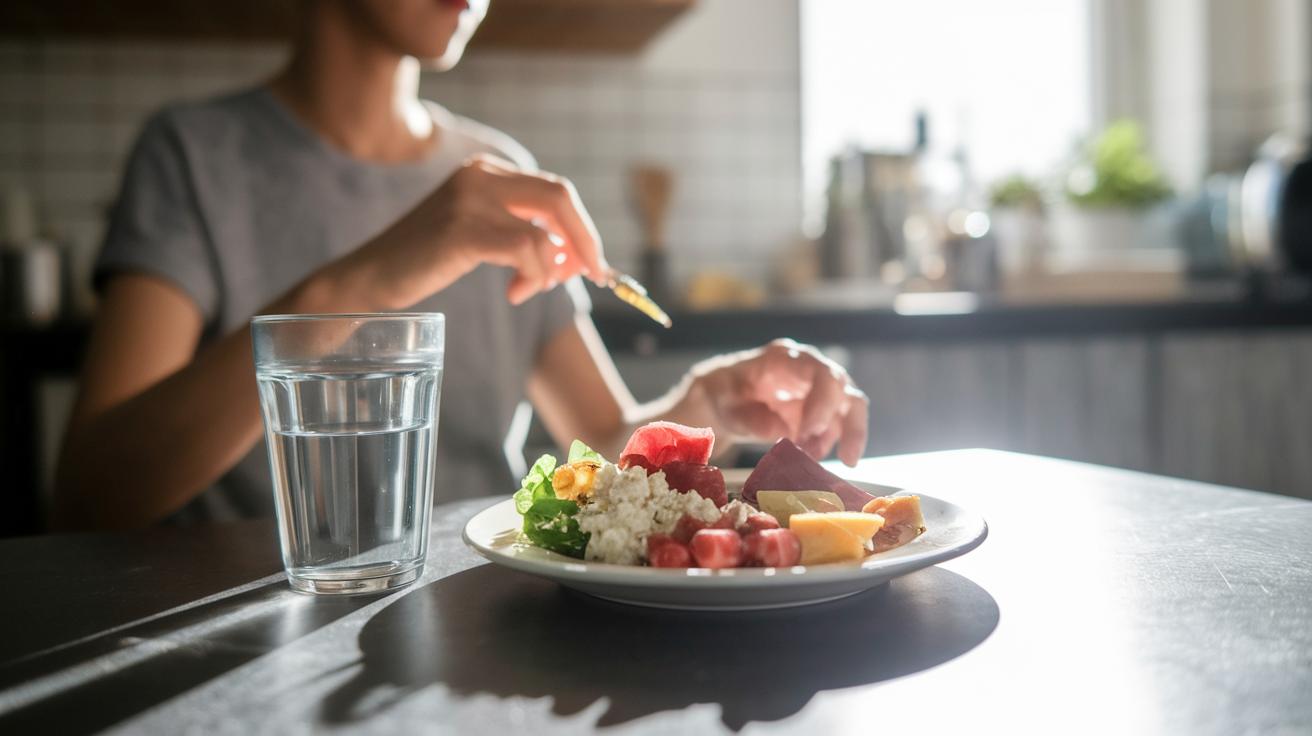
Quick Take: Eat before you drink, keep hydrated, and note any patterns in pain.
Triage Box:
• If you have severe or worsening belly pain, persistent vomiting, or feel very dizzy, get urgent medical help.
• For mild discomfort, follow these self-care tips.
When you plan to drink, have a balanced meal first. Eating a small snack helps slow down alcohol absorption and lowers irritation in your gut. This simple step can protect your stomach lining and ease discomfort.
It is vital to drink plenty of water during and after drinking alcohol. Water helps flush out irritants and supports gut health. You can also add fruits, vegetables, and whole grains (fiber-rich foods) to your diet, and try yogurt or kefir (probiotic foods) to boost your gut's good bacteria.
For long-term peace of mind, keep a simple log of when you drink and any belly pain you experience. Noting details like drink times and pain levels (mild, moderate, or severe) can help you see if changes are needed. Share these notes with your healthcare provider so they can help adjust your care plan if needed.
Stay safe and listen to your body.
Final Words
In the action, we reviewed causes and red flags for belly pain after drinking alcohol, how alcohol affects your gut, and simple home remedies to ease discomfort. We also outlined when to get medical help and strategies to prevent future issues. This article gives clear, step-by-step guidance on tracking your symptoms and recognizing urgent signs. Stay aware, track changes, and act safely if your pain worsens. Keeping a close watch on belly pain after drinking alcohol can help you find relief and support your overall gut health.
FAQ
What is alcoholic gastritis?
Alcoholic gastritis means your stomach lining is inflamed from alcohol use. It can cause pain, nausea, and indigestion. Reducing alcohol and consulting a healthcare provider may help manage symptoms.
How can I relieve stomach pain after drinking alcohol using home remedies?
Relieving alcohol-related stomach pain at home involves hydrating, eating bland foods, sipping ginger tea, and using over-the-counter antacids. Rest is also key to help your stomach recover.
Why does drinking on an empty stomach cause stomach pain?
Drinking on an empty stomach leads to more irritants in your stomach, causing increased acid production and discomfort. Eating a light meal before drinking can reduce this risk.
What might be causing lower abdominal pain after drinking alcohol?
Lower abdominal pain after drinking can indicate irritation in your digestive tract, such as gastritis or indigestion. It’s best to monitor symptoms and seek care if the pain worsens.
Why do I experience upper stomach pain immediately after drinking alcohol?
Immediate upper stomach pain happens when alcohol quickly irritates the stomach lining. Taking a break from alcohol and hydrating may ease the pain, but persistent discomfort should be evaluated by a doctor.
What causes stomach pain the day after drinking alcohol?
Next-day stomach pain often results from ongoing irritation and the buildup of toxins from alcohol metabolism. Hydration, rest, and bland foods can help, but consult a provider if pain persists.
Why do I get period-like cramps after drinking alcohol?
Period-like cramps after drinking may be due to alcohol irritating your digestive and hormonal systems. Reducing alcohol intake and using a mild pain reliever might ease the cramps, but seek advice if they continue.
Why is my stomach suddenly so sensitive to alcohol?
A sudden increase in stomach sensitivity to alcohol can be due to an irritated or weakened lining from past heavy use or other factors. Monitoring your symptoms and reducing alcohol may help, and consulting a clinician can provide further insight.