


Quick Take: Emergency alerts deliver life-saving messages fast using texts, radio, and online updates.
When a crisis hits, emergency alert systems work hard to reach you quickly, even when other services may be down. They use texts, radio broadcasts, and streaming updates to spread the word to thousands of people at once. These systems follow strict government rules, which means the messages are clear, reliable, and designed to help you act safely. In this post, we explain how a thoughtful blend of modern technology and smart planning ensures you get the alert you need when every second counts.
How Emergency Alert Systems Operate: Core Features & Government Protocols
These systems quickly send trusted crisis alerts using many tools. They use SMS, cell broadcast (text messages sent directly to your phone), social media, radio, TV, mobile apps, and specialized loudspeakers. Geo-location (tracking your position) and geo-fencing help push warnings only to people in risky areas so that both local residents and visitors receive alerts automatically. This mix of methods makes sure messages get through even when some networks fail during storms or disasters.
They also work with many mobile carriers to deliver messages fast during large emergencies. Technologies like TCP/IP, Satellite, WiFi, GPRS/GSM, Fiber, and radio voice notifications meet strict standards. A cloud-based dashboard lets emergency managers track and send updates quickly if usual systems go down. This setup follows government rules closely to ensure every alert is on time, real, and secure.
By using different ways to send alerts and targeting messages to the right areas, these systems protect against communication breakdowns during crises. Government protocols and technical safeguards work together to keep public safety notifications steady. This design shows how emergency alert systems work and underlines a strong commitment to a unified, secure response when it matters most. Community leaders and first responders rely on this flexible and dependable platform that meets national safety guidelines.
Key Components of Emergency Alert System Technology

Emergency alert systems send out crisis messages quickly using different methods. They are designed to work fast and accurately during emergencies.
Here are the main channels used:
- SMS text messages (simple texts sent to your phone)
- Cell broadcast (alerts sent through cell towers)
- Social media alerts (warnings on platforms like Facebook or Twitter)
- Radio broadcasts (messages over the radio)
- TV safety notices (urgent alerts on TV)
- Mobile app push notifications (instant alerts on apps)
- LRAD public safety speaker arrays (loud speakers in public areas)
These methods work together using multi-carrier protocols and meet strict EECC standards for reliability. Geo-location and geo-fencing tools make sure alerts reach the right areas.
Integrating TV and Mobile Alerts in Emergency Alert Systems
Quick take: Emergency systems use both TV and mobile alerts to keep you informed fast.
These systems mix clear TV messages with phone alerts to warn you during a crisis. TVs show digital safety notices that reach millions of homes where you trust them for news. Mobile phones on Android and iOS get Wireless Emergency Alerts (short, direct messages) so you see urgent info no matter where you are. Smartphone apps add even more help by offering real-time updates and map views with steps you can follow.
| Platform | Alert Method | Typical Reach | Use Case |
|---|---|---|---|
| TV Broadcast | Digital Safety Notices | Millions of TVs | Severe weather, AMBER Alerts |
| SMS/CBC | Cellular Broadcasts | All mobile devices | Public evacuation orders |
| Mobile App | Push Notifications | Subscribers | Real-time updates and instructions |
By blending messages from TV and mobile alerts, these systems work quickly and reach many people. Whether you are at home or on the move, you get clear, simple instructions during emergencies like severe weather or evacuations.
Ensuring Security and Compliance in Emergency Alert Systems
Quick take: Strong security makes sure emergency alerts reach you fast and safely.
When you rely on an emergency alert system, every message must be sent quickly and with full trust. In Cambria and Somerset counties, a cyber attack on the old CodeRED system pushed them to upgrade. Now, stricter rules help keep alerts secure.
Emergency alert systems follow FEMA guidelines. FEMA’s IPAWS-OPEN platform (a system to send safe phone alerts) sets the rules and confirms that messages are genuine.
Regular tests happen so you can be sure the system works when it matters most. Nationwide drills show that alerts are delivered reliably during real emergencies.
Best practices include:
- Encrypt each message (scramble it so hackers cannot read it).
- Use multi-factor access (a security check that needs different proofs of identity).
- Test the system often for readiness.
- Run regular security audits to find weak spots.
- Follow FEMA guidelines.
These steps keep the system safe even if one part is attacked. A strong, secure alert system builds public trust by making sure vital warnings reach you without delay.
Advanced Features: Geo-Fencing and Targeted Real-Time Alerts
Modern emergency alert systems use smart features to send warnings out fast and clear. One key tool is geo-fencing (using exact map coordinates). With geo-fencing, alerts go only to devices in a defined danger zone. This means only residents at risk get messages like flood warnings, wildfire borders, or chemical leak updates. By keeping the alert group small, the system avoids spamming people and focuses on community safety where it matters.
Real-time disaster alerts update quickly as the situation changes. These alerts combine geo-fencing with fast, ongoing updates to cut down on needless notifications. When a crisis grows, the system sends messages immediately so you can act on them right away. This targeted approach helps you make quick decisions and boosts overall safety during emergencies.
Deployment Scenarios and Best Practices for Emergency Alert Systems
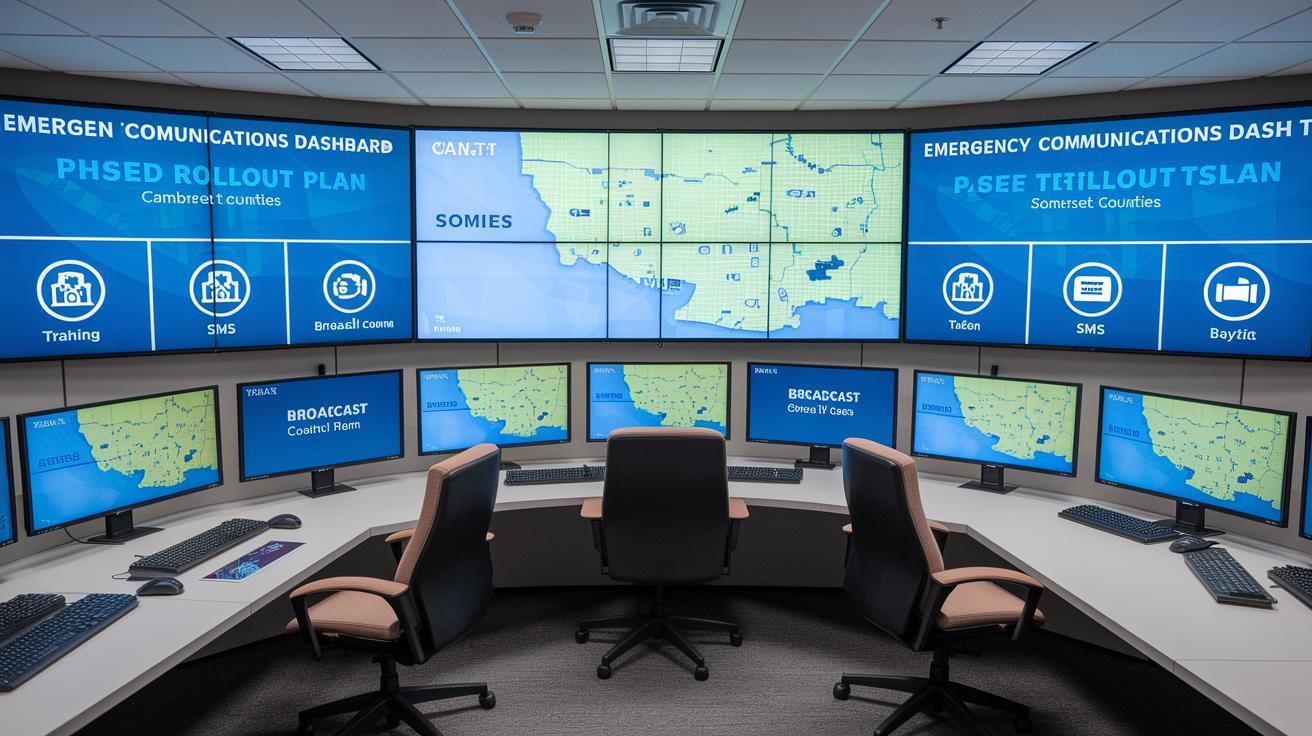
Emergency alert systems keep communities safe during crises by quickly sending vital messages. In real-world cases, agencies have replaced old systems after breaches. For example, Cambria and Somerset counties switched away from CodeRED after a cyber attack. The new methods call for a step-by-step rollout, complete training for all staff, and backup plans ready to use when needed.
Key steps include:
- Rolling out the system in phases.
- Training all key players, such as emergency managers and broadcasters.
- Setting up backup channels like SMS and cellular broadcasts.
- Running regular drills, system checks, and tests to make sure everything works well.
This clear, layered approach helps build trust and ensures everyone is ready when a crisis hits.
Cambria & Somerset County Case Study
After a serious cyber attack compromised their CodeRED system, Cambria and Somerset counties needed a safer option fast. They picked a new platform that meets strict security standards. They used a phased rollout to introduce the new system, focused on:
- Encrypting communications to protect data.
- Creating clear backup plans in case the first alert doesn’t go through.
- Quickly training staff and running tests within weeks.
- Working closely with telecom carriers to combine SMS, cell broadcast, and other alert tools.
These steps helped restore public trust and kept the system ready for any emergency.
Genasys National Multichannel Deployment
Genasys has built a multichannel emergency alert system that sends messages through many ways: SMS, cell broadcast, TV alerts, and social media. This system meets important technical standards and gets messages out fast when disasters strike. It also uses geo-targeting (location-based alerts) to reach the right areas quickly.
The deployment strategy includes:
- Regular coordinated drills and system checks with telecom carriers and broadcasters.
- Hands-on training for everyone involved, so all know the latest procedures.
- Advanced geo-location and multi-carrier techniques to focus alerts accurately.
This strong and coordinated approach means that when a crisis occurs, alerts are timely and clear, helping protect communities with every message.
Final Words
In the action, we saw how an emergency alert system uses clear channels, from SMS and TV broadcasts to mobile app notifications, to keep communities safe. This guide covered key features, technical standards, and best practices for secure, effective public safety notifications.
Key points included multi-channel communications, geo-fencing for targeted warnings, and strict compliance protocols. Together, these elements help protect lives and boost community preparedness. Stay informed and ready, every step makes a difference.
FAQ
What is the emergency alert system for elderly?
The emergency alert system for elderly is designed to protect seniors by delivering timely notifications with features like simple interfaces and louder sounds, ensuring seniors get rapid support during emergencies.
What was the emergency alert today?
The emergency alert today refers to a public notification issued to inform people of a critical situation. It typically includes details on necessary precautions and steps to stay safe during the event.
What is the emergency alert system (EAS)?
The emergency alert system (EAS) is a public notification network that uses various channels such as radio, TV, SMS, and mobile apps to quickly inform communities about urgent events and safety instructions.
What is an emergency alert system test and how is it conducted today?
An emergency alert system test is a routine check to verify that notifications are sent correctly through channels like SMS and cell broadcasts. These tests help ensure that the system is ready during real emergencies.
What is the emergency alert system sound?
The emergency alert system sound is a distinct, loud tone engineered to cut through background noise. It is designed to immediately capture your attention, even if your device is otherwise occupied.
What does the emergency alert system app do?
The emergency alert system app provides real-time notifications, detailed instructions, and live updates via your mobile device. It offers interactive features like map overlays to help you understand the situation quickly.
What is the national emergency alert system?
The national emergency alert system is a coordinated network that delivers warnings across the country. Managed by government authorities, it uses multiple platforms to reach as many people as possible during crises.
Will the emergency alert go off if the phone is on silent?
The emergency alert will go off even if your phone is on silent. Devices override silent mode to ensure that urgent public safety notifications are heard immediately.
What is 444 444 444?
The number 444 444 444 is used as a placeholder for a test or informational alert signal. It represents a coded message in certain contexts and is not an emergency contact number.
How can I see emergency alerts on my phone?
You can see emergency alerts on your phone as notifications. Ensure that alerts are enabled in your device settings so you receive them via SMS, wireless emergency alerts, or dedicated safety apps.
What is the alarm on the 7th September for?
The alarm on the 7th September is a scheduled test or drill set by local agencies. It verifies that public notification systems function correctly, ensuring effective alerts during real emergencies.