


Quick take: A personal emergency response device helps you get fast help when you're alone.
If you have signs of a crisis, follow these steps:
• If you feel very unsafe, have trouble breathing, or experience severe pain, call emergency services immediately.
• For urgent help when things aren’t life-threatening, contact urgent care or reach out to someone nearby.
• For general concerns, use the device to alert trained professionals right away.
This small, wearable device is designed to keep help close by. It sends an instant signal to experts whenever you need it, whether you’re at home or on the go. That means if you suddenly feel dizzy, fall, or suffer other worrying symptoms, help is just a button press away.
By offering a quick way to connect with emergency support, this device helps you stay independent and secure. It gives you peace of mind knowing that even if you’re alone, assistance is always within reach.
How a Personal Emergency Response System Works and Why It Matters
This wearable safety device connects you to help when you need it most. You wear it as a pendant or wrist button, and it links you to a 24-hour help center with trained professionals. If you fall or feel suddenly unwell, the device sends an alert right away. The operators check your situation, send medical help if needed, and can notify your family or caregivers. It works at home and on the go, so you always have a quick way to call for help.
Some systems still use landlines. Today’s devices use mobile networks, which means you get help even when you’re away from home. This mobile option is perfect if you travel or lead an active life.
Key benefits of the device include:
- 24-hour monitoring
- Immediate response
- Two-way voice communication
- GPS location services
- Automatic fall detection
This emergency device is designed to keep you safe and support independent living. It can make all the difference between a small problem and a serious emergency. With two-way voice calling, you can speak directly with a help representative, and the built-in GPS pinpoints your location. Plus, it is easy to test daily to ensure it’s ready when you need it most.
Core Features to Look for in a Personal Emergency Response System
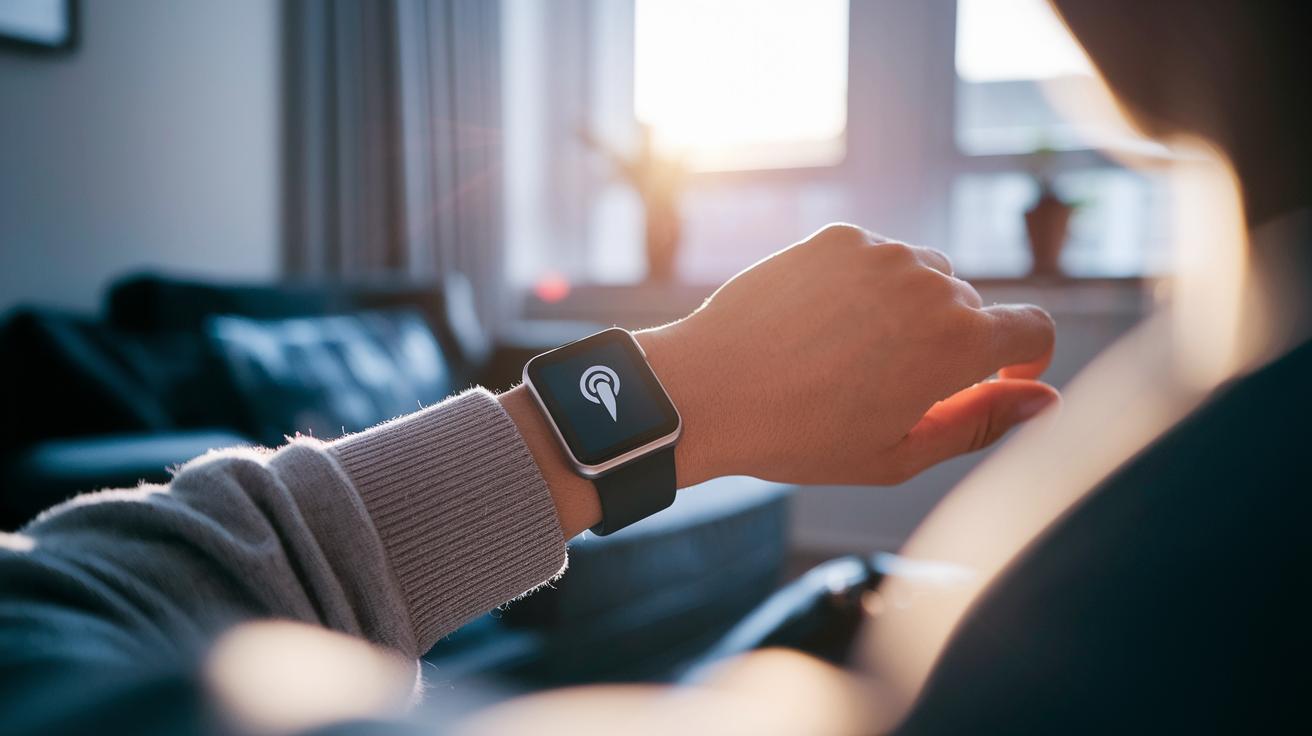
Today’s emergency systems have many upgrades that help you get assistance quickly. For example, advanced built-in GPS can locate you in seconds rather than minutes. Two-way voice communication using 4G/LTE networks gives you clear, direct access to help without delay.
Improved sensors now detect falls automatically. This means you don’t have to press a button; if a fall is detected, the system sends an alert right away, cutting down on false alarms. Daily self-tests check both battery levels and network strength to ensure your device is always ready.
For example, while older systems could take extra time to send alerts after a fall, today's sensors immediately notify emergency responders.
| Feature | Benefit |
|---|---|
| GPS Location | Quickly pinpoints your spot |
| Two-Way Voice | Lets you speak directly with responders |
| Fall Detection | Sends automatic alerts if you fall |
| Daily Self-Test | Checks battery and network automatically |
| Cellular Network | Works outside your home, too |
Home‐Based vs Mobile Personal Emergency Response Systems: Pros and Cons
Home-based emergency alert systems work through a landline or an in-home cellular unit. They cover about 600 feet and are ideal if you spend most of your time indoors. This option is reliable when you are at home and does not have extra monthly costs or hidden fees if you rarely go out.
Mobile alert devices use 4G/LTE networks and built-in GPS (a system that shows your location) to offer help wherever you are. They work both at home and on the go. Many seniors choose mobile devices because they provide support when traveling or living alone. They often do not require long-term contracts and may include free consultations, making them a flexible choice for independent living.
Each system has its own strengths. Your choice depends on whether you need reliable support at home or protection wherever you go.
Pricing, Subscription Models, and Insurance Coverage for Personal Emergency Response Systems

When you pick a personal emergency response system, there are many payment options to suit your budget and needs. Rental plans usually run between $30 and $50 per month and include constant monitoring and upkeep. If you decide to own your device, expect a one-time cost of about $200 to $500. Some providers even drop activation fees and offer a first-year rate of $15 with automatic renewal, making it a very affordable choice for managing emergencies.
Many emergency response devices may be covered by Medicare when a doctor prescribes them, as long as they meet Medicare Part B rules. Your doctor might believe the device will help you handle emergencies, and then your Medicare benefits could cover the cost. Some Medicaid plans also offer help through special programs that can cover installation or a portion of the cost. If you prefer not to have a subscription, look for vendors that offer a one-time payment plan without ongoing fees.
Before you commit, ask if the plan forces you into a long contract. Some plans are flexible and let you choose month-to-month, while others lock you in for a longer period. This variety means you can pick a plan that fits your financial needs and gives you reliable help when emergencies happen.
Setup, Testing, and Maintenance Tips for Your Personal Emergency Response System
Your device is ready to use right out of the box. Charge the pendant for 8 hours to fill the battery. Place the base unit by a power outlet and enter your information, such as your name, address, and emergency contacts. This quick setup ensures your system is prepared to call for help when you need it.
Every day, the device runs self-tests to check the battery and signal strength. These tests catch any issues early so you can trust the system when it matters. Caregivers can also log into an online portal to view test results and monitor the device’s status in real time.
For best performance, clean your device regularly and plan a monthly charging session. This routine care gives you peace of mind, knowing the system is always ready to alert emergency responders if needed.
Final Words
In the action, this guide showed you how a personal emergency response system works to deliver immediate safety support. We talked about the key benefits like 24-hour monitoring, immediate response, and GPS tracking. You learned what to look for in device features and how home-based options differ from mobile ones. We also covered pricing, insurance details, and simple setup and maintenance steps. Stay proactive and test your device regularly. With this knowledge, you can feel secure and ready for any unexpected emergency.
FAQ
Frequently Asked Questions
What is a personal emergency response system?
The personal emergency response system is a wearable device that connects you with a 24-hour monitoring center, so help is immediately available during falls or medical emergencies.
Does Medicare or Medicaid cover personal emergency response systems?
The Medicare program may cover a personal emergency response system if prescribed by your doctor, and some Medicaid programs can cover similar devices through waivers. Contact your provider for specific details.
What features does a personal emergency response system with fall detection offer?
A personal emergency response system with fall detection includes sensors that automatically alert help when a fall occurs, ensuring immediate response without needing to press a button.
How does the Lifeline personal emergency response system work?
The Lifeline device works like other emergency response systems by offering a wearable button that connects you directly with a monitoring center for rapid assistance at all hours.
Are there personal emergency response systems that come with no monthly fee?
Some personal emergency response systems are available through one-time purchase options with no recurring fees, though many devices include monthly subscriptions to cover ongoing 24-hour monitoring.
How does a personal emergency response system watch function?
A personal emergency response system watch works as a wearable device that lets you call for help with a simple press, and often includes features like fall detection and GPS tracking.
What is Bay Alarm Medical in relation to personal emergency response tools?
Bay Alarm Medical is a provider of personal emergency response systems, offering plans that include fall detection and 24-hour monitoring to ensure timely help whenever needed.
What is the CPT code for personal emergency response systems?
The CPT code for personal emergency response systems is used in healthcare billing to classify these devices; consult your provider for accurate coding and documentation details.
How can I get a free medical alert device?
To get a free medical alert device, look into community programs, local agencies, or promotional offers from vendors that provide subsidized or complimentary units to eligible individuals.
What is the best personal emergency response system for seniors?
The best personal emergency response system for seniors should include features like 24-hour monitoring, fall detection, GPS location tracking, and easy-to-use controls to ensure reliable emergency help.