
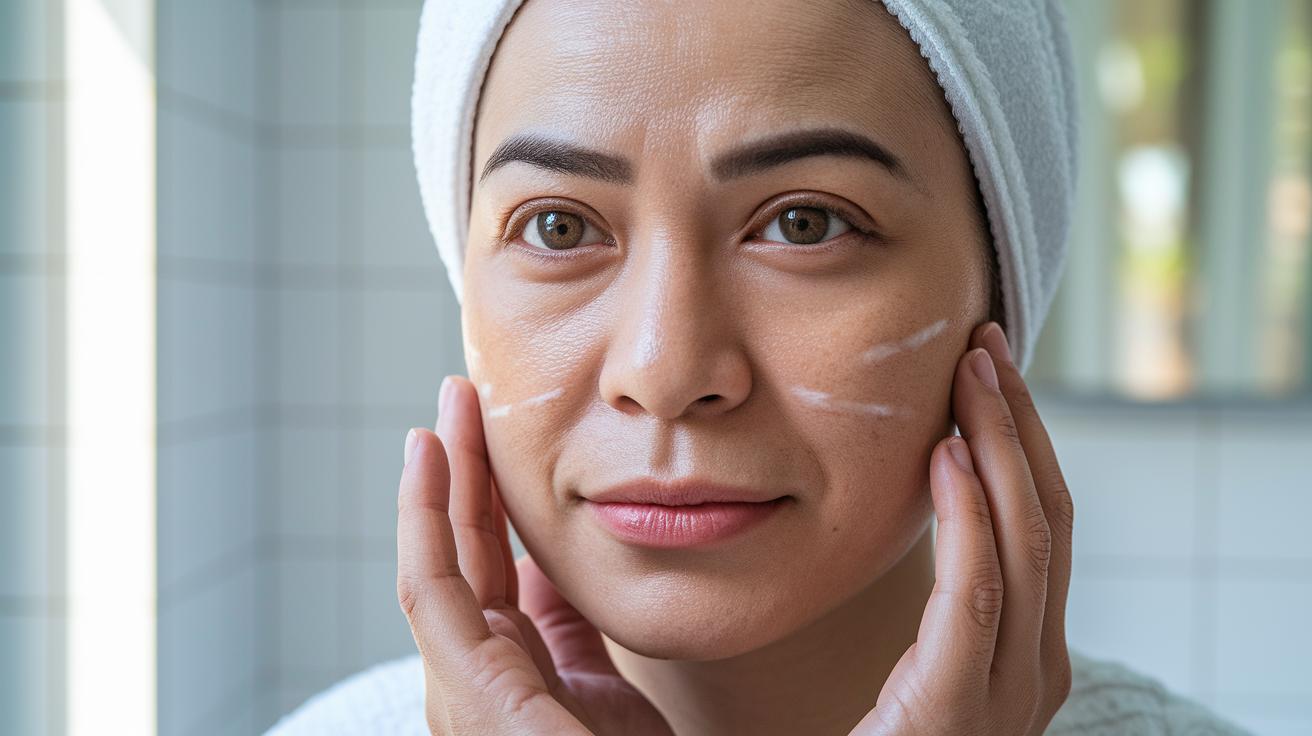

Quick Take: Changes in your skin color are usually linked to sun exposure or healing, and they rarely signal an emergency.
If you notice any of these signs:
• Rapid swelling or severe pain
• Spots that last for weeks without any change
• New discoloration along with other unusual symptoms
Call your doctor right away.
Have you ever looked in the mirror and felt your face seems off? Sometimes, skin spots or patches appear unexpectedly. This can happen after spending too much time in the sun or while your skin is healing from an injury. It may feel unsettling, but most of these changes are not urgent.
This guide explains why your skin color might shift and how you can help restore your natural glow. We use simple words so you can easily understand when it’s safe to relax and when you should get help.
discoloration of skin on face: Restore Glow
Quick take: Facial discoloration can happen from sun exposure, injury, or aging, and most changes are not urgent, but watch for sudden shifts.
Triage Box:
• Call emergency services now if you see rapid changes, new growths, or experience pain.
• Seek same-day care if discoloration comes with swelling, sores, or other worrying signs.
• Monitor the patches and protect your skin if the changes appear slowly.
Facial discoloration is when parts of your skin appear darker or lighter than the rest. You might notice areas with extra color (hyperpigmentation) like sun spots or marks after an injury. In contrast, light patches (hypopigmentation) mean your skin lost some of its pigment. Melasma is another common condition that causes brown, tan, or gray patches, especially on your forehead and cheeks.
Even if your face has natural shadows and highlights, a sudden change in color can feel upsetting. Sun exposure can boost your skin’s melanin (the substance that gives skin its color) and lead to uneven spots. Also, when your skin heals from acne or injury, it can leave behind marks called post-inflammatory changes.
Knowing what these terms mean can help you decide if your skin change is normal or if it’s something you should ask a doctor about. Your face is full of tiny variations, and understanding them is the first step in caring for your skin.
Common Causes of Discoloration of the Skin on Face

Uneven color on your face means some spots are darker or lighter than others. This happens when your skin makes too much or too little melanin (skin pigment). Everyday habits and the environment both play a role. Aging naturally changes your skin too.
- Sun exposure: UV rays boost melanin, which can create dark spots.
- Melasma: Hormonal changes, heat, and light may cause brown, tan, or gray patches on your forehead and cheeks.
- Dry skin: Lack of moisture makes the difference between pigmented and non-pigmented areas more visible.
- Pollution: Dirt and particles in the air can settle on your skin and alter pigment.
- Medications: Some drugs make you more sensitive to the sun, leading to extra pigment production.
- Aging: Over time, natural changes in your skin can shift melanin distribution.
- Injuries and acne: Healing from cuts or breakouts can leave marks that change your skin tone.
These factors can mix and make discoloration more noticeable. Using sun protection, keeping your skin hydrated, and treating skin issues promptly can help restore a more even look.
Medical Conditions Underlying Facial Discoloration
Some conditions can change the color of your skin. Knowing more about these changes helps you decide what to do next.
| Condition | Key Features | Triggers/Prevalence |
|---|---|---|
| Melasma | Brown, tan, or grayish patches that usually appear on the forehead and cheeks | Often linked to hormone changes (for example, during pregnancy) and sun exposure; common in women, especially those with medium-to-dark skin |
| Vitiligo | Irregular white patches due to loss of pigment cells (melanocytes) | May be triggered by autoimmune factors or genetics; can occur in any skin type |
| Acanthosis Nigricans | Dark, velvety patches seen mostly in skin folds | Commonly linked to insulin resistance and obesity; seen in adults and some younger people with hormonal problems |
| Tinea Versicolor | Small patches that may be lighter or darker, usually on the cheeks and upper chest | Caused by a fungal infection that thrives in warm, humid weather; most often seen in teens and young adults |
These conditions can look very different. Melasma is a common cause of skin darkening in women and is mostly due to hormone changes and sun exposure. Vitiligo shows up as white spots when pigment cells are lost. Acanthosis nigricans creates thick, dark skin in areas like the neck or folds; it can sometimes point to insulin issues. Tinea versicolor is caused by a fungus and leads to uneven spots that may be lighter or darker than the rest of your skin.
If you notice these changes, keep track of when they occur and talk with your healthcare provider about them. Early recognition helps you start the right treatment, from creams for melasma to antifungal treatments for tinea versicolor.
When to Seek Dermatology Care for Facial Discoloration
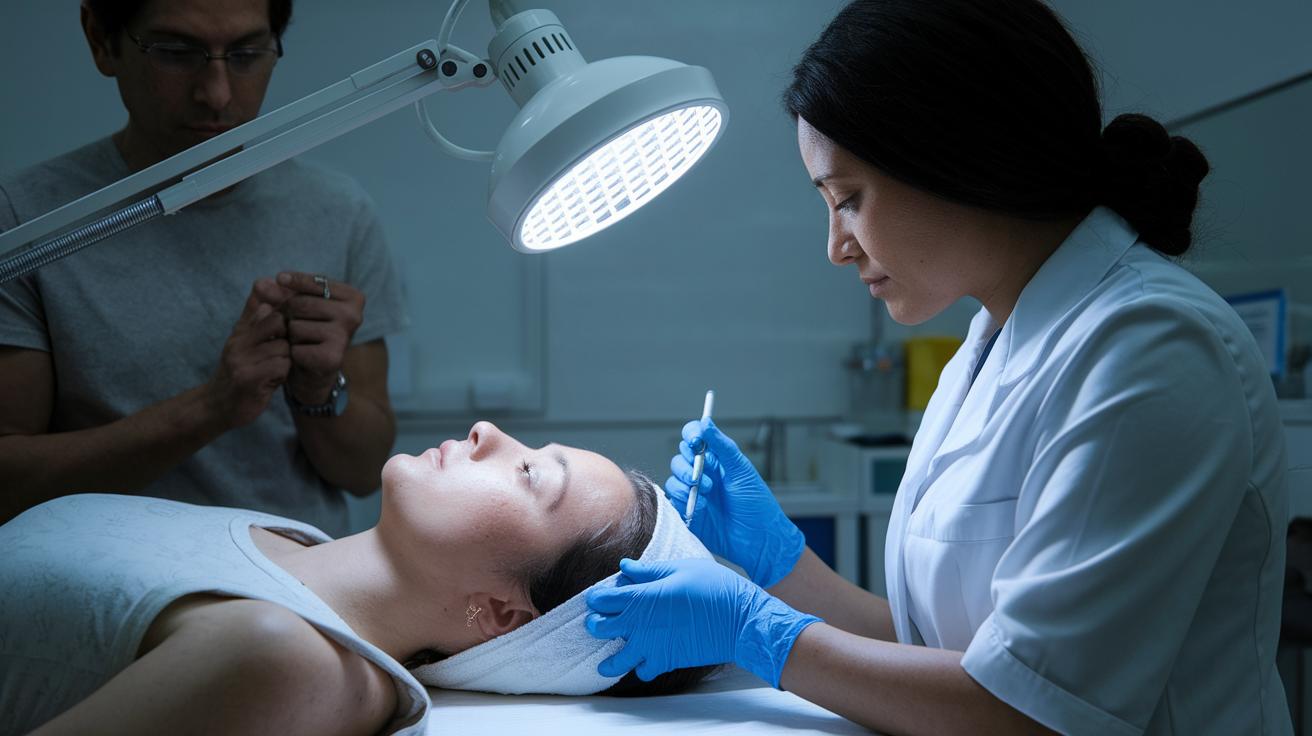
Quick take: New or changing facial patches can be a sign to get checked fast.
If any of these warning signs show up, call emergency services now:
- Sudden, severe pain on your face.
- Rapid swelling with redness.
For less urgent concerns, get care the same day if you notice:
- Tender or burning patches.
- Unusual itching or discomfort along with discoloration.
Sometimes a new or spreading dark patch can point to other health issues such as acanthosis nigricans (a skin change often linked to diabetes). Your dermatologist will ask about your health, examine your skin, and might use tools like a Wood's lamp (a special light) or take a small skin sample (biopsy) to find the cause.
For more details on the diagnostic process, see how doctors go from symptoms to diagnosis.
At-Home and Topical Approaches for Correcting Facial Discoloration
Quick summary: A steady, gentle routine can help fade dark spots and even your skin tone.
If you notice severe burning, swelling, or spreading redness after using any product, call your clinician immediately.
• Cleanse your face twice a day with a gentle cleanser to wash away dirt and oil.
• Follow with a light moisturizer right away to lock in hydration.
• Exfoliate 1-2 times a week using glycolic acid (helps remove old skin cells) or salicylic acid (clears pores) to shed pigmented cells.
• Use an over-the-counter hydroquinone cream (2 percent) to lighten dark patches.
• Add kojic acid or arbutin as extra ingredients to help reduce pigmentation.
• Incorporate a brightening serum with vitamin C or niacinamide (a form of vitamin B3) to even your tone.
• Consider natural options like licorice root extract or green tea polyphenols for added support.
• Always finish with a broad-spectrum sunscreen of SPF 30 or higher to protect against UV rays.
Stick with this simple routine. By testing a small area first and adjusting to your skin’s needs, you can safely work toward a more even complexion.
Professional Interventions for Treating Facial Pigmentation Irregularities

Professional treatments at your doctor’s office can help even out your skin tone by reducing extra pigment. You usually need a series of sessions about every 4 weeks for the best results.
Chemical Peels
Chemical peels use ingredients like glycolic acid or trichloroacetic acid (TCA, a strong skin solution) to gently remove the top skin layers that hold extra pigment. Most people need 3 to 6 sessions. Your skin may peel and turn red briefly as it heals. Sometimes your doctor may use a 4% hydroquinone cream under close supervision to help clear stubborn spots.
Microdermabrasion
Microdermabrasion uses tiny crystals or diamond-tipped tools to lightly remove the outer skin layer and boost natural cell turnover. This treatment usually takes 4 to 6 sessions. It is a gentle procedure with little downtime. You might notice mild redness or light sensitivity right after the treatment, but these effects usually fade quickly.
Laser and Light Therapies
Laser and light treatments work deeper to target clusters of melanin (the pigment that colors your skin). Options include intense pulsed light (IPL), Q-switched lasers, and fractional lasers. Typically, a series of 3 to 6 sessions is needed. You may see temporary redness, slight swelling, or sensitivity afterward. These side effects usually settle within a few days when proper aftercare is followed.
Always follow your doctor’s advice and care tips between sessions, and let them know if you experience unexpected pain or swelling.
Preventive Measures to Maintain an Even Facial Complexion
Keeping your skin tone even starts with simple daily care. Each morning, apply a broad-spectrum sunscreen with SPF 30 or higher. Reapply every 2 hours if you’re outdoors to block UV rays that can cause dark spots and uneven pigmentation.
• Wear a wide-brimmed hat for extra shade.
• Use sunglasses that block UV light to protect your eyes.
• Seek shade between 10 AM and 4 PM when the sun is strongest.
At night, use a gentle moisturizer to help rebuild your skin’s barrier and prevent dryness. Avoid picking or scratching any spots, as this can lead to inflammation and more pigment changes.
Taking these mindful steps every day can help preserve your natural glow and keep your complexion balanced while protecting you from future damage.
Supporting Even Skin Tone Through Diet and Supplements

Quick take: Eating a mix of healthy foods and staying hydrated may help support a more even skin tone.
If you notice severe discoloration or skin irritation, please consult your doctor.
Eating a variety of nutrient-rich foods can give your skin a gentle boost. Antioxidant fruits like berries and leafy greens help stop harmful molecules (free radicals) from damaging skin cells. Nuts add healthy fats that keep your skin strong, and drinking about 8 glasses of water daily helps your cells renew and stay hydrated.
Certain vitamins and minerals also help keep your skin looking its best. Vitamin C (which helps healing) and vitamin E support your skin repair, possibly reducing uneven spots. Minerals like zinc and iron help your skin defend itself, and omega-3 fatty acids found in fish and flaxseed oil strengthen your skin barrier and promote even tone.
Some people choose to add supplements like collagen peptides or hyaluronic acid to their routine. These may help improve skin firmness and texture, which can lead to a smoother, more uniform look.
Final Words
In the action, we covered what causes uneven facial tone, explained common medical conditions, and shared both home-care routines and professional treatment options. We emphasized when to call a dermatologist and gave you clear steps to track any changes. These practical insights help you manage symptoms and safeguard your skin while easing worries. By following these guidelines, you can work to protect your skin and improve its appearance, even if you’re dealing with discoloration of the skin on face. Stay mindful and keep your routine simple.
FAQ
What does light discoloration on face mean?
Light discoloration on the face means some skin patches appear lighter than the surrounding skin. This can result from hypopigmentation due to inflammation, sun damage, or other skin conditions.
How to remove pigmentation from face permanently?
Removing facial pigmentation permanently can be challenging. Treatments like chemical peels, laser therapy, and proper skincare may reduce its appearance over time. Personal consultation with a dermatologist is advised.
What is the treatment for skin discoloration on the face?
The treatment for skin discoloration on the face often combines gentle cleansers, topical agents with ingredients like niacinamide, regular sun protection, and sometimes professional procedures for more stubborn patches.
How do dark patches on the face differ for males and females?
Dark patches on a male or a female face can stem from similar triggers like sun exposure or acne. However, hormonal influences may make them more common or severe in women. Consultation with a dermatologist helps tailor treatment.
What are the types of skin pigmentation disorders?
Skin pigmentation disorders include melasma (brown or grayish patches), post-inflammatory hyperpigmentation (dark spots after injury), vitiligo (irregular white patches), and sun spots from prolonged sun exposure.
What does it mean when brown spots suddenly appear on skin?
Brown spots that appear suddenly often signal changes due to sun exposure, hormonal fluctuations, or inflammation. They should be monitored and evaluated by a dermatologist if they grow or cause concern.
What are brown patches on skin and how can they be treated?
Brown patches on the skin usually indicate hyperpigmentation from factors like sun exposure, acne aftermath, or aging. They can be managed with topical treatments, exfoliation, and sometimes professional care.
What causes skin discoloration on the face?
Skin discoloration on the face is typically caused by excess melanin production due to sun exposure, hormonal shifts, acne, or inflammation, leading to areas that are visibly darker or lighter than surrounding skin.
How can face discoloration be corrected?
Correcting face discoloration involves a routine with gentle cleansing, regular use of sunscreen, targeted topical agents, and sometimes professional treatments to gradually even out the skin tone.
When should I worry about skin discoloration?
You should worry about skin discoloration if patches appear suddenly, spread quickly, or are accompanied by pain, itching, or infection signs. In such cases, seek prompt evaluation from a dermatologist.
What are the three common types of facial discoloration?
The three common types include hyperpigmentation (darker spots), hypopigmentation (lighter spots), and melasma (brown or grayish patches often linked to hormonal changes).