
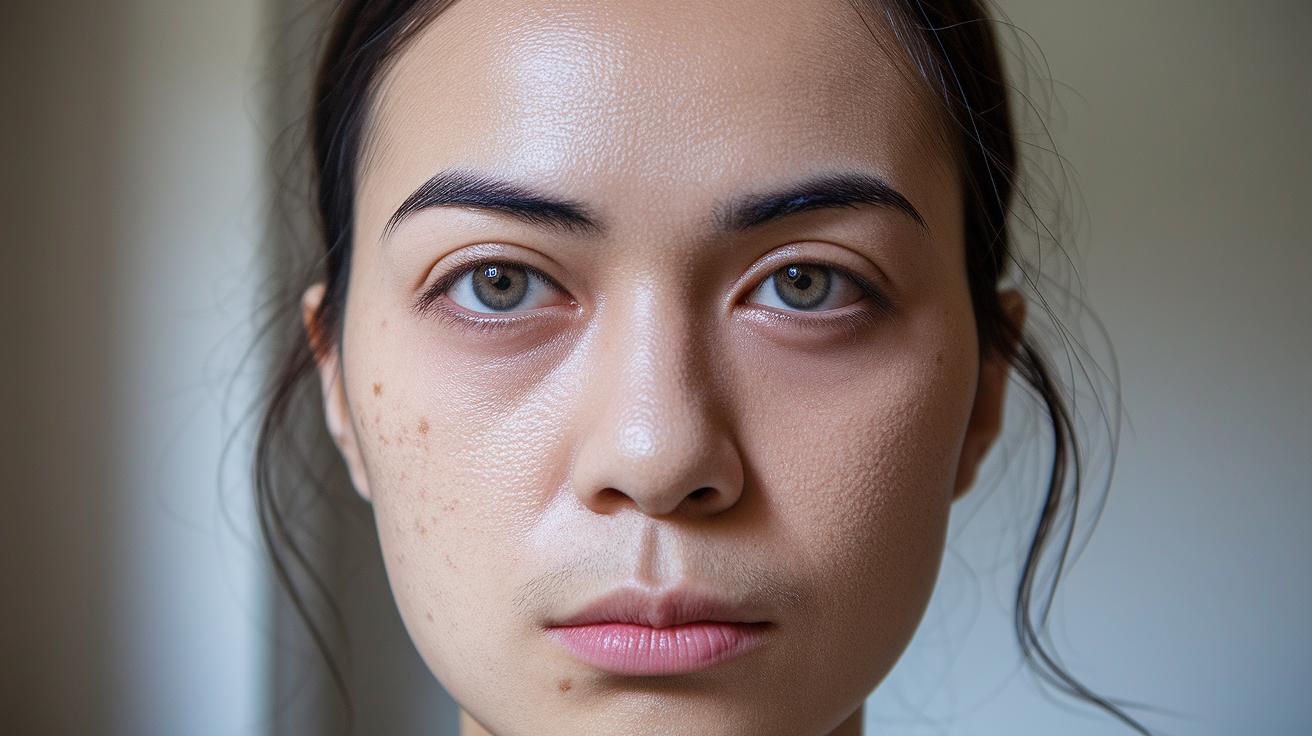

Quick take: Sudden spots on your face may come from sun exposure, genetics, or local irritation.
If you notice any of these signs, call emergency services now:
• Spots that spread quickly, become very painful, or itch severely.
Otherwise, here’s what to do:
• Monitor your skin and note any changes.
• Record when the spots appear and any triggers like long sun exposure or harsh products.
• Discuss these changes with your doctor if they worsen or don’t improve in a few weeks.
Sometimes you might see dark patches or light spots that seem to appear overnight. These can be caused by spending too much time in the sun, by traits you inherit from your family, or by irritation from skincare or other substances. We break down these common causes to help you make sense of your skin changes and decide the best way to care for your complexion.
Keep a simple log of what you notice. Write down the date, the time you saw the spots, how severe they are (mild, moderate, severe), and any other signs. This record can be very useful when you talk with your doctor.
Remember, most skin discoloration is not urgent. But if you see rapid changes or if the spots cause discomfort, act now and seek help.
Understanding Discoloration of the Skin on Face: Symptoms and Key Signs
Facial skin discoloration means your face doesn’t match your usual tone. It can show up as dark patches (too much pigment) or light spots (not enough pigment). For example, melasma (brown or tan spots) is common. In fact, about 90% of women get melasma during pregnancy or after heavy sun exposure.
These changes happen when melanin (the pigment that colors your skin) isn’t balanced. Too much melanin can cause dark patches, while too little creates light spots. Genetics, sun exposure, irritation, or allergic reactions can trigger these shifts.
Look out for these signs:
- Patches that are darker or lighter than the rest of your skin.
- Spots that suddenly appear or grow over time.
- An overall uneven tone on your face.
Keep track of any changes you notice. Write down when and where these spots appear. This can help your doctor decide if the change is minor or needs more attention.
Common Causes of Discoloration of the Skin on Face

Quick take: Facial discoloration usually comes from birthmarks, pigment changes, sun exposure, or skin reactions. If you notice a sudden, rapid change in your skin or new pain, call emergency services now.
Triage Box:
• If you have severe redness, swelling, or pain with the discoloration, call emergency services immediately.
• If the discoloration spreads quickly or you feel unwell, seek same-day medical care.
• Otherwise, keep an eye on your skin and use sun protection while monitoring any changes.
Facial discoloration may occur because of genes, the environment, or a health issue. For example, some birthmarks are present at birth and look like a small spot or patch. These natural marks are usually harmless if they have been there since childhood.
Changes in the pigment melanin can also cause skin discoloration. Extra melanin produces dark patches (hyperpigmentation), while too little melanin leads to light spots (hypopigmentation). Both types can create an uneven skin tone.
Spending too much time in the sun can hurt your skin. Overexposure to UV rays can cause sunspots (solar lentigines) and worsen existing discoloration. Using a broad-spectrum SPF sunscreen can help protect your face.
Health issues like infections, allergies, or immune reactions may also change your skin tone. These conditions can cause rashes or bumps that later result in uneven pigmentation. Additionally, some medications can make your skin more sensitive to sunlight, increasing the risk of discoloration.
Keep an eye out for these common triggers:
- Birthmarks present from birth
- Extra or low melanin levels leading to dark or light patches
- Sun exposure causing sunspots
- Rashes or bumps from infections or allergic reactions
- Medications that heighten sensitivity to sunlight
Understanding these causes can help you track and manage changes in your skin. If you’re concerned about any new or worsening discoloration, talk to your clinician for guidance.
Melasma’s Role in Discoloration of the Skin on Face
Quick take: Melasma causes patchy discoloration on your face, often linked to hormone changes and sun exposure.
Triage Box:
- Watch for any rapid changes in the spots.
- Use a good physical sunscreen with zinc oxide or titanium dioxide.
- Check with your doctor if the patches become more noticeable or bothersome.
Melasma creates uneven coloring on your face, usually showing up as brown, tan, or blue-gray spots. It happens a lot in women, especially during times when hormones shift, such as pregnancy. Sunlight, heat, and bright light can make these patches darker. While melasma can fade on its own, it often persists for many years without treatment.
Melasma Triggers
Sun exposure is the main trigger because it boosts melanin (the skin pigment) production and makes the patches darker. Heat and strong light can also worsen the condition. Certain medications, like some used for seizures, may increase skin sensitivity and intensify these spots if you aren’t protecting your skin well.
Melasma Risk Factors
Hormonal changes are a big factor. Higher levels of estrogen and progesterone are linked to melasma, which is why about 90% of cases are in women. If your family has a history of melasma, your chances might be higher. People with medium to darker skin tones may be more at risk because their pigment cells are more active. Some home remedies, like vitamin C serums, might help lighten the spots, but you should talk to your healthcare provider before you start any treatment. Working with a specialist can guide you to the best care since melasma can be persistent and challenging to treat.
When to Seek Professional Diagnosis for Discoloration of the Skin on Face
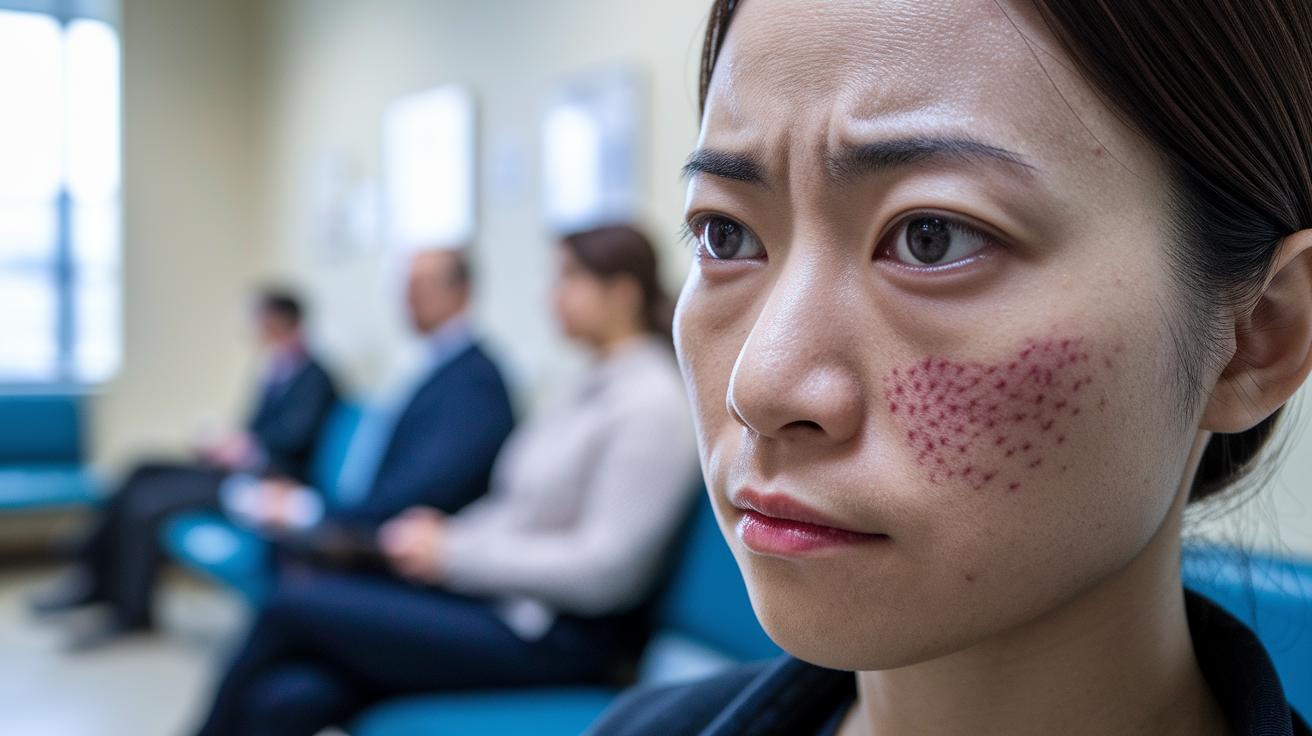
Quick Take: Unusual changes in a spot on your face may mean you need to see a doctor soon.
If you notice any of these, contact your clinician immediately:
- A spot with uneven shape or jagged edges.
- Color changes or mixed colors in a spot.
- The spot itches, bleeds, or feels sore.
Many spots on your face are normal. However, if one looks different from the rest, it could be a warning sign. Even a small spot (under 1 mm thick) that changes in color or texture, or that starts to itch or bleed, should be checked. This is important because such changes may be linked with serious skin conditions.
A dermatologist (skin doctor) will check your skin closely. They may ask when you first noticed the change and about your overall health. They will look for signs that the spot is not normal. Often, the doctor will do a biopsy, which means taking a tiny sample of the spot to test it in a lab. This helps them decide if the spot is harmless or something that needs treatment.
If you see any of the changes listed above, please reach out to your clinician right away.
Professional Treatments for Discoloration of the Skin on Face
Quick take: Several treatments can even out skin tone safely.
If you notice severe redness or pain while using any treatment, call your doctor right away.
Your dermatologist may suggest using a cream for uneven skin tone. Prescription creams like hydroquinone work by cutting down on melanin (the pigment in skin) and retinoids help your skin shed older cells faster so dark spots fade. These creams need to be used carefully over time, and you should watch for any irritation.
For a quicker change, doctors may recommend a procedure. Chemical peels use acids like glycolic acid to slough off the top layer of skin and remove pigmented cells. Microdermabrasion uses tiny crystals or a diamond tip to gently polish away old cells and boost a more even look.
Laser treatments use focused light to break up pigment clusters. The laser targets melanin in the dark areas and lets your body gradually clear them. This process might need several visits, and the cost will depend on how widespread the discoloration is and the type of laser technology used.
| Treatment | How It Works | Considerations |
|---|---|---|
| Chemical Peel | Exfoliates top skin layers to remove pigmented cells | May cause redness; downtime needed |
| Laser Therapy | Targets melanin to break up dark pigment | Usually needs multiple sessions; cost varies |
| Microdermabrasion | Polishes skin to gently reduce dark spots | Usually mild side effects; works for most skin types |
| Topical Prescription | Uses creams like hydroquinone or retinoids to lighten skin | Long-term use; watch for possible irritation |
Each treatment has its pros and cons. Your doctor may even suggest combining treatments to get the best results for you. Remember, if you experience any strong reactions or if your skin condition worsens, seek medical advice.
Discoloration of the Skin on Face: Bright Answers
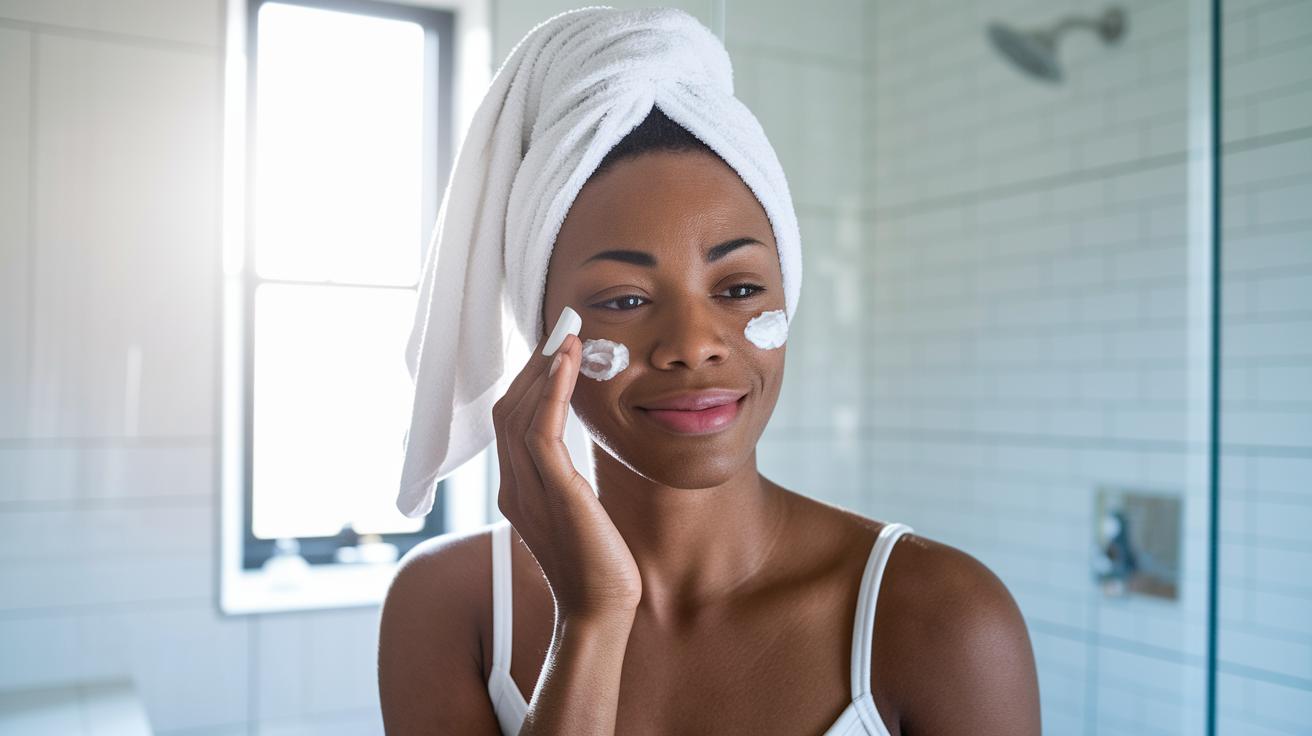
Brighten your skin by setting up a daily routine that helps fade dark spots and even out your tone. First, protect your skin from the sun every day. UV rays boost melanin (the pigment that darkens spots), so after you wash your face, apply a dime-sized amount of broad-spectrum SPF 30+ sunscreen to shield your skin.
Next, add a vitamin C serum to your morning routine. Vitamin C is an antioxidant that helps lower melanin production, gradually lightening dark areas and boosting your skin’s brightness.
You can also try natural extracts like aloe vera and licorice root. Aloe vera soothes irritation and calms inflammation, which may help your skin look more even.
Finally, keep your skin well-moisturized. A fragrance-free moisturizer used twice a day strengthens your skin barrier, helps reduce patchiness, and supports a balanced tone.
- Apply broad-spectrum SPF 30+ every morning.
- Use a vitamin C serum after cleansing to brighten your skin.
- Incorporate aloe vera or licorice root extracts for gentle soothing.
- Moisturize regularly to support and even out your complexion.
Final Words
In the action, we explored key signs and causes of facial skin changes, including hormonal shifts and sun exposure.
We broke down melasma’s role, compared professional treatments with reliable home care, and highlighted when to seek help safely.
This guide helps you decide quickly if discoloration of the skin on face needs urgent care or can be managed at home. Keep simple records of any changes and follow clear steps for peace of mind.
Stay positive and proactive on your path to healthier skin.
FAQ
What does light discoloration on the face mean?
Light discoloration on the face means you notice areas that are lighter than your natural skin tone, often due to low melanin levels or damage from the sun.
What are the treatment options for skin discoloration, including permanent fixes and removing pigmentation?
Treatment options for skin discoloration include prescription creams like hydroquinone, procedures such as chemical peels or laser therapy, and home remedies like using vitamin C serums and daily broad-spectrum sunscreen.
What causes skin discoloration on the face?
Skin discoloration on the face is caused by factors like too much sun exposure, hormonal changes, certain medications, and conditions like melasma that create uneven melanin production.
What are the three common types of discoloration?
The three common types are hyperpigmentation (darker spots), hypopigmentation (lighter patches), and melasma, which often appears as brown, tan, or blue-gray patches.
How do dark patches on the face affect both males and females?
Dark patches on the face can affect both males and females due to similar causes such as sun damage, hormonal factors, or skin injuries, and they often respond to similar treatment approaches.
When should I worry about skin discoloration on my face?
You should worry if discoloration shows asymmetry, irregular borders, color variation, or if it itches or bleeds, as these signs may require prompt evaluation by a professional.
What types of skin pigmentation disorders exist?
Skin pigmentation disorders include conditions that cause hyperpigmentation, hypopigmentation, and mixed patterns like melasma, each with unique causes but presenting as changes in normal skin tone.
hello world
hello world
cialis muscle aches
cialis muscle aches
flagyl pills over the counter
flagyl pills over the counter
terbinafine side effects insights
terbinafine side effects insights
ivermectin scabies treatment
ivermectin scabies treatment
vardenafil 10 mg review
vardenafil 10 mg review
vardenafil food compatibility
vardenafil food compatibility
cGMP elevation mechanism
cGMP elevation mechanism
amoxicillin side effect guide
amoxicillin side effect guide
sildenafil Tmax and Cmax
sildenafil Tmax and Cmax
this sildenafil uses guide
this sildenafil uses guide
semaglutide in the United States
semaglutide in the United States