

Quick take: Code Red alerts send urgent voice and text warnings from trusted officials to help you act fast in emergencies.
If you receive a Code Red alert, here’s what to do:
• Follow the instructions in the message immediately.
• If the alert advises emergency action, call emergency services right away.
• Stay tuned to further updates from local officials.
Code Red alerts are not just messages. They are direct lines to safety during dangerous situations. They deliver clear instructions straight to your phone when every second matters. When you know how Code Red works, you can protect yourself, your family, and your neighbors by acting quickly and staying informed.
Understanding the Code Red Emergency Alert
Code Red emergency alerts send urgent messages straight to your phone. They inform you of dangers like severe weather, missing-person reports, road closures, and boil-water notices.
This system uses VOIP (internet calling) to deliver both voice and text messages from a secure database. Local safety officials use it to warn you quickly during emergencies.
It’s built to work fast. Code Red sends alerts through multiple channels. That means if one way fails, you still get the message. In a crisis, like dangerous roads from a sudden storm, you might be told to avoid certain areas immediately.
This reliable approach helps keep you and your community safe when every moment counts.
Code Red Emergency Alert: Stay Safe Now
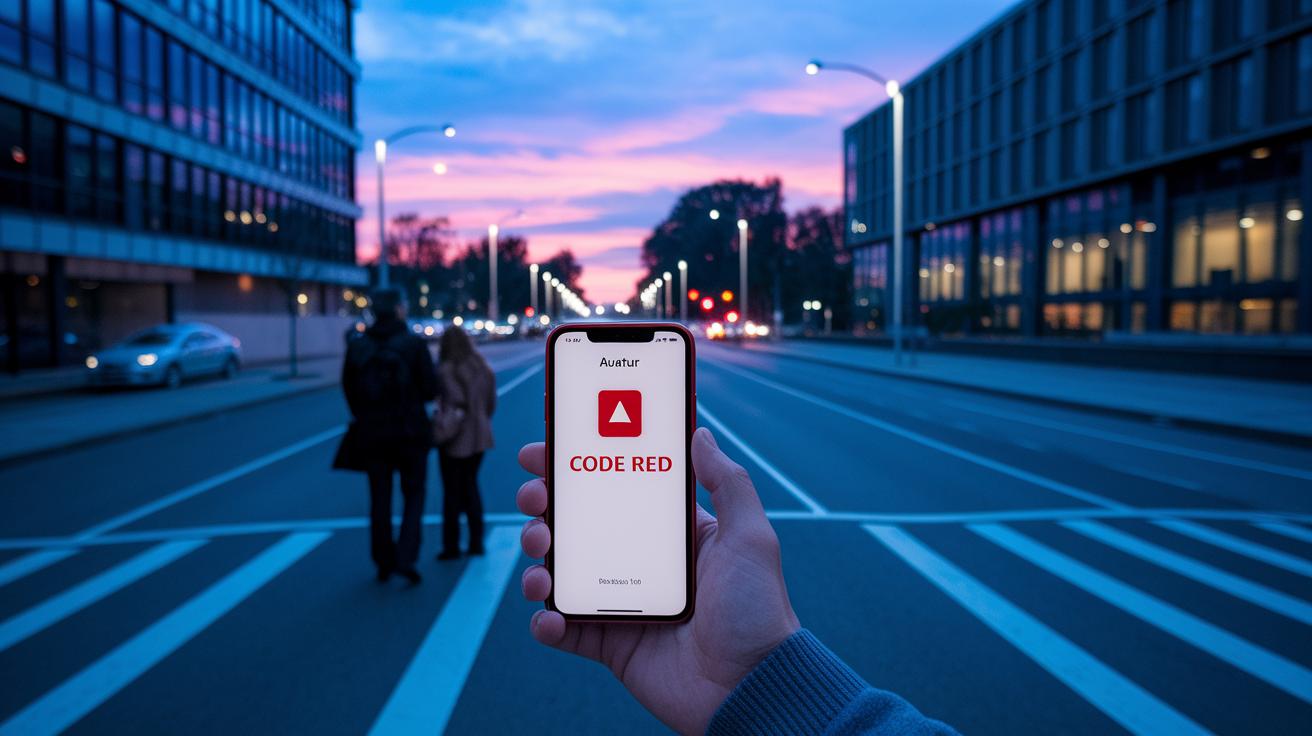
Code Red is a safety messaging tool used by local, county, and state agencies to get you important updates fast during emergencies. It helps deliver clear, urgent information when every second counts.
In the early 2000s, emergency services began using VOIP (Voice Over Internet Protocol, which sends calls over the internet) to improve alert systems. This change made alerts faster and more reliable so officials can share key messages right away.
The system was named "#CodeRED" to create a simple, clear signal that you can easily spot as a community safety warning.
Code Red has been used during major events like the severe storms in the Midwest in 2020 and during large-scale evacuations. Its real-time alerts are designed to keep you informed and safe when emergencies strike, and the platform continues to evolve to meet new challenges in emergency management.
Technical Framework of the Code Red Emergency Alert System
Code Red uses a strong voice-over internet phone engine to send both voice calls and text messages to landlines, mobile phones, and TDD/TTY devices. This mix of calling and texting makes sure you get alerts even if one method fails. The system is built to handle sudden spikes and route messages correctly during emergencies. It runs on cloud-based servers that support many messages at once, ensuring rapid delivery when every second counts.
Code Red also features a secure Community Notification Enrollment page. This lets you register any number, whether it's unlisted, mobile, or for TDD/TTY devices. The platform collects data from 911 centers, fire departments, CERT teams, and public health updates (like COVID-19 info) and uses clear routing paths to help emergency services focus on safety. By linking multiple communication channels and central data feeds, Code Red offers a reliable safety net for communities when unexpected events happen.
| Component | Description |
|---|---|
| VOIP Engine | Sends voice calls and text alerts to various devices |
| CNE Enrollment Database | Collects and stores unlisted, mobile, and TDD/TTY contact details |
| Mobile App Interface | Delivers alerts directly to smartphones for timely updates |
Activation Procedures for Code Red Emergency Alerts
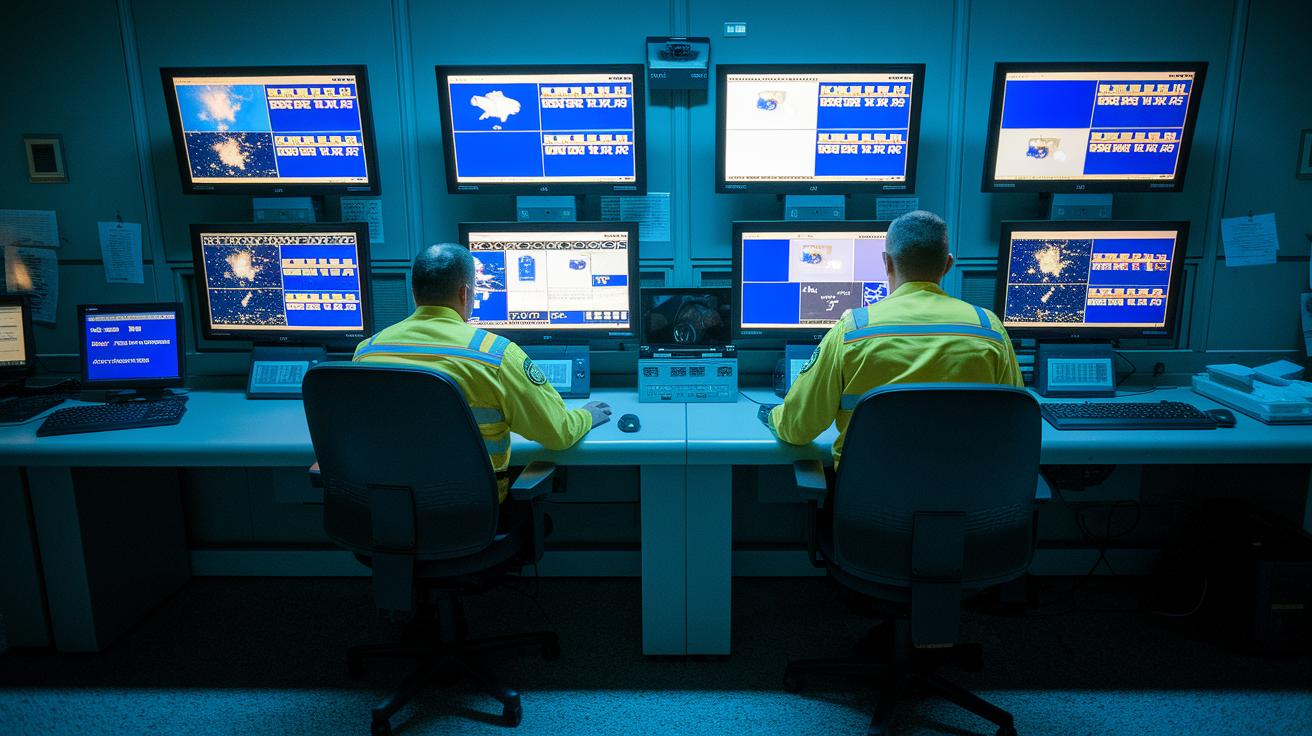
Quick take: When danger is near, officials log in to a secure system to send fast, clear alerts.
If any of these signs are noted, act immediately:
- Severe weather conditions
- Evacuation warnings
- Boil-water advisories
Here's how it works:
When officials see a serious threat like a big storm or a boil-water warning, they log into a secure web portal. This portal shows them all the details about the situation. They double-check the data and decide if a community-wide alert is needed. For example, if a weather dashboard shows storm reports, an operator logs in to start preparing the alert.
Once they are in the system, emergency teams pick the areas or specific groups at highest risk using a pre-set database. They then write a clear message that explains the situation and tells residents exactly what to do. If a flood is coming, the message might say, "Evacuate now" or "Shelter in place."
After the message is ready, the system sends it automatically via landlines, SMS, email, and a mobile app. This fast and redundant delivery method helps ensure that everyone in the target area receives the alert at nearly the same time, improving safety and public awareness.
Code Red Emergency Alert: Stay Safe Now
When you get a Code Red alert, it signals a serious emergency. You might see orders to stay indoors, details about safe evacuation routes, or instructions to boil water. Treat this as urgent and act immediately.
- Follow the instructions exactly as given.
- If you are told to shelter in place, move to a secure interior room away from windows.
- If evacuation is advised, gather your essential items and turn off utilities if instructed.
- Use only the specific routes mentioned in the alert.
- Boil water until officials confirm that tap water is safe.
- Stay updated by watching local news and checking your alert apps.
These steps are here to help protect you and your family during an emergency. If anything feels unclear or unsafe, don’t hesitate to call your local emergency services right away.
Accessing Code Red: Enrollment and Mobile Integration

Start by signing up on your local Community Notification Enrollment page. Enter your contact details, such as your mobile, unlisted, or TDD/TTY numbers, to make sure alerts reach you on the proper device. Many people appreciate updating their info because it helps them feel secure and ready for an emergency.
Next, customize your alert settings to fit your needs. You can choose to receive alerts for severe weather, missing persons, water notices, and more. Setting your location ensures you only get alerts that are important for your area.
Finally, download the CodeRed mobile app if you use iOS or Android. The app sends push notifications straight to your phone so you stay updated wherever you are. Its simple design lets you easily review different alert types and change your settings with just a few taps. This keeps you informed and helps protect you and your community during an emergency.
Maintaining Reliability: Testing and Best Practices for Code Red Alerts
Agencies run monthly practice alerts and crisis drills. These tests catch glitches early so you get updates fast when an emergency happens.
The system uses backup network paths and clustered servers. If one channel has a problem, another immediately takes over to keep messages coming.
Every 3 months, teams review enrollments and check delivery reports. They update contact details and confirm performance meets standards. This regular check keeps the alert system operating at its best when every second counts.
Final Words
In the action, we broke down how the code red emergency alert works, from its swift technological setup to the exact steps for activation and enrollment. We covered its clear purpose in spreading urgent safety messages and shared practical advice on how to respond when these alerts hit. The details on system testing and best practices show the strength behind this critical service. Stay informed, prepare your action plan, and trust that these steps help keep you and your community safe.
FAQ
Q: What is a Code Red emergency alert?
A: The Code Red emergency alert is a public safety notification used by officials to deliver urgent messages during emergencies like severe weather or crises. It reaches communities via voice and text.
Q: What does Code Red mean in emergency room settings?
A: The term Code Red in the emergency room means there is a severe situation requiring immediate action. It signals staff to quickly respond to high-priority emergencies.
Q: What does Code Red mean in police contexts?
A: The Code Red phrase in police contexts indicates a critical situation that needs urgent attention. It alerts officers to a potential threat or emergency requiring rapid response.
Q: How do I access or log in to Code Red services?
A: The Code Red system login lets authorized users access alert management tools online. Users typically enter their credentials on an official portal provided by public safety authorities.
Q: How can I sign up for Code Red alerts?
A: Signing up for Code Red alerts involves registering on a secure Community Notification Enrollment page offered by your local agency. This process lets you set your preferences for receiving alerts.
Q: How do I find Code Red alerts near me?
A: Code Red alerts near you are sent based on your location. Checking your area’s official Code Red website or local public safety notifications will help you receive timely updates.
Q: What is the CodeRED Mobile Alert?
A: The CodeRED Mobile Alert is an app-based push notification service that delivers emergency alerts directly to smartphones. It ensures you receive fast, reliable updates during crises.
Q: What is a Code Red emergency notification phone call?
A: A Code Red emergency notification phone call is an automated voice alert sent to landline or mobile phones. It quickly delivers critical information during events such as severe weather or evacuations.
Q: Why did I get a call from CodeRED?
A: Receiving a call from CodeRED means an emergency alert was triggered in your area to inform you of an urgent situation. Such notifications are sent to help you take immediate safety steps.
Q: What is the National Weather Service Code Red alert?
A: The National Weather Service Code Red alert warns of extreme weather conditions. It is issued to inform the public of severe risks, prompting fast protective measures in your area.