


Quick Take: Leaders can temporarily pause normal rules during a crisis to save lives.
When disaster strikes, officials can use an emergency declaration to act fast. This special power lets them pause usual procedures and access extra resources. They use clear legal steps rooted in history and modern government practices to guide these actions.
In this post, we explain how emergency declarations work, who takes charge, and the history behind these life-saving decisions.
Defining the Declaration of Emergency: Scope and Purpose
A declaration of emergency lets government leaders act fast when a serious crisis or disaster occurs. It lets officials change normal rules so they can protect you without delay. For example, a city might declare an emergency to quickly set up flood barriers during heavy rain.
This legal tool gives decision makers extra funds and special help to deal with the crisis. It is like an immediate call for help that puts extra powers into action. These special powers work at different government levels:
- Federal: National agencies work together to respond to disasters and bring in help like FEMA.
- State: Governors can quickly change rules and use state funds to handle the problem.
- County/Municipal: Mayors and county officials can mobilize local services and set up safety measures.
- Local: City councils can make specific orders to meet the unique needs of the community.
These powers help cut delays when every minute counts. They allow leaders to get the help and resources needed to protect lives and property. By switching legal rules when necessary, government officials can reduce harm and bring back order fast when trouble strikes.
Legal Authority and Statutes Behind Emergency Declarations

At the federal level, laws such as the National Emergencies Act and the Stafford Act give the President the power to declare an emergency. These laws let the government tap into emergency resources like FEMA support during crises. They provide clear, step-by-step rules for quick action when a disaster occurs so that federal help reaches you fast.
State governments also hold strong legal tools in their constitutions and laws. For example, many state constitutions (like Washington State Constitution Article XI, §11) protect emergency powers. Specific laws like RCW 38.52.070(2), RCW 35A.33.080, and RCW 36.40.180 allow governors to pause normal rules and shift state funds during urgent times. This setup helps manage emergencies at the state level effectively.
Local leaders, including mayors and county commissioners, work under local ordinances that provide legal support for crisis actions. These rules let them make quick decisions, such as approving emergency spending and issuing targeted orders. This local legal power ensures communities can act swiftly to meet unique challenges.
Oversight is built into every level with regular legislative reviews and court checks. These reviews make sure that emergency powers are used correctly and only for a set time. They protect your rights while ensuring a fast response when needed.
Historical Precedents and Milestones in Emergency Declarations
Quick take: Emergency declarations bring together local, state, and national teams to act fast in tough times.
Since the 1800s, leaders have declared emergencies to manage events like hurricanes and conflicts. When disaster hits, officials quickly call on all available resources. This approach has helped communities face big challenges together.
More recently, emergency declarations have been used for health crises like pandemics. They have proven useful in coordinating responses and saving lives. Yet history shows that keeping these powers too long can lead to problems.
| Crisis Type | Common Scenarios | Key Powers Activated |
|---|---|---|
| Natural Disaster | Hurricanes, floods | Resource mobilization, evacuation orders |
| Armed Conflict | Domestic unrest | Curfews, travel restrictions |
| Pandemic | Widespread disease | Quarantines, health-resource allocation |
| Public Health Crisis | Outbreaks, contamination | Facility closures, vaccination mandates |
These key moments remind us that emergency declarations are vital for quick decision-making and coordinated action during major events. They also teach us to balance strong responses with careful oversight once the crisis fades.
Powers and Constraints Under a Declaration of Emergency

When an emergency is declared, leaders can act fast. They can speed up decisions and buy supplies quickly to handle urgent issues. For example, a city might move resources at once to fix a weak dam before it fails.
Emergency rules let officials bypass some normal steps. They may relax licensing rules, ease zoning restrictions, and ignore spending caps to get vital supplies and services. For instance, a county might suspend standard licenses so that emergency medical equipment can be delivered faster.
Even with these quick actions, laws still protect your rights. There are safeguards in place to ensure that fast measures do not harm your personal freedoms. This balance builds trust by making sure any limits are temporary and closely watched.
Emergency declarations also include end dates and legal checks. A state might set a clear end date for these powers, and courts or lawmakers review them to ensure they remain necessary during a crisis.
Criteria, Issuance and Termination of Emergency Declarations
Before any emergency order is issued, officials carefully review the threat. They check how dangerous the situation is, if resources are low, and whether public safety is at serious risk. Leaders use data and local details to decide quickly if an emergency order is needed.
Once the danger is clear, local leaders like mayors, county commissioners, or governors write the emergency order. A legal review follows to make sure the order meets the required laws. After this check, the order is published to alert the public and allow quick access to needed resources and support.
Eventually, it becomes time to end the emergency order. It may end automatically on a set date or be stopped earlier by a lawmaker or executive order. This process protects against using extra powers too long and helps the community return to normal once the crisis is over.
Real-World Case Studies of Emergency Declarations
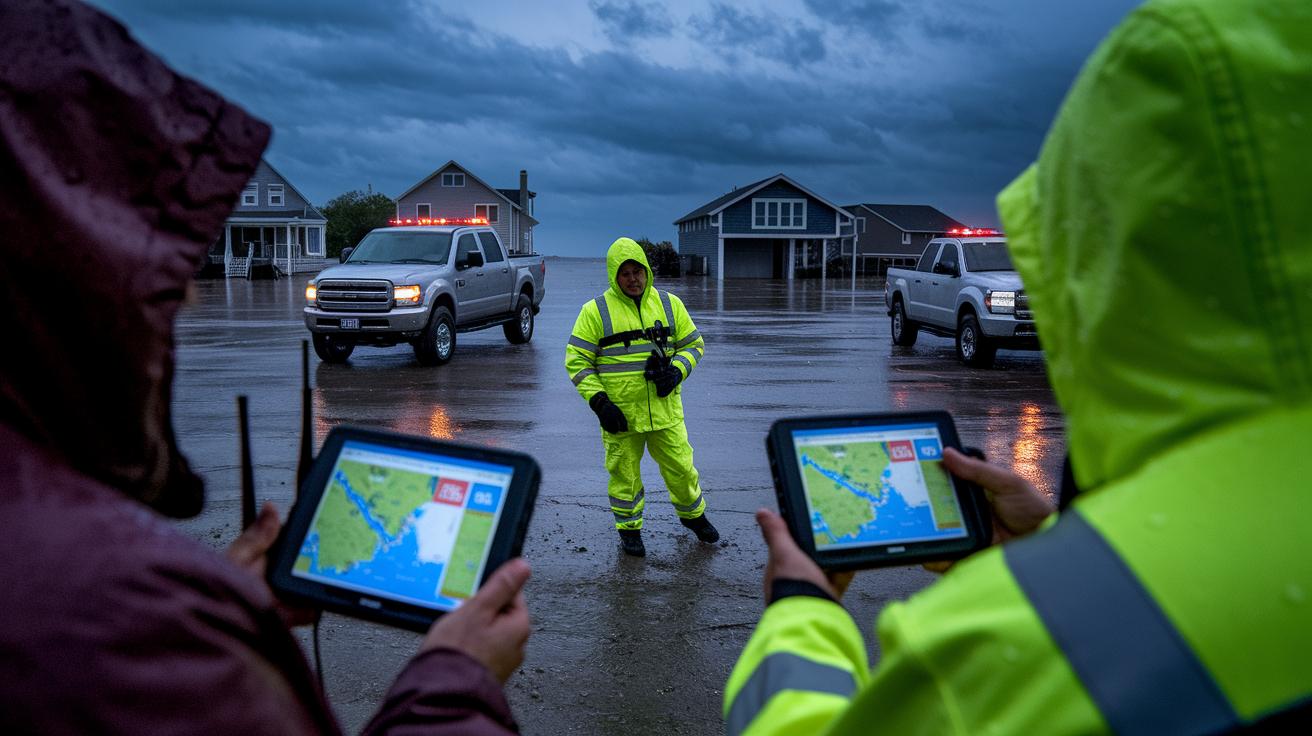
Quick take: These examples show how fast emergency orders help save lives by getting everyone working together.
In one coastal county, a sudden storm brought heavy rain and strong winds that risked homes. Officials quickly declared an emergency so they could order evacuation for the whole county. Local teams used FEMA mapping tools (online maps for tracking disasters) and incident tracking systems to guide rescue efforts. This swift response helped residents get timely alerts and safe routes.
In another case, wildfires threatened a rural area. Officials declared an emergency to bring together firefighters, police, and special aerial support. They put travel limits and burn bans in place, and the coordinated actions helped control the flames. This example shows that clear, ready emergency plans can unite many teams to tackle wildfires.
During a pandemic, leaders declared an emergency to speed up public health actions. Local health services and state agencies joined forces to set up vaccination sites, quarantine zones, and outreach programs in the community. Using mutual-aid pacts (agreements to help each other) and strong tracking systems, essential resources reached affected neighborhoods quickly. This case proves that emergency declarations can support a coordinated response when managing widespread health crises.
Balancing Emergency Powers with Civil Liberties
Emergency rules let leaders act fast in a crisis, but sometimes that speed can come at a cost. It can lead to extra powers that may trim your personal freedoms if they are not kept in check. History shows that when leaders push these rules too far, the limits on rights may stick around longer than needed.
After each crisis, reviews by courts and experts help ensure that these extra powers are only used as long as necessary. These checks remind us that quick decisions must also honor the rights that keep our community strong.
Clear crisis plans and open communication help keep the balance between fast action and protecting civil liberties. When leaders share honest updates during an emergency, it builds trust and makes it easier for you to follow safety steps. And when oversight is part of the plan, it holds emergency measures accountable and fair.
Final Words
In the action, we explored how a declaration of emergency equips officials to act in crisis while balancing safety and rights. We broke down legal authorities, historical examples, and the steps for issuing and revoking these orders into clear parts for easy follow-up.
We showed how these measures quickly mobilize needed resources, while legal checks keep overreach in check. Stay informed and confident knowing these steps help guide safe, prompt responses when emergencies arise.
FAQ
FAQ
What is an emergency declaration?
The emergency declaration is a formal government response that activates extra measures to address crises or disasters by streamlining actions and mobilizing resources.
What will happen if an emergency is declared?
The emergency declaration means authorities can suspend normal procedures, free up funds and personnel, and implement rapid response measures to protect public safety.
What are the benefits of declaring a state of emergency?
Declaring a state of emergency benefits communities by accelerating resource deployment, enabling swift regulatory actions, and strengthening coordination across agencies during a crisis.
What are the conditions for declaration of state of emergency?
The conditions for declaring a state of emergency include significant threats such as resource strain, public safety risks, and serious disruptions that require expedited governmental action.
How can I find current FEMA disaster declarations by county or zip code?
Information on FEMA disaster declarations by county or zip code is available through the FEMA website, which offers current listings and relevant details for affected areas.
What does it mean when a state of emergency is declared today or when states are listed under a state of emergency?
A state declared under emergency today indicates that state officials have activated special powers to manage a crisis, and updated lists can be found via official state or news outlets.
What is the Declaration of Emergency in India?
The Declaration of Emergency in India refers to a period when the government granted itself special powers to manage a national crisis, significantly altering the legal and administrative process.
What is the Declaration of Emergency movie?
The Declaration of Emergency movie is a film that uses the theme of governmental crisis response; details and reviews about its plot and production can be found through film resources.
What is a presidential declaration of emergency?
A presidential declaration of emergency is when the president formally authorizes extra powers to respond to a national crisis, enabling rapid action and resource mobilization.