


Quick take: Chest tightness during pregnancy is often a normal change, but if you also feel severe pain, trouble breathing, or dizziness, act now and seek help.
If you have any of these emergency signs, call emergency services immediately:
• Severe chest pain that does not go away
• Shortness of breath that worsens
• Dizziness or fainting
Many moms notice a mild pressure in their chest as their bodies change during pregnancy. This pressure is usually not serious. However, it’s important to know the signs that might need quick action to keep you and your baby safe.
Here’s what to remember:
• Mild chest tightness can occur with normal body changes.
• Watch for other symptoms like heavy pain, trouble breathing, or feeling faint.
• Keep a note of when the tightness starts, how long it lasts, and any other symptoms you feel.
This guide is here to help you stay calm and informed. While chest tightness can be normal, using this checklist can help you know when to reach out to a clinician. Stay safe and trust your body, if something feels off, don’t hesitate to get help.
Recognizing Chest Tightness in Pregnancy: Symptoms and Red Flags
Quick Take: Chest tightness is often a normal part of pregnancy but know your red flags and act if symptoms worsen.
Triage Box:
• Call emergency services now if you experience severe, sharp pain, a rapid heartbeat (fast heart rate), or dizziness.
• Seek same-day medical help if the discomfort increases or is accompanied by lightheadedness.
• Rest and change positions if you feel mild pressure or a tight band across your chest.
Chest tightness during pregnancy usually feels like pressure or heaviness across your mid-chest or upper torso. Many women notice a bit of shortness of breath (trouble catching your breath), some heart palpitations, or a dull, shifting discomfort as their bodies adjust to extra blood and a growing uterus that pushes upward on the diaphragm (breathing muscle). Hormonal changes can also relax the chest muscles, which may cause a light tightness that often eases when you change position or take a brief rest.
It is important to pay attention when these feelings change. If the chest tightness becomes more severe or comes with sharp pain, a fast heartbeat, or lightheadedness, these could be signs of a serious condition. Although this is rare, heart problems are responsible for over 26% of maternal and postpartum deaths. If your symptoms worsen or do not go away, get checked right away to keep you and your baby safe.
Keep track of your symptoms and share any changes with your healthcare provider. Stay alert and act now if a red flag appears.
Top Causes of Chest Tightness During Pregnancy
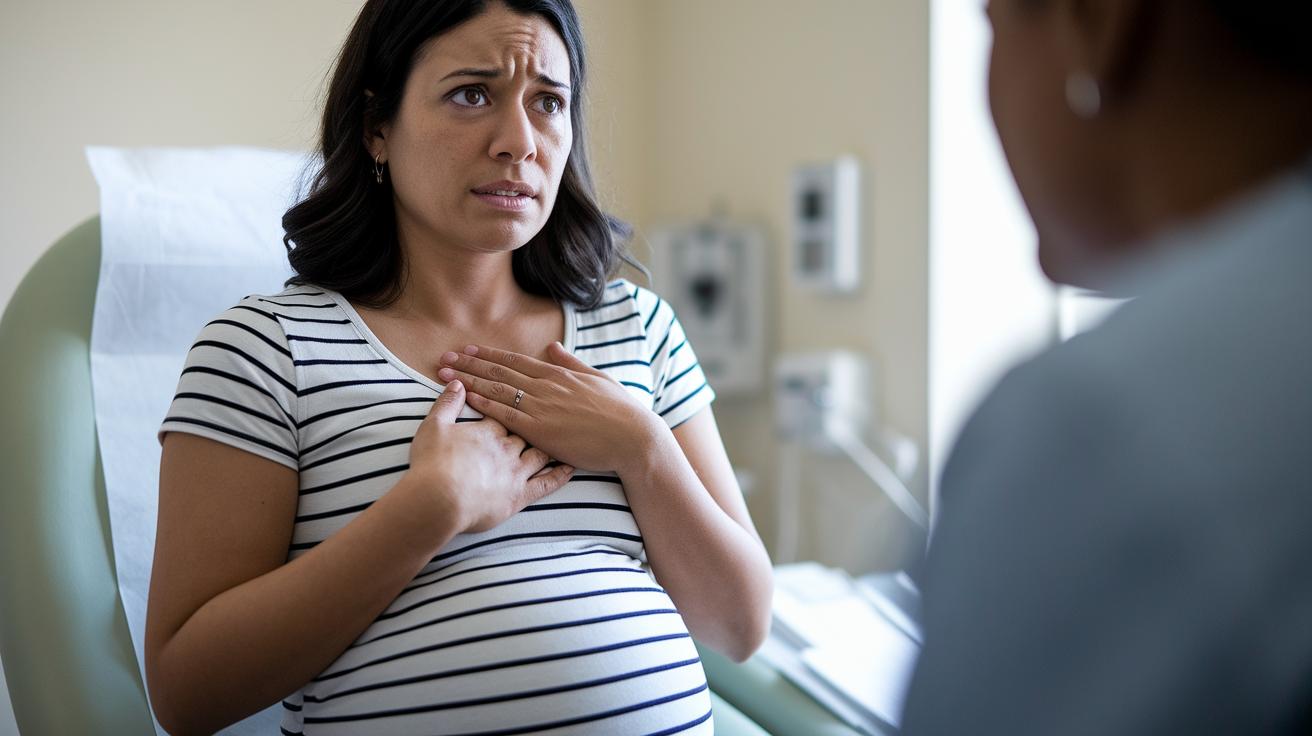
Quick Take: Chest tightness in pregnancy is common but can sometimes signal extra stress on your body. Check your symptoms carefully.
Triage Box:
If you have any of these emergency signs, call emergency services now:
- Severe chest pain that worsens or spreads to your arm, neck, or jaw
- Trouble breathing or shortness of breath
- Fainting or feeling very lightheaded
Common Causes and What You Can Do:
During your pregnancy, your body goes through many changes. Some of these changes may cause chest tightness. Here are common reasons:
- Hormonal changes. Higher progesterone levels relax the valve at the top of your stomach (lower esophageal sphincter), leading to heartburn or acid reflux.
- A growing uterus. As your uterus enlarges, it pushes up on your diaphragm. This change may alter your breathing and create pressure under your ribs.
- Changes in your rib cage. Your body loosens the cartilage in the ribs to make room for your baby, which can strain the muscles between your ribs.
- Stress and anxiety. Feeling stressed can make your chest feel tighter.
- Breathing problems. Flare-ups of asthma, bronchitis, or even pneumonia can cause noticeable chest tightness.
- Hiatal hernia. This happens when part of your stomach slips through the diaphragm, causing a burning feeling in the chest.
What to Do Next:
- Monitor your symptoms. Write down when the tightness happens, how long it lasts, and any other signs you notice.
- Try simple self-care steps such as resting, avoiding heavy meals, or using a pillow for extra support.
- Call your healthcare provider if the discomfort increases, if you feel additional symptoms like severe pain or difficulty breathing, or if you’re concerned about your symptoms.
Remember, while these changes are common during pregnancy, it’s important to act now if your symptoms worsen. Your healthcare provider can help you decide if you need extra care.
Chest Tightness Through Each Trimester
Quick take: Chest tightness during pregnancy changes as your body grows.
Triage Box
If you have any of these emergency signs, call emergency services now:
- Severe chest pain
- Difficulty breathing that gets worse quickly
- A fast or pounding heart you haven’t felt before
First Trimester Changes
In early pregnancy, rising progesterone (a hormone that relaxes muscles) may cause mild heartburn and a bit of chest tightness. You might feel a slight burning sensation or pressure. These symptoms are usually light and tend to settle as your body adjusts.
Second Trimester Pressure
By the second trimester, your growing uterus starts to push up against your diaphragm (the muscle you use to breathe). This extra pressure can leave your chest feeling a little strained and may cause shortness of breath when you are active. Changing positions or taking a short walk can help ease the discomfort.
Third Trimester Strain
In the third trimester, your uterus is at its largest, which means it lifts your diaphragm even more. This extra pressure, along with changes in your chest structure for more room, can make chest discomfort more noticeable. You might even notice palpitations (a fluttering or pounding heart) because your heart works harder. Keep an eye on these symptoms and talk to your healthcare provider if you feel unsure or uncomfortable.
Differential Diagnosis of Chest Tightness in Pregnancy
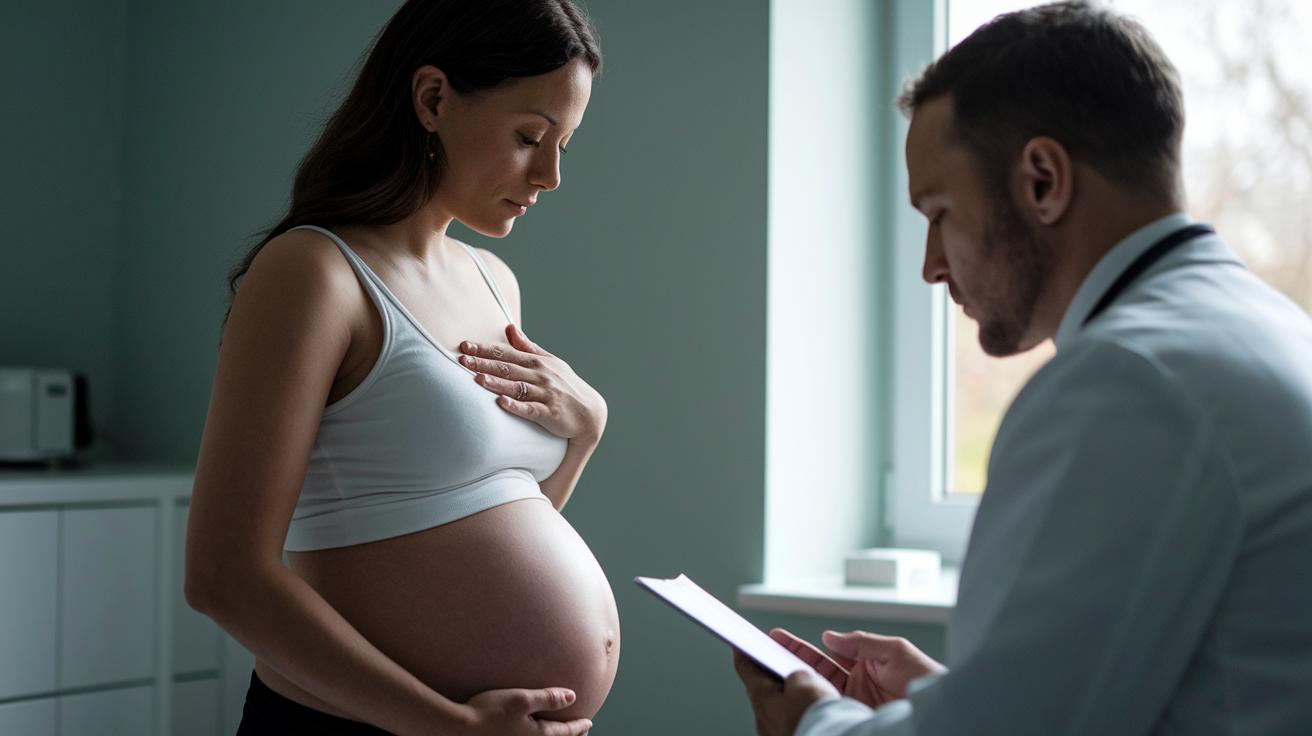
Quick take: Chest tightness during pregnancy can come from heart, lung, or other causes. Look out for specific signs that mean you need urgent care.
Triage Box:
- If you have crushing chest pain that spreads to your jaw, arm, or back, call emergency services now.
- If your heart beats very fast and you break out in a heavy sweat, seek same-day care.
- If you experience a sudden, sharp pain with quick-onset breathlessness or wheezing, get help immediately.
Heart causes:
Heart problems are rare in pregnancy but need immediate attention. In some cases, a rare heart attack or a type of heart weakness (peripartum cardiomyopathy) can cause severe, crushing pain. You might feel your heart racing (tachycardia) and notice too much sweating (diaphoresis). The pain often spreads to your jaw, arm, or back and does not let up. These signs point to a heart issue rather than a normal change in pregnancy.
Lung causes:
Your lungs can also be the source of chest tightness. A blood clot in the lungs (pulmonary embolism) may show as a sudden, sharp pain with rapid shortness of breath (dyspnea). In contrast, an asthma flare-up might give you a steady tight feeling in your chest along with wheezing when you breathe in. These lung symptoms often start abruptly or get worse with activity or stress.
Other causes:
Sometimes, chest tightness can come from stomach or muscle issues. Stomach problems like a hiatal hernia or acid reflux can burn behind your breastbone. Muscle pain from conditions such as costochondritis or a strained rib (intercostal muscle strain) feels like a tender spot that hurts more when you move or take a deep breath. Paying attention to the location and type of pain, along with signs like a cough or burning sensation, helps you figure out if it is a benign cause or something that needs more care.
chest tightness in pregnancy: Feel Reassured Today
Quick take: For pregnant individuals with chest tightness, simple changes in sleep, eating, and posture may help, however, if you experience severe pain or breathing troubles, act immediately.
Triage Box:
If you have any of these emergency signs, call emergency services now:
• Severe, sharp chest pain
• Shortness of breath or rapid heartbeat
• Dizziness or fainting
Urgent:
• If your discomfort gets worse today, seek medical help.
Basic care:
• Follow the self-care steps below and track your symptoms to discuss with your clinician.
Sometimes, chest tightness in pregnancy feels worrisome, but you can ease it with a few simple steps. Start by raising the head of your bed with extra pillows. This can help reduce reflux (acid from the stomach backing up) that might be adding pressure on your chest. During the day, try to sit or rest in a more upright position. You can also do gentle chest-opening stretches. For example, slowly open your arms wide while taking a deep breath, like you’re giving yourself a warm hug. Simple moves like this can help your chest feel less tight.
Next, look at how you eat. Enjoy smaller, more frequent meals. Steer clear of spicy, fatty, or acidic foods that might trigger heartburn. Keep yourself well hydrated by sipping water throughout the day, and take short rest breaks to ease chest pressure. When you sit, use a supportive cushion to help your back and chest feel more comfortable during daily activities.
It also helps to use relaxation techniques. Practice deep belly breathing by inhaling slowly through your nose and exhaling through your mouth. This gentle exercise helps lower muscle tension and eases pressure on your diaphragm (the muscle just below your lungs). Wearing a supportive maternity bra and taking regular breaks also helps reduce strain on your chest. These easy methods can offer comfort and help you manage chest tightness during pregnancy.
When to Seek Professional Help for Chest Tightness in Pregnancy

If you notice chest tightness that feels new, strong, or different from your usual pregnancy aches, especially if sudden pain spreads to your arm, jaw, or back, call your doctor immediately.
If you also have a fast heartbeat, severe trouble breathing, or feel like you might faint, you need urgent care. This is especially important if you have a history of heart or blood clot issues.
Don’t wait. Seeing a healthcare provider right away can help rule out serious issues and keep both you and your baby safe.
Final Words
In the action, we covered how chest tightness in pregnancy can feel and why it might happen. We reviewed normal pressures from a growing uterus, hormonal changes, and other conditions that may mimic or complicate these symptoms.
We also shared safe self-care tips, red-flag signs to watch for, and key differences that help guide when to seek help. Keep these practical steps in mind as you move forward with confidence and care.
FAQ
How to relieve chest tightness during pregnancy?
The ways to relieve chest tightness during pregnancy include using home remedies like elevating your head while sleeping, eating smaller, more frequent meals, and practicing gentle chest-opening stretches.
What do weird or early pregnancy chest pains feel like?
Weird or early pregnancy chest pains can feel like sharp or stabbing discomfort, often on the left or middle of the chest, and may be caused by natural hormonal changes or the growing uterus pressing on nearby structures.
Why does my chest feel tight during pregnancy?
Chest tightness during pregnancy typically occurs because hormonal shifts and the expanding uterus push upward on the diaphragm, causing a feeling of pressure or constriction across your chest.
What is preeclampsia chest pain like during pregnancy?
Preeclampsia chest pain in pregnancy often presents as a burning or tight sensation accompanied by other warning signs such as high blood pressure, headache, or vision changes, signaling a need for prompt evaluation.
What are signs of heart failure in pregnancy?
Signs of heart failure in pregnancy include chest pain, shortness of breath, swelling in the legs, rapid or irregular heartbeat, and extreme fatigue, which should prompt immediate medical assessment.
What are five warning signs of a possible problem during pregnancy?
Five warning signs include severe or sudden chest pain, pain radiating to your arm or jaw, intense shortness of breath, rapid heartbeat with sweating, and dizziness or fainting, all of which require prompt medical attention.