
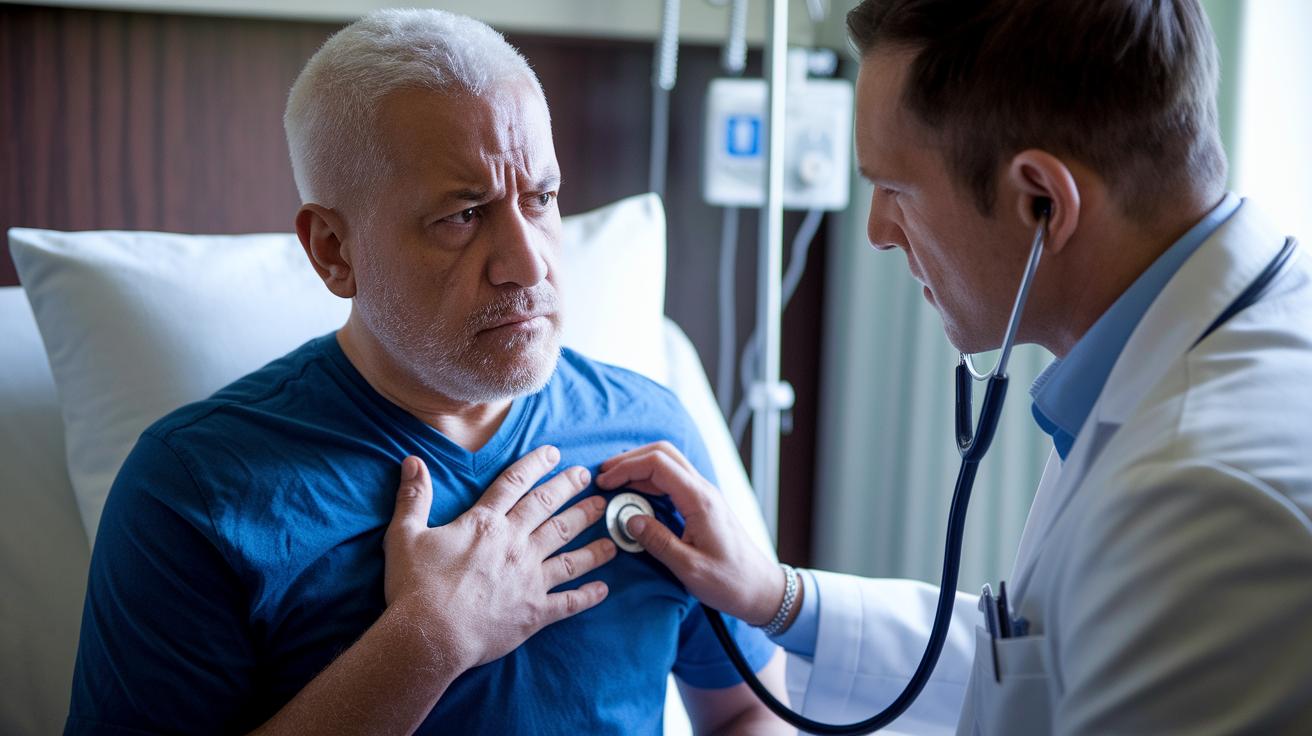

Quick take: Chest tightness after coughing can be a sign of pneumonia.
If you’ve ever felt your chest tighten after a cough, it might be more than a simple tickle. Pneumonia can make your chest feel heavy and tight, especially when you laugh, breathe, or cough. This guide explains why you might feel this discomfort and lists a few steps you can take to care for yourself.
• If you notice your chest feels heavy or tight, monitor your symptoms.
• If you experience trouble breathing, a high fever (over 102 F), or sharp chest pain, call emergency services right away.
• Otherwise, keep an eye on the situation and reach out to your clinician if things worsen.
By understanding these signs and knowing when to ask for help, you can stay alert and protect your health.
Does Pneumonia Cause Chest Tightness?
Quick take: Pneumonia can make your chest feel heavy and tight, especially when you cough, laugh, or take deep breaths.
Triage:
- Red flags: If you have trouble breathing, your lips or face turn blue, or you feel confused, call emergency services now.
- Urgent concerns: If your chest tightness worsens quickly or comes with a high fever and a deep, persistent cough, seek same-day medical help.
- Self-care: Rest, stay well hydrated, and keep a close eye on your symptoms. Follow up with your doctor if things don’t improve.
Pneumonia is a lung infection that causes your air sacs to fill with fluid and germs. This buildup makes it hard for air to move in and out properly, which can leave your chest feeling tight. The discomfort often gets worse when you cough, laugh, or take a deep breath.
Did you know that over 1 million American adults are hospitalized each year because of pneumonia? This infection can be caused by viruses, bacteria, fungi, or even tiny parasites. It sometimes follows a cold or the flu. People with conditions like asthma, chronic heart or lung issues, premature infants, older adults, and those with weakened immune systems are more at risk.
If you experience a persistent cough, fever, and chest tightness, especially if these signs get worse with activity, it’s important to get medical help right away to prevent complications.
Common Chest Symptoms in Pneumonia Including Tightness
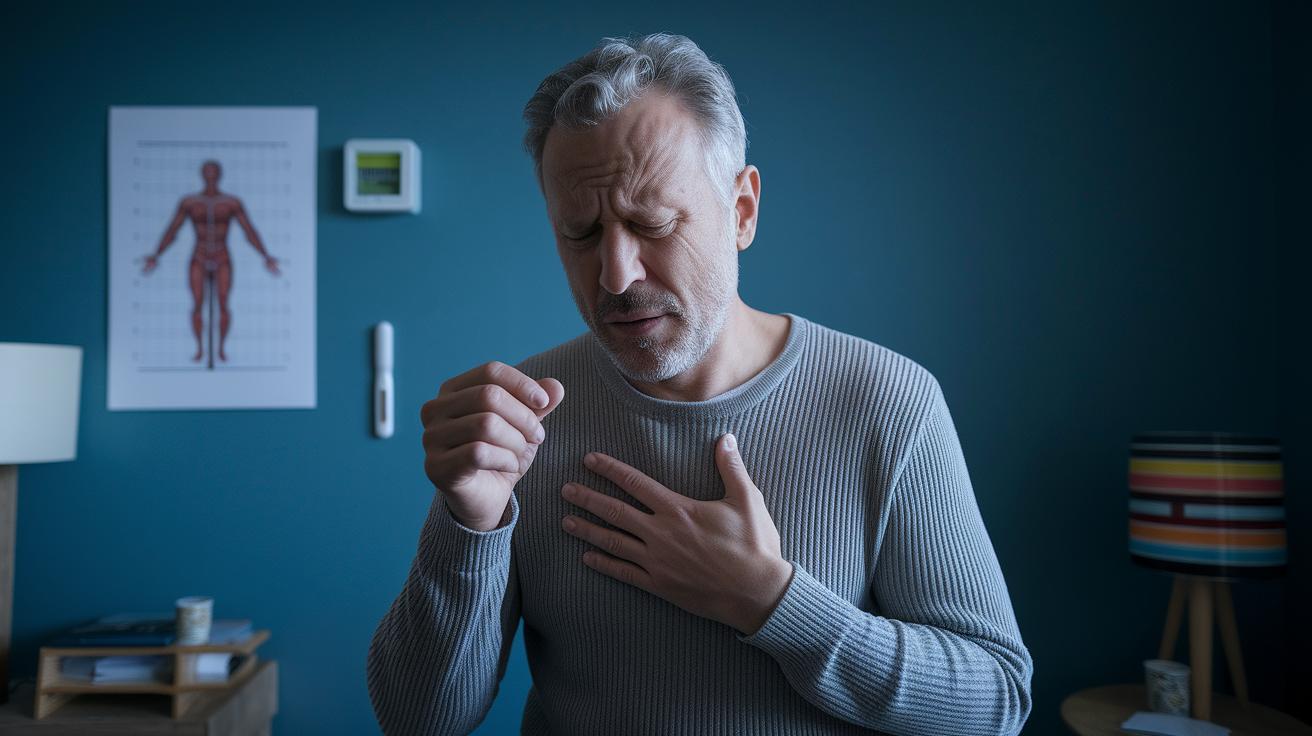
Quick take: Pneumonia can cause a heavy chest and a persistent cough, so watch your symptoms carefully.
Triage Box:
• Emergency: If you have severe chest pain, trouble breathing, or feel very confused, call emergency services immediately.
• Urgent: If your chest tightness or cough worsens or you find it hard to breathe, seek same-day medical care.
• Monitor: Track your fever, cough, and chest discomfort, and rest while you wait to see if you improve.
Pneumonia often brings different chest symptoms that feel unique to each person. Many adults describe a heavy or tight chest along with a cough that just won’t quit. The pain might be sharp, stabbing, or a steady ache that lasts several days, especially when you cough, take a deep breath, or move around. A cough that brings up mucus and a fever, such as 102 F or above, usually mean the infection has spread to your lungs.
When your chest feels tight, you might also find breathing becomes harder, even during everyday tasks. Shortness of breath can add to the discomfort and is a sign that your lungs are inflamed. Paying attention to how long your symptoms last and how they feel helps you know when it’s time to get help, so you don’t miss any important warning signs.
Differential Diagnosis of Chest Tightness Versus Pneumonia
Quick take: Chest tightness can come from heart problems, lung clots, acid reflux, or muscle strain. Check your symptoms carefully and act if you see red flags.
If you have any of these emergency signs, call emergency services now:
• Severe pain that spreads to your arms, neck, or jaw
• Trouble breathing or sudden shortness of breath
• Coughing up blood
Heart issues like angina (chest pain from reduced blood flow) or a heart attack can make your chest feel tight and heavy. The pain often starts when you are active and may move to your arms, neck, or jaw. If you have high blood pressure, diabetes, or high cholesterol, you may be at a higher risk. This tightness usually eases with rest, which is different from the kind of chest tightness seen in pneumonia.
A lung clot, known as a pulmonary embolism, can cause a sudden, sharp tightness in your chest. This pain comes on quickly and may be paired with fast breathing or even coughing up blood. Risk factors include a history of clots, recent surgery, or long periods of not moving. Unlike pneumonia, a lung clot does not usually cause a cough or fever.
Acid reflux (GERD) and muscle or bone pain can also lead to chest tightness. With acid reflux, you might feel a burning pain after eating, especially when you lie down. Pain from costochondritis (inflammation of the chest wall) can be felt when you press on the sore area. These conditions do not come with fever or a cough like pneumonia does.
| Condition | Key Features | How It Differs from Pneumonia |
|---|---|---|
| Pneumonia | Fever, coughing with mucus, crackling sounds in the lungs | Chest tightness gets worse when breathing or coughing |
| Heart Attack | Heavy pressure, sweating, pain that spreads during exertion | No cough, pain comes with physical activity and eases with rest |
| Pulmonary Embolism | Sudden sharp pain, fast breathing, sometimes coughing up blood | No fever, linked to clot risks like immobility or surgery |
| GERD/Chest Wall Pain | Burning pain after meals or pain on touch | No lung infection signs on imaging, no fever or productive cough |
Imaging and Lab Tests for Chest Pressure in Pneumonia

When you feel chest pressure, the first test your doctor may use is a chest X-ray. This picture can show if parts of your lung are filled with fluid or inflamed. It might display a dense area, which means your lung is under stress.
If pneumonia isn’t clear from the X-ray, a CT scan can provide more detailed views of your lung tissues. This test can find complications or unusual infections that a regular X-ray might miss, especially when the infection seems to be spreading.
Blood tests also help clear up the diagnosis. A complete blood count (CBC) can show a higher number of white blood cells, which means your body is fighting an infection. Other tests, such as C-reactive protein (a marker for inflammation) and procalcitonin, add extra clues. Sputum and blood cultures are done to pinpoint the exact bacteria or germ causing the problem.
Tracking these test results guides your treatment and gives a clear picture of how pneumonia is affecting your lungs.
When Chest Tightness in Pneumonia Signals Emergency Care
If you have chest tightness with a fever over 103°F, severe difficulty breathing, or chest pain that does not ease with rest, take these signs seriously. These symptoms might be early warnings for pneumonia.
Watch for fast breathing, oxygen levels falling below 90%, or new confusion, especially if you are older. Coughing up blood (hemoptysis) is also an urgent sign.
If any of these symptoms occur, get to hospital care immediately and follow your triage instructions.
Treatment Options to Ease Chest Tightness in Pneumonia

Quick take: Treatment focuses on clearing infections and easing your chest tightness.
Triage Box:
- Emergency: Call emergency services now if you have severe trouble breathing or notice your lips turning blue.
- Urgent: Seek same-day care if your chest tightness worsens or you have increasing difficulty breathing.
- Self-care: Follow home remedies and keep track of your symptoms.
If you have bacterial pneumonia, your doctor will likely give you antibiotics. These medicines target the common germs and help clear the infection while reducing lung swelling that causes chest tightness. If your pneumonia is viral, treatment centers on helping your body fight the virus. Rest, fever reducers like acetaminophen or ibuprofen, and cough medicines can ease your symptoms during recovery.
If you find it hard to breathe, your doctor might add supplemental oxygen. Extra oxygen helps lessen the tight feeling in your chest and supports better lung function. In these cases, you might also be shown breathing exercises such as incentive spirometry. This technique guides you to take slow, deep breaths that expand your lungs and relieve chest heaviness.
If a narrowing of the airway muscles (bronchospasm) is part of your discomfort, inhaled bronchodilators may be used. These medicines help relax the muscles around your airways to reduce the tight feeling.
Staying well-hydrated and eating a balanced diet further supports your recovery. Together, these steps not only battle the infection but also help ease chest tightness so you can heal faster.
Home Care Strategies for Chest Tightness During Pneumonia
Rest is crucial when you’re healing from pneumonia. Sleep helps your body recharge and fight the infection. Think of it like recharging a battery, a full charge makes each breath easier.
Drink plenty of fluids such as water, broth, or drinks with electrolytes. Warm chicken broth not only comforts your chest but also helps loosen mucus.
A humidifier or steam inhalation can relieve tight airways. Imagine warm mist gently clearing your breathing passages.
Eat balanced meals rich in protein and vitamins. Nutritious foods provide the building blocks your body needs to repair itself and battle infection.
Practice good cough habits by coughing into your elbow and washing your hands often to stop infections from spreading. Watch your symptoms closely, and if your chest tightness worsens or new signs show up, call your doctor right away.
| What to Do | How It Helps |
|---|---|
| Rest and sleep | Boosts your body’s power to heal |
| Drink plenty of fluids | Helps thin mucus |
| Use a humidifier or steam inhalation | Eases airway tightness |
| Eat balanced meals | Strengthens recovery |
| Practice good cough habits and handwashing | Prevents further infections |
Final Words
In the action, we explored how pneumonia can cause chest tightness and other symptoms like cough, fever, and difficulty breathing. We compared it with similar conditions and discussed key features that set them apart. We also looked at the diagnostic tests, treatment options, and home care steps you can use to ease the discomfort. Every tip is grounded in trusted clinical guidance to help you decide on the next step safely. Stay informed and act quickly when facing chest tightness pneumonia.
FAQ
What are signs that pneumonia is improving?
Signs that pneumonia is improving include lower fever, easier breathing, reduced chest tightness, and a decrease in coughing. These improvements suggest your lungs are starting to recover.
Is pneumonia contagious?
Pneumonia is contagious when caused by viruses or bacteria. This means you can spread the germs that cause pneumonia if proper hygiene and precautions aren’t followed, so avoid close contact until your symptoms improve.
What is pneumonia treatment?
Pneumonia treatment typically involves antibiotics for bacterial infections, supportive care with rest and fluids, and sometimes oxygen therapy. Your clinician chooses the best approach based on your symptoms and overall health.
Can pneumonia be deadly?
Pneumonia can be deadly, especially in older adults and those with weakened immune systems. However, early diagnosis and treatment usually lead to recovery, so it is important to seek care if you experience severe symptoms.
How long does pneumonia last?
The duration of pneumonia varies; some may start feeling better after a week, yet full recovery can take several weeks or even up to a month. The exact timeline depends on the severity and your overall health.
Does pneumonia go away on its own?
While some mild cases of viral pneumonia might improve without antibiotics, most cases need medical care to prevent complications. It is best to consult a clinician for the proper treatment and guidance.
What are the symptoms of walking pneumonia in adults?
The symptoms of walking pneumonia in adults often include a mild cough, low-grade fever, fatigue, and occasional chest tightness. These signs are generally less severe than those seen in typical pneumonia cases.
What are pneumonia symptoms in adults?
Pneumonia symptoms in adults include a productive cough, high temperature, chest pain, and shortness of breath that worsens with movement or deep breaths. These symptoms help indicate the presence of a lung infection.
How long does chest tightness last after pneumonia?
Chest tightness after pneumonia can last from several days to a few weeks while your lungs heal. If the tightness continues or worsens, it is wise to check in with your healthcare provider to ensure proper recovery.
When should you go to the ER with pneumonia?
You should go to the ER if you experience severe breathing difficulties, a high fever over 103°F, rapid worsening of symptoms, or confusion. These signs indicate that immediate medical attention might be needed.
What are signs of worsening pneumonia?
Signs of worsening pneumonia include increasing fever, persistent chest pain, rapid breathing, confusion, and low oxygen levels. Noticing these red flags means you should seek medical care right away.
At what stage of pneumonia does chest pain occur?
Chest pain in pneumonia typically occurs during the active stages of the infection. It often worsens with coughing, deep breathing, or movement, signaling that the lung infection has progressed.