
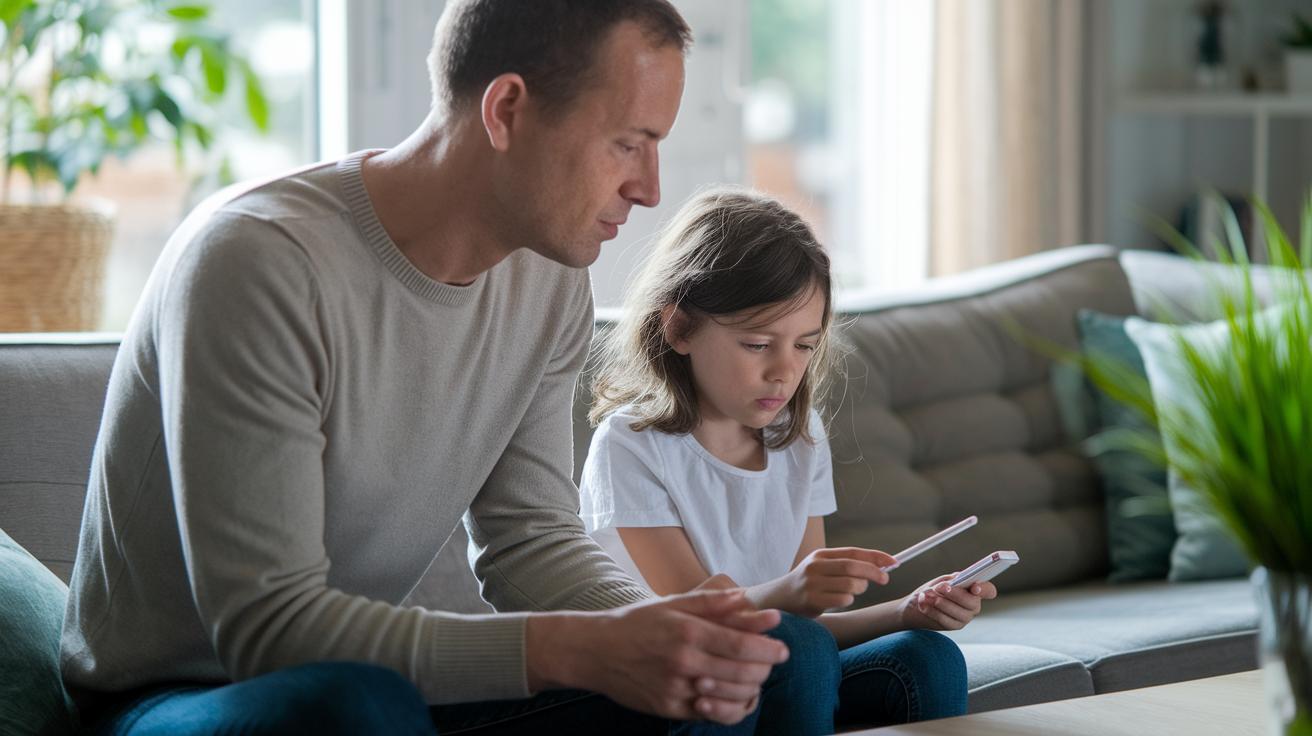

Quick take: A high fever may be more serious than you think.
If you or your child show these signs, act quickly:
• Infants under 3 months with any temperature rise need immediate care.
• Adults with a fever of 103°F or higher, especially if you have chest pain or confusion, should seek help now.
Fever thresholds are different for adults and children. A small increase in temperature in a young baby can be dangerous. For you, a fever of 103°F or more accompanied by chest pain or confusion is a red flag. This guide explains the key signs that mean you should take action and how these signs change with age.
Stay informed, stay calm, and know when to get help to keep you and your loved ones safe.
Emergency Fever Thresholds for Adults vs Children
Quick take: High fevers can signal serious illness, act fast if you or your child show red flag signs.
If you have any of these emergency signs, call emergency services now:
• Infants under 3 months with a temperature of 100.4°F (38°C) or higher
• Chest pain, shortness of breath, or confusion in adults with a fever of 103°F (39.4°C) and above
Urgent:
• Infants 3–6 months with a temperature of 101°F (38.3°C)
• Older children with a fever between 102°F and 103°F (38.9–39.4°C), especially if the fever stays high despite using acetaminophen or ibuprofen or if they have vomiting, a rash, or unusual sleepiness
A fever means your body is fighting an infection. However, each age group has a threshold where fever becomes more dangerous. For very young babies, even a seemingly low fever is a concern. That is why infants under 3 months should be seen immediately if their temperature reaches 100.4°F (38°C) or higher.
Babies between 3 and 6 months need to be checked by a doctor if the fever hits 101°F (38.3°C). Older children with fevers between 102°F and 103°F (38.9–39.4°C) and symptoms like ongoing fever not helping with usual fever reducers, vomiting, rash, or unusual sleepiness need urgent evaluation. In adults, a fever of 103°F (39.4°C) or more, especially when accompanied by chest pain, shortness of breath, or confusion, is worrisome and requires prompt medical attention.
| Age Group | Fever Threshold | When to Act |
|---|---|---|
| Infants under 3 months | ≥100.4°F (38°C) | Call emergency services immediately |
| Infants 3–6 months | ≥101°F (38.3°C) | Seek evaluation from a doctor |
| Older Children | 102–103°F (38.9–39.4°C) | Urgent care if fever persists with vomiting, rash, or unusual sleepiness |
| Adults | ≥103°F (39.4°C) | Seek immediate care if chest pain, shortness of breath, or confusion occur |
Remember these guidelines and act quickly if any red flags appear. It’s important to monitor and note your symptoms and any changes. If your condition worsens or you’re unsure, contact a doctor to get the best care possible.
Adult Fever Danger Signs: When to Seek Care

If your fever reaches 103°F (39.4°C) or stays high even after you take medicine, check your symptoms right away.
If you have a fever that won’t go down along with any of these signs, you need prompt help:
- Chest pain that could mean your heart is under strain
- Shortness of breath that makes it hard to breathe
- New confusion or trouble thinking clearly
- A severe headache or feeling very dizzy
- Signs of dehydration, like a very dry mouth or dark yellow urine
Even if you usually manage a low-grade fever at home, extra symptoms, especially if you have heart, lung, or immune system issues, can be a serious warning.
Keep a record of your temperature and any changes in how you feel. If these warning signs show up, contact your healthcare provider right away.
Child Fever Alert Symptoms and Warning Signs
Quick take: A fever above 102 F combined with any serious symptom needs immediate care.
If you see any of these red flags, act right away:
- High fever that doesn't drop with medicine.
- Seizures, especially in young children under 5.
- A rash that starts suddenly or spreads quickly.
- Extreme sleepiness, irritability, or unusual behavior.
- Signs of dehydration like a dry mouth, sunken eyes, no tears when crying, constant vomiting, or refusal to drink fluids.
- Trouble breathing or bluish lips.
| Warning Sign | Details |
|---|---|
| High Fever Not Responding to Treatment | The fever stays above 102 F in older children or continues in younger ones despite using acetaminophen or ibuprofen |
| Seizure Activity | Seizures occur more often in children under 5 when the fever is very high |
| Acute or Spreading Rash | The rash appears suddenly or covers large areas of the body |
| Marked Lethargy or Altered Behavior | Unusual sleepiness, irritability, or a noticeable change in behavior |
| Dehydration Indicators | Dry mouth, sunken eyes, no tears when crying, continuous vomiting, or not wanting to drink fluids |
| Respiratory Distress | Labored breathing or bluish lips, which can signal low oxygen levels |
A fever above 102 F along with breathing trouble or any of these red flags means you should get medical help immediately.
Monitoring Fever Progression in Adults and Children
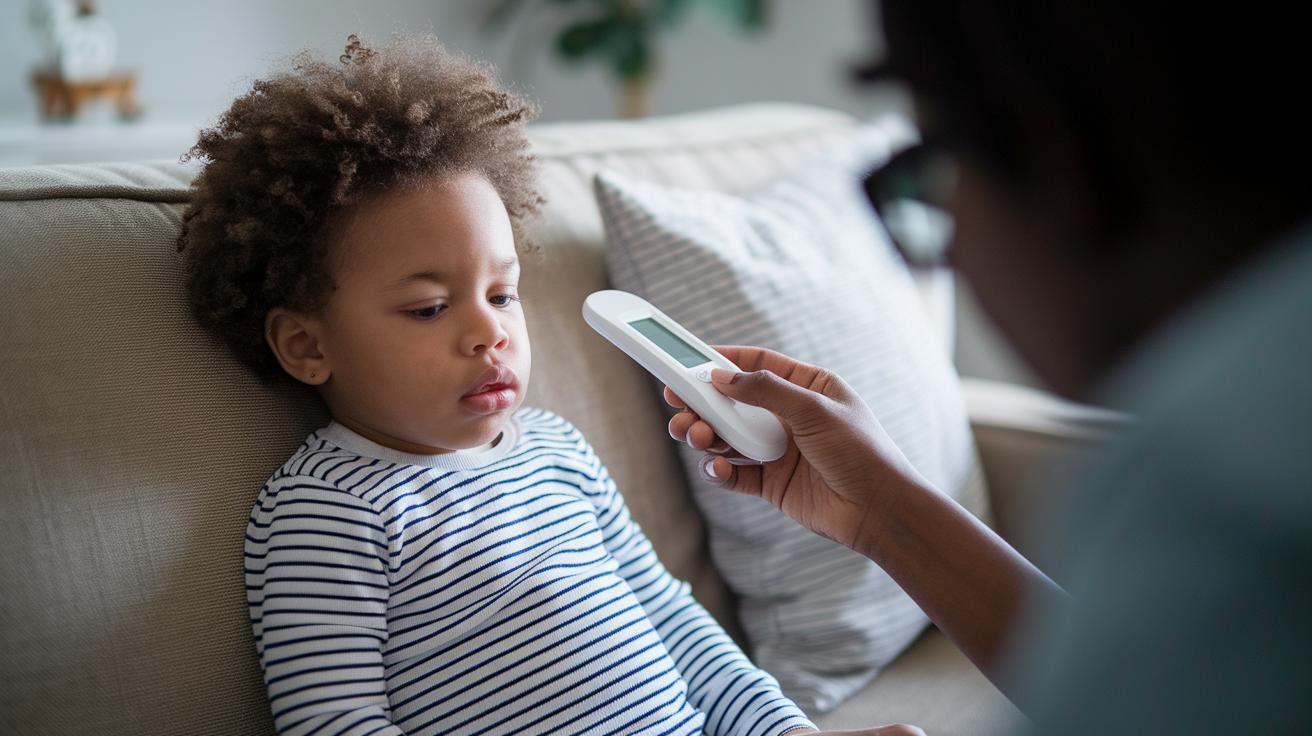
Quick take: Fever can worsen fast. Keep a close watch on the temperature.
If you see any signs like seizures, unusual sleepiness, or a fever reaching 104°F or more, call emergency services now. Otherwise, monitor carefully at home.
Fever can quickly change, from a mild rise to dangerous levels within hours, especially for children. A rapid spike may lead to brain swelling, seizures, or permanent brain injury. That is why it is important to check and record the temperature every 2 to 4 hours.
Different ages call for different methods to measure the fever. For infants, the rectal method gives the most accurate reading. Older children can measure their temperature by mouth or with an ear (tympanic) thermometer. Adults usually use the mouth or underarm (axillary) method, and you can use a forehead (temporal) scanner for any age if needed.
Keep a simple log to track the readings. Write down the time, the temperature reading, and any change in how the person feels. This record helps you see patterns and provides important details if the fever suddenly worsens.
If you notice the temperature steadily rising or spiking suddenly, this may mean the fever could become dangerous. Monitor carefully and be ready to move from home care to seeking medical help if necessary. Quick action based on clear temperature records can reduce risks and help keep you safe.
Fever Emergency Triage Flowchart for Adults and Kids
Quick take: This flowchart helps you quickly decide if your fever can be managed at home, needs a provider visit, or requires emergency care.
Triage Box:
• Red Flags: Call emergency services now if you see chest pain, trouble breathing, confusion, seizures, or a widespread rash.
• Urgent: If your fever rises fast or new warning signs appear, reach out to your doctor today.
• Watch: A modest fever without these signs can often be managed with rest and fluids.
Start by measuring the temperature with methods that fit your age group – use a rectal thermometer for infants, an oral or ear thermometer for older children, and either an oral or underarm method for adults. Keep an eye on rapid changes and any new symptoms.
The flowchart shows you key points to consider:
• A sudden temperature jump with severe symptoms calls for quick action.
• A steady, lower fever might only need self-care with fluids and rest.
• If symptoms get worse or change quickly, even from a mild start, you should call your clinician.
For example, one parent may note, "My child’s temperature went from 101°F to 103°F in a few hours and a rash appeared." In such cases, the flowchart guides you to check for more changes and seek help if needed.
Printable guide: Triage Flowchart for Fever
Reference: Triage Definition Medical
Special Considerations: Underlying Conditions and Travel-Related Fevers

Quick take: Even a slight fever may need quick care if you have an existing health issue or have recently traveled to high-risk areas.
[Triage Box]
• Red flags:
- Fever that stays low and doesn’t get better
- Worsening tiredness or chest pain
- New or returning fevers if you have an autoimmune disease (such as rheumatoid arthritis or lupus)
If you have a chronic heart or lung condition or an autoimmune disease, even a small fever might show that your body is under extra stress. It’s wise to call your doctor sooner than you normally would.
Also, if you’ve recently visited places where malaria is common, like parts of the Caribbean, Central or South America, South Central or Southeast Asia, or sub-Saharan Africa, treat any fever with caution. Fights with infections in these areas can be dangerous and need quick check-ups.
When these concerns show up, reach out to a healthcare provider right away. Keep track of your temperature and any extra symptoms to share with your doctor during your visit.
Final Words
In the action, this guide outlined clear fever thresholds and red-flag symptoms for all age groups. It explained when common fevers can turn serious and the steps to take, whether at home or by seeking emergency care. You learned monitoring tips and how to use a simple triage flowchart to decide what to do next. Remember, when a fever is an emergency (adult vs child), tracking symptoms closely and acting promptly is key. Stay informed and take swift action to keep you and your loved ones safe.
FAQ
When should I take my child, including a 2-year-old, to the hospital for a fever?
The answer is that if your child has a fever of 102–103°F that persists or comes with red-flag symptoms such as seizures, a spreading rash, unusual sleepiness, dehydration signs, difficulty breathing, or bluish lips, you should seek emergency care immediately. For infants under 3 months, any fever of 100.4°F or higher is an emergency.
How long should a fever last in a child?
The answer is that a child’s fever should normally drop within about 3 days. If the fever lasts longer or is accompanied by worsening symptoms, contact your healthcare provider.
What fever thresholds indicate that an adult should seek emergency care?
The answer is that adults should seek immediate evaluation for a fever of 103°F or higher, especially if it comes with chest pain, shortness of breath, or confusion. A fever of 102°F might be managed at home unless other concerning symptoms arise.
Is a fever of 104°F dangerous for adults and how should it be managed?
The answer is that a fever of 104°F in adults is concerning and can signal a serious condition, especially if accompanied by other symptoms. It is important to seek prompt medical attention if you experience these signs.
How can I reduce a 104°F fever in my child?
The answer is that you can help lower a 104°F fever in your child by using age-appropriate fever reducers like acetaminophen or ibuprofen, ensuring they stay hydrated, and dressing them in light clothing. Always consult a clinician if the fever does not improve or if red-flag symptoms develop.
Are fevers worse for adults or kids?
The answer is that the impact of a fever depends on age and overall health. Children may experience rapid temperature changes and require prompt evaluation if red flags appear, while adults, particularly those with underlying conditions, must monitor symptoms closely and seek care when needed.