


Quick take: Allergies can be mild or severe, if you have trouble breathing or your face swells unexpectedly, call emergency services now.
If you experience any of these emergency signs, call emergency services immediately:
• Trouble breathing or wheezing
• Swelling of the face, lips, or throat
• Rapid or weak pulse
For most allergies, you might only have mild symptoms like a quick sneeze, itchy skin, or watery eyes. These signs may feel minor at first, but they can sometimes turn severe very fast. In this article, we explain the difference between everyday allergy signs and the dangerous warning signs of a severe reaction.
Stay alert and act quickly if your symptoms change. Knowing the difference can help you decide when to monitor your symptoms and when you need urgent help.
Key Differences in Presentation and Severity: Severe vs Mild Allergic Responses
Mild allergic reactions show up slowly with signs like itchy skin, hives, sneezing, watery eyes, or a runny nose. These symptoms usually occur after you are exposed to common allergens such as pollen, dust, or pet dander. They stay in one area and are often managed well with over-the-counter antihistamines like diphenhydramine or cetirizine.
Severe allergic reactions, also known as anaphylaxis, happen fast, sometimes in just seconds or minutes. These reactions affect several parts of your body at once. They can cause your throat to swell, your blood pressure to drop quickly, and make breathing difficult. You might also feel very dizzy or notice your heart racing. Because these symptoms can worsen quickly, you must use an epinephrine auto-injector and get emergency care immediately.
| Feature | Mild Allergy | Severe Reaction |
|---|---|---|
| Onset Time | Slow (hours) | Very fast (seconds to minutes) |
| Affected Areas | Local (skin and nasal passages) | Multiple systems (breathing, blood pressure, skin) |
| Symptoms | Itching, hives, sneezing | Throat swelling, difficulty breathing, fast heartbeat |
| Common Triggers | Pollen, dust, pet dander | Foods, insect stings, medications |
| Treatment | OTC antihistamines and monitoring | Immediate epinephrine and emergency care |
Knowing these differences helps you act quickly. Mild allergies can be managed with simple treatments, but if you have a severe reaction you need fast, decisive care to stay safe.
Recognizing Severe Allergic Reaction Warning Signs
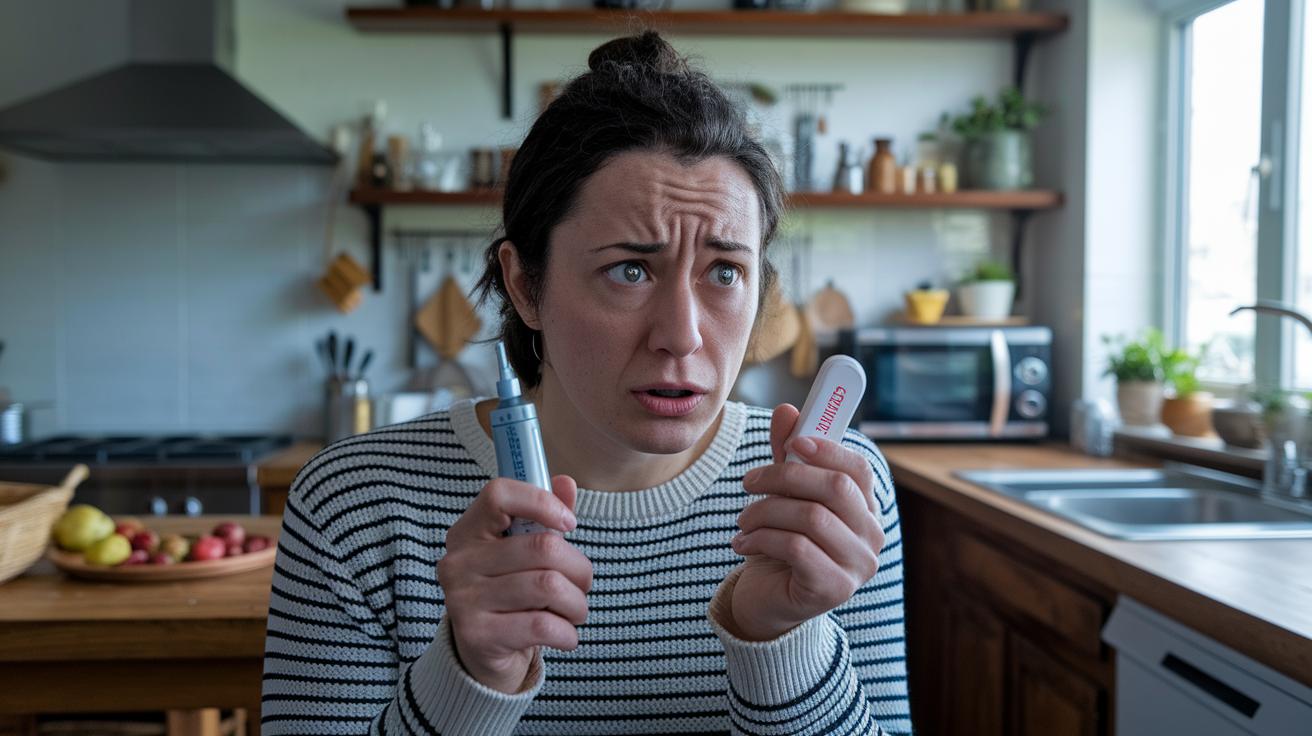
These signs can be life-saving clues. If you feel throat tightness, have trouble breathing, notice wheezing, a fast heartbeat, dizziness, or swelling in your face, act quickly because these may signal a severe reaction. Keep in mind that your age or other health problems can change how these signs appear. If you’re alone and start feeling these symptoms, ask a neighbor or family member for help with your epinephrine auto-injector.
| Warning Sign | Immediate Action |
|---|---|
| Throat tightness or swelling | Call 911 immediately and use your epinephrine auto-injector |
| Difficulty breathing or rapid, labored breaths | Call emergency services and sit or lie in a comfortable position |
| Wheezing | Watch for worsening symptoms and be ready to use epinephrine |
| Rapid heartbeat | If you feel dizzy too, seek emergency care right away |
| Dizziness or fainting | Lie down quickly and call 911 if it does not improve |
| Facial swelling (lips or tongue) | Call 911 without delay and use your epinephrine if available |
At the first sign of a severe reaction, call 911 or use your epinephrine auto-injector.
Identifying Key Symptoms of Mild Allergic Reactions
Quick take: Your current allergy signs are mild, but stay alert for any changes.
If you notice any of these emergency signs, call emergency services now:
• Trouble breathing or shortness of breath
• Swelling of your face, tongue, or throat
• A widespread rash that spreads quickly
Mild allergy reactions usually show up as sneezing, watery eyes, a runny nose, small hives, or a light rash. You might also feel a bit of scratchiness in your throat. Some people mention a slight itch in the ears or a feeling of congestion. These symptoms tend to develop slowly over a few hours after you come into contact with an allergen. They generally stay in one area and cause discomfort rather than serious harm.
Common triggers include pollen, dust mites, pet dander (tiny bits of skin from animals), and sometimes mold spores. Most of the time, these exposures lead to symptoms that can be managed at home. Over-the-counter antihistamines (medicines that block allergy symptoms) or simply avoiding the trigger can help a lot. Still, it’s a good idea to keep track of any changes. This way, if your symptoms start to get worse, you can act quickly and safely.
Diagnostic Testing and Assessment for Severe vs Mild Allergic Reactions

When you have a severe allergic reaction (anaphylaxis), your care team works fast. They check your vital signs with a blood pressure cuff and a pulse oximeter (a tool that measures the oxygen level in your blood). They also order blood tests, like a serum tryptase test, to see how strong the reaction is. Once you are stable, they do skin-prick tests or blood IgE tests to find out exactly what triggered the reaction. This speedy process helps start emergency treatment right away. Standard emergency protocols clearly lay out these steps to ensure that serious reactions get prompt attention emergency management definitions.
For milder allergy symptoms, doctors focus more on your personal history. They talk with you about your symptoms and might suggest keeping a diary to note when you feel sick and what you were around. Outpatient skin tests or blood tests that measure allergen-specific IgE can help pinpoint the culprits behind your reactions. This careful evaluation leads to an allergy action plan that identifies your risk level and guides treatment. By combining lab tests, skin testing, and your personal history, your doctor can design a care plan that manages mild reactions without needing emergency care.
Emergency Treatment Protocols for Severe Allergic Reactions
Quick Take: Epinephrine is the first and fastest step when facing a severe allergic reaction, act now.
Triage Box:
• If you have trouble breathing, your throat feels tight, or you feel faint, call emergency services immediately.
• If symptoms worsen or you don’t improve after using epinephrine, seek urgent care.
• Always use your epinephrine auto-injector at the first sign of a serious reaction.
Use your epinephrine auto-injector as soon as you notice signs of a severe allergic reaction. For adults, inject 0.3 to 0.5 mg into the muscle (usually in your thigh). You may repeat this dose every 5 to 15 minutes if symptoms do not improve. It is vital to act quickly, don’t delay your treatment. Knowing how to use your auto-injector correctly can be the difference in an emergency.
After giving epinephrine, lay the patient on their back and raise their legs slightly to boost blood flow. If they’re having trouble breathing, provide high-flow oxygen. Watch carefully for any signs that their airway might be blocked. Next, start an intravenous (IV) line so that you can give fluids and other medicines, like antihistamines (drugs that ease allergy symptoms) and corticosteroids (medicines that reduce swelling). These steps help control the allergic reaction and keep the patient stable while waiting for further medical care.
Even if the initial treatment seems to work, the patient should still be taken to the hospital for ongoing monitoring. In more severe cases, treatments such as vasopressors (medicines to raise blood pressure) or advanced airway support might be needed. Following these clear steps, from proper positioning and oxygen support to rapid transition to full medical care, can make a critical difference in outcomes.
Mild Allergy Management: At-Home Strategies

If you notice mild allergy symptoms, start by reducing your exposure to common triggers. First, keep your home clean by dusting and vacuuming often. Use HEPA filters in your rooms, wash your bedding in hot water, and cover mattresses and pillows with allergen-proof covers. These steps help lower the amount of allergens, like pollen and dust mites, which can ease your symptoms naturally.
For extra relief, consider over-the-counter options. A daily dose of cetirizine (10 mg) or diphenhydramine (25–50 mg every 6 hours) may help reduce your discomfort. You can also try simple remedies like saline nasal irrigation (a rinse made with salt water) and cool compresses. These practical steps are designed to complement your daily habits and minimize allergy flare-ups.
Guidelines for Seeking Medical Help in Allergic Reactions
Quick take: Act immediately if you have a severe allergic reaction.
If you experience trouble breathing, extreme throat tightness, or a sudden drop in blood pressure, call emergency services right away. Use your emergency action plan (see our emergency action notification here: https://thequickesttips.com?p=1380).
If your symptoms stay mild after taking 2 doses of antihistamines, or if you start having a fast heartbeat or ongoing dizziness, head to urgent care.
If you have frequent allergic reactions or know you are at high risk, set up an appointment with an allergist. Work with your doctor to make and update an allergy action plan. Share this plan with family, caregivers, and people at work or school so everyone knows what to do if you have an emergency.
Final Words
In the action, we broke down the key differences between mild allergy symptoms and severe allergic reactions. We compared typical presentations like local itching to critical signs such as throat swelling and breathing problems. You now have a clear view of appropriate home care tips, emergency protocols, and when to contact a clinician. This guide helps you decide safely when to seek help for severe allergic reaction vs mild allergy symptoms. Stay alert, act with confidence, and remember that early detection can make all the difference.
FAQ
What are the 5 stages of an allergic reaction, including those on the skin?
The 5 stages of an allergic reaction outline the progression from initial exposure, through localized symptoms like hives, to potential systemic involvement and anaphylaxis if the reaction escalates.
How long does it take for an allergic reaction to clear up?
The duration of an allergic reaction depends on its severity and treatment; mild symptoms often improve within a few hours while severe reactions may persist longer and require prompt medical care.
How is a moderate allergic reaction treated?
A moderate allergic reaction typically involves using over-the-counter antihistamines and avoiding known triggers, while closely monitoring symptoms and seeking medical attention if the reaction worsens.
What are the severe seasonal allergy symptoms?
Severe seasonal allergy symptoms may involve intense nasal congestion, significant eye irritation, deep coughing, and skin reactions, which can impact daily activities and might need stronger medications under clinician guidance.
What are the signs and symptoms of a severe allergic reaction or anaphylaxis?
The signs include throat swelling, difficulty breathing, rapid heartbeat, dizziness, and skin flushing; these symptoms require immediate emergency care as they indicate a life-threatening reaction.
How should an allergic reaction on the body, including reactions to antibiotics, be treated?
Treatment for body-wide allergic reactions involves stopping exposure to the trigger; for mild symptoms, consider OTC antihistamines and topical treatments, but for antibiotic-related reactions or worsening symptoms, consult a clinician immediately.
What is the difference between mild and severe allergic reactions?
The difference lies in symptom intensity and affected systems; mild reactions generally cause localized itching and sneezing, while severe reactions feature throat swelling, difficulty breathing, and a rapid drop in blood pressure.
Can an allergic reaction cause tingling in the hands?
Tingling in the hands can occur during an allergic reaction due to nerve irritation or anxiety; if this symptom escalates or is accompanied by other warning signs, seek urgent medical care.
What should you give an infant for an allergic reaction?
For an infant with an allergic reaction, it is best to contact a pediatrician before giving any medication, as treatment often involves careful dosing and specific instructions tailored to the child’s age and symptoms.